Two things happened to YouTube in 2026 that, taken together, rewrite the playbook for AI-assisted and faceless channels. First, a major ranking update made the platform far friendlier to small and new creators. Second, a wave of demonetization hit channels for "inauthentic content," including good ones. Both trace back to the same force: AI, and the law catching up to it.
This guide covers what changed, why it changed, and the practical moves that match the new rules.
Part 1. What changed in the ranking system
On May 22, YouTube announced one of its largest ranking updates. The headline effect: the things that used to gatekeep small channels matter far less now. Subscriber count, a channel's history, and a channel's age are no longer the primary signals they once were. In practice that means a brand-new channel can compete with an established one on the same footing. The upload is judged more on its merits than on who posted it.
For anyone who put off starting because the big channels already own the niche, the math has shifted. The barrier that protected incumbents got lower.
But the same update came with a second edge, and that is where the demonetization wave comes in.
Part 2. Why the crackdown is happening

YouTube has been flagging channels for inauthentic content and pulling monetization, sometimes from channels that bring real views and ad money. On the surface it makes no business sense. The likely reason is not that the platform wants to. It is that it has to.
The legal deadline
The trigger is Article 50 of the EU AI Act. By August 2, large platforms are expected to show they have a working system that detects AI-generated content at scale. Failing that test carries fines reported to range from roughly $15 million up to 3% of global annual revenue. For a company the size of Google, that is billions.
So the real AI race in 2026 is not about who ships the flashiest generator. It is about who fields the most reliable AI detector and labeler. Compliance is the prize.
The detector: SynthID
YouTube's tool for this is SynthID, an invisible watermark. It sits in the pixels of an image or video, below what the eye can see, and it also rides inside audio as sound patterns people cannot hear. By public accounts it can mark text and scripts too.
The detail that matters for creators: SynthID started as a Google system for Google models, but it is spreading. As of mid-May, audio from ElevenLabs began carrying a SynthID watermark on every generated file, and other AI companies have signed on to adopt it. The watermark cannot be stripped by changing the pitch of a voiceover. The mark stays.
The direction is clear. A single provenance standard is becoming the industry default, and content that carries no recognized watermark is the easy target.
The answer-engine shift
Behind all of this is a bigger strategic move. Google is turning its search product from a search engine into an answer engine, with Gemini generating direct answers through AI Overviews and an "Ask YouTube" conversational layer. These answers increasingly pull YouTube videos as sources. Google's aim is to make YouTube the go-to source for questions across the internet.
A related piece is C2PA "content credentials": a stamp that tells platforms how a file was made and edited, whether it was shot on a specific camera, contains images from a generative tool, or was edited with AI. Provenance verification is being added across products, so the origin of content becomes visible by default.
Put plainly: the platform now rewards content it can verify and cite, and penalizes content it cannot.
Part 3. The four moves that match the new rules
If the system now favors verifiable, citable, brand-backed content, the response is to make your channel exactly that. Four practical fixes follow directly from the changes above.
Move 1. Mark your videos as altered content
If you use an AI voice, for example ElevenLabs commentary, you now have to tell YouTube. Since that audio carries a SynthID watermark, the platform can detect it regardless of pitch tricks. Failing to disclose AI-generated voice can get a monetized channel demonetized. For an unmonetized channel, it can sink your later application to the Partner Program.
The disclosure lives in the upload flow. Scroll to the "Altered content" section, which asks whether your content makes a real person appear to say or do something they did not, alters footage of a real event, or generates a realistic scene that did not occur. Even if those do not describe your video exactly, an AI voiceover is grounds to select "yes," then publish as normal.
One reported exception: a clone of your own voice may not require disclosure, while stock voices and third-party clones do. When in doubt, disclose. It is the safer side of a demonetization rule.
Move 2. Write scripts for AI Overviews
With AI answers pulling from YouTube and conversational search rolling out, old-style tags carry less weight. The signals that matter now are topical authority and a citation-friendly structure that makes it easy for an AI to quote you.
Two concrete habits:
- Answer early. Give the actual answer to your video's core question within the first 30 to 60 seconds. AI Overviews read the opening of a script first, so if you bury the answer you will not get cited.
- Be specific. Replace vague phrasing with names, dates, places, and numbers. "A lot of people lost money" becomes "47,000 employees lost their jobs in Q3 2026." Specifics may feel blunt in narration, but they give the system something concrete to cite, and citable content gets surfaced. This is the practical face of information gain: say things a generic summary cannot.
Move 3. Build authority off-platform
YouTube is leaning into verified identity. A new likeness-detection feature lets adults upload an ID plus a selfie scan so the platform can flag unauthorized AI use of their face and voice. Beyond protection, the signal it sends is what counts: verified identity reads as authority.
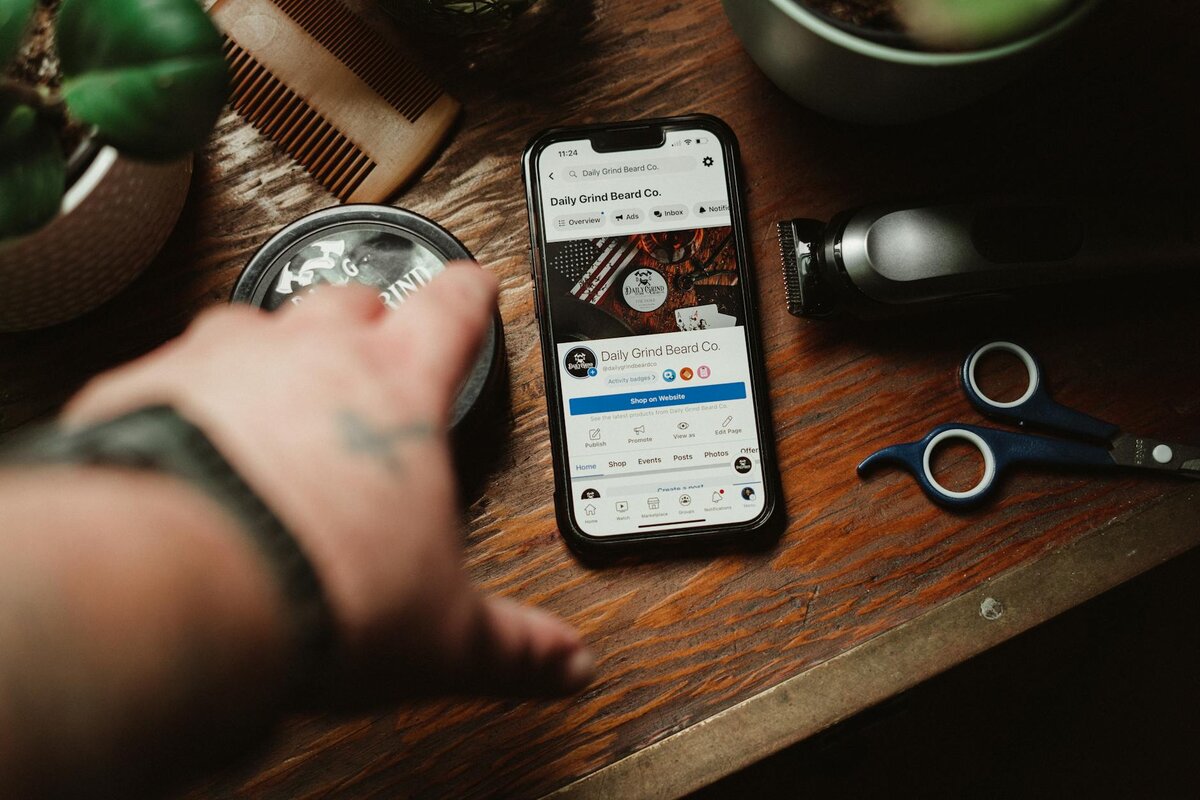
A faceless channel has no person behind it, so on its own it can look like a content farm. A verified entity, by contrast, reads as a media brand. The most effective way to look like a brand rather than a farm is off-platform presence, with accounts under the same name as your channel, cross-linked both ways.
Three to set up:
- Pinterest. Google and YouTube treat it as an image search engine. Re-post your thumbnails there with a link back to the matching video, and they tend to rank in Google Images, adding external impressions that feed views.
- Medium. Turn each video's transcript into a clean, SEO-minded article (an assistant like ChatGPT or Claude can draft it from the transcript) and publish it with your video embedded. This places your content in Google's article and news surfaces and tells Google your channel is a brand with web presence, not just an anonymous upload.
- Facebook, Instagram, and X. The non-negotiable basics under the same brand name.
Then wire it together. Put your YouTube link in the bio of every account, and add each social link in YouTube's channel Links section (Customize channel, then Links, then Add link). If the accounts do not point at each other, the signal is wasted. The rule of thumb: a faceless channel is fine, an anonymous one is not. Make the channel a brand.
Move 4. Add a store to your channel
Link a store to your channel even if you do not intend to sell much. The point is not revenue, affiliates, or dropshipping. It is the signal. A channel with a storefront reads as a real brand to the platform, which reinforces everything in Move 3. If you do not have one, it is quick to set up.
The bottom line
The two 2026 shifts pull in the same direction. The ranking update lowered the barrier for small channels, so the opportunity is genuinely better than it was. The compliance wave raised the bar on how content has to be made and presented: disclosed, verifiable, citable, and attached to a real brand.
The channels that struggle will be the anonymous, undisclosed, generic ones, the easiest for a blunt detector to sweep up, often in batches by niche. The channels that win will answer questions early, speak in specifics, disclose AI honestly, and look like brands across the web.
None of these moves require a face on camera. They require treating a faceless channel like a real media operation, which, under the new rules, is exactly what the algorithm is built to reward.