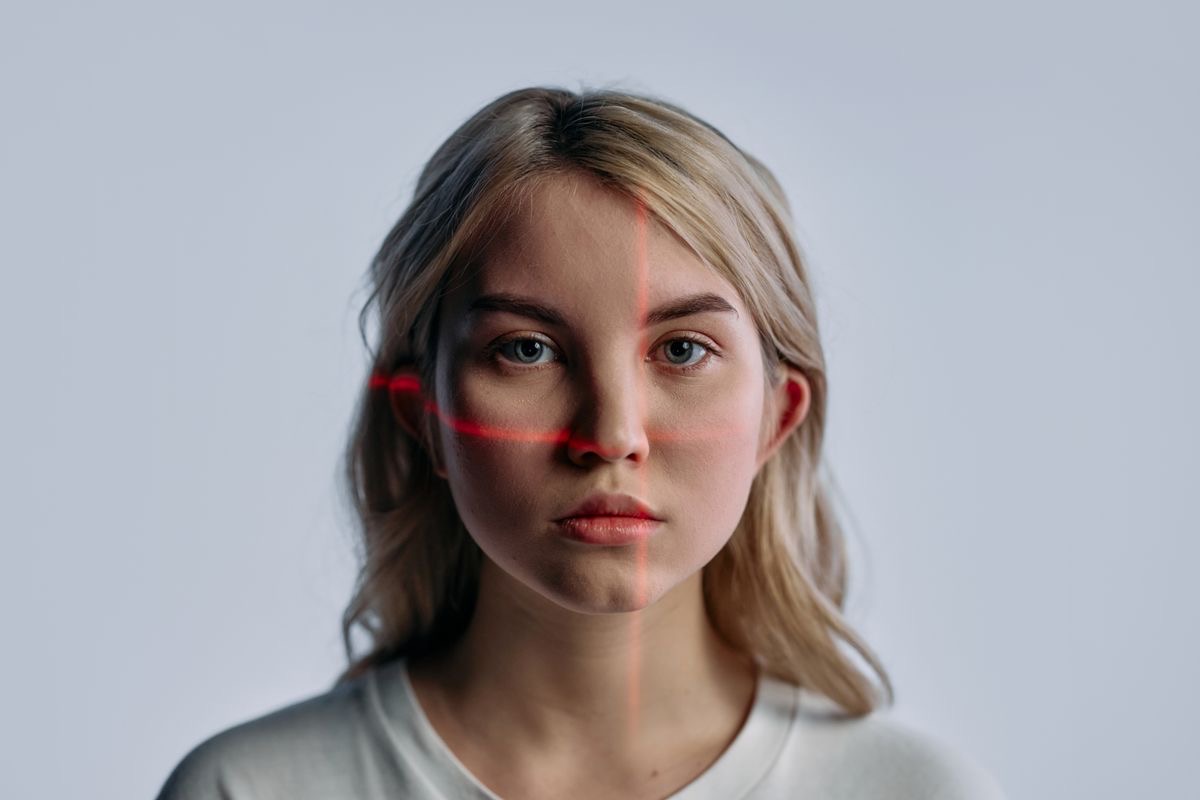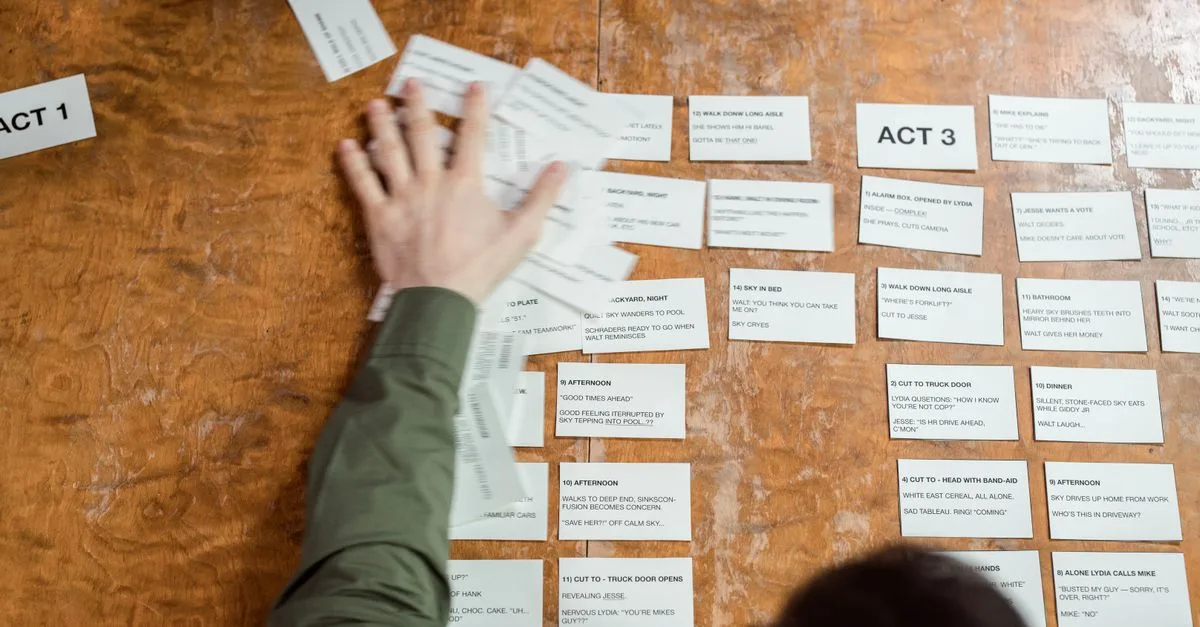
AI video models have no memory. Each clip regenerates your character from scratch, so the face and clothes drift from shot to shot: a different nose here, a changed jacket there. In 2026 the fix is not a better prompt but a repeatable system, where you lock the character with reference images and a written "character DNA," generate short clips, and chain them with first-and-last-frame control. Here is the full workflow and the tools that hold a character best.
This is the production-discipline side of AI video; for the models themselves, see our comparison of the top AI video generators.
Why do AI characters keep changing between clips?
The models generate a stunning single shot, then forget it existed. Ask for "a woman with dark hair" across ten clips and you get ten different women, because a text prompt leaves too much room to interpret. The drift is worst with text-only prompting and loose descriptions, and it compounds across a multi-clip video where the eye expects one continuous person.
Understanding that removes the frustration. You are not fighting a broken tool, you are supplying too little anchoring. The whole job of consistency is giving the model something fixed to hold onto, clip after clip.
The practical cost is reruns. Without anchoring, you regenerate the same shot five or ten times hoping the face lands close enough, which burns both credits and time. Consistency work front-loads that effort into setup: you spend a few minutes defining the character once instead of gambling on every clip. On a multi-scene video, that difference is the whole project timeline.
It is getting better, slowly. Newer models add subject-reference and motion-control features aimed squarely at this problem, and each release drifts a little less. But none of them fully remembers a character across a whole project yet, so the workflow below is what closes the gap in 2026 rather than waiting on the models to solve it.
Build a character DNA first
Before you generate anything, define the character in detail. Vague words invite drift, so trade them for specifics:
- Write a precise profile. "Short black bob" beats "dark hair"; "red canvas sneakers" beats "casual shoes." The tighter the words, the less the model improvises.
- Add a unique anchor. One distinctive detail, a mole or a scar, gives the AI a landmark it rarely drops.
- Make a turnaround sheet. Reference images of the character from the front, side, and back, all with the same features, so any camera angle has a source to match.
Save these as a reusable kit. Once you have a locked character sheet, every future video starts from the same source instead of a fresh roll of the dice.
Lock more than the face. Wardrobe and any signature prop belong in the profile too, since the model drifts on those as fast as on features. If the character wears the same jacket in every scene, name it precisely and show it in the reference images. The same goes for a consistent setting, so the world around the character does not shift while the character stays put.
The kit pays off over time. A creator with a recurring character or brand mascot builds the sheet once and reuses it across every video, which is how faceless channels keep a consistent host without a real person. Treat the character sheet like a brand asset: version it and update it deliberately, rather than letting it drift on its own.
How do you keep the character consistent across shots?
The shift that fixes most drift is moving from text to images. Instead of describing the character each time, feed the model a reference image and let image-to-video carry the likeness forward. Tools with a subject-reference feature take this further: you upload the character once, and the system treats holding that appearance as the priority.
Then keep each shot easy for the model. Generate short clips, since a five-second shot holds consistency far better than a fifteen-second one, and you assemble the pieces in editing. Keep camera moves simple at first, because extreme angles and fast motion invite the AI to reinvent the face. Small, controlled shots beat ambitious ones that come back subtly wrong.
Two smaller levers help once the references are in place. Reuse the same seed where the tool allows it, so random variation stays fixed between generations. And describe the lighting and framing the same way each time, because a warm key light in one clip and a cold one in the next reads as two different scenes even with the same face. Consistency is the sum of these small locks, not one magic setting.
The most common mistake is chasing one perfect long take. Creators burn a day trying to generate a flawless fifteen-second continuous shot when three short clips from the same reference, cut together, would look more consistent and take an hour. Short and controlled beats long and lucky almost every time.
The tools that hold a character best
Not every model is equal on identity. Kling has become the workhorse here, with Elements letting you upload one to four reference images per generation and Motion Control keeping facial identity stable through complex movement. Seedance and Veo also preserve a character well from a strong reference, and Runway adds the editing tools to fix and stitch shots afterward.
Pick by how much reference control a tool gives you, not by raw visual flash. A model that accepts multiple reference images and locks a subject saves you more reruns than one that renders a prettier single clip but forgets the face on the next. Our 4-step workflow for realistic AI avatars pairs well when the character is a recurring on-screen presenter.
One caution: consistency features are moving fast, so the exact tool that wins may shift within months. What stays true is the principle: the model that lets you pin a subject with real reference images beats one you can only steer with words. Test your own character on two or three tools before you commit a whole project to any single one.
What about long, continuous scenes?
For a shot that has to run unbroken, use first-and-last-frame control. You set the opening frame and the closing frame, and the model fills the motion between them, which lets you chain clips so the end of one becomes the start of the next. It is the closest thing to true multi-clip continuity without a manual frame-by-frame pipeline.
Editing hides what generation cannot. When two clips do not match perfectly, a quick cutaway to b-roll or a reaction shot lets you cut back to the character without the seam showing, the same trick live-action editors have leaned on for decades. A hard cut on action also masks tiny inconsistencies that the eye would catch on a slow dissolve.
For everything else, short clips stitched in an editor still win. Generate each beat as its own controlled shot from the same character sheet, then cut them together, and the audience reads a series of consistent short shots as one continuous character. Our guide to long-form AI video methods covers how to assemble those beats into a finished piece.
Want to turn this into a repeatable skill you can sell? Consistency is what separates hobby clips from client-ready work. The Future Tech program teaches AI video production end to end, from a locked character to a finished video.