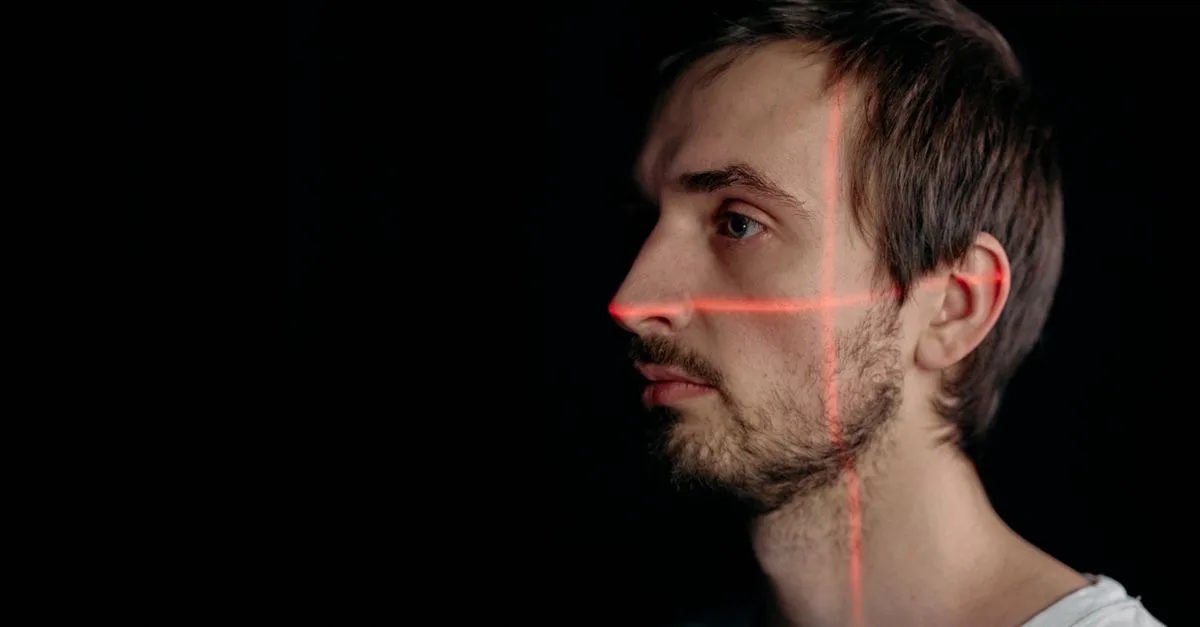
If you put your face or voice online, AI can now copy it. A few seconds of clear audio or a short public video is enough to build a convincing clone, and that clone can end up in ads you never approved or scams aimed at the people who trust you. The good news for 2026 is that the law is finally catching up, and there are concrete steps that lower your risk. Here is what the new rules give you, how to make yourself a harder target, and what to do if you get cloned.
This is the defensive side of the rights we cover from the creator's chair in voice-cloning law and copyrighting AI video.
Can AI really clone your face and voice?
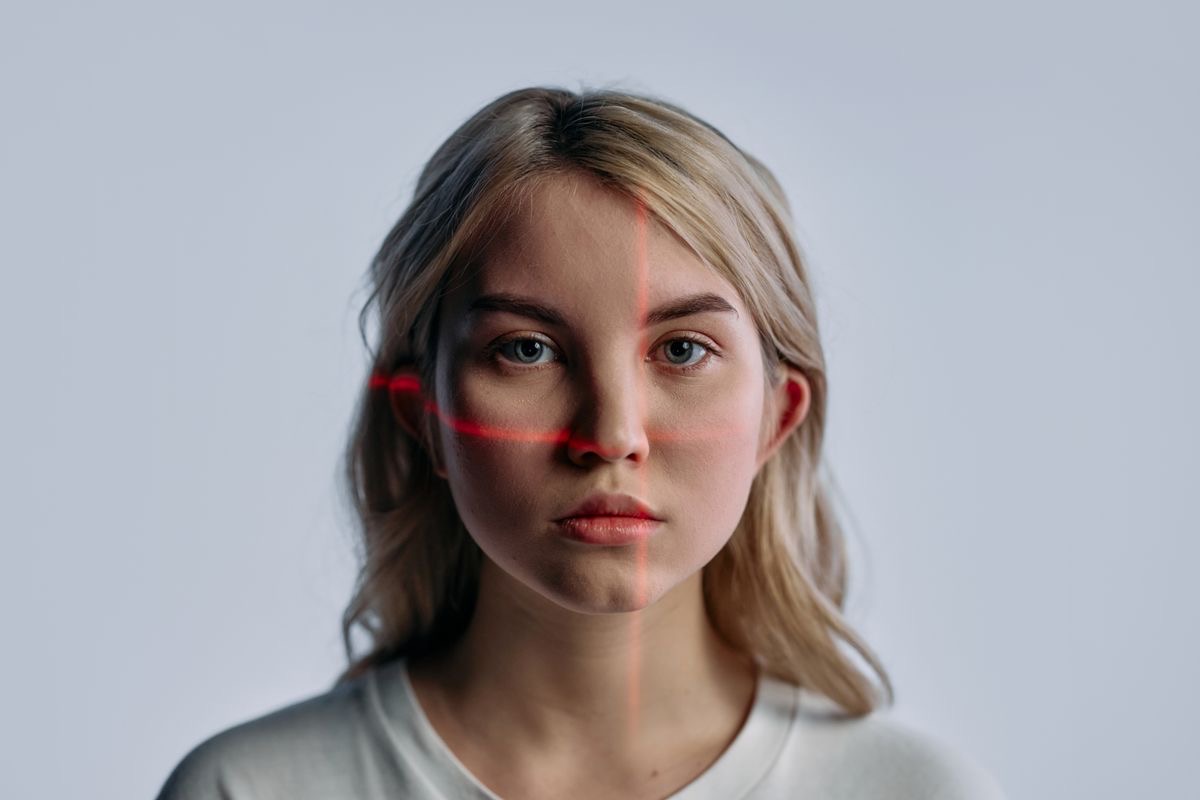
Yes, and more easily than most people expect. Modern voice tools need only three to ten seconds of clean speech to produce a replica that fools casual listeners, and face tools can work from the kind of clear, well-lit video creators post every day. The raw material is usually just your public content, scraped without anyone asking.
What that clone gets used for is the real problem. It can be dropped into a fake endorsement, or turned into content that damages your reputation while wearing your face. For anyone whose living depends on their name and likeness, that is not a hypothetical, it is a business risk worth managing like any other.
Creators are especially exposed because visibility is the job. The more you show your face and share your voice to grow an audience, the more raw material you hand any cloning tool. It is an unfair trade, the same public presence that builds your brand is what makes you easy to fake, but knowing that is the first step to managing it.
What the law now gives you
2026 is the year this protection grew real teeth. The headline is the federal NO FAKES Act, advanced by the Senate Judiciary Committee in June, which creates a right to control AI replicas of your voice and likeness and to sue when someone uses them without permission. It covers ordinary people, not only celebrities.
Underneath it sits a growing patchwork of state law. More than forty-five states now have some deepfake statute, and the strongest, like Tennessee's ELVIS Act, explicitly extend your right of publicity to AI-generated voice and image. Some public figures have even filed trademarks on their own likeness as an extra layer. The practical takeaway is that if you are cloned without consent for commercial use, you increasingly have a real legal basis to act, which was not the case a couple of years ago.
Two caveats keep this honest. The federal bill has advanced but is not fully law yet, so today your strongest tools are often the state statutes where you live or do business. And the laws mostly bite on commercial or harmful use, so a clone made for private parody, or in a country with no such rule, is harder to touch. Rights are improving fast, but they are not yet a wall.
How do you make yourself a harder target?
The law helps after the fact; these habits lower the odds up front:
- Mind your footprint. Every HD close-up and long, clear clip is training data. You do not have to stop posting, but you can think twice about the highest-quality face and voice material.
- Tighten privacy. Restrict who can see personal posts, and prune old public media you no longer need online.
- Monitor your name. Search your name and images every so often to catch misuse early, while it is still small.
- Add provenance. Where you can, publish with content credentials so your real videos carry a verifiable signature.
There is also an impersonation angle that has nothing to do with content. Because a cloned voice is now a scam tool, agree a code word with family and key colleagues, and verify any urgent money or data request through a separate channel. Realism is no longer proof that a call or clip is genuine, so the habit of confirming out of band is worth building now.
One proactive move is worth the small effort: keep clean originals of your key content. If you ever need to prove a video is really yours, or that a fake is not, having the untouched source file with its metadata is strong evidence. Pair that with content credentials on what you publish, and you build a trail a cloned copy cannot fake.
Protecting yourself in contracts and client work
If you create for clients or use AI tools yourself, read the fine print in both directions. When you license your image or hire out, put a clear clause in the contract about what may and may not be done with your face and voice, specifically whether they can be used to train or generate AI. Silence in a contract is where rights quietly leak.
The same care applies to the tools you use. Uploading your own face or voice to a generator can, under some terms, grant that platform broad rights to it, so check what you are agreeing to before you feed a service your likeness. Favor tools that are clear about ownership and that do not claim the right to reuse your data. Protecting your likeness is partly a paperwork habit: say in writing what you allow, and read what others are asking you to allow.
For a small business, extend this to your team and brand. If your company's face is a founder or a named employee, their likeness is a business asset worth the same clauses and monitoring. And brief staff that a realistic video or call from the boss is no longer proof of anything, since impersonation of leadership has become a common fraud.
What if you have already been cloned?
Act quickly and keep records. Screenshot and save everything first, because evidence disappears when content is taken down. Then report it: most platforms now have a route for non-consensual synthetic media, and reporting through it is usually the fastest fix. If it is being used commercially or to defame you, the new state and federal rules give you grounds for a formal cease-and-desist or a claim, and this is the point to talk to a lawyer.
Be realistic about the limits, though. Detection is an arms race: every better detector teaches the next generator what to fix, so no tool catches everything, and takedowns can feel like whack-a-mole. The honest strategy for 2026 is layered: lower your exposure up front, put your permissions in writing, and act fast when something surfaces, rather than trusting any single defense to be enough. The balance is shifting in your favor, slowly: the law and the detection tools are both maturing, and platforms are under growing pressure to act on non-consensual clones faster, so a creator who sets up the basics now is far better placed than one who waits for the tools to be perfect. This is general information, not legal advice; laws vary by country and are changing fast, so check your jurisdiction and consult a qualified attorney for anything serious. Want to work with AI video from a position of knowledge, not fear? The Future Tech program teaches AI content end to end, including the rules of the road. For the other side, using AI voices and video responsibly, see our compliance checklist.