Building an online course used to mean weeks of filming, slides, and editing before you could sell a single seat. In 2026 AI produces the whole video side, lessons, voice, presenter, slides, in a fraction of the time, with teams reporting course content made roughly eleven times faster than by hand. The important catch is that AI produces the format, not the expertise, so the value still has to come from you. This guide covers whether you can really do it, the tool stack, how to build it step by step, and where AI-made courses go wrong.
If you want to appear in the lessons without filming each one, this pairs with using an AI digital twin to deliver them, and once the course exists it becomes one of the digital products you can sell.
Can you really make an online course with AI?
Yes, for the production, and that is the part that used to stop people. AI now writes lesson scripts, generates a presenter and voiceover, builds slides, and assembles video lessons, so the mechanical work that once took weeks collapses into hours. For anyone who had the knowledge but never the time or gear to produce a course, that barrier is essentially gone.
What AI does not supply is the reason someone pays. A course sells because it delivers a real outcome, a skill learned, a problem solved, and that comes from your expertise and how you sequence it, not from the tool. AI can format knowledge beautifully, but it cannot manufacture the credibility or the hard-won insight that makes a course worth money.
So the honest split is this: bring the expertise and the teaching plan, and let AI handle production and packaging. Used that way, a knowledgeable person who was blocked purely by production can finally ship a course. Used the other way, as a shortcut to generate a course on a topic you do not actually know, it produces something students can get free from a chatbot, and they will notice.
What does the AI course-creation stack look like?
A handful of tools cover the whole pipeline, each doing one stage. You do not need all of them, but this is the common 2026 combination:
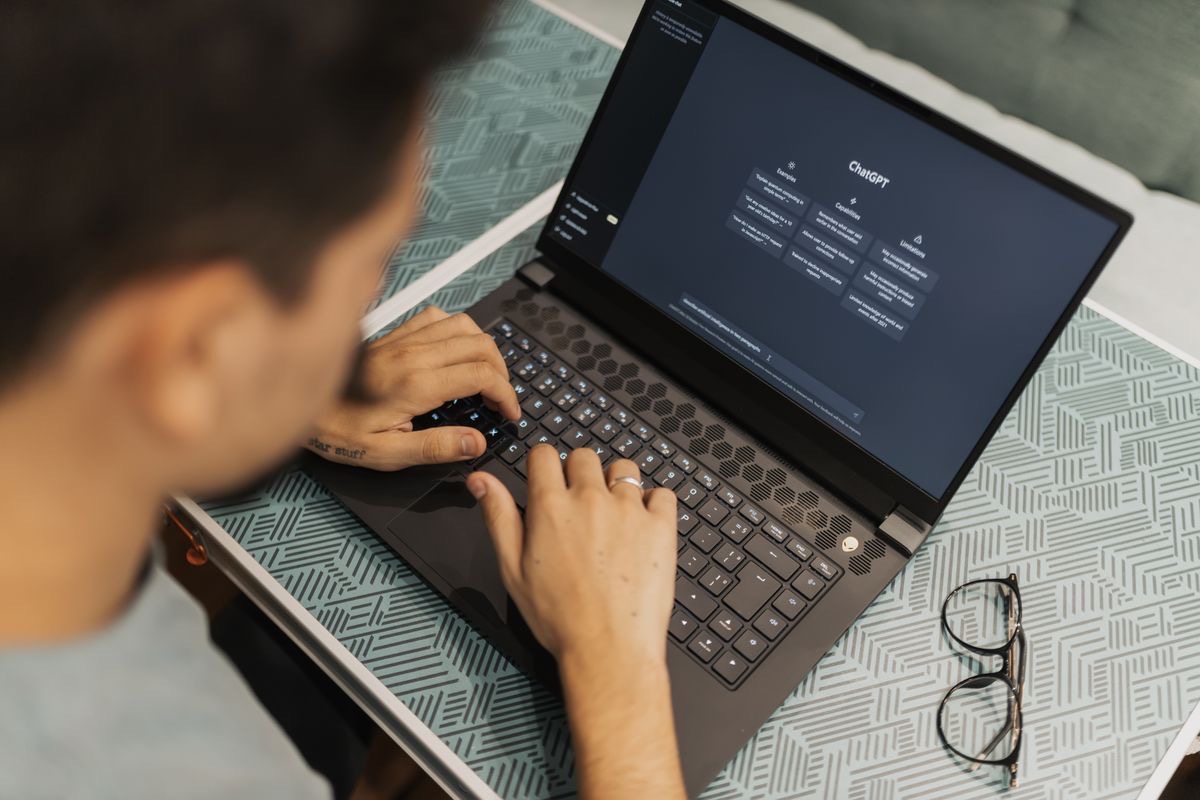
- ChatGPT for structure. Turn your knowledge into a course outline, module breakdown, and lesson scripts, which is the planning that used to eat the most time.
- An AI presenter and voice. Tools like Synthesia generate an on-screen presenter, and a voice tool like ElevenLabs handles narration, so lessons get a face and a voice without a shoot.
- Canva or similar for slides and visuals. AI builds branded slides, diagrams, and thumbnails that carry the on-screen teaching.
- A course platform to host and sell. Teachable, or any course host, packages the lessons, handles payments, and manages students.
The point of the stack is that each stage is now a quick AI step rather than a specialist you had to hire or a skill you had to learn. You move from outline to script to video to slides to a sellable course inside one workflow, which is why the whole thing comes together in days instead of months.
How to build the course step by step
Start with the outcome, not the content. Decide exactly what a student can do after finishing, then work backwards into modules and lessons, because a course organized around a result sells and completes far better than a pile of topics. AI is great at expanding your outline once you have set that direction, and poor at choosing the direction for you.
Then produce lesson by lesson. For each lesson, draft the script from your notes, generate the presenter and voiceover, add slides for the visual points, and assemble the video. Keep lessons short and focused: 2026 research on online courses points to roughly 18 to 22 minutes as the sweet spot for a single educational video, long enough to teach one complete idea and short enough that students actually finish it. Break anything longer into parts.
Finish with the parts AI also speeds up but that decide sales. Use AI to draft the course description, the landing page, and the launch emails, then load everything into your course platform. Review every lesson end to end before publishing, because a wrong term or a flat delivery in a paid course costs you refunds and reviews. The production is fast now; the quality check is where you still spend real attention.
Where AI-made courses go wrong
The failure mode is a course with no reason to exist. Because AI makes producing lessons so easy, the market is filling with courses that just restate general information a student could get free from a search or a chatbot, and those do not sell twice. Thin, generic content is the fastest way to a refund and a bad review.
The second problem is a course that feels like nobody is home. An AI presenter reading AI-written filler with no real voice or example feels impersonal, and learning is partly a trust relationship, so students disengage from a course that never shows a human point of view. Even with AI production, your perspective, your examples, and your story are what keep people watching.
The fix for both is the same: put your genuine expertise and specifics into the content, and use AI only to produce and package it. Add the real case, the actual number, the mistake you learned from, the step most people skip, the things a model cannot invent. A course that pairs your hard knowledge with fast AI production is exactly what the flood of generic AI courses is not, which is what makes it worth paying for.
Is an AI-assisted course worth building?
For an expert who has been blocked by production, absolutely. If you know something people will pay to learn and the only thing stopping you was the time and cost of making videos, AI removes that wall, letting you ship a real course in days and update it whenever your field moves. That speed also means you can test a small course cheaply before investing in a big one.
For someone without real expertise in the topic, it is a trap. AI will happily generate a course on anything, but a course built on borrowed, generic knowledge competes with free and loses, so the tool rewards people who bring something real and punishes those who do not. The barrier moved from production to substance, which is good news if you have substance.
The move that makes it pay off is to treat AI as your production team and yourself as the instructor. Plan the outcome, bring the real expertise, let AI handle the filming, voicing, and slides, and keep a careful eye on quality. Do that and you turn knowledge you already have into a product you can sell for years. Want to build and sell content the right way? The Future Tech program teaches AI video and content production end to end, and pairs with our guide to what AI video actually costs so your course stays cheap to produce and update.