Yes, you can make a full music video from a Suno track without touching an editor. Paste the song's public link into a tool like freebeat or VidMuse, pick a visual style, and it returns a beat-synced video in a few minutes. The AI reads the tempo, mood, and lyrics, then cuts visuals to match. This guide walks the actual workflow, the trade-off between one-click tools and storyboard tools, where the auto-video still breaks, and whether the result is worth posting.
This is a different job from scoring a clip with background music, which we cover in making an AI soundtrack for videos. Here the song is the star and the visuals serve it. It also raises a rights question worth reading before you monetize anything, covered in whether you can legally sell AI music from Suno or Udio.
How do you turn a Suno song into a music video?
The core loop is short. Generate or open your song in Suno, set the track to public so it has a shareable link, then copy that link. Open a Suno-to-video tool, paste the link, and the platform pulls the audio and metadata on its own. From there you choose a look, a rough style like anime, cinematic, retro, or abstract, and let it render.
Most tools analyze the track before they draw a single frame. They detect the beat so cuts land on the rhythm, and they read the song's energy so a quiet verse gets calmer shots than a loud chorus. Many also transcribe the lyrics so the words appear on screen at the right moment. Freebeat, one of the most widely used, returns a full-length beat-synced video in roughly five minutes, and by its own May 2026 figures it had rendered over a billion seconds of AI visuals for more than a million creators, a sign of how routine this workflow has become.
One detail trips people up: the paste-link step only works if your Suno track is public. A private song has no link for the tool to read, so either publish it first or download the audio file and upload it directly, which every one of these tools also accepts. Upload is the fallback when you want to keep a song unlisted while you test video styles.
After the first render you are not done. You get a draft you can regenerate scene by scene, swap the style on, or trim before export. Treat that first pass as a rough cut the machine handed you, not the finished piece.
One-click generators vs storyboard tools
The tools split into two camps, and picking the wrong one for your song wastes the most time. Knowing the difference up front is the single biggest time-saver here.
One-click generators like freebeat and Revid optimize for speed. Paste, pick a vibe, render, done in minutes. They shine for lyric videos, loops, and abstract or performance-style visuals where the images ride the beat and nobody expects a plot. If you post daily and need volume, this is the lane.
Storyboard and agent-based tools like VidMuse work differently. VidMuse plans the whole video first, mapping lyrics to shots to scenes, and tries to hold a consistent character across the runtime instead of throwing fresh unrelated images at every bar. That planning step costs you time and setup, and it pays off when the song tells a story and you want the same person or world to carry through all three minutes.
A simple rule sorts most cases. Want a fast, poster-style visual for a track that is more mood than narrative? Reach for a one-click tool. Want a mini-film where a character moves through a story that matches the lyrics? Accept the slower storyboard flow. Trying to force a story out of a one-click generator is the fastest way to a video full of pretty shots that have nothing to do with each other.
Where the auto-video still falls short
The output is impressive and still visibly machine-made in a few predictable places. Knowing them tells you where to spend your ten minutes of manual cleanup.
Character consistency is the weakest spot. Across a three-minute song the "same" singer or hero often shifts face, hair, or outfit between scenes, which reads as glitchy in a narrative video even when each shot looks good alone. Storyboard tools handle this better than one-click ones, though none fully solve it yet in 2026.
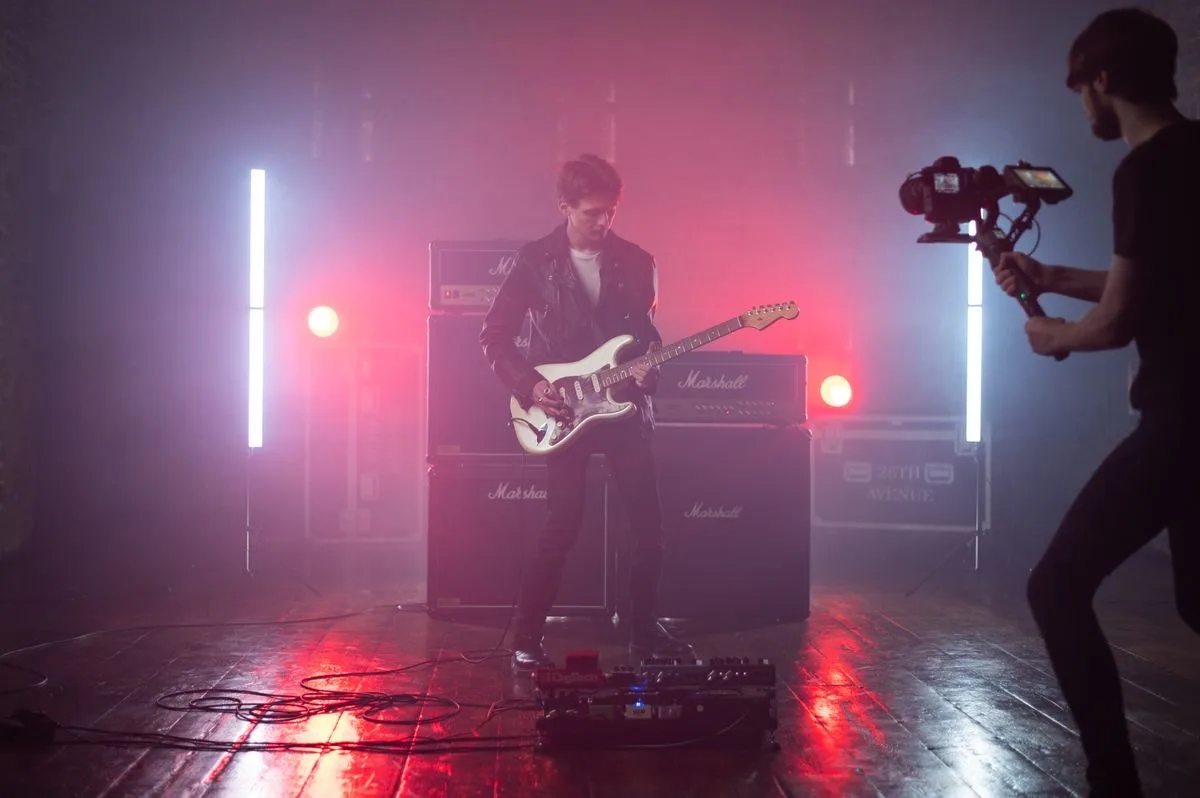
Lip-sync to real vocals is the other gap. These tools sync visuals to the beat well, but matching a mouth to the actual sung words is far harder, so most avoid tight close-ups of a singing face. That is why so many AI music videos lean on performance shots, abstract motion, or fast cuts rather than a talking-head singer, and copying that instinct keeps your video in the tool's comfort zone.
The most common mistake is trusting the auto-cut on song structure. The AI does not always know your chorus is the emotional peak, so it may spend the best visuals on a verse and give the hook a flat shot. Before you export, scrub to your chorus and drop-in and check the video actually rises with the music. Regenerate the few scenes that miss, and you fix the thing viewers feel most.
One more limit is sameness. Because a million creators use the same handful of styles, the default looks are starting to feel generic. Pushing the style prompt toward something specific to your song, rather than accepting the first preset, is what stops your video from looking like everyone else's.
Who owns the AI music video you make?
Two separate rights sit inside one video, and creators mix them up constantly. There is the song, and there is the visual, and they follow different rules.
The music side depends on your Suno plan. Commercial use of a Suno track generally requires a paid tier, and free-tier songs usually carry restrictions on selling or monetizing. The full picture, and the catch about who owns an AI-generated song at all, sits in our guide on selling AI music from Suno and Udio. Read it before you run ads against a video, and check what platforms allow, since YouTube's 2026 rules on AI content decide what you can actually monetize.
The visual side is its own question. AI-generated imagery has thin copyright protection in most places because a work needs meaningful human authorship to be fully protected, so the frames a tool renders for you may not be something you can stop others from reusing. That rarely blocks you from posting or monetizing your own video, but it does mean the visuals are not an asset you fully own the way filmed footage would be. If ownership of the output matters for your business, that limit is worth understanding early.
Is it worth making one?
For musicians and creators posting AI songs, absolutely. A song with no video barely travels on TikTok, Reels, or Shorts, and these tools remove the single biggest barrier, the hours of editing a music video used to take. Turning a track into something postable in minutes means every song you make can actually reach an audience instead of sitting in a folder.
The honest framing is that the tool gets you to a strong draft, not a finished video. The value now is in the quick human pass on top: fixing the chorus visuals, nudging the style away from the preset, and cutting the few scenes that wander. That editorial layer is fast, and it is exactly what separates a video worth watching from the flood of identical auto-generated ones.
Where a full human production still wins is the high-stakes release, the single you are building a campaign around, where consistent characters and a real narrative justify a proper edit. For everything else, the weekly uploads, the visualizers, the lyric videos that keep a channel alive, the AI route is not a compromise, it is simply the sensible way to work in 2026. Want to build this into a real content system? The Future Tech program teaches AI video and music production end to end, from a single track to a full posting schedule. Pair it with our guide to scoring your own videos with AI music and you can produce both the song and its video without an editor.