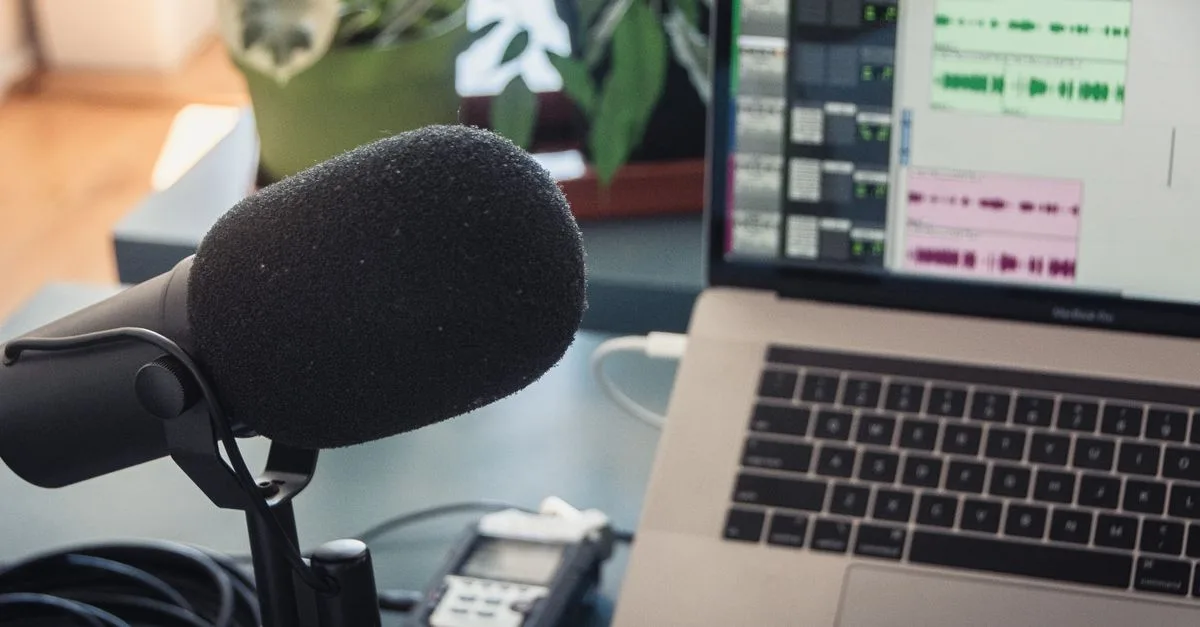
AI voice tools now sound human enough to sell, and the demand for voiceover is everywhere: explainer videos, audiobooks, ads, podcast intros, training modules. That combination makes AI voiceover a real income path in 2026, whether you offer it as a service or build it into your own content. Here is what actually sells, how to price it, the consent line you must not cross, and the honest catch as the tools get easier for everyone.
This is the money side of a tool we cover elsewhere; if you want the legal ground first, our guide on AI voice cloning and the law sets the boundaries this article works within.
Can you actually make money with AI voiceover?
Yes, because you are not selling the tool, you are selling the finished voiceover. A client with a script does not want a subscription and an afternoon of learning; they want a clean, ready-to-use audio file, fast. You provide that, and the tool is just how you make it, the same way a designer sells the design, not the software.
The demand is broad and growing. Video creators need narration, businesses need it for training and explainers, authors want audiobook versions, marketers want ad reads. Most of these buyers used to pay a human voice actor hundreds of dollars and wait days; AI lets you deliver comparable results in hours, which is exactly the gap you sell into.
What changed is realism. Older text-to-speech gave you an obvious robot; the 2026 tools produce natural pacing, breaths, and emotion good enough that listeners often cannot tell. That crossed a threshold: businesses that would never ship a robotic voice will happily use one that sounds human, and that is what turned AI voiceover from a novelty into something people pay for.
The volume of content that needs voice keeps rising too, from the explosion of faceless channels to every business turning documents into video. More content means more narration, and most of it is not worth a professional VO budget but is worth a fast, affordable one. That middle is your market, and it is enormous.
What AI voiceover sells for
The use cases that pay reliably:
- Explainer and video narration. The voice over tutorials and faceless YouTube content.
- Audiobooks and long narration. Turning written books or courses into listenable audio.
- Ads and promos. Short, punchy reads where tone matters more than length.
- Training and e-learning. Corporate modules and course voiceovers, often needed in several languages.
The multilingual angle is a quiet moneymaker: the same content in several languages, from one tool, is something a human voice actor cannot match on cost or speed. For a creator who has built any of these for themselves already, offering it to others is a short step.
Some of these pay far better than others. Audiobooks and long-form narration are volume work with steady rates; ads and branded reads pay more per minute but demand a better ear for tone. Whatever the niche, the quality bar is real: a mispronounced name or a flat, wrong-emotion read gets rejected, so the editing pass is not optional, it is the job.
How do you offer it as a service, and price it?
The service is simple: the client sends a script, you return polished audio. What they pay for is not the raw generation but everything around it, choosing the right voice, directing the tone, fixing the pronunciations AI gets wrong, and delivering a clean, edited file. That editing and taste is the actual product.
Price per finished minute or per project, never per hour, because your speed is the point and hourly billing punishes it. A finished minute of quality voiceover has a market rate you can research; anchor to that, undercut a human studio on turnaround, and the value is obvious. Tools like ElevenLabs and Murf do the generation; your judgment does the selling.
Finding first clients is the usual path: your own network and creators who need narration. Lead with a short sample in the exact style they need, since hearing it decides the sale faster than any pitch. Your edge over a traditional studio is turnaround, so promise a day where they expect a week, and then deliver on it.
The income compounds through repeat work. A client who liked one voiceover comes back for the next video, then the next module, so a single good delivery can become an ongoing stream. Treat every job as the start of a relationship, not a one-off, and the pipeline fills itself over time.
The line you cannot cross
One rule protects the whole business: do not clone a real person's voice without their permission. Cloning a celebrity or anyone recognizable without consent is both a legal problem and a reputation-ending one. Use the tool's own stock voices, or voices you have the rights to, and you stay clear.
Two smaller checks matter too. Confirm the tool's license allows commercial use of its output, since some tiers do not, and disclose AI voice where a platform or the law requires it. None of this is heavy once you know it, but ignoring it can undo everything, which is why our guide to voice cloning and the law is worth reading before you take money for this.
The same care applies to the script's content, not just the voice. If a client hands you a script to narrate, a quick check that it is theirs to use saves you from being the one who published someone else's words at scale. You are lending your delivery to their message, so make sure the message is clean before you press generate.
Is AI voiceover a real income, or a race to the bottom?
Both, depending on how you play it. The raw generation is commoditizing fast, because anyone can type a script into a tool, so competing on "cheap AI voice" is a losing game. The money holds where a human still adds value: direction, editing, reliability, and knowing which voice fits which job.
A realistic picture: someone niches into training-video voiceover, charges per finished minute, and turns scripts around in a day. A handful of repeat business clients on regular content becomes steady monthly income, at margins a human-VO freelancer cannot touch, because the production cost is minutes of tool time. It is not passive, but it is fast, repeatable work that pays.
The mistake is selling the tool instead of the outcome. Anyone can point a client at ElevenLabs; nobody is paid for that. You are paid because you save them the learning curve and the risk of shipping something that sounds off. Frame it as a done-for-you result, not a cheaper way to use software the client could buy themselves.
So treat it as a skilled service, not a button. Niche down, an audiobook specialist or the go-to for training-video voiceover in your language, and you are selling judgment the commodity crowd cannot. Pair it with the other paths, like the product-demo voiceovers creators already need, or turn it into a productized offer alongside your other income streams. Want to build AI media skills that actually pay? The Future Tech program teaches production end to end, voice included.