
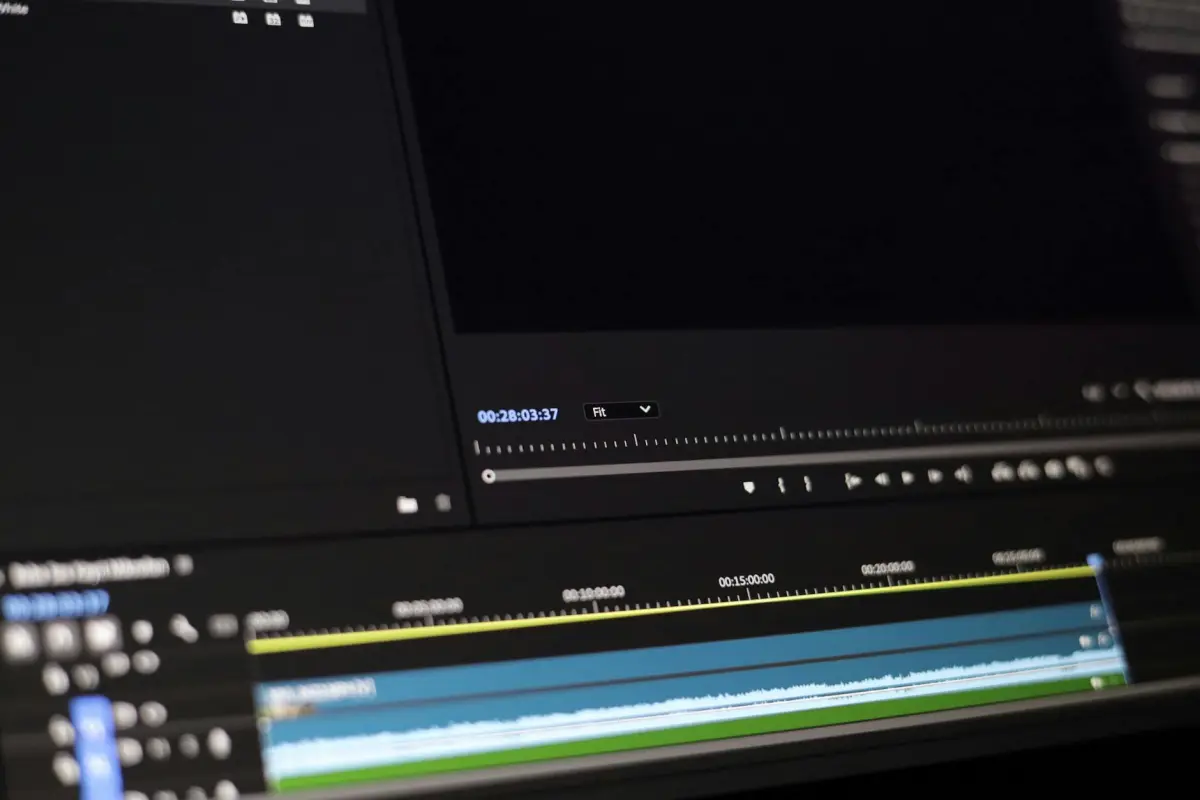
توصية: عند نشر التحويلات سريعة التوجيه آليًا، يظل العرض مركزًا على هذه اللحظات: الممثلون، الحركة، والإطار الحاسم. أنشئ سير عمل يقوم فيه النظام بتحليل المشاهد في الوقت الفعلي ويقترح تأطيرًا يناسب معايير صناعة الأفلام العالية.
من الناحية العملية، تقلل هذه الخطوات من التكاليف وتعزز الثبات: قم بتعيين المشهد باستخدام قائمة لقطات معدة مسبقًا، واسمح للجهاز بتنفيذ حركات تحريك وميل سلسة، وتجاوزها بلمسة سينمائية عندما يدخل الممثلون علاقة جديدة بالإطار. فكر في هذا كتعاون بين المنطق الآلي والإبداع الفني.
تصبح المرئيات أكثر إقناعًا عندما يحافظ النظام على انتباه الجمهور من خلال مواءمة عمليات التحرير مع إيقاعات القصة، واستخدام صور تدعم مسارات الشخصيات، وتجنب انتقالات الاهتزاز التي تسحب المشاهدين خارج اللحظة. أفضل النتائج تنبع من توازن بين الاستجابة السريعة والتوقيت المقيد، مثل مخرج سينمائي متمرس يوجه لقطة بدقة هادئة.
تنخفض التكاليف مع الاعتماد على كاميرات قابلة للتكيف وأجهزة نمطية؛ تتكامل هذه الكاميرات مع منصة واحدة تطبق منطقًا واضحًا على كل مشهد. جرّب هذه النصائح والطرق: قم بإعداد ثلاثة إطارات مرجعية، واسمح للجهاز باقتراح خيار، ثم قم بالتحكيم بفحص بشري سريع؛ والنتيجة هي تسلسل سلس يحافظ على نية الإطار ويدعم الشخصيات المتنوعة وتفاعل المشاهدين.
تحول هذه التحويلات المقاطع الخام إلى سرد متماسك - الصور، والإيقاع، والقطع الملائمة للمحررين تتماشى مع أفضل ممارسات صناعة الأفلام وتحافظ على التكاليف منخفضة.
التحكم في الكاميرا السينمائية AI-WAN
قم بتمكين إدارة عدسة الجهاز في الوقت الفعلي المدعومة بالتعلم الآلي لتثبيت التأطير على الإيقاعات العاطفية للمشهد. استخدم أوامر تعتمد على المطالبات التي تترجم الإشارات إلى تحريك تتبع سلس وحركات سحب مقاسة، مما يرفع النتائج العملية مع تجنب الاهتزاز. قم بتعيين أهداف زمن الاستجابة أقل من 25 مللي ثانية وحدد التسارع بـ 2.5 درجة/ثانية^2 لتحقيق الاستقرار.
قم بتصميم مسارات اللقطات: قم بتطبيق 3-7 إعدادات مسبقة تغطي الحركات الشبيهة بالمدار حول الهدف، مع مجالات قريبة ومتوسطة وواسعة. حدد التوقيت بحيث يتوافق كل مسار مع إيقاع صاعد أو هابط، مما يتيح حساب الإطارات لكل لحظة للحفاظ على إيقاع ضيق. استخدم هذه المسارات لتوجيه انتقالات متماسكة بصريًا والحفاظ على لغة صناعة الأفلام متسقة عبر اللقطات.
التحليل وقياس الأداء: اعتمد على المقاييس المنشورة لزمن الاستجابة، ودقة التتبع، وسلاسة الحركة. استهدف خطأ تتبع أقل من 0.8 درجة وزمن استجابة أقل من 30 مللي ثانية في الأجهزة الفعلية. قم ببناء معيار عملي للضبط المباشر: إذا تجاوز الانحراف الحد، فقم بالتصحيح تلقائيًا من خلال تعديل دقيق قصير بدلاً من إعادة تأطير كبيرة.
التركيز والتأطير الأساسي: أعط الأولوية للمركز العاطفي للمشهد من خلال ترجيح تتبع الهدف والتحكم في عمق المجال. استخدم التثبيت بالقصور الذاتي لتجنب الاهتزاز والاهتزازات الصغيرة، وحافظ على سحب تركيز حاد في اللحظات الرئيسية، وانتقل إلى تغطية أوسع فقط عندما يتطلب الإيقاع ذلك. هذا النهج يحول المظهر إلى ما هو أبعد من اللقطات الخام.
إرشادات التشغيل: حدد أدوارًا واضحة للفرق التالية، وسجل الإجراءات، وراجع النتائج لرفع مستوى العملية. استخدم مكتبة مطالبات موجزة لتسريع الإعداد، وقم بتوثيق زوايا المدار ونقاط التركيز لكل مشهد. ما وراء اللقطات الفورية، تدعم هذه الممارسات التحسين طويل الأجل وترفع جودة كل مشروع منشور.
التعرض والتركيز وتوازن اللون الأبيض في الوقت الفعلي مع AI-WAN
قم بتعيين التعرض الأساسي إلى +0.3 EV وقم بتمكين التغييرات المستمرة مع تحول الضوء؛ قم بالتثبيت بعد التأطير للحفاظ على ثبات التظليل. للمشاهد ذات الإضاءة المختلطة، اسمح بنافذة 3 توقفات (-1.5 إلى +1.5 EV) للحفاظ على الإبرازات على الكائنات والشخصيات مع الحفاظ على نسيج طبيعي في البشرة والأقمشة في معظم الحالات، وتجنب الاقتصاص المفرط للتفاصيل. إليك قائمة مرجعية موجزة للتطبيق في موقع التصوير:
التركيز: قم بتمكين التتبع المدفوع بالذكاء الاصطناعي للحفاظ على نقطة التركيز على الأهداف المتحركة؛ حدد الهدف البؤري (وجه، كائن، أو حافة) بحيث يعطيه النظام الأولوية. بالنسبة للمقاطع المتنقلة من هاتف، ابدأ بطول بؤري مكافئ 50 مم واضبط مع تغييرات الزاوية؛ عند ظهور حشود، وسّع إلى 24-35 مم للاحتفاظ بالأشخاص في الإطار. يجب أن تحدث الانتقالات بسلاسة لتجنب الاهتزاز الذي يكسر التدفق البصري للمخرج.
توازن اللون الأبيض: تعديلات الوقت الفعلي تعوض تحولات توازن اللون الأبيض من الإضاءة المختلطة. قم بتعيين خط أساس محايد حول 5600 كلفن لضوء النهار و 3200-3600 كلفن للتنجستن؛ اسمح للخوارزمية بالتعلم من الإطارات السابقة للحفاظ على درجات لون البشرة والعاطفة، مما يجعل النتائج مقنعة عاطفيًا.
تكامل الأنظمة وسير العمل: عدّ الأشياء يبلغ عن تعديلات التعرض وتوازن اللون الأبيض للحفاظ على ثبات العناصر الرئيسية. الإعدادات المسبقة التالية: ملفات تعريف تقليدية لمظاهر كلاسيكية؛ ملفات تعريف شائعة لمنشورات وسائل التواصل الاجتماعي. توفر الميزات سهولة، لذلك يمكن لمعظم الفرق العمل بسرعة مع الحفاظ على الجودة عبر الرسوم المتحركة والإبداعات؛ تعرف على خطوات إعادة إنتاج إضاءة متسقة في اللقطات المستقبلية.
تتبع الهدف والتأطير التلقائي للقطات الديناميكية
قم بتمكين تتبع الوجه عبر هذه الأهداف وتنشيط التأطير التلقائي للحفاظ على مركز الاهتمام داخل الإطار أثناء الحركات السريعة.
مراقبة تدفقات متعددة من البيانات: إشارات الوجه، والوضعية الجسدية، وسياق المشهد للحفاظ على التكوين عندما تختلط الأهداف بسرعات أو اتجاهات مختلفة. تضمن المراقبة عبر الوسائط أن تتوافق هذه الإشارات مع الوصف وتحديثات المطالبات للتنفيذ.
في الرياضات أو اللقطات الحية، القدرة على توقع الحركة تساعد هذه الأنظمة على استباق التغييرات، مما يسمح للتأطير بالتحرك قبل وصول الحركة. سواء كان الإعداد في الملعب، أو الاستوديو، أو الشارع، فإن نفس نهج التتبع يبقى.
بالنسبة للمشاهد الثابتة، قم بتثبيت هامش أضيق؛ بالنسبة للتسلسلات الديناميكية، وسّع الإطار بنسب مئوية صغيرة للحفاظ على السياق دون التسبب في اهتزاز.
منطق التنفيذ: إذا كانت بيانات الوجه متفرقة، فقم بالتبديل إلى إشارات الجسم؛ إذا حدت الإضاءة أو الإعاقة من الاكتشاف، فارجع إلى التتبع القائم على الحركة. يستخدم النظام التسلسل الهرمي: الوجه أولاً، ثم الجسم بالكامل، ثم حركة المشهد. هذا يسمح للمبدع بالبقاء منخرطًا بينما تدير الأتمتة الجزء الأصعب.
| الإعداد | التوصية | السبب |
|---|---|---|
| أوضاع التتبع | كشف الوجه + الجسم؛ دعم أهداف متعددة | يحافظ على التركيز عندما يتحرك الأشخاص في الإطار وخارجه. |
| اختلافات التأطير | حافظ على الهدف في المنتصف ضمن عرض 0.2-0.4 عرض للإطار؛ إزاحة عمودية حسب الحاجة | يقلل من الانحراف أثناء الحركات السريعة ويحافظ على التوتر. |
| نافذة التنبؤ | 10-15 إطارًا | يسمح بانتقالات سلسة دون قفزات مفاجئة. |
| عتبة الانحراف | 0.25 عرض للإطار | يمنع الإفراط في التصحيح عند الحركة الطفيفة. |
| السقوط | التبديل إلى تتبع أوسع إذا اختفت الإشارات | يحافظ على الحضور حتى في الإضاءة المنخفضة أو الإعاقة. |
ابدأ بخط أساس محافظ وقم بتشديد العتبات تدريجيًا مع فهم ديناميكيات الطاقم والهدف. يجب معايرة نظام المراقبة للمكان، مما يسمح للمبدع بالحفاظ على مظهر متسق عبر المشاهد. يجب على المشغل مراجعة النتائج الأساسية خلال الجلسات الأولية.
تقليل التشويش والأداء في الإضاءة المنخفضة في وضع الذكاء الاصطناعي
توصية: قم بتمكين تقليل الضوضاء القائم على الفيزياء باستخدام الاندماج الزمني وحافظ على ISO عند 800 أو أقل. هذا التعديل البسيط يقلل من الضوضاء بنسبة تصل إلى 60٪ في الإضاءة المنخفضة مع الحفاظ على النسيج الدقيق في الأقمشة ودرجات لون البشرة. يسمح النظام المصمم للتحليل الأمامي للمحرك بالحفاظ على تعرض طبيعي مع بقاء التركيز التلقائي قويًا واستمرار موثوقية تتبع الهدف.
في وضع الذكاء الاصطناعي، يعتمد تقليل الضوضاء على التحليل المكاني الزمني: تقليل الضوضاء المكانية يحافظ على الحواف، بينما يقلل الاندماج الزمني من التحبب. يساعد هذا النهج مخرج التصوير السينمائي على إبقاء الاهتمام على أهدافه، مع طلب ألوان ونسيج حاد، وتجنب تحولات الألوان تحت الإضاءة المختلطة. يستخدم المحرك نمط عينات دائري حول كل مسار لمقارنة الإطارات، مما يوفر نتائج واضحة حتى عندما تتحرك الأهداف بسرعة.
تتصرف الضوضاء مثل مجالات هيغز في المستشعر؛ يتعلم وضع الذكاء الاصطناعي توزيعها ويطرحها مع الحفاظ على الإشارة الحقيقية. نتيجة لذلك، يظل النسيج طبيعيًا في الأقمشة والبشرة وسماء الليل؛ الكثير من الضوضاء المتبقية تكون دقيقة الحبيبات وأسهل في التصحيح. يساعد هذا النموذج المستوحى من الفيزياء في الحفاظ على الدقة عبر المشاهد التي تندر فيها الإضاءة. يحترم هذا النهج فيزياء الضوء، مما يعطي مظهرًا طبيعيًا.
للحصول على مواضيع ومشاهد متنوعة، صاغ وصفًا موجزًا وموجهًا لوصف الإضاءة والحركة والمزاج. يقوم النظام بعد ذلك بتتبع كل موضوع، مع إعطاء الأولوية للوجوه والشخصيات، مع الحفاظ على إشارات الحركة الدائرية والتفاصيل الدقيقة. يبقى التركيز التلقائي مستجيبًا، ويتيح لك الوصف اختيار مدى قوة إلغاء التشويش، مع موازنة قمع الضوضاء مقابل النسيج. تعتبر اعتبارات الترخيص مهمة: تأكد من أن وبرامج الترميز ووحدات المعالجة المستخدمة في السلسلة تتضمن الترخيص المناسب، مع الحفاظ على دقة الألوان والاستخدام القانوني. يظهر تحليل النتائج مكاسب متوسطة في نسبة الإشارة إلى الضوضاء (SNR) تبلغ 3-7 ديسيبل عند ISO 1600 عندما تتم إدارة التعرض بشكل متحفظ؛ عندما تتضمن المشاهد موضوعات متعددة، تظل المكاسب عبر المسارات. تخبر الإبداعات من مطالبات النص الذكاء الاصطناعي بموازنة المناطق الأكثر هدوءًا والإبرازات الساطعة، مع إحداث القليل من الضوضاء حتى في اللحظات عالية التباين. فحوصات عملية: قم بمعاينة النتائج باستخدام نظرة سريعة، وضبط النموذج المستقبلي، واحتفظ بشخص بشري في الحلقة عند الضبط. تساعد هذه الخطوات المصور السينمائي في الحفاظ على انتباه السرد، مع ضمان بقاء كل شخصية واضحة وظل المزاج أصيلاً. يؤكد سجل المسار عبر الموضوعات على موثوقية النهج في ظروف الإضاءة المنخفضة.تدرج الألوان ومطابقة LUT باستخدام إعدادات AI مسبقة
ابدأ بتحميل تدرج مرجعي من لقطة تمثيلية وتطبيق إعدادات AI مسبقة تعكس LUT الأساسي عبر المشاهد. توضح الأمثلة كيف يقوم النظام بمحاذاة الظلال والنغمات الوسطى والإبرازات عبر اللقطات والمشاهد. تستعلم البيانات من كل التقاط عن التعديلات تلقائيًا: التعرض، وتوازن اللون الأبيض، وجاما، وقوة LUT، بينما تصف ملاحظات النص المقصود الذي يوجه المطابقة مع المظهر المرجعي. يمكن لفرق الإخراج الاعتماد على إعدادات AI المسبقة لموازنة التدرجات عبر الحركات والمشاهد مع الحفاظ على نية الفنان. باتباع نص منضبط وسير عمل تقليدي، قم بمطابقة تدرجك الرئيسي مع إيقاع القطع، مع ضمان الاتساق بين الحركات السريعة والإيقاعات الأبطأ. تشمل نقاط البداية الشائعة سلمًا ثلاثي الخطوات: تدرج أساسي، وتدرج ربط، ودفع إبداعي. يتطلب الإتقان مظاهر وخيارات إصدار مختلفة؛ استخدم التنبيهات للإشارة إلى القصاص، أو انحراف الألوان، أو عدم المطابقة. توفر اختبارات ميدانية بيانات حول كيفية سير التنفيذ في ظل الإضاءة المختلفة؛ تتيح لك حقول الوصف وملاحظات النص الحفاظ على خطة اللعبة متوافقة، مما يساعدك على الحفاظ على المظهر متسقًا عبر اللقطات. توضح الأمثلة من الإنتاجات الرائدة كيف تسرع التكنولوجيا التقارب بين النغمات، مما يضمن إنهاءً متماسكًا عبر التسلسلات.إعدادات الموقع، ودليل البدء السريع، ونصائح سير العمل العملية
اختر طول بؤري حوالي 28-35 مم لمعظم الإعدادات لموازنة الحميمية والسياق الأوسع. قم بتكوين معدات التصوير باستخدام قاعدة مستقرة، وجيمبال مدمج، وقضيب ملحقات مدمج للحفاظ على الحركات نظيفة وقابلة للتكرار. يجب التقاط نية المخرج من خلال التعمد؛ يترجم النظام الإشارات إلى تصوير متسق عبر لقطاته ويحدد أفضل مثال لكل لقطة. يحدد هذا النهج الشعور وكفاءة سير العمل، مما يتيح لفرق المنشئين تقديم نتائج مذهلة عبر كاميراتهم، سواء في مواقع فعلية أو في استوديو خاضع للرقابة. يجب أن يكون الإخراج صورًا عالية الجودة. ضمن سير العمل، يمكن ضبط الموجهات لتتناسب مع أسلوبهم.- البؤرة والتأطير: اضبط القيمة الافتراضية 28-35 مم، مع ملاحظة نسبة الموضوع إلى الخلفية، وتقييم تعقيد الخلفية؛ قم بإعداد خيار ثانوي للمظاهر الأقرب أو الأوسع عندما يكون التعقيد مرتفعًا.
- إعدادات الريج: استخدم قاعدة مستقرة (حامل ثلاثي القوائم أو حامل) للقطات الثابتة، وريج يدوي خفيف للحركات. يجب على المشغل التأكد من تفعيل التثبيت المدمج حيثما كان متاحًا.
- تصميم الموجهات: قم بصياغة مكتبة موجهات قصيرة تصف الإضاءة والحركة والتركيب. قم بتضمين لغة خاضعة للرقابة لتقليل الغموض. تساعد الموجهات على مستوى المثيل في تثبيت المظهر عبر اللقطات.
- محاذاة نية المخرج: حدد جملة واحدة تصف النية لمشهد؛ استخدمها كمرجع لجميع الموجهات والحركات. يجب أن تترجم النية إلى معلمات قابلة للتنفيذ يمكن للطاقم اتباعها.
- الإضاءة والتعرض: خطط باستخدام أضواء عاكسة ومرايا؛ اضبط أهداف التعرض وحافظ على الاتساق عبر المشاهد.
- السلامة وانضباط سير العمل: حدد مناطق واضحة لحركة المعدات والممثلين؛ قلل من الإرهاق عن طريق ضبط وتيرة اللقطات وتسجيل البيانات للمراجعة لاحقًا. قم فقط بتسجيل البيانات التي تساعد؛ السجلات غير الضرورية تبطئ الطاقم.
- يمكن لغير الخبراء تحقيق نتائج احترافية بالاعتماد على الموجهات والقوالب. قم ببناء مجموعة قصيرة ومركزة من الموجهات التي تحدد تأطير كل لقطة وحركاتها وإضاءتها، ثم أعد استخدامها عبر كاميراتهم.
- يتم بناء الاتساق عن طريق تسجيل مصدر حقيقة واحد لكل تسلسل. استخدم سجل مثيل لتسجيل أي مجموعة موجهات واختيار بؤري حدد كل لقطة.
- تتطلب الرياضة والحركة السريعة عتبات قرار أعلى؛ قم بإعداد خطة إضاءة عالية التباين وريج مستقر للحفاظ على الحركات ضمن النطاق المقصود.
- حلقة التغذية الراجعة: قارن كل لقطة بالسياق الأوسع ضمن المشهد لضمان تطابق كمية التفاصيل مع ما يتطلبه السرد. كرر الموجهات لتقليل الفجوة.
- الكفاءة تفوز: حافظ على الموجهات موجزة ودقيقة؛ إذا كانت حركة الموضوع متوقعة، استخدم موجهًا واحدًا مع متغيرات اختيارية لتغطية الحركات الشائعة.
- التحليلات: بعد الجلسة، قم بإجراء مراجعة سريعة لتحديد الموجهات التي حددت أفضل الصور. هذا يحدد أفضل الممارسات للجلسة التالية.




