You can now record a two-minute video of yourself, and an AI will produce a clone that delivers any script in your face and voice, in dozens of languages, without you ever filming again. That clone is called a digital twin, and demand for it jumped sharply in early 2026 as creators and founders looked for a way to stay the face of their brand without spending every day on camera. This guide covers what a digital twin is, why you would clone yourself instead of using a stock avatar, how to make one, and where it falls short.
A twin is the personal version of the AI spokesperson avatar idea, and because it copies your real face and voice, the consent and likeness rules in our voice-cloning law guide matter more, not less.
What is an AI digital twin?
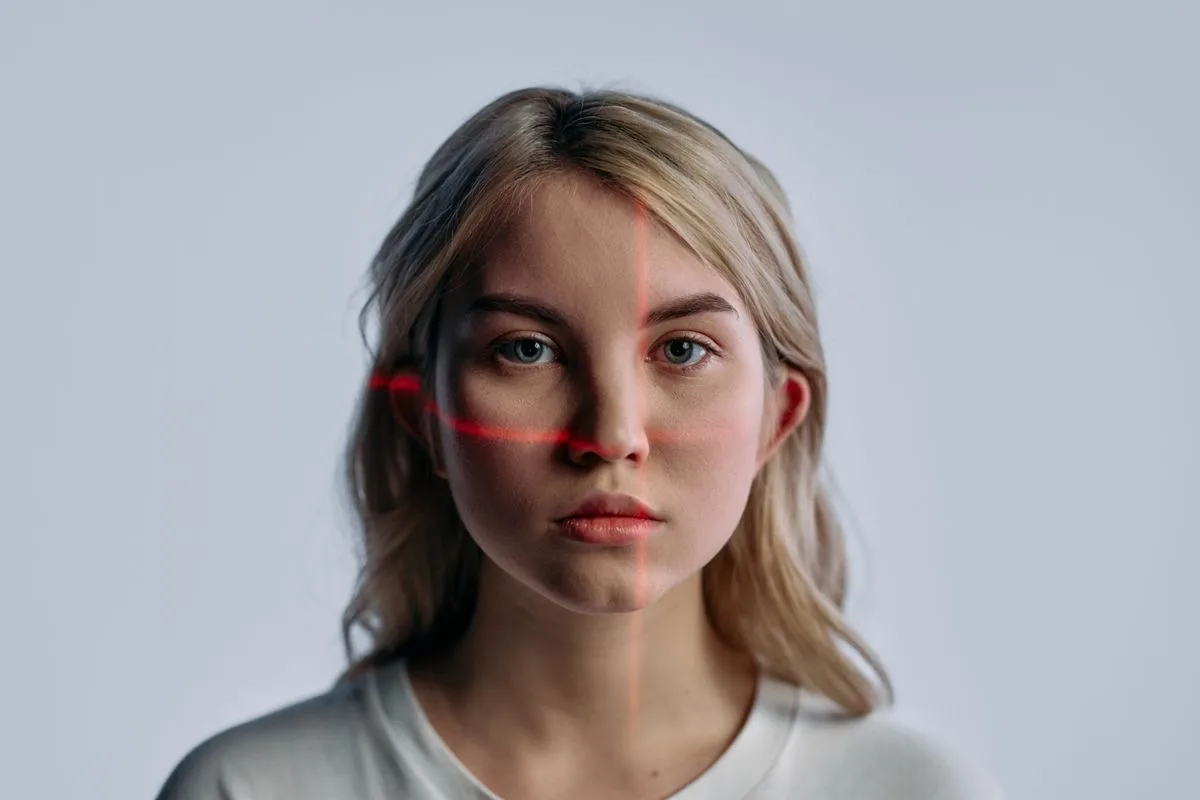
A digital twin is an AI clone of a specific real person, you, built from a short sample of your face and voice. Where a generic avatar is a stock presenter no one recognizes, a twin looks and sounds like the actual you, so a viewer who knows you sees you. Tools like HeyGen now build one from a two-minute video or even a thirty-second phone scan, capturing your appearance, your voice, and some of your mannerisms.
Once it exists, you drive it with text. You type or paste a script, and the twin performs it on camera as if you had filmed it, which means the slow part, setting up, recording, re-recording, editing, disappears. The output is a video of you that you never actually shot.
The capability jumped in 2026, which is why this is worth attention now. Twins gained sharper realism, instant voice cloning, and even real-time versions that can hold a live conversation, and demand for AI avatars rose roughly 140 percent in the first quarter alone, driven largely by companies wanting one spokesperson who can speak every market's language.
Why clone yourself instead of using a stock avatar?
Because for a personal brand, the face is the point. If your audience follows you, a generic AI presenter breaks the connection, while your own twin keeps it, so you get the time savings of an avatar without swapping out the person people actually came for. A stock avatar says "some company"; your twin says "me."
This is exactly the split between a twin and a plain spokesperson avatar. A small business with no personal brand can happily use a generic presenter, and our spokesperson guide covers that path. But a creator, coach, founder, or educator whose name and face are the product needs the clone to be recognizably them, which is what a digital twin delivers and a stock avatar cannot.
The scaling win is the multilingual one. Your twin can deliver the same message in many languages in your own voice, so you reach audiences you could never film for, turning one recording into a global presence. That pairs naturally with a full localization workflow, and it is the main reason companies drove that spike in demand.
How to create and use your twin
Setup is short and only happens once. You record a clean sample, a couple of minutes of yourself talking to camera in good light with clear audio, and the tool builds your twin and clones your voice from it. The better that sample, the better every future video, so it is worth doing carefully even though it is quick.
After that the loop is just scripting. You write what you want to say, pick a language, and generate, and the twin returns a finished video of you delivering it. The natural uses are the repetitive, high-volume content that eats a creator's week: course lessons, product updates, weekly explainers, social clips, and localized versions of all of them. It shines exactly where filming the same kind of video over and over is the bottleneck. A course creator, for instance, can script twenty lesson updates on a Friday and have the twin deliver all of them by Monday, in English and Spanish, without booking a single hour in front of the camera, which simply was not realistic before.
One habit keeps the quality up: review every output before publishing. A twin can misread a name, flatten an emphasis, or land an odd expression, so a quick watch-through and a regenerate on the weak lines is the difference between polished and off. Treat the twin as a fast first take you approve, not an auto-publisher.
Where a digital twin falls short
It is convincing, not alive, and the gap shows in a few places. Spontaneity and real emotion are the hardest to fake, so a scripted twin can feel slightly flat on content that needs genuine reaction, humor, or vulnerability. For a heartfelt message or a live moment, the real you still wins, and audiences can sense the difference on anything emotional.
Trust is the bigger risk. If viewers discover that videos they thought were you were an AI clone and you never said so, the sense of being deceived can cost you the relationship. The fix is to be open that some of your content uses your AI twin, the same honesty principle that applies to any AI content, treated as a normal production note rather than a secret.
Then there is protecting the clone itself. A twin is your likeness and voice, which is valuable and forgeable, so guard the account, and understand that the same synthetic-media technology lets bad actors clone people without consent. Because it is built on your real face and voice, the legal and consent side matters more than with a generic avatar, which is why it pays to know your rights before you put a clone of yourself online.
Is a digital twin worth it?
For anyone who is the face of their work and is bottlenecked by filming, yes. If your growth is capped by how many videos you can personally shoot, a twin lifts that cap, letting you publish more, in more languages, without cloning your schedule along with your face. That edge is real for creators, educators, and founders who cannot be everywhere.
For everyone else it is optional. If you do not rely on your personal presence, a generic avatar or ordinary AI video is simpler and carries none of the likeness risk, so the twin is worth it specifically when being recognizably you is the value. Match the tool to whether your face is actually part of the product.
The way to keep it honest and effective is to treat the twin as an extension of you, not a replacement for you. Use it for the repetitive, scalable content, keep your real presence for the moments that need it, disclose that you use it, and review what it produces. Do that and cloning yourself becomes a genuine multiplier rather than a gimmick that erodes trust. Want to build AI video into your brand the right way? The Future Tech program teaches AI video production end to end, including avatars and voice, so you scale your presence without losing the audience's trust.