
التوصية: ابدأ بسير عمل جاهز للنشر يستخدم طبقة تعليق مستضافة بواسطة صورة رمزية بدلاً من تصوير وجوه جديدة. استخدم مقاطع أصلية كأساس لك، وحافظ على توازن الحجم، وقم بتطبيق إشارات التكبير للتأكيد على لحظات الرد. استخدم برنامجًا يدعم مولدًا للتجميع السريع، وحافظ على كل شيء جاهزًا للنشر عندما تكون راضيًا.
نصيحة الكفاءة: قوالب معدة مسبقًا في البرنامج: مضيف صورة رمزية، وطبقة ثانية للتعليق، وخط أساس حجم ثابت للخلفية. يمكن للمولد معايرة نقاط القطع واكتشاف اللحظات لتطبيق تمويهات خفية حول المقدمة. عند الحاجة، اضبط يدويًا لمزامنة النكات مع إصدار إطارات جديدة في فيلمك.
استراتيجية المشاركة: حافظ على اتساق شخصية المضيف لجذب المشاهدين عبر مقاطع متعددة. لكل جزء، عين قوس إنتاج واحد: خطاف، بناء، مكافأة. حول عادات الجمهور الحالية عن طريق الإشارة إلى لحظة أصلية ثم العودة إلى جوهر الموضوع. بمجرد إتقانك للإيقاع، قم بتصدير الملف في حزمة جاهزة للنشر تتضمن البيانات الوصفية، والتسميات التوضيحية، وصورة مصغرة تلمح إلى لحظة الفيلم دون الكشف عن المفسدين.
ضوابط الجودة: تحقق من كل تصدير مقابل قائمة مرجعية: اتساق الألوان، مستويات الحجم، ودقة التسميات التوضيحية. يستخدم النهج لقطات موجودة حيثما أمكن، مما يحافظ على كفاءة العملية للمبدعين الذين يرغبون في نشر قطع متعددة في دورة إنتاج واحدة. بمجرد ترتيب الأجزاء، يوفر خط الإنتاج حزمة جاهزة للنشر مناسبة للتوزيع، تغطي كل شيء يتوقعه جمهورك.
سير عمل مبسط، وقوالب، وخيارات صوت AI لإنشاء مقاطع فيديو رد فعل سريعة
التوصية: اعتماد سير عمل معياري مع قوالب قابلة لإعادة الاستخدام وخيارات صوت تعمل بتقنية آلية لتوسيع نطاق الإنتاج عبر القنوات، مما يسمح للفرق بتقديم مقاطع أصلية وجذابة تجذب الجماهير في تنسيقات قصيرة. يدعم هذا النهج الكتاب الذين يصوغون نسخًا موجزة، ويضيفون تسميات توضيحية وتراكبات صوتية، وينتهون بشكل أسرع من الطرق التقليدية.
- قوالب وأصول
- احتفظ بمكتبة كتل رئيسية للمقدمة، والتعليق الجسمي، والخاتمة؛ قم بتخزين عناصر نائبة مثل [خطاف]، [سياق]، [دعوة لاتخاذ إجراء] ليتمكن الكاتب من إدخال مواد جديدة بسرعة، وإنتاج مقاطع أصلية بلمسة نهائية متسقة.
- جهز أغطية مصغرة وإطارات غلاف جذابة ومرئية بأحجام صغيرة؛ قم بتضمين الطباعة، وموضع الشعار، وقواعد الألوان للبكرات والمنشورات القصيرة.
- قم بفرز الأصول لإضافة التسميات التوضيحية والتراكبات؛ قم بتمييز كل عنصر بالمصدر (المصدر) وملاحظات الترخيص لتسريع الوصول عند الطلب.
- خيارات الصوت والتكنولوجيا
- استخدم محركات تحويل النص إلى كلام مع إعدادات نغمات مسبقة لتتناسب مع أجواء القناة؛ اختبر الأصوات عبر لغات للوصول إلى جمهور عالمي؛ هذا مفيد بشكل خاص للمبدعين الذين يتنقلون في الأسواق متعددة اللغات.
- قم بمعايرة مستوى الصوت والإيقاع للحفاظ على الوضوح؛ استهدف مستويات الصوت للمنصة وتأكد من وضوح الرسالة الرئيسية حتى على الأجهزة الصغيرة.
- استخدم الإعدادات المسبقة للتبديل بين الصوت الأصلي والخيارات الاصطناعية؛ مدعومة بتكنولوجيا سحابية لتكرار سريع.
- حتى التعديلات الصغيرة في التأكيد يمكن أن تحسن المشاركة؛ يتيح لك أكثر من خيار واحد تخصيص الصوت لمواضيع وقنوات مختلفة.
- سير عمل الإنتاج القصير
- سجل التعليق في لقطة واحدة قدر الإمكان؛ استخدم فجوات الانتظار لإدراج مواد المصدر (المصدر) والحفاظ على الإيقاع الأصيل.
- أتمتة إضافة التسميات التوضيحية والنصوص على الشاشة؛ تسرع التراكبات الرقيقة والثالث السفلي التحرير وتحافظ على إبلاغ المشاهدين.
- قم بتمرير التسلسلات مع التكبير والقصات السريعة لتحديد إيقاع القصة؛ قم بتصدير لفة من المقاطع بأسلوب مصغر متسق للبكرات والمنشورات القصيرة.
- قم بتصدير مسودة أولاً لاختبار الأداء مع جمهور صغير؛ اجمع التعليقات قبل طرح أوسع.
- يجب تتبع جلسات التسجيل لتتماشى مع فتحات القوالب؛ سيساعد هذا المبدعين على اختبار الخطافات وصقل الإيقاع.
- التحرير والتحسين
- حافظ على الإطارات الجذابة في اللحظات الرئيسية؛ تسلسل قصير من التكبير والإيقاعات القصية يحافظ على الانتباه بشكل أفضل من الإطارات الثابتة.
- قم بتطبيع الصوت وضبط مستوى الصوت؛ تأكد من أن المسار الرئيسي يهيمن ولكن الصوت المحيط يدعمه؛ اختبر على سماعات الرأس وسماعات الهاتف المحمول.
- قم بتطبيق إعدادات مسبقة لتدرج الألوان لمظهر متسق عبر قنوات المبدعين.
- التوزيع والمشاركة
- انشر عبر القنوات لزيادة مدى الوصول؛ صياغة عناوين موجزة وخطافات نسخ محسنة لتحسين النقرات والظهور.
- قم بالترويج للمقاطع كبكرات ومحتوى قصير؛ حفز التعليق بأسئلة بسيطة لزيادة المشاركة المرئية.
- راقب التعليقات والمشاركات؛ استخدم نتائج الاختبار لتوجيه تعديلات القوالب وتحسين المخرجات المستقبلية للمبدعين.
- فحوصات الجودة والتحليلات
- قم بإجراء فحوصات إمكانية الوصول: تسميات توضيحية متزامنة، خطوط قابلة للقراءة، وتباين ألوان كافٍ.
- مراجعة المقاييس: معدل اكتمال المشاهدة، متوسط مدة المشاهدة، ومعدل إعادة التشغيل؛ اضبط القوالب وإعدادات الصوت بناءً على البيانات.
قوالب نصوص سريعة لردود فعل أصيلة

أنهِ نصًا جاهزًا للنشر في دقائق باستخدام قالب مضمن: خطاف، لحظة، نبضة رد فعل، استنتاج. تنقل عبر هيكل بسيط ومرئي ليتمكن المحررون من الموافقة بسرعة، وتأكد من أن عدد الكلمات يبقى محدودًا.
توجد قوالب لكل نوع رد فعل: أ - تعليق خفيف، ب - نقد حاد، ج - مزحة مرحة. كل قالب يعين مهام مثل استدعاء قص، ووضع إيقاف مؤقت، وإضافة مؤثرات، مع إمكانية التعديل ليناسب صوتك.
استخدم التكنولوجيا لتسريع الإنتاج: عبارات معدة مسبقًا، موجهات مجهزة، كتل جاهزة للتعديل. استخدم صورًا رمزية متعددة ومتحدثين على الشاشة لإظهار زوايا مختلفة من رد الفعل، وربط المقاطع، وإضافة فقاعة كلمات واضحة للتأكيد على اللحظات.
إعادة استخدام الإطارات الموجودة عبر مواضيع مختلفة تحافظ على حداثة المحتوى مع تقليل وقت الإعداد. يظل كل مثيل نص جاهزًا للتعديل؛ احتفظ بحقول قابلة للتعديل لتغييرات النغمة والإيقاع والإشارات، لتتمكن من الإنهاء بسرعة والنشر.
نصائح تشغيلية لتسريع المهام: قم بإنشاء مسبقًا مكتبة من عبارات الخطاف، وعناصر نائبة للأرقام والحقائق، وعبارة دفع عالمية. يقوم الزر الموجود على لوحة المحرر بالتبديل بين الكتل، مما يتيح لك تبديل المشاهد في ثوانٍ.
فحوصات الجودة والإيقاع: استهدف 60-90 ثانية؛ حافظ على ارتفاع الطاقة طوال مدة المشاهدة، وتأكد من وصول كل نبضة، وقم بتقليم العناصر المملوءة. قم بتمييز المشاكل في الملاحظات وتعديل الانتقالات قبل المرور النهائي.
مقاييس الأداء: تتبع مدى الوصول من التعليقات والمشاركات وعدد المشاهدات؛ قم بتسمية القوالب كـ "جاهزة للنشر" لتبسيط إعادة الاستخدام عبر قنوات متعددة؛ احتفظ بمسار تدقيق مرئي للمحررين.
إضافة تعليق صوت AI في دقائق: اختيار الصوت والنغمة والإيقاع

ابدأ باختيار صوت اصطناعي طبيعي يشبه صوت الإنسان من المكتبة المختارة واختبر خيارين للنغمة على مقطع فيديو مدته 30-60 ثانية؛ قارن كيف يبدو كل منهما واختر الإصدار الذي يقدم أقوى شعور وأكثر إيقاع طبيعي.
إرشادات النغمة والإيقاع: للمحتوى التعليمي، استخدم إيقاعًا هادئًا وواضحًا؛ للمقاطع الديناميكية، قم بالتحول إلى وتيرة أسرع قليلاً؛ ضع الأنفاس في فواصل طبيعية ودع علامات الترقيم توجه التأكيد لمزيد من المشاركة.
الخطوات: 1) صياغة النص والنسخ؛ 2) تشغيل الصوت المختار باستخدام محرك تحويل النص إلى كلام؛ 3) إنشاء ترجمات؛ 4) مزامنة السرد مع العناصر المرئية؛ 5) تحميل إلى يوتيوب وتيك توك؛ 6) نشر ومشاركة الرابط؛ 7) مراجعة التعليقات للتكرار.
نصائح تقنية: حافظ على اتساق نوع السرد عبر المقاطع؛ قم بتضمين السرد كمسار صوتي منفصل أو داخل الفيديو؛ قم بتطبيق تأثيرات خفيفة لتجنب الصوت الآلي؛ تأكد من أن الصوت المختار يتناسب مع أجواء الفيلم أو الفيديو، مع معالجة مناطق المشاكل واحتياجات الجمهور.
نهج التجميع: وفر ساعات عن طريق إنتاج متغيرات صوتية متعددة من نفس النص، قم بتجميع الأصول في مكتبة مجمعة لإعادة الاستخدام السريع.
سير عمل بديل: بدلاً من ذلك، قم بإنشاء مقدمة وخاتمة موجزة باستخدام الصوت المختار، ثم قم بالتبديل بين مواضيع مختلفة لاختبار ما يلقى صدى؛ يمكن أن يغذي النسخ النصوص الفرعية والتعليقات عبر المنصات.
التحميل والتحسين: بعد التحميل، ارجع إلى الفيديو الكامل وتضمين نسخة موجزة في الوصف؛ على YouTube و TikTok، قم بإنشاء تعليق مضغوط وتعليق مثبت لزيادة النقرات؛ تأكد من إعداد نص قوي والحفاظ على إيقاع سريع.
التحليلات والتكرار: تتبع وقت المشاهدة، وإشارات المشاركة، والتغييرات في المشتركين؛ قم بتطبيق النتائج فورًا لتحسين النبرة، والسرعة، والإيقاع للمقاطع المستقبلية.
اختيار المقاطع التلقائي والقفزات في القطع بالذكاء الاصطناعي
التوصية: ابدأ بنسبة 9:16 واستهداف 15-30 ثانية لكل مقطع. استخدم اختيار المقاطع التلقائي الذي يقوم بإنشاء قفزات في القطع عند تغيير المتحدث والتوقفات الطبيعية، ثم اضغط على زر التشغيل للمعاينة وتعديل الحدود باستخدام الماوس. يمكن لهذا الإعداد قضاء ساعات في تحويل التسجيل إلى مادة قصيرة جديدة تبدو جذابة عبر الإنترنت وسهلة النشر.
- الاحتياجات والنوع: حدد احتياجات التعديل؛ قرر نوع المقاطع (نصائح تعليمية، لحظات ترفيهية، أو أبرز ردود الفعل). اضبط نسبة 9:16، و 15-30 ثانية لكل مقطع، وخطط لسلسلة من 6-12 مقطعًا ليتم طرحها على القنوات عبر الإنترنت.
- النص والنسخة: قم بتحميل التسجيل إلى أداة نسخ عبر الإنترنت مجانية لإنشاء نص مع الطوابع الزمنية. يوفر هذا نقطة تثبيت للكاتب للمكان الذي يجب فيه القفز وما يجب التأكيد عليه، مما يحافظ على كفاءة العملية وتركيزها.
- منطق القفزة في القطع: استخدم محفزات بناءً على تغييرات المتحدث، وإشارات صوتية واضحة، وتوقفات قصيرة. ضع علامة حدود عند كل قطع للحفاظ على محاذاة نظيفة؛ طبق نفس القواعد على التسجيل بأكمله لتجنب إعادة العمل المستهلك للوقت.
- الإخراج والمراجعة: قم بتصدير المقاطع عبر زر واحد؛ قم بالتشغيل للمعاينة وتعديل الحدود إذا لزم الأمر؛ لديك السيطرة لتطبيع الصوت وطول المقطع بحيث يستقر كل جزء بشكل مريح في الاحتياجات المستهدفة؛ أعد استخدام المقاطع للمقطورات أو التنسيقات القصيرة الأخرى.
- الكفاءة والمقاييس: يمكن لعملية القطع التلقائي أن تمر عبر ساعات من التسجيل وتنتج دفعة من 6-12 مقطعًا. يوفر هذا النهج الوقت، ويقلل من وقت التحرير، ويتيح لك قياس المشاركة مقابل نسبة بسيطة مثل وقت المشاهدة مقابل تكرارات اللفة. اختر حفنة من أفضل المقاطع التي تؤدي أداءً جيدًا لجدولة النشر.
- الاستخدام المتقدم: قم بتجميع 3-4 مقاطع في مقطورات للإشارة إلى قطعة أطول؛ هذا يساعدك على إعادة استخدام المحتوى والحفاظ على جدول نشر ثابت لجمهور الإنترنت.
مزامنة التعليق بالذكاء الاصطناعي مع إيقاعات مرئية في الوقت الفعلي
قم بتمكين تتبع الإيقاع في الوقت الفعلي وتوجيه التعليق بالذكاء الاصطناعي للتوافق مع الإيقاعات المرئية مع تقدم الفيديو. هذا يقلل من الانحراف ويحافظ على تفاعل المشاهدين من الضربة الأولى.
تشمل الميزات السرد الواعي للإيقاع، والتعليقات التلقائية، والنصوص التي تشغل التعليق عند تغييرات الأشرطة الدقيقة. استخدم أيضًا طبقة إشراف قوية لمنع التوقيتات الخاطئة والحفاظ على ردود الفعل متسقة مع المشهد، وأكثر وضوحًا وجاذبية من تسلسل ثابت.
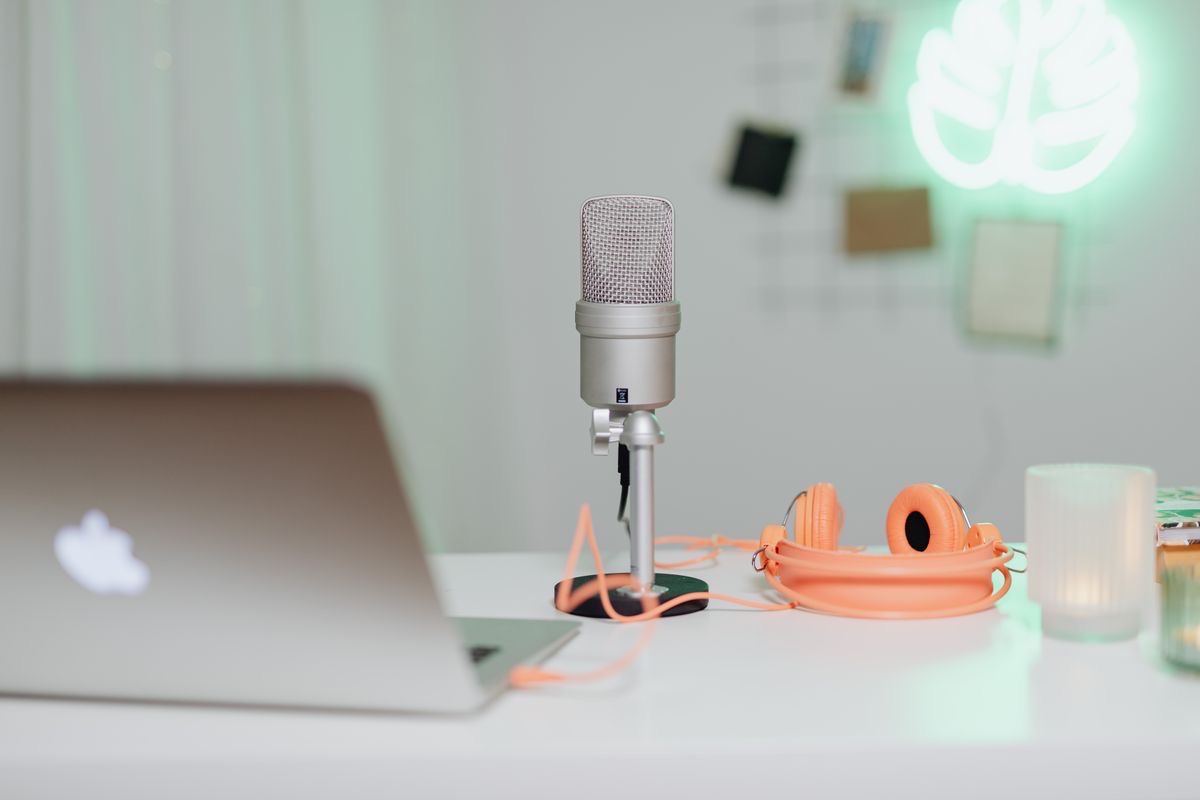
استخدم ميكروفونًا عالي الجودة واختبر زمن الاستجابة، ثم قم بتحميل قوالب تربط الأجزاء بالإشارات. حافظ أيضًا على وحدات القوالب، مع نقاط نهاية واضحة لدعم العديد من المقاطع الطويلة والمقاطع القصيرة. يجب أن تحدد هذه الكتل نقاط الربط للسرد وتوقيتها، ثم تغذي التعليقات التي تعكس الحركة ورد الفعل على الشاشة.
المواد المحمية بحقوق الطبع والنشر تتطلب ترخيصًا؛ فضل الصوت المسجل والموسيقى الأصلية عند الإمكان. تصف التعليقات الحركة على الشاشة وتوافقها مع الإيقاعات، بينما توضح ملاحظات حقوق الطبع والنشر في الوصف السياق للمشاهدين.
لتجنب الانحراف، ابدأ بفاصل زمني يتراوح بين 2-3 ثوانٍ، ثم قم بتضييقها إلى أقل من 500 مللي ثانية مع توجيه بزمن استجابة منخفض. غيّر خط الأنابيب إذا كان التعليق يسبق المرئيات أو يتأخر عنها؛ تحتفظ بالتحكم عن طريق إيقاف مؤقت، أو إعادة المزامنة، أو كتم الأجزاء حسب الحاجة. إذا فشلت الأتمتة، انتقل إلى الإشارات المدارة يدويًا.
| الخطوة | الإجراء | الأدوات |
|---|---|---|
| 1 | حدد نقاط الإيقاع ونقاط التنبيه في النص لضمان تعليق دقيق | مكتشف الإيقاع • النصوص • اختصارات لوحة المفاتيح |
| 2 | حدد ميزانية زمن الاستجابة وقم بتوجيه إدخال الميكروفون إلى محرك التعليقات | واجهة بزمن استجابة منخفض • برنامج توجيه الصوت |
| 3 | جهز العديد من كتل ردود الفعل الطويلة والقصيرة؛ قم بتشغيل رد فعلها مع تغير المرئيات | قوالب • كتل وحدات • تعليقات تلقائية |
| 4 | قم بتمكين محاذاة التعليقات مع صف الإيقاع الحالي ووصف السياق في الوصف | محرك التعليقات • حقول البيانات الوصفية |
| 5 | اختبر، اجمع ملاحظات المشاهدين، وكرر لتحسين المزامنة | التحليلات • اختبارات A/B • إعدادات التحرير المسبقة |
يمكن للمبدعين تحديد تفاصيل الوصف وملاحظات الترخيص لتوجيه النسخ، مع الحفاظ على الوصف موجزًا ومفيدًا للبحث وإمكانية الوصول.
عمليات التحقق السريعة للجودة والخطافات الجاهزة للنشر
ابدأ بعملية ضمان جودة بثلاث تمريرات تعمل دون إعادة تحرير بعد التصدير. استخدم التحليل المستند إلى الذكاء الاصطناعي لربط النصوص بالعناصر على الشاشة، ثم تأكد من أن المناقشات من مختلف المتحدثين تظل سليمة وأن الرسالة الأساسية تظل واضحة. قم بتضمين الأحداث في ملاحظات الإطار وحافظ على التوقيت مشدودًا للحصول على إيقاع حاد.
بناء الخطاف: قم بصياغة بداية موجزة مدتها 6-8 ثوانٍ تعد بالقيمة وتلمح إلى المناقشات التي ستتبع. ثم ضع ترجمة تعزز الشعور الجذاب وتحث المشاهدين على الاستمرار. يمكن للمنشئ إنشاء العديد من المتغيرات المخصصة، ولكن قم بمواءمة النبرة مع صوت الكاتب وموضوع الفيديو.
عمليات التحقق من الجودة على مسار الفيديو: تحقق من توافق الطوابع الزمنية مع النصوص، وتأكد من أن الصوت نظيف بدون طقطقة، وتأكد من أن انتقالات التكبير/التصغير تؤكد على اللحظات الرئيسية بدلاً من تشتيت الانتباه. استخدم أداة مستندة إلى الذكاء الاصطناعي للكشف عن القطع المفاجئة وتشديدها بنسبة تصل إلى 15-20٪ دون فقدان السياق. إذا رأيت أي فجوات صامتة، املأها بقطع مدفوعة بالإيقاع للحفاظ على الإيقاع والحفاظ على ثبات المشاهدات.
المرئيات: تأكد من أن المظهر يتطابق مع الموضوع - صورة مصغرة مخصصة وعناصر على الشاشة تعكس الأحداث والمناقشات. ضع في اعتبارك قوسًا يشبه الأفلام: ابدأ بتكبير على المتحدث، وقم بالقطع إلى مقاطع مميزة، ثم عد إلى إطار نهائي مع دعوة قوية إلى اتخاذ إجراء. يحافظ هذا التسلسل على إيقاع جذاب ويحسن المشاركة.
البيانات الوصفية والخطافات: املأ العنوان والوصف والفصول بعبارات موجزة وعالية الجودة. يجب أن تستخدم أداة الإنشاء الكلمات الرئيسية المخصصة، ثم تقوم بإجراء فحص أخير لضمان أن الخطاف يعكس نية الكاتب وأنه ذو صلة بالمناقشات والأحداث. استخدم الفصول الزمنية لتعزيز قابلية اكتشاف البحث وتمرير المشاهدين، ثم قم بالنشر عندما تؤكد الأداة أن الملف عالي الجودة وخالٍ من المشكلات الحرجة.