
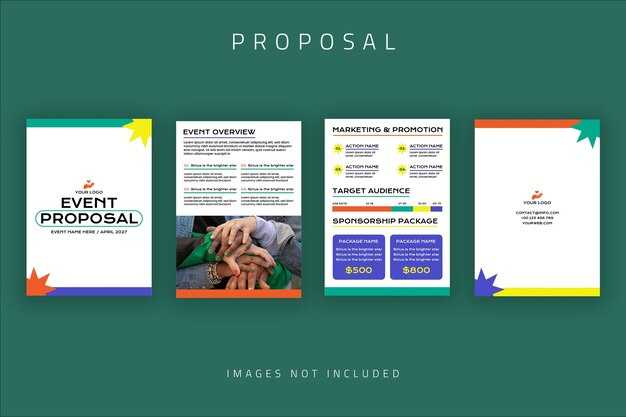
ابدأ بملخص من صفحة واحدة يوضح أهدافك وجمهورك ومقاييس النجاح. تصبح هذه الصفحة ملكك لتتكيف معها أثناء تقدمك، وتعمل كنقطة ارتكاز لإلهام فريقك ضمن معايير خاصة بك، وتوجيه كل خطوة من البحث إلى التنفيذ.
الأجزاء التي يجب تضمينها: الجمهور، الأهداف الأساسية، القيود، الرسائل الأساسية، الأصول، التوقيت، والموافقات. لكل جزء، حدد النبرة وقم بالإشارة إلى الأصول؛ مع دمج مواصفات مفصلة بتنسيقات وقنوات ودعوات لاتخاذ إجراء بلغة واضحة، وكمية السياق المطلوبة. هذا الوضوح رائع للعلامات التجارية وغيرها، ويساعد في تجنب سوء التفسير.
إليك تدفق عملي: ابدأ بمعايير عالية المستوى، ثم املأ الخطوات، وأخيراً قم بتثبيت الأصول التكتيكية. قم ببناء نهج أنظمة عن طريق إنشاء فحوصات وموافقات وإصدارات وتوقيعات للحفاظ على الاتساق عبر القنوات. يحافظ هذا النهج على توافق الفرق ضمن المواعيد النهائية ويضمن الجودة قبل نشر الأصول.
بدلاً من لغة غامضة، حدد نتائج قابلة للقياس، وإشارات النجاح، ومعايير الموافقة. عند دمج ملاحظات أصحاب المصلحة، قم بتتبع التغييرات والحفاظ على نسخة رئيسية. يساعد هذا في ضمان أن الجميع على نفس الصفحة ويقلل من الدورات غير الضرورية في اتخاذ القرارات.
لتعزيز الإجراء، ضع دعوات واضحة لاتخاذ إجراء في نقاط اتصال ذات صلة. استخدم هيكلًا رائعًا: بيان مشكلة موجز، إجراء ملموس، وخطوة تالية فورية. هنا يمكنك إعادة استخدام نفس الأساس، وتكييف الأجزاء للعلامات التجارية وغيرها عبر القنوات الرقمية، مع الحفاظ على المعايير وزيادة مقدار الوضوح والسرعة.
إطار عمل قابل للتنفيذ للموجزات الإبداعية
ابدأ ببيان هدف واحد يتضمن الجمهور، والإجراء المطلوب، والنتائج القابلة للقياس. قم بتضمين مؤشرات الأداء الرئيسية مثل نسبة النقر إلى الظهور، ومعدل المشاركة، وزيادة التحويل، وحدد موعدًا نهائيًا واضحًا. هذا يحافظ على تركيز الفريق ويقلل من زحف النطاق عند العمل على مجموعة من الأصول. يتم صياغة هذا الهدف ليعكس التأثير المستقبلي.
التزم بالهيكل الثابت: حدد الجمهور المستهدف المحدد، والنبرة، وحواجز العلامة التجارية، والرسالة الأساسية. يلتزم الموجز بهذه العناصر لضمان الاتساق عبر أنواع المحتوى والقنوات.
حدد أجزاء الجمهور: الجماهير الأولية والثانوية والمصغرة. صف التركيبة السكانية والاحتياجات والمشاكل والنتائج المرجوة فيما يتعلق بدوافعهم. يساعد هذا في صياغة رسائل فريدة لكل نوع ولكل جزء من مجموعة المنشورات لهم.
حدد نطاق المحتوى: حدد الجزء الذي تغطيه كل أصل من الحملة، وحجم المجموعة، والتنسيقات، وأنواع المنشورات. لكل نوع من الأصول، تأكد من التوافق مع احتياجات القناة وتوقعات الجمهور. قم بإدراج المخرجات مثل الفيديو، والمنشورات الثابتة، والقصص، وكتل النسخ. تأكد من أن كل أصل يظل جذابًا للجمهور. هذا النهج مفيد لتخطيط الإنتاج ويقلل من دورات المراجعة.
وثق قيود العلامة التجارية والنبرة: حدد قواعد الصوت والمفردات والقواعد النحوية وأي عناصر إلزامية. تأكد من إمكانية الوصول وسهولة القراءة؛ مع الحفاظ على نبرة متسقة عبر القنوات. يضمن هذا الاتساق وصول كل منشور تحت نفس الهوية.
سير العمل والأنظمة: اعتمد نظامًا بسيطًا للتخزين والإصدارات والموافقات، باستخدام تسميات واضحة ومستودع مشترك. قم بإنشاء قائمة تحقق يمكن للفرق اتباعها، مما يجعل العملية سهلة ويضمن الجودة. قم بتضمين تخطيط المجموعة، وموافقات المنشورات، وخطوات النشر. يجب أن تكون عملية العمل قابلة للتطوير ومستقبلية.
وتيرة المراجعة والأسئلة المتداولة: قم بإدراج مراجعة موجزة بعد الإطلاق: ما تم إنجازه، وما تم تعلمه، وما هي التغييرات التي سيتم تنفيذها بعد ذلك. قم بتضمين مجموعة من الأسئلة المتداولة التي تجيب على الأسئلة الشائعة حول الجمهور والنبرة والجداول الزمنية والموافقات. هذا يوفر الوقت ويحافظ على توافق أصحاب المصلحة، ويتم تحديثهم بشكل متكرر.
المقاييس والتكرار: حدد كيفية قياس التأثير ومتى تمت إعادة زيارة الموجز. قم بتضمين أفكار الاختبار، مثل اختبارات A/B ومراجعات أداء المنشورات. يحافظ هذا الإطار على تركيز الفريق وهو قابل للتكيف بسهولة للحملات المستقبلية.
حدد نطاق المشروع وأهدافه بموجهات ملموسة

البدء بجملة نطاق واضحة يعمل كنقطة انطلاق للمشروع، ويوضح المشكلة والجمهور ومعايير النجاح. ضع هذا في مسودتك الأولى وشاركه مع العميل لتثبيت التوافق، ثم استخدمه كنقطة مرجعية لجميع القرارات.
حدد المشكلة المحددة، وسياق العلامة التجارية، وهدف العميل العام؛ حدد الجمهور المستهدف والقنوات ومقاييس النجاح؛ قرر الشخص المسؤول والمستندات المطلوبة للمشاركة. هذا يضمن أن كل صاحب مصلحة يتحدث نفس اللغة من البداية ويحافظ على تركيز العملية.
يجب أن تكون الأهداف المحددة للحملة ملموسة وقابلة للقياس. حدد كيف يبدو كل من المشاركة أو التحويلات أو الوعي بالأرقام، وحدد إطارًا زمنيًا واقعيًا، وحدد النبرة التي تتناسب مع تجربة العلامة التجارية. قم بتضمين مؤشرات لعمق التأثير عبر الشرائح الأساسية حتى يتمكن الفريق من تتبع التقدم مع تقدم العمل.
تفصيل المخرجات والمواعيد النهائية والأصول المطلوبة وخطوات الموافقة. قم بتعداد أنواع المحتوى والتنسيقات والقنوات، بالإضافة إلى أي قيود أو سياسات داخلية. يجب أن يغطي التفصيل المحتوى والموافقات الداخلية والمستندات التي يحتفظ بها فريقك كمرجع، مما يضمن توافق كل مسودة مع إرشادات العلامة التجارية وتوقعات التجربة.
صف سير عمل التعاون: متى تكون المسودات مستحقة، وأين توجد الملاحظات، ومن يوافق، وكيفية الاتصال بالعميل لاتخاذ قرارات سريعة. استخدم إيقاعًا شفافًا وسجلًا مشتركًا للملاحظات والقرارات والتحديثات. هذا يحافظ على سلاسة العملية ويقلل من التبادل المتكرر، مما يحسن الفعالية العامة.
قم بتضمين الأسئلة المتداولة لمعالجة الأسئلة الشائعة حول النطاق والجدول الزمني والموافقات والتغييرات. تقلل مجموعة موجزة من الأسئلة المتداولة من التأخير وتحافظ على تقدم الفريق عند ظهور الأسئلة، بحيث يتم التعامل معها قبل أن تعيق العمل. تأكد من أن الأسئلة المتداولة تشير إلى العلامة التجارية والنبرة وقيود الحملة لتبقى على الرسالة.
حدد الأدوات والأصول لصياغة المراجعة. قم بالإشارة إلى أدوات quillbots للمسودة الأولية، والمحرر المفضل لديك للصقل، وطريقة الاتصال للتحرير السريع. وضح كيف سيبقى المحتوى جذابًا، ومدى عمق المسودة، وكيف تترجم الملاحظات الداخلية إلى محتوى نهائي يتردد صداه لدى الجمهور ويدعم تجربة العلامة التجارية.
حدد كيفية قياس الفعالية والإبلاغ عنها. حدد مؤشرات الأداء الرئيسية ومصادر البيانات وإيقاع التحديثات حتى يتمكن الفريق من تعديل التكتيكات في الوقت الفعلي. اطلب مسودة نهائية توضح التوافق مع النطاق، وتحفز موافقة العميل، وتترك مجالًا للتكرار في النبرة والمحتوى قبل النشر.
ارسم خريطة للجمهور وصوت العلامة التجارية والرسائل الأساسية
قم بإجراء ورشة عمل مدتها 90 دقيقة تشمل أصحاب المصلحة لرسم شرائح الجمهور وصوت العلامة التجارية والرسائل الأساسية؛ قم بتدوين النتائج في موجز منظم، بما في ذلك الملاحظات والتوقعات وقسم الأسئلة المتداولة المباشر؛ هذا التوافق يدفع المنشورات المتسقة عبر القنوات.
حدد 4 شخصيات جمهور بناءً على التركيبة السكانية والأهداف والعادات الإعلامية. لكل شخصية، قم بتضمين: ما يفكرون به عند مواجهة المحتوى الخاص بنا، وما يبحثون عنه، والتنسيقات التي يفضلونها (مرئية، منشورات طويلة، نصائح سريعة). اربط كل شخصية بقيمة العلامة التجارية، ودوافع الشراء، والفوائد الأكثر صلة. وضح ما هو الأكثر إقناعًا لهم.
ضع صوت العلامة التجارية كمجموعة قواعد ملموسة: نطاقات النبرة (سلطوية، ودودة)، حدود المفردات، طول الجملة، وإشارات التنسيق. قدم 3-5 أسطر مثال لكل شخصية وأدرج 2-3 قواعد تفعل/لا تفعل لتوجيه الكتاب. استخدم gpt-4 لصياغة 5-10 أفكار منشور لكل شخصية ثم قم بتنسيق الأسطر المناسبة للنشر.
الرسائل الأساسية: صياغة عرض أساسي لكل شخصية بالإضافة إلى 2-3 بيانات داعمة. تأكد من أن كل رسالة واضحة ويمكن اختبارها ومرتبطة بمقياس في التحليلات. قم بتضمين جملة جاهزة للاستشهاد لإثبات خارجي حيثما كان ذلك مناسبًا؛ قم بتضمين ما يجب قوله لمواجهة الاعتراضات الشائعة وما يجب تجنبه.
المخرجات والحوكمة: ملف موجز منظم واحد، ومصفوفة رسائل، ودليل نبرة، ووثيقة أسئلة متداولة. عين أصحابًا بين أصحاب المصلحة وحدد إيقاعًا للتحديثات والموافقات. تأكد من ربط كل فكرة منشور بشريحة الجمهور والإجراء المتوقع (الدعوة المناسبة لاتخاذ إجراء).
التحسين والقياس: ضع توقعات للتحسين، وحدد أهداف مؤشرات الأداء الرئيسية (معدل المشاركة، الحفظ، المشاركات، نسبة النقر إلى الظهور)، وقم ببناء لوحة تحكم تحليلية خفيفة الوزن. قم بتدوين الملاحظات والأفكار المستمرة لإعلام الدورة التالية، بما في ذلك الملاحظات الطويلة حول ما نجح وما لم ينجح.
يبدأ تطبيق هذا الأمر بوضع خطة واضحة للأسئلة التي يجب طرحها، وما يجب تضمينه، وكيفية تكرار التحسين. يبدأ هذا النهج بتوثيق الملاحظات من البحث، ثم تحويل الفكرة إلى مجموعة ملموسة من المنشورات، ومواءمتها مع أصحاب المصلحة للحصول على ملاحظات. هذا يحافظ على تركيز التفكير وينتج الإطار الصحيح لاتخاذ القرارات.
تحديد المخرجات، والتنسيقات، والجداول الزمنية، وخطوات الموافقة
نفّذ قائمة مخرجات ثابتة عند الانطلاق وتأكد من فهم جميع أصحاب المصلحة لها: المجموعة الكاملة من الأصول، والتنسيقات، ومسار الموافقة. يجب أن يحدد الموجز المخرجات الدقيقة حتى تتمكن العلامات التجارية من المضي قدمًا دون استفسارات متبادلة. هذا لا يترك مجالًا للغموض ويحافظ على سرعة المشروع وتركيزه وقابليته للقياس.
المخرجات والتنسيقات: حدد المجموعة الكاملة للمخرجات بأنواع ملفات محددة. لكي تظل العلامات التجارية متوافقة، اطلب مجموعة نصوص جاهزة للعلامة التجارية (DOCX أو Google Docs) وحزمة مرئية (PDF بالإضافة إلى المصادر القابلة للتعديل مثل AI/PSD). قم بإرفاق ملاحظات تصف الموضوع والفكرة والاستخدام. قم بتضمين ملخص تنفيذي في مخرج واحد للرجوع إليه بسرعة. يجب أن تكون الأقسام مسماة بوضوح: نظرة عامة، الأصول، النصوص، المرئيات، البيانات الوصفية، والاستخدام. هذا الهيكل يساعد المحررين والأدوات على العثور على ما يحتاجونه بسرعة ويحافظ على عمق متسق عبر القنوات.
الجداول الزمنية: حدد جدولًا زمنيًا كاملاً مع معالم محددة. يتم تسليم المسودة خلال يومي عمل، والمراجعة الداخلية في يوم واحد، والموافقة النهائية في يومين. قم بإرفاق تقويم بالتواريخ الدقيقة ونقطة حقيقة واحدة للتغييرات. بالنسبة للعلامات التجارية ذات الأسواق المتعددة، قم بإضافة نافذة توطين وتأكد من دمج جميع الملاحظات.
خطوات الموافقة: حدد المالك المعتمد وبوابة التوقيع. استخدم بوابة واحدة لكل مخرج لتجنب التبادل. قم بتسجيل الملاحظات في ملاحظة مجمعة واحدة، وقم بتمييز التغييرات حسب القسم، واطلب مستندات محدثة لاستبدال الإصدارات السابقة. تأكد من أن الجميع يفهم معايير الموافقة ويلتزم بالجدول الزمني.
الحوكمة والأدوات وتنسيقات المخرجات: قم بتسمية الملفات باتفاقية قياسية، على سبيل المثال، project_subject_version.ext؛ قم بتخزين المخرجات في محرك أقراص مشترك؛ حدد المخرجات للاستخدام الجاهز للتحليلات (UTMs، علامات). قم بتضمين عمق التحليلات: قائمة تحقق للتحقق من التوافق مع الموضوع وإرشادات العلامة التجارية، بالإضافة إلى ملاحظات حول الترخيص. بالنسبة للفرق الصغيرة، اقتصر على 4-6 عناصر أساسية وقم بالتوسع للعلامات التجارية الكبيرة عن طريق إضافة أقسام. هذا النهج يجعل المخرجات أفضل وأسهل لإعادة الاستخدام عبر القنوات. يجب أن يعمل المولد والمحررون معًا باستخدام مصدر حقيقة واحد، ويجب دمج الملاحظات في كل أصل.
ملاحظات للتعاون: يسرع دمج ملاحظات أصحاب المصلحة من التوافق. امنح المحررين توجيهًا واضحًا ومصدر حقيقة واحد. يجب أن تكون المخرجات جاهزة للتصدير، مع تضمين البيانات الوصفية ودمج علامات التحليلات حتى تتمكن الفرق من قياس الفعالية عبر القنوات.
الجودة والعمق: صمم ببراعة؛ قم بتوفير مجموعة جاهزة للمولد يمكن للعلامات التجارية إعادة استخدامها؛ قم بتضمين أقسام تغطي حالات الاستخدام الأكثر شيوعًا؛ احتفظ بمجموعة صغيرة ومركزة للمشاريع الصغيرة ومجموعة أشمل للحملات الأكبر. هذا يضمن السلطة ويساعد العلامات التجارية على الحفاظ على صوت متسق عبر الموضوعات.
استخدم القالب المجاني: قم بتنزيله وخصصّه وأعد استخدامه
احصل على حزمة البداية القابلة للتنزيل، وقم بتخصيصها لكل عميل، وأعد استخدام الكتل الأساسية عبر الحملات لتوفير الوقت مع الحفاظ على اتساق اللغة.
قم بتخزينه في Google Docs أو مساحة عمل فريقك؛ تأكد من تحديد الإصدارات وحقوق الوصول الواضحة. تم إنشاء الهيكل ليكون معياريًا، بحيث يمكنك تبديل الأجزاء دون إعادة صياغة المسودة بأكملها.
- قم بتنزيل الرئيسية ووضعها في محرك أقراص مشترك؛ قم بتسميتها حسب نوع المشروع أو العلامة التجارية للحفاظ على قابليتها للاكتشاف؛ تأكد من أن العميل يمكنه الوصول إلى النسخ المعدلة حسب الحاجة.
- قم بتخصيص الكتل: قم بتحديث الهدف، والجمهور المستهدف، والنبرة، والمخرجات، والقنوات، والجدول الزمني، والميزانية. قم بتطبيق إرشادات اللغة للحفاظ على صوت العلامة التجارية؛ قم ببناء المحتوى بحيث يمكن تبديل الأجزاء بين الحملات.
- استراتيجية إعادة الاستخدام: قم باستنساخ الرئيسية لكل مشروع، وأعد تسمية الملفات، وقم بتضمين النصوص المستندة إلى التوجيهات. قم بدمج اللغة من الحملات السابقة حيثما كان ذلك مناسبًا مع الحفاظ على صوت فريد للعميل.
- فحوصات الجودة: قم بإجراء مراجعة بشرية للكشف عن أي عدم توافق أو صياغة محرجة؛ تحقق من أرقام الميزانية والجداول الزمنية؛ تأكد من تحديد المقاييس ومعايير النجاح بوضوح.
تساعد التوجيهات والصياغة بمساعدة الذكاء الاصطناعي على تسريع الإنشاء. استخدم التوجيهات لملء الأقسام، ثم دع كاتبًا ينقح النص. يمكن أن تبدأ التوجيهات النموذجية مثل ما يلي العملية:
- توجيه صياغة الهدف: "قم بإنشاء هدف موجز لحملة تستهدف X، مع نتائج قابلة للقياس."
- توجيه الجمهور واللغة: "صف الجمهور المستهدف وأسلوب اللغة المفضل لحملة في منطقة Y."
- توجيهات المحتوى: "قدم خطافًا من جملتين وعرض قيمة من 3 نقاط لكل مخرج."
- توجيه الجدول الزمني والميزانية: "ضع الخطوط العريضة لمواعيد المراحل الرئيسية وحدود الميزانية لدورة مدتها 6 أسابيع."
استخدم gptchat كحقل اختبار للصياغة، ثم قم بتصديره إلى الرئيسية واضبطه حسب الحاجة؛ تأكد من التوافق مع إرشادات العميل وكشف المشكلات؛ حافظ على التحكم من خلال المراجعة.
حافظ على العملية واعية بالميزانية: أعد استخدام الكتل عبر الحملات، وتتبع الوقت الموفر، وقم بقياس الفعالية لكل دورة. هذا النهج يفيد الكاتب والعميل، خاصة عندما يكون الوقت والميزانية ضيقين.
يضمن الهيكل مناسب الحجم، والمراجعة البشرية، والتوثيق الشامل بقاء المخرجات فريدة ودقيقة. بمرور الوقت، تصبح عملية الإنشاء مولدًا موثوقًا لعمل الحملات، مع الاحتفاظ باللغة متسقة من خلال التوجيهات ودمج ملاحظات العميل.
تطبيق توجيهات الذكاء الاصطناعي لصياغة الملخصات بسرعة والحفاظ على الاتساق
ابدأ بمجموعة توجيهات للذكاء الاصطناعي قابلة لإعادة الاستخدام تلتقط أهداف المشروع والجمهور والقنوات والمخرجات المتوقعة. هذا يقلل عادةً من وقت التفكير ويوفر التوافق عبر المشاريع، خاصة عند إشراك المحررين ويجب على أصحاب المصلحة الموافقة.
هنا هيكل موجز للمجموعة: توجيه أساسي، بالإضافة إلى حقول لتفاصيل خاصة بالمشروع مثل الجمهور والعلامة التجارية والأسلوب والأقسام المطلوبة. يجب صياغة التوجيه الأساسي ليكون محسنًا بالكامل وقابلًا لإعادة الاستخدام عبر الحالات.
يمكن تصنيف أنواع الملخصات حسب القناة والهدف والجمهور؛ تتيح العلامات التوجيه الآلي والتحليلات.
تفرض القواعد الاتساق: قم بتضمين لغة العلامة التجارية (العلامات التجارية)، والصوت، والمصطلحات؛ قم بتخزين القواعد كمستند حي يمكن للمحررين تحديثه. يتم تتبع التغييرات.
سير العمل ضمن العمليات القياسية: يصيغ التوجيه المحتوى الأولي، ويقوم المحررون بالمراجعة والتنقيح؛ ثم تذهب المخرجات إلى الفرق المشاركة للموافقة النهائية؛ فيما بعد تنشر.
نصائح تشغيلية: حافظ على التوجيهات موجزة ولكن قوية؛ يجب أن تحدد التوجيهات المكتوبة المخرجات والجماهير والأقسام المطلوبة. ربما Psemantic؟ ربما تقترن التوجيهات بقوائم مرجعية لتحسين التفكير وتقليل إعادة العمل.
القياس والتحسين: تتتبع لوحات معلومات التحليلات مقاييس مثل معدل الإكمال والمبيعات؛ راقب أداء المخرجات عبر القنوات والعلامات التجارية.
تعزيز التعاون: أعد استخدام التوجيهات عبر الفرق والموارد، وفرض التغييرات للحفاظ على المعايير؛ هنا يمكنك التعديل للحملات الجديدة مع الحفاظ على جوهر الاتفاق.
العقبات الشائعة: التفكير المشترك، أو الأهداف الغامضة، أو تفاصيل الجمهور المفقودة. ومع ذلك، لمعالجتها، فكر في إضافة أقسام صريحة في التوجيه الأساسي، وحافظ على توافق الأسلوب مع إرشادات العلامة التجارية القياسية، وأشرك أصحاب المصلحة مبكرًا.
توفر مجموعة توجيهات محسّنة ومصممة بشكل احترافي مسودات أسرع، وتقلل من التبادل، وتساعد المبيعات مع الحفاظ على نبرة متسقة ومهنية.