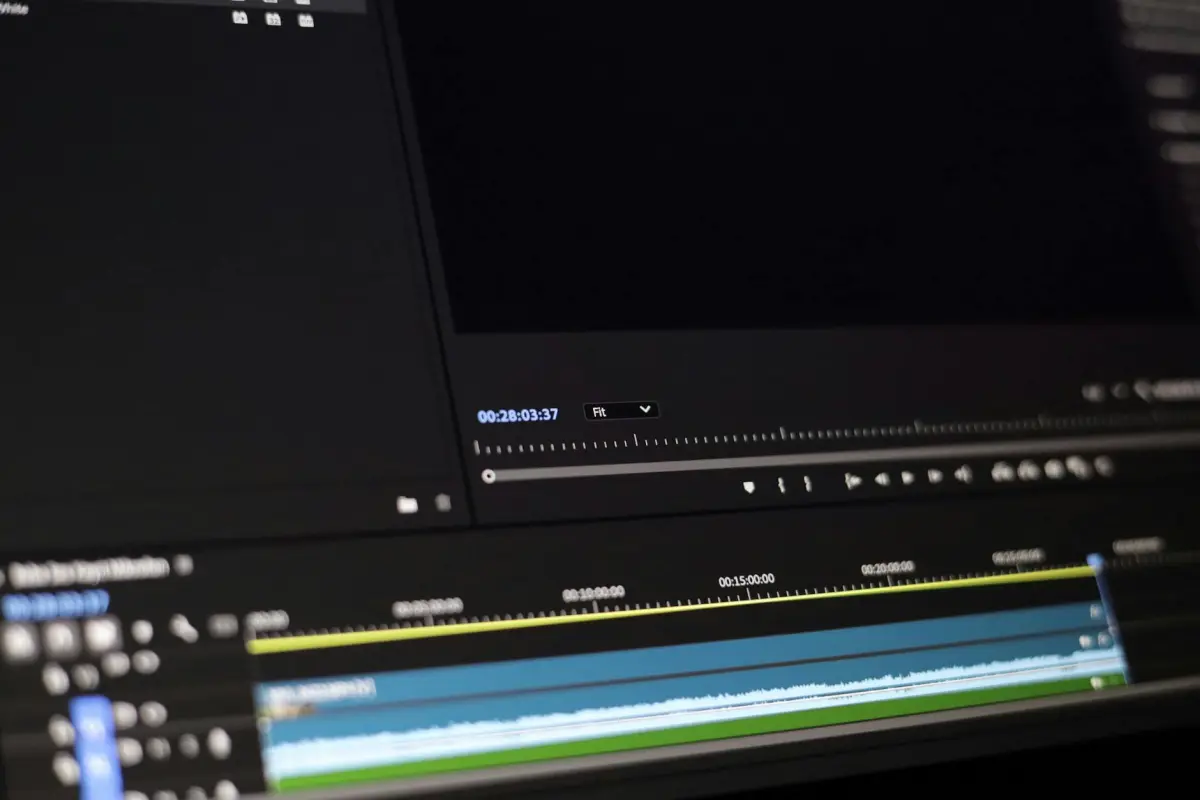
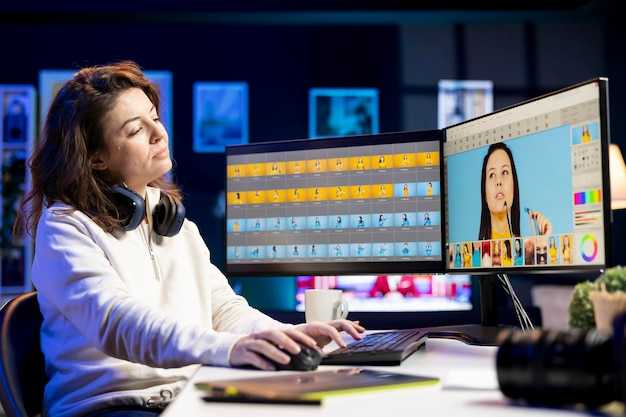
قم بتحرير الإطار الإرشادي لتثبيت الألوان الأساسية ولوحة ألوان ثانوية خفية، ثم قم بتصحيح التعرض والتوازن الأبيض. هذا يضع نقطة بداية متوقعة لكل مشهد ويقلل التباين مع ضبط الإضاءة.
من الناحية الفنية، قم بمواءمة الضوء الرئيسي مع بيئة المشهد، وضع المفتاح بزاوية 45 درجة تقريبًا، وقم بتحديد شدة الإضاءة لتجنب الاقتطاع. استخدم ضوء ملء محايدًا بصبغة أبرد ومفتاحًا دافئًا للعمق. حافظ على الحواف بحدة معتدلة وقم بتطبيق تدرج لوني يلبي الأسلوب المختار مع الحفاظ على المظهر الطبيعي.
مقارنة بالمنافسين، يظل سير العمل هذا لا مثيل له من حيث الاتساق عبر الزمن والأصول المتنوعة. وبناءً على سلسلة وحدات، فإنه يولد مخرجات مستقرة عبر كل لقطة ويدعم سلسلة تحرير تدريجية تتوسع لتشمل المشاريع الأكبر، بما في ذلك الألعاب. إنه يحترمها من خلال الحفاظ على اتساق الألوان والحركة، مما يقلل من دورات المراجعة.
لتمكين الدقة، دع المستخدمين يحولون المناطق الدقيقة بإضاءة محلية ثم ينشرون التغييرات عبر مرشح مدرك للوقت يقوم بتنعيم الانتقالات. هذا يحافظ على اتساق المشاعر عبر المشاهد ويحافظ على تجربة غامرة، ويتجنب القفزات المفاجئة التي تكسر الاستمرارية.
نظّم مكتبة لوحات لأنواع البيئات: إضاءة خارجية ساطعة، وغسق، واستوديو داخلي، وبيئات مختلطة؛ حدد أهداف شدة صريحة وحافظ على مظهر طبيعي. من خلال إنشاء إضاءة متسقة عبر كل مشهد، فإنها تساعد الفرق في الألعاب والوسائط الأخرى على إنتاج نتائج أسرع وأكثر موثوقية.
إعادة إضاءة الفيديو بالذكاء الاصطناعي: تحرير صورة مرجعية – خطة مدونة
ابدأ بلقطة مرجعية واحدة كمصدر وقم بمعايرة الألوان والتعرض واتجاه الظل؛ قم بتثبيت معلمات الكاميرا للحصول على خط أساس مستقر؛ سيؤدي ذلك إلى توجيه العملية الحسابية وتقليل الانحراف عبر اللقطات.
تركز الخطة على الأهداف والبيانات والتجارب والتقييم. ستغطي العديد من السيناريوهات وتقدم توجيهات احترافية سهلة الاستخدام للمحررين؛ ستعتمد المقالة على فحوصات مستنيرة بالذكاء وسير عمل بديهي للمحررين.
تفاصيل العملية الحسابية: ابدأ بتقسيم لعزل الموضوع والتظليل الرئيسي؛ يقوم مقدر الإضاءة بتوقع الاتجاه والشدة من المصدر المرجعي؛ قم بإجراء نقل الإضاءة لكل إطار باستخدام مجموعة مدمجة من الإعدادات المسبقة المستهدفة؛ تطبيق تنعيم زمني لتجنب تشوهات الحركة؛ توفير مسار تعديل غير مدمر للمحرر لضبط النتائج بدقة.
استراتيجية البيانات والمقاييس: جمع 100-200 إطار لكل مشهد عبر خمسة سيناريوهات؛ التصوير بكاميرا عالية الجودة ونطاق ديناميكي واسع؛ استخدم لقطات RAW للحفاظ على المرونة؛ قم بتقييم باستخدام SSIM و PSNR على قنوات الإضاءة، بالإضافة إلى الدرجات الإدراكية من لوحة تحرير؛ قم بقياس اتساق الشدة عبر الإطارات ومقارنتها بالنغمة الأصلية في الصور.
عناصر تحكم المحرر والتوجيه الاحترافي: توفير واجهة مستخدم بديهية مع منزلقات لتحديد الشدة ودرجة حرارة اللون وميل الظل؛ النطاقات الافتراضية: الشدة 0-2x، درجة حرارة اللون 3000-7000K؛ توفير إعدادات مسبقة للإضاءة الداخلية، والنهار، وغروب الشمس؛ تمكين المعالجة الدفعية لتسريع العديد من المقاطع؛ ضمان الحفاظ على دقة عالية للمخرجات في الصور والمشاهد.
السيناريوهات وسير العمل: اختبار ظروف الإضاءة الداخلية والخارجية، والإضاءة الخلفية، والإضاءة المنخفضة، والإضاءة الاصطناعية؛ لكل منها، وثق تأثير اتجاه الإضاءة وقوتها على الحالة المزاجية؛ أرفق قائمة تدقيق موجزة لمراقبة الجودة وتقرير سريع لدعم القرارات في شكل مقالة.
زاوية الصناعة والمنافسين: سيؤثر النهج على المنافسين من خلال توضيح القدرات والحدود والسرعة؛ نشر نتائج كمية ودراسات حالة لتعزيز سلطة المقالة؛ التأكيد على التعاون بين الذكاء وبيانات الكاميرا ومدخلات المحرر لإنتاج لقطات موثوقة عبر العديد من الجماهير.
الجدول الزمني والمخرجات: خطة مدتها أربعة أسابيع مع مراحل رئيسية – إعداد البيانات، وتكييف النموذج، ودمج واجهة المستخدم، ومراقبة الجودة ودراسات الحالة؛ تشمل المخرجات وثيقة خطة وبروتوكول وعينات تحرير مناسبة لإدخال في ملف الأعمال.
تحديد الإضاءة المستهدفة من الصورة المرجعية

حدد المصدر السائد واضبط الضوء الرئيسي بزاوية 45 درجة لمحور الكاميرا، مع ميل عمودي 0-5 درجة، ودرجة حرارة لون 5200-5600K، وضوء ملء بشدة 0.25-0.5 للحفاظ على الملمس. ضع الحوامل لدعم العناصر الأساسية: المفتاح، الملء، الحافة، وفصل الخلفية. قم بتأكيد أن الإضاءة الخلفية تخلق حافة محددة. باستخدام هذه الإشارات، قم بإنشاء خط أساس يطابق الحالة المزاجية للمصدر عبر اللقطات.
-
الاتجاه والحالة المزاجية
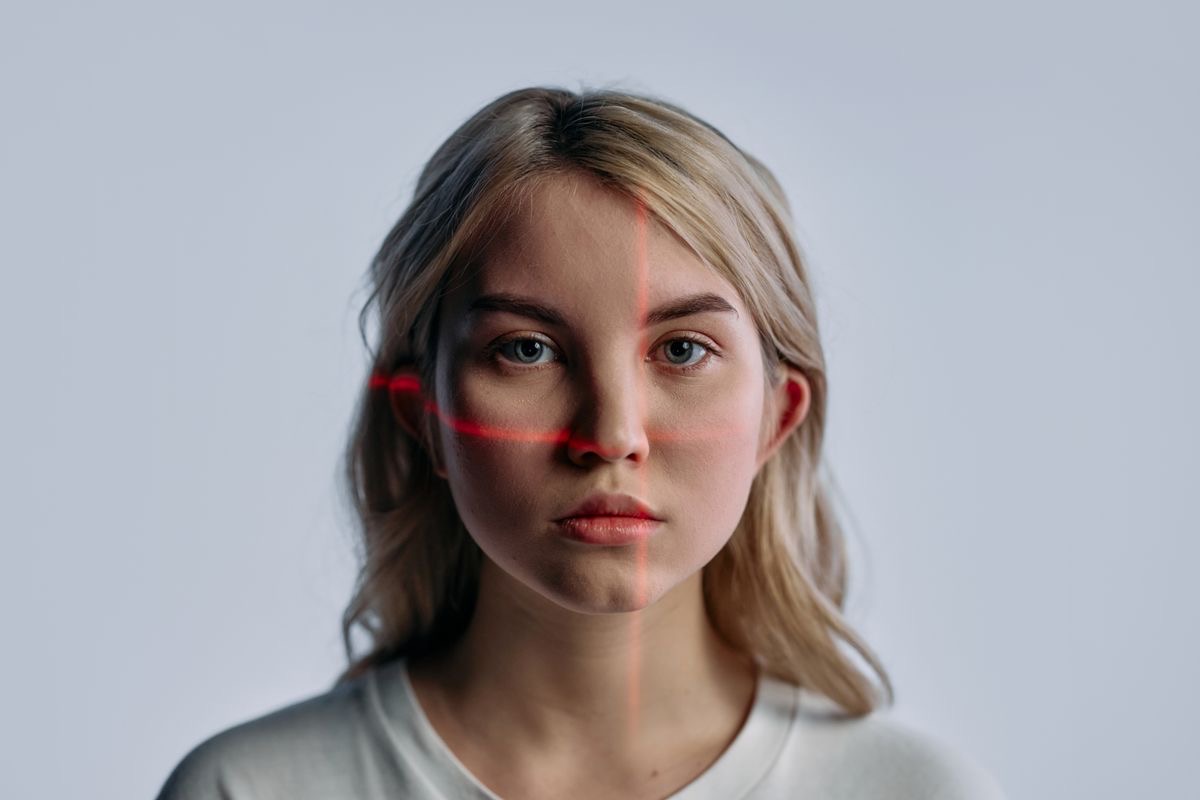
استخرج الاتجاه في المشهد عن طريق قياس خطوط الظل والإضاءة الطرفية للصورة المرجعية. هذا يحدد من أين يأتي الشعاع الأساسي وكيف يلتف حول الموضوع، مما يجسد حالة مزاجية توصف بأنها سينمائية. تأكد من أن الإضاءة الرئيسية والملء والإضاءة الخلفية تتوافق لنقل العاطفة المقصودة في الصور، وليس مجرد مثال واحد أو صورة فوتوغرافية.
-
مطابقة الشدة
أنشئ خريطة نسبية: نسب المفتاح إلى الملء إلى الإضاءة الخلفية 1: 0.25-0.5: 0.5-1.0 اعتمادًا على الحالة المزاجية. استخدم الانتشار والأعلام للتعديل بزيادات 0.5 توقف. تحقق عن طريق فحص الرسم البياني والمقارنة السريعة عبر الصور لضمان مطابقة الشدة بين اللقطات.
-
اللون والنغمة
طابق اللوحة: استخدم 5200-5600K للحالات المزاجية النهارية، أو 3200K للمظاهر الأكثر دفئًا؛ قم بتطبيق CTO/CTB حسب الحاجة لمواءمة ألوان البشرة عبر الصور. قم بتطبيع توازن اللون الأبيض للحصول على عرض ألوان متسق عبر الوسائط والمنصات.
-
الظلال، الملمس، والعمق
تحكم في التساقط باستخدام الانتشار: 2-4 توقف للظلال الناعمة؛ للدراما العالية، قلل الانتشار إلى 0-1 توقف. حافظ على هندسة الظل المتسقة عبر المشهد لتحقيق عمق وملمس لا مثيل لهما في الصور والصور الأخرى.
-
الأتمتة، المنصات، وسير العمل
أتمتة الانتقال من المرجع إلى تسلسل الإضاءة. تستخدم المنصة بيانات وصفية من الصور لضبط زاوية المفتاح والشدة واللون لكل مثيل، وتتوسع عبر الوسائط والتنسيقات. وهذا يدعم الإنشاء عبر المستخدمين والتطبيقات. مثال: تطبيق نفس الإعدادات على سلسلة صور شخصية وعلى مجموعة صور منتجات، هذا المثال يوضح حالة مزاجية واتجاهًا متسقين. يمتد هذا إلى كل وسيلة، مما يضمن بقاء نفس الحالة المزاجية سليمة.
عبر سير العمل، يعزز هذا النهج الانغماس من خلال ضمان نقل الحالة المزاجية المستهدفة باستمرار. يعتمد على تحديد خريطة واضحة من الإشارات في المرجع إلى أدوات تحكم عملية على الحوامل والمعدلات، مما يتيح واقعية لا مثيل لها في كل من الصور الثابتة وتسلسلات الحركة. يستفيد المستخدمون من مخطط قابل للتكرار يمكن إعادة استخدامه لصور متعددة، مما يضمن مطابقة الإضاءة والشعور عبر المنصات.
تحضير وتطبيع المرجع: التعرض، توازن اللون الأبيض، ومساحة اللون
اضبط التعرض بحيث يسجل جزيء الرمادي المتوسط 0.45-0.50 على مقياس شدة 0-1، باستخدام بطاقة رمادية محايدة للحصول على قراءة وتثبيت التعرض للجلسة. هذا الخط الأساسي يمنع الاقتطاع الشديد ويدعم المطابقة القوية المستندة إلى الذكاء الاصطناعي.
يجب تثبيت توازن اللون الأبيض باستخدام البطاقة الرمادية في الإضاءة الأساسية: 5600-6500K للمشاهد التي تهيمن عليها إضاءة النهار؛ 3200-4200K للتنجستن؛ للمصادر المختلطة، استخدم توازن لون أبيض تكيفي مع أولوية للمصدر الأساسي وتحقق بعد أي تغيير في الضوء. هذا يضمن بقاء معظم الحالات متسقة عبر النوافذ والتطبيقات.
يجب أن تتوافق مساحة اللون مع المعالجة اللاحقة: اختر sRGB لمعظم المخرجات الموجهة للويب؛ Rec.709 للعمل بجودة البث؛ لخطوط عمل النطاق الديناميكي العالي أو سير العمل الخطي، قم بالتحويل إلى مساحة خطية مثل ACEScg وقم بتطبيق تصحيح جاما فقط في مرحلة العرض. التزم بسياسة إدارة ألوان متسقة عبر الأدوات (بما في ذلك مجموعات Adobe) لتقليل الانحرافات.
الفحوصات التكيفية: قم بالتقاط زوج سريع من الإطارات بشدتين مختلفتين لـ إنشاء مجموعة صغيرة من المعايير؛ قراءة هذه القيم تسمح للمستخدم بتقييم الإعدادات التي تعطي أفضل تطابق مع النغمة المستهدفة. استخدم نهج الانغماس السياقي لتقييم كيفية تأثير التغييرات على المطابقة، ويفضل أن يكون المزيج الأكثر استقرارًا لمعظم المشاهد. المعلمات المختارة بشكل سيء ستؤدي إلى تدهور الواقعية في التطبيقات العملية. على سبيل المثال، استخدم مجموعة مدمجة من الإطارات عبر ظروف الإضاءة لوضع معايير الاستقرار.
| المعامل | النطاق الموصى به | ملاحظات |
|---|---|---|
| خط الأساس للتعرض | 0.45–0.50 شدة (مقياس 0–1) | قم بالتثبيت بعد القراءة؛ تحقق من الرسم البياني لتجنب التشبع في الإضاءات أو الظلال. |
| درجة حرارة اللون الأبيض بالكلفن | 5600–6500 كلفن (ضوء النهار)؛ 3200–4200 كلفن (تنغستن) | استخدم بطاقة رمادية؛ توازن اللون الأبيض التكيفي للإضاءة المختلطة؛ تحقق بقراءة ثانية. |
| مساحة اللون | sRGB؛ Rec.709؛ اختياري خطي ACEScg | مطابقة نافذة الإخراج؛ حافظ على المعالجة الخطية حتى تطبيق جاما العرض. |
| جاما / المعالجة | جاما العرض ~ 2.2؛ خطي في سير العمل | منع تحولات جاما أثناء خطوات إعادة الإضاءة؛ التحويل في نهاية المعالجة. |
| معايير الاتساق | 3-5 إطارات عبر تغييرات الإضاءة | تظهر الأمثلة أن معظم المشاهد تستقر ضمن هذه القراءات؛ استخدمها كخط أساس للمطابقة المدفوعة بالذكاء الاصطناعي. |
إنشاء خط أنابيب إعادة الإضاءة: الإقناع، التظليل، وتوليف الإطارات
استخدم سير عمل بثلاث مراحل: الإقناع مع تحسينات دلالية وحافة مدركة، والتظليل بقاعدة قابلة للتعلم ومكاسب تكيفية لكل بكسل، وتوليف الإطارات الذي يمزج النتائج عبر الزمن للحصول على انتقالات سلسة، كما هو موضح في هذه المقالة.
بالنسبة للأقنعة، اجمع بين المصنف خفيف الوزن والتصحيحات اليدوية؛ طبق التنعيم التكراري وحافظ على تحديد المناطق الداخلية جيدًا لضمان حدود متسقة. قم بتثبيت الأقنعة على المصدر، وهي المجموعة الأولية من الإطارات ذات الخطوط الواضحة، لتحسين الثبات بناءً على تلك الإشارات عبر مقاطع متنوعة.
يجب أن يدعم التظليل تنوعًا تعبيريًا عن المزاج؛ استخدم قاعدة تظليل مقيدة، ومكاسب مدركة للتباين، وأدلة ألوان تكيفية؛ حافظ على اتساق الإضاءة عبر المشاهد.
يعتمد توليف الإطارات على التماسك الزمني والخلط التكيفي؛ قم بحساب التصحيحات لكل إطار عبر نموذج خفيف الوزن؛ اربط المخرجات بخلط مدرك للوقت لتجنب الوميض.
حدد مجموعة تقييم مدمجة: الحفاظ على التباين، واستقرار اللون، ومواءمة المزاج التعبيري مع المصدر؛ اختبر على صور متنوعة للكشف عن أداء غير مطابق عبر معظم اتجاهات الإضاءة ومدى تلبية التفضيلات. استخدم إشارات ذكاء خفيفة الوزن لتوجيه المعايرات وتقليل الإفراط في الملاءمة لمصدر واحد.
التفاعل التكيفي: اجمع الأسئلة والرسائل من المستخدمين؛ قم بضبط الأقنعة والتظليل وتوليف المعاملات لتناسب معظم حالات الاستخدام؛ قم بتوفير حلقات تغذية راجعة واضحة لتتكيف التفضيلات بمرور الوقت.
نصائح التنفيذ: استمرارية معيارية للأقنعة وخرائط التظليل ونتائج الإطارات؛ حافظ على عملية خفيفة؛ خصص ميزانية وقت معالجة صغيرة؛ قم بإجراء اختبارات تكرارية مع بضعة مقاطع لتحسين المعاملات وضمان أداء مستقر عبر المشاهد.
ضمان التماسك الزمني: تقنيات للاتساق بين الإطارات
قم بتصحيح التعرض العام واللون عبر اللقطة عن طريق اشتقاق هدف على مستوى المشهد من نافذة منزلقة من 5 إطارات وتطبيق تحويل تصحيحي مقيد للألوان والجاما على كل إطار. هذا يمنع الوميض ويحافظ على مظهر مستقر بمرور الوقت، مثل خط أنابيب إنتاج منضبط.
قم بتطبيق محاذاة الإضاءة المدركة للحركة: احسب تدفق الحركة البصري بين الإطارات المتتالية، وقم بلف التعديلات وفقًا لذلك، وقم بتغطية تغييرات الإضاءة لكل إطار بنسبة 2-3٪ من الإطار السابق. أضف مكون خسارة زمني إلى النموذج يعاقب التحولات المفاجئة للحفاظ على التقدم الطبيعي.
اعتمد نموذج إضاءة ذي فرعين: يوفر مكون ثابت للمشهد اتساقًا واسعًا، بينما يلتقط المكون المحلي اختلافات المنظور والتظليل. يجب أن تتطابق النتيجة المجمعة عبر الإطارات؛ استخدم خطوط أنابيب الألوان مثل ACES مع معالجة جاما المناسبة قبل التحويل إلى مساحة الإخراج.
خطة المعايير: قم ببناء مجموعة من اللقطات الداكنة وعالية التباين. استخدم المعايير لقياس الانجراف الزمني باستخدام تباين الإضاءة ومسافة الرسم البياني اللوني عبر الإطارات المتتالية؛ مقارنة بنهج خط الأساس؛ أبلغ عن الوقت والإنتاجية لكل لقطة لضمان جاهزية المنصة.
المنصة وسهولة الوصول: قم بتوفير مكتبة أو مكون إضافي مستقل عن النظام الأساسي للحفاظ على إمكانية الوصول إلى خطوط أنابيب الإنتاج للمبدعين ذوي المهارات المتنوعة؛ قم بتوفير واجهة مستخدم تفاعلية مع منزلقات لطول النافذة والقوة والمتانة ضد الحركة، مما يتيح التحسين التكراري. يستخدم سير العمل مفاهيم مألوفة ويتدرج من صانعي المحتوى الفرديين إلى الاستوديوهات، مما يقلل الوقت اللازم للحصول على النتائج. هذا يساعد في إنشاء محتوى على نطاق واسع.
التوجيه: وفقًا للممارسات الصناعية، حدد هدف مطابقة في نقاط رئيسية؛ اختبر على مشاهد متنوعة، بما في ذلك اللقطات الداكنة؛ تشمل الأسئلة لتوجيه عمليات التحقق: هل يتغير المظهر بين الغرف؟ هل الحركة محفوظة؟ هل العمق متسق؟
استراتيجية مستقلة عن الوسائط: تناسب نفس التقنيات بث وغث الشبكات والإنتاج في الموقع؛ ستظهر النتائج ثباتًا لا مثيل له، مما يتيح للمشغلين إنشاء مظهر طبيعي عبر الإطارات. سيحقق المبدعون الذين يستخدمون سير العمل هذا تظليلًا ولونًا متسقين عبر التسلسل، مما يحسن تجربة المشاهدة ويقلل وقت القراءة للمراجعين.
تخطيط الوقت: قم بقياس ميزانيات الوقت لكل تسلسل، وتتبع وقت المعالجة لكل إطار؛ صمم خطوط أنابيب مع المعايير بحيث يمكن عزل المشكلات بسرعة؛ خطط للتسليم التدريجي في بيئات الإنتاج لضمان نتائج يمكن التنبؤ بها.
تقييم الجودة: الفحوصات البصرية والمقاييس الكمية
ابدأ بخط أساس صارم لضمان الجودة: اجمع مجموعة موثوقة من الصور المرجعية وقم بإجراء تقييم مزدوج باستخدام درجات التشابه القائمة على البكسل والتشابه الإدراكي.
تركز الفحوصات البصرية على الاتساق عبر الإطارات: ثبات اللون عبر المشاهد، واستمرارية التظليل، ودقة الملمس، والموضع الدقيق للظلال، وسلامة الحواف حول التعديلات. قم بتمييز الهالات، وتشبع اللون، وغسل اللون، والظلال الوهمية، وراقب الضبابية المتعلقة بالحركة في التحريك السريع. استخدم مجموعة محكومة لتعديل المعاملات وملاحظة التغييرات التي تنتج عددًا أقل من العيوب.
المقاييس الكمية: قم بحساب PSNR و SSIM و LPIPS لتثبيت الجودة الموضوعية؛ قم بالزيادة باستخدام مسافة الرسم البياني اللوني ودرجات الاتساق الزمني لالتقاط الانجراف عبر التسلسلات. تنطبق هذه المقاييس عبر الصور والمشاهد في الأدوات التي تعمل على منصات مختلفة، تحت تفضيلات مختلفة. الأهداف العملية: PSNR أعلى من 28 ديسيبل، SSIM أعلى من 0.90، LPIPS أقل من 0.15؛ درجة التماسك الزمني فوق 0.85 في نوافذ منزلقة مدتها 1-3 ثوانٍ.
سير العمل والأدوات: قم بنشر أداة مستقلة عن النظام الأساسي تحافظ على محاذاة المحرر مع التفضيلات، وهذا يساعد. أثناء إنشاء المتغيرات، تتيح واجهة المستخدم التفاعلية للمستخدم مقارنة خط الأساس بالإطارات المعدلة جنبًا إلى جنب؛ يتكيف النظام مع كل مشروع، ويمكن لمعلم افتراضي مساعدة المحترفين في نقل الرؤية المقصودة. تتكيف هذه الأداة مع كل سير عمل.
إرشادات عملية للمحترفين: قم ببناء عادة واضحة وقابلة للتكرار لضمان الجودة تركز على مجموعة متنوعة من المشاهد والصور، مع مراجع مفهرسة وعتبات موثقة. قم بتوفير أدوات سهلة الوصول يمكن لمحرري المستوى المبتدئ استخدامها؛ قم بدمج ملاحظات أصحاب المصلحة لتحسين سير العمل الشبيه بالمعلم؛ ابدأ كل مشروع برؤية مشتركة وقائمة مراجعة للمساعدة في نقل تلك الرؤية تحت الضغط.