
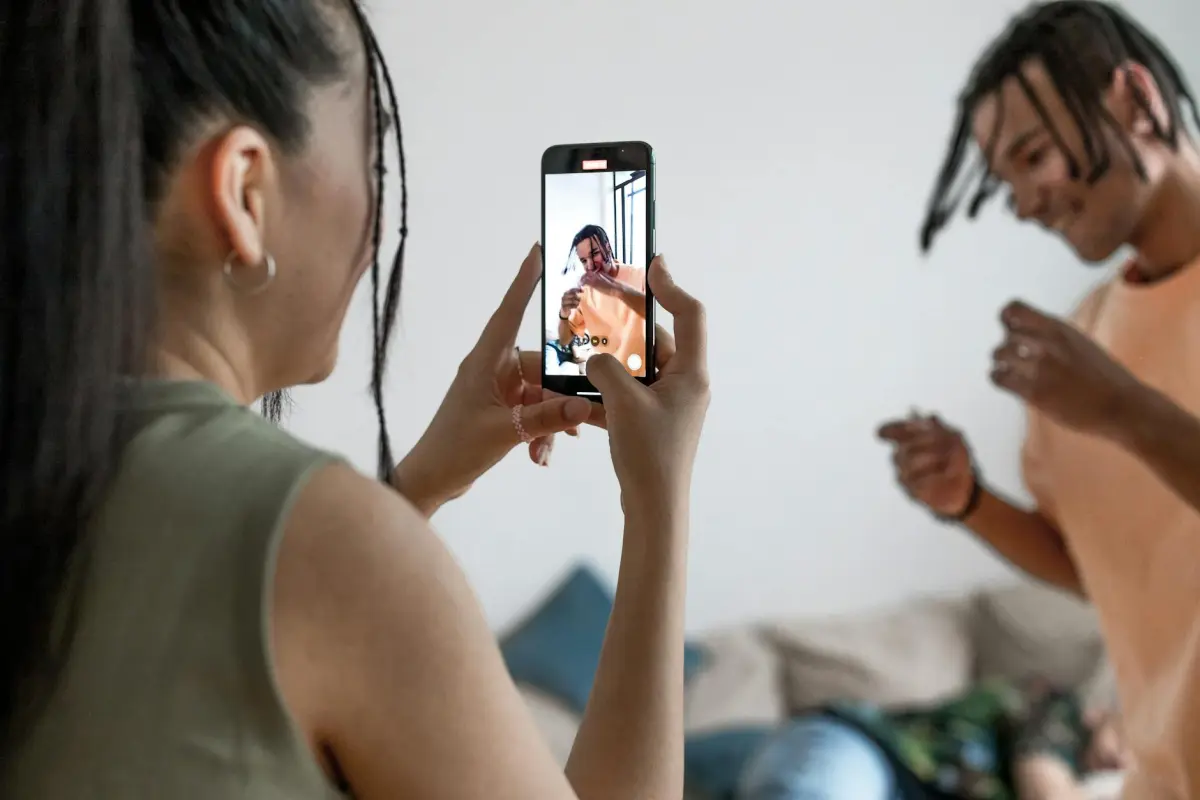

ابدأ بموجز محدد: حدد القوس السردي، والنبرة المطلوبة، والإشارات التجارية للحفاظ على تركيز العملية.
للمبتدئين، تسرّع سير العمل المعياري النتائج: اختر 3 أنماط وجمّع شخصيات تتناسب مع إشارات العلامة التجارية، ثم أرفق مقاطع الترجمة والكلام. يصبح النص المعتمد على النص هو المحرك وراء التسلسلات، مما يتيح لك التكرار بسرعة وتحديث أصول العلامة التجارية.
تبدأ العملية الإبداعية عندما تقوم بتعيين المنصات المستهدفة: خطط لمقاطع قصيرة لمنصات إنستغرام وقصصها، بالإضافة إلى مقاطع أطول لصفحات الهبوط. استخدم دعوة للزيارة في النص لدعوة الجماهير لمعرفة المزيد، وقم بمحاذاة الألوان مع لوحة ألوان علامتك التجارية. المولدات تسرّع إنشاء المتغيرات لاختبارات A/B.
ركز على اختيار الموسيقى التي تتطابق مع وتيرة الأحداث؛ سلّط الضوء على اللحظات الرئيسية بإشارات علامات تجارية جريئة. يمكن للمبدعين تعديل المشاهد باستخدام حلقة تكرارية، مما يضمن توافق المقطع مع صوت الشركة والأنماط المختارة في البداية.
استخدم مكتبة من الرسوم المتحركة ومقاطع الكلام الواقعية؛ يمكن إنتاج الترجمات تلقائيًا، متزامنة مع وتيرة الأحداث، مما يقلل من التعديلات اليدوية. هذا يساعد المبتدئين على تحقيق مخرجات واثقة دون الحاجة إلى تحرير مكثف.
بالنسبة للفرق، يمكن لعدة مبدعين مشاركة الأصول في مركز علامات تجارية مركزي؛ قم بتعديل العروض لتناسب أنماط الحملة، ثم انشرها عبر إنستغرام والقنوات الأخرى عن طريق تصدير تسلسلات محسّنة.
لـتعزيز الكفاءة، ابدأ بجزء مشهد واحد وأعد استخدام الأصول عبر المتغيرات؛ احتفظ بسجل تغييرات وتتبع التفاعل لتحسين النهج مع نمو شركتك.
خطة تقييم عملية لمولدات الفيديو بالذكاء الاصطناعي
ابدأ تجربة تجريبية خاضعة للرقابة، مدعومة بالذكاء الاصطناعي، عبر ثلاثة قوالب فيديو ذات محتوى قصير، باستخدام مجموعة ثابتة من الأوامر لمقارنة المخرجات مع اللقطات المرجعية وتعديلها فورًا. يوضح هذا الأساس القدرة، ويحدد الاختناقات، ويغذي التحسينات اللاحقة.
مقاييس النجاح الرئيسية: الدقة، الاستمرارية الزمنية، مزامنة الشفاه مع الصوت، والمصداقية العاطفية. طبق معيار تقييم خماسي لكل عنصر؛ راقب الامتثال للأوامر والقيود. سجل الدرجات الذاتية والإشارات الموضوعية مثل دقة التوقيت واتساق الإطارات.
خطة جمع البيانات: قم بتجنيد 15-20 مقيّمًا، واخلط بين الموظفين الداخليين والمتطوعين الخارجيين، واشمل أصحاب المصلحة غير الربحيين. تأكد من تنوع الخلفيات لتقليل التحيز. وثّق ملفات المقيّمين والتعليمات للحفاظ على الاتساق.
تصميم التجربة: قم بإجراء سباقات أسبوعية؛ بعد كل سباق، قم بتعديل الإضاءة، والوتيرة، وإيقاع الصوت؛ ثم أعد التقييم فورًا لتأكيد التأثير. استخدم مجموعة بيانات خاضعة للرقابة حيث يتغير معلم واحد فقط في كل تكرار لعزل التأثيرات.
الامتثال والسلامة: تأكد من مطابقة المحتوى للسياسات؛ تأكد من أن الأوامر توجه المخرجات بمسؤولية؛ احمِ البيانات الشخصية؛ حدد فرقًا حمراء للحالات القصوى؛ احتفظ بسجلات القرارات لسهولة التدقيق. هذا يبني الثقة والموثوقية.
خطة التدريب والتكرار: أعد استخدام النتائج المجمعة لضبط الأوامر، ومكتبات الأصول، وتصميمات القوالب. ركز على التحسين طويل الأجل بدلاً من المكاسب قصيرة الأجل؛ وثّق التغييرات حتى تتمكن من التراجع إذا لزم الأمر. يجب جدولة دورات التدريب شهريًا أو ربع سنويًا حسب الموارد.
حوكمة المخرجات: نفّذ مخططًا خفيفًا يحدد الأدوار للتقييم، والموافقة، والتحديثات. ضع دائمًا في الاعتبار حقوق البيانات الشخصية والأصول المرخصة؛ تأكد من اتباع نهج صديق للمنظمات غير الربحية تجاه تفاعل أصحاب المصلحة.
| معيار | تعريف | مقياس | هدف | مصدر البيانات | مسؤول |
|---|---|---|---|---|---|
| الدقة | واقعية المشاهد، والأنسجة، والإضاءة | متوسط الدرجات (1-5) من المقيمين البشريين | 4.2 | تقييمات الفريق | قائد ضمان الجودة |
| التناسق الزمني | الاتساق عبر الإطارات وتوقيت التسلسل | خطأ محاذاة التوقيت (مللي ثانية) لكل مشهد | < 150 | سجلات التوقيت الآلية + مراجعة بشرية | الهندسة |
| الأصوات | الوتيرة، الوضوح، الطبيعية | تقييم الجودة (1-5) + الوضوح | 4.0 | فريق المقيمين | قائد المحتوى |
| الامتثال للأوامر | الالتزام بالتعليمات الأولية | درجة تحقيق الأمر (٪) | 95 | تدقيق المخرجات مقابل الأوامر | مدير المنتج |
| المصداقية العاطفية | التأثير العاطفي المتصور للمشاهد | درجة العاطفة (1-5) | 3.8 | المقيّمون | المدير الإبداعي |
| السلامة والامتثال | غياب المحتوى المحظور أو التحيز | حوادث لكل 100 مخرج | 0 | مراجعات الحوكمة | قائد الامتثال |
| التعامل مع البيانات الشخصية | حماية المواد الحساسة | حوادث / محاولات وشيكة | 0 | تقييمات الأمان | مسؤول البيانات |
| تغطية بيانات التدريب | تنوع المدخلات المنعكسة في المخرجات | مؤشر التغطية (1-5) | 4.0 | تدقيق مجموعات البيانات | عالم البيانات |
| الكفاءة | زمن المعالجة لكل مقطع | متوسط وقت التصيير (ثانية) | < 30 | سجلات النظام | مهندس العمليات |
| التكلفة لكل دقيقة | النفقات التشغيلية للإنتاج | التكلفة بالدولار الأمريكي لكل دقيقة من المخرجات | < 2 دولار | التقارير المالية | المالية |
| رضا المستخدم | القبول العام بين أصحاب المصلحة | درجة صافي نقاط الترويج (NPS) | 50+ | نتائج الاستطلاع | مكتب إدارة المشاريع |
القسم أ – معايير القياس الأساسي للحركة فائقة الواقعية ودقة مزامنة الشفاه
الأساس: انحراف مزامنة الشفاه أقل من 25 مللي ثانية؛ انحراف الحركة أقل من 0.5 بكسل لكل إطار؛ تباين وضعية الرأس ضمن 2 درجة عبر مقاطع مدتها 10 ثوانٍ؛ استهداف وتيرة ثابتة تتراوح بين 24-30 إطارًا في الثانية.
يجب أن تصل درجات واقعية الحركة إلى أكثر من 0.95 على مقياس من 0 إلى 1، ويتم قياسها ديناميكيات الفك الطبيعية، وتثبيت نظرة العين، وتعابير الوجه الدقيقة والسلسة التي تتوافق مع إشارات الصوت؛ اكتشاف التصلب، والاهتزاز، أو انحراف الوضعية.
تحدد مدخلات البيانات المعايير: المصغرات تتيح فحوصات ضمان الجودة السريعة؛ المراجع الفوتوغرافية ترتكز على النسيج، والإضاءة، ولون البشرة؛ النصوص توفر إشارات التوقيت؛ ترجمة النص إلى تسلسلات صوتية والتحقق من أشكال الشفاه عند حدوث تغييرات لغوية.
سير العمل: إنشاء مكتبة مرجعية لأشكال الشفاه الصوتية؛ ربط المسار الصوتي بحركات الفم؛ الحاجة إلى تغطية قوية عبر الأصوات تتجنب الفجوات؛ عند الترجمة، حافظ على تكوينات شفاه معقولة؛ مراجعات الفنان تقصر حلقات التغذية الراجعة.
استراتيجية القالب: ابدأ من قالب قوي؛ استبدل هوية الشخص مع الحفاظ على هيكل الحركة؛ ضمن المشروع، أعد استخدام النصوص لضمان الاتساق؛ تأتي نتائج أفضل من المزيد من السياق والإضاءة المتسقة.
فحوصات الجودة: قم بمسح المصغرات لإشارة مبكرة بسرعة؛ قم بإجراء عمليات تدقيق إطارًا بإطار حول زوايا الفم؛ تحقق من النظرة، وإيقاع الرمش، واتساق الإضاءة؛ تظهر المعايير الجيدة عندما تظل العيوب أقل من 0.2٪ من الإطارات.
الأخطاء الشائعة والحلول: الاهتزاز، عيوب زوايا الفم، فجوات صامتة في التوقيت، الرمش غير الطبيعي؛ العلاج عن طريق ضبط عقوبات مزامنة الشفاه، وتحسين الاستيفاء، ومحاذاة إشارات النص؛ هذا يؤدي إلى واقعية أقوى ونتائج أكثر إثارة.
ملاحظة أخيرة: استخدم علامة تقييم قوية لتأكيد أن النتيجة جيدة وذات مصداقية لأي شخص يراجعها، بما في ذلك الفنانين والمحررين ومنتجي البودكاست.
القسم أ – مدخلات الاختبار والمخرجات المتوقعة: النصوص، والشخصيات، ولقطات الفيديو المخزنة

ابدأ بتوصية ملموسة: استهدف نصًا مدته 90-120 ثانية، وثلاث إلى أربع مشاهد، وشخصيتين مخصصتين لترسيخ القصة. للمبتدئين، بسّط سير العمل إلى عملية متكررة وعالية الجودة. استخدم heygen عبر المنصات، ثم قم بالتوسع إلى جماهير أوسع.
النصوص: قدم نصوصًا بسيطة مع عنوان مشهد واضح، وخطوط حوار، وملاحظات تصرف. استهدف حوالي 90-120 كلمة لكل مشهد وهيكل ثلاثة فصول: الإعداد، التطوير، والحل. قم بتضمين إشارة أغنية قصيرة إذا كانت مفيدة وقم بتمييز الانتقالات بين المقاطع لدعم التحرير. قم بتنسيق النص في مقاطع بسيطة وسهلة الاستخدام آليًا لتسريع التحليل وفحوصات التوقيت.
الأفاتار: توفير 2-3 شخصيات مخصصة مصممة لتتناسب مع نبرة القصة. تحديد تعيينات تزامن الشفاه، وتعابير الوجه، ومكتبات الوضعيات الرئيسية. تحريك التعابير في النقاط الرئيسية والحفاظ على الحركة ضمن الحدود الواقعية للحفاظ على المصداقية. تخزين الأصول بتنسيقات متوافقة (GLB/FBX أو جاهزة لـ Heygen) والتحقق من العرض عبر الأنظمة الأساسية لتجنب الانحراف في المظهر.
لقطات مخزنة: تنسيق مقاطع عبر أنواع مثل الأماكن الخارجية الحضرية، واللقطات الداخلية، ومشاهد الطبيعة، والخلفيات المجردة. ضمان أن التراخيص خالية من حقوق الملكية وأن المدد تتوافق مع أطوال المشاهد (2-6 ثوانٍ للانتقالات، ومقاطع أطول للحظات التأسيسية). تطبيق تدرج ألوان وصقل متسق (16:9) لمزج الأصول بسلاسة مع صور الأفاتار والإجراءات المدفوعة بالبرنامج النصي. يمكن للصور المتراكبة ملء الفجوات بين الإجراءات دون تعطيل التدفق.
المخرجات: توقع حزمة كاملة يتم تسليمها كشرائح تشبه MP4 بدقة 1080p أو 4K، بمعدل 24-60 إطارًا في الثانية، مع صوت ستيريو 2.0. استخدم ترميزًا مثل H.264 أو HEVC وملف تعريف الألوان Rec.709 لتوافق واسع. تضمين البيانات الوصفية وتسمية الملفات القياسية لتبسيط إدارة الأصول ونشر الوسائط الاجتماعية. تأكد من أن المنتج يظل عالي الجودة وجاهزًا للنشر السريع على القنوات الأساسية.
الجودة والتقييم: بعد التحرير، تحقق من دقة تزامن الشفاه، واستمرارية الإجراءات، والمواءمة مع قوس القصة. أكد العرض الكامل عبر الأصول وتحقق من تلبية الموجز. اجمع الملاحظات من المديرين والمبتدئين، ثم قم بتعديل المدخلات وفقًا لذلك. الهدف هو نتيجة حقيقية وجذابة تت resonates مع الجماهير وتوضح الإبداع عبر القصص والتنسيقات.
القسم ب – أدوات الفيديو بالذكاء الاصطناعي مقابل المنافسين: جودة الواقعية، ووقت العرض، وسهولة الاستخدام
سواء كانت أولويتك هي الواقعية أو السرعة أو التكامل السهل في سير العمل الحالي، اختر الخيار الذي يوفر مخرجات متسقة عبر اللغات والتنسيقات، ويدعم سير عمل احترافي، ويحافظ على أمان الأصول قويًا منذ الإطلاق الأول.
نتائج الواقعية: يقدم المنافس أ 89/100 في الاختبارات العمياء لتعابير الوجه الدقيقة، وتماسك الإضاءة، والملمس الديناميكي؛ يقدم الرائد المعياري هنا 94/100، مما يوفر ظلالًا أكثر مصداقية، وحجمًا، ودقة حركة. تكون الاختلافات أكثر وضوحًا في التفاصيل القريبة والتسلسلات الطويلة، حيث تحافظ هذه الإضافة على التماسك عبر المشاهد.
أوقات العرض: في مقطع مدته 60 ثانية بدقة 1080p، يكمل الخيار الأفضل في 28-32 ثانية على وحدة معالجة رسومات متطورة، بينما يتراوح المنافس العادي بين 40-60 ثانية؛ قد يمتد المنافس الأبطأ إلى ما بعد 90 ثانية. يقلل فرق السرعة هذا من دورات التكرار ويساعد على الوصول إلى السوق بشكل أسرع.
تعتمد سهولة الاستخدام على لوحة تحكم واحدة، ومواد بالسحب والإفلات، وقوالب جاهزة، مما يقلل من منحنى التعلم. يصل المستخدمون إلى الكفاءة في حوالي 4 ساعات؛ عادة ما يحتاج الأقران إلى 8-12 ساعة. يمكن تكوين فحوصات الامتثال لكل مشروع، مما يوفر الحوكمة دون إبطاء العمل اليومي. أيضًا، تبدأ القوالب بسرعة، مما يسرع عملية التأهيل.
يمتد نطاق التكامل ليشمل الأدوات الشائعة وسير عمل الإنتاج. تبدأ خط أنابيب الأصول من مصدر واحد؛ تشمل خيارات التنسيق MP4، MOV، AVI؛ تدعم أصول النص التعليقات التوضيحية والأوصاف؛ تبدأ القوالب تلقائيًا في دقائق، مما يسمح للفرق بالإطلاق دون انتظار. تصل اللغات المدعومة لواجهة المستخدم والسرد إلى 12 و 9 على التوالي؛ يمكن للعلامات التجارية تعيين نغمات للحفاظ على الاتساق عبر الحملات. تضمن خيارات الامتثال توافق معالجة البيانات مع المعايير.
الأمن والامتثال: تشفير البيانات في وضع السكون، والوصول المستند إلى الأدوار، ومسارات التدقيق تلبي متطلبات الامتثال للوكالات والعلامات التجارية عبر الأسواق. هذه الضمانات تحمي المواد والأصول أثناء المعاينات للمستمعين والعملاء، مما يتيح التعاون الآمن عبر الفرق.
بناءً على المعايير الحالية، إذا كان هدفك هو جودة الواقعية، ووقت عرض أسرع، وتأهيل أسهل، فإن هذا الخيار يهيمن على الأدوات الأقل مرونة في هذه المجالات. أيضًا، بالنسبة للحملات متعددة اللغات، فإن تغطية اللغات بالإضافة إلى مرونة التنسيق تحقق وصولاً أفضل، مما يحسن جودة الأصول عبر الأسواق. إذا بدأت مشروعًا في الربع الماضي وترغب في التوسع، فإن نهج الأصل الواحد والإطلاق السريع يوفران ميزة حاسمة.
القسم ج – تحديات عرض الوجوه: النظرة، التعابير الدقيقة، وملمس الجلد
معايرة معلمات النظرة بدقة تصل إلى أقل من 1.5 درجة لمنع انحراف حدقة العين في الصور الحيوية؛ فرض قيود على وضع الرأس وفحوصات المعايرة لكل وجه أثناء التركيب المدعوم بالذكاء الاصطناعي، ثم التحقق من النتائج مقابل إضاءة متنوعة.
بناء وحدة تعابير دقيقة بناءً على مجموعة منسقة من العينات الحقيقية بموافقة؛ تعيين حركات العضلات على مستوى الإطار وربطها بالتعابير الدقيقة القابلة للاكتشاف. استخدام تسميات كثيفة في خط أنابيب آمن ومتوافق؛ اختبار باستخدام نصوص قصيرة لضمان حدوث تحولات حيوية بشكل طبيعي. يعالج هذا الثغرات الشائعة في دقة النظرة والتعابير.
استخدام خرائط ملمس عالية الدقة، وتشتت تحت السطحي، ومواد تعتمد على الفيزياء لإعادة إنتاج المسام والتجاعيد والشفافية. يقلل محرك تظليل جلدي بأربع طبقات بالإضافة إلى خرائط طبيعية التفاصيل الدقيقة من التداخل الاصطناعي للحواف. تدقيق اتساق الألوان تحت سيناريوهات إضاءة متعددة؛ ضمان استقرار اللون للسياقات التجارية.
تنفيذ إطار امتثال صارم بما في ذلك سجلات الموافقة، وحقوق الاستخدام، والعلامات المائية عند الحاجة. نشر ورقة معايير مشتركة تغطي أنواع النظرة والتعابير الدقيقة وملمس الجلد عبر المنظمات والمديرين والصناع المشاركين في العلامات التجارية والتوظيف. بعد الإطلاق، جمع حالات أمثلة من الشركاء، ومشاركة موارد مجانية للمقيمين، وتشديد خط الأنابيب بسرعة بناءً على الملاحظات. توفر الإرشادات لكل مبدع المساعدة في الحفاظ على الاتساق عبر المظاهر.
اعتماد خط أنابيب معياري تم إنشاؤه بواسطة الذكاء الاصطناعي باستخدام نصوص وقواعد حيوية؛ الحفاظ على مكتبة من التعابير الموسيقية وغير الموسيقية لتجنب الإجهاد؛ التخطيط للبدائل عند ظهور علامات الامتثال؛ الرصد للكشف عن التحيز وضمان العدالة.
القسم ج – الإضاءة والظلال ودمج البيئة للمشاهد الواقعية
التوصية: تثبيت خطة إضاءة متسقة عبر المقاطع: إضاءة رئيسية بزاوية 45 درجة للموضوع، وإضاءة ملء بنسبة 30-40٪ من الشدة، وإضاءة حافة لفصل الشخص عن الخلفية. ضبط درجة حرارة اللون على 5200-5600 كلفن لألوان ضوء النهار أو 3200 كلفن للداخل. استخدام CRI ≥ 95 ومعايرة توازن اللون الأبيض في الموقع ببطاقة رمادية. يساعد هذا الاتساق في تدرج الألوان أثناء التحرير ويوفر عمقًا يقرأ بوضوح في كل لقطة. يضمن استخدام أجهزة القياس المعايرة والشرائح المرجعية عملية متكررة يمكنك تطبيقها عبر المشاريع، وتحويل الالتقاطات الخام إلى تسلسلات متماسكة تبدو طبيعية.
الظلال والتشتت: استخدام صناديق الإضاءة الناعمة أو أقمشة التشتيت لتنعيم انتقالات الحواف؛ استهداف نعومة الظل بحوالي 0.3-0.6 EV اعتمادًا على المسافة إلى الموضوع؛ الحفاظ على لون الظل أبرد قليلاً من الإضاءة الرئيسية بمقدار 100-200 كلفن لمحاكاة الضوء الطبيعي؛ استخدام قوالب لتشكيل الحواف، مما يمنع المظهر المسطح في اللقطات القريبة. يؤدي هذا التحكم المنضبط إلى عمق أكثر مصداقية من الظلال القوية في الأماكن الضيقة، *مما يحول* اللقطات المسطحة إلى مشاهد تبدو مقنعة.
دمج البيئة: أخذ عينات من الإضاءة المحيطة عبر خرائط HDRI أو إشارات عملية من المجموعة؛ محاذاة التعرض واللون بين الخلفية والدعائم والموهبة بحيث تتطابق الانعكاسات والتظليل مع السماء أو الإضاءة الداخلية. عرض ظلال اتصال دقيقة على الأسطح وضمان التظليل عند الزوايا لتحقيق الواقعية؛ عندما تكون الأسطح لامعة، تحقق من انعكاسات لامعة دقيقة؛ واستخدام خطوط أنابيب الرسوم المتحركة لمزامنة مصادر الضوء المتحركة، مثل ومضات الفلاش أو مصابيح LED الوامضة، *مع* حركة المشهد.
سير العمل للمبدعين: يستفيد المبتدئون من الإعدادات المسبقة التي تنتج نسب إضاءة موثوقة؛ يخصص المحترفون الفرق المعدات، ويحفظون القوالب، ويشاركونها عبر المشاريع. بالنسبة لعروض المبيعات والعروض التقديمية للأعمال، بالإضافة إلى عمليات الإطلاق على *youtube*، يجب أن تلبي حزم التسليم *التنسيق* و*معدل الإطار* ودقة العرض الصحيحة؛ أضف ترجمات بلغات متعددة لتوسيع الانتشار؛ تقدم البودكاست حول التكوين والإضاءة نصائح عملية لفريقك؛ اعرف معلوماتك ومرر موجزًا واضحًا إلى المبدع أو *الملحن*.
الأدوات والقياس والتكرار: استخدم مقاييس الضوء وأجهزة قياس الألوان والمخططات البيانية لقياس الإضاءة الرئيسية والملء؛ تحقق من النتائج إطارًا بإطار، وقارن عبر اللقطات، وجرّب أدوات بلغات مختلفة لدعم فريقك؛ هذا يضمن بقاء خط أنابيب المبدعين قويًا للرسوم المتحركة والسرد والتحكم في الحركة. أنت، بصفتك *صانعًا*، يمكنك تخصيص الإعدادات لمشاريعك ورفع جودة الإنشاء.
القسم ج – العرض الدفعي ومطابقة الألوان: الحفاظ على مظهر متناسق
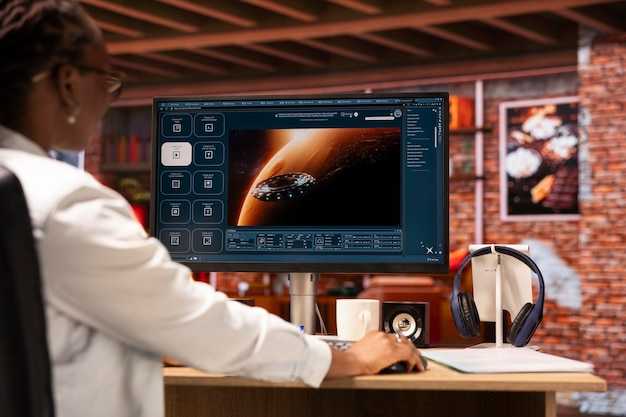
تثبيت خط أنابيب ألوان رئيسي وتطبيقه عبر جميع الأصول في دفعة واحدة عبر نصوص آلية. يضمن هذا مظهرًا موحدًا عبر المقاطع ويقلل من إعادة العمل في المراحل اللاحقة.
- تحديد مساحة الألوان: Rec.709، جاما 2.4، نقطة بيضاء D65؛ تعيين السطوع المستهدف إلى 120 شمعة/متر مربع؛ استخدام خط أنابيب 16 بت للحفاظ على التفاصيل.
- إنشاء أصل مرجعي رئيسي: تضمين بطاقة رمادية محايدة، عينة من لون البشرة، ورسم بياني للألوان؛ تخزينها كملاحظة نصية للمراجعة؛ الرجوع إلى هذا الأصل أثناء المعالجة.
- تنفيذ عملية تعيين الألوان: تحويل إطارات الإدخال إلى الإطار المرجعي باستخدام مطابقة الرسم البياني والتعيين الإدراكي؛ ضمان بقاء ألوان البشرة طبيعية؛ التحقق من وجود انحراف لوني عبر المشاهد.
- أتمتة خطوات الدُفعات: تشغيل البرامج النصية في وضع قائمة الانتظار؛ معالجة مجموعات الأصول حسب الفئة (المنتجات، المحتوى التسويقي، مواد التدريب) في تشغيل واحد؛ إنشاء سجلات التقدم بصيغة نصية لضمان إمكانية التتبع.
- مراقبة الجودة: تشغيل فحوصات دقة البكسل، بما في ذلك عتبات دلتا E لكل قناة؛ وضع علامة على الانحرافات التي تزيد عن 2.0 للمراجعة؛ مقارنة الرسوم البيانية مع المرجع للتحقق من الاتساق.
- التعامل مع الترجمة واللغات: الحفاظ على مظهر متطابق عبر إصدارات اللغات المختلفة؛ التحقق من توافق التسميات التوضيحية وسلاسل واجهة المستخدم وملصقات المنتجات بصريًا؛ الحفاظ على توازن الألوان في الأصول الدولية.
- الأمان والحوكمة: عمل نسخ احتياطية للإعدادات المسبقة والمرجع الرئيسي في خزانة مشفرة؛ فرض الوصول المستند إلى الأدوار؛ تتبع التغييرات عبر سجل تدقيق البرامج النصية.
- نصائح للكفاءة للمبتدئين: ابدأ بدفعة صغيرة (مجموعات أصول من 5-10) للتحقق من صحة خط الأنابيب؛ ثم قم بالتوسع لتشمل الكتالوج كاملاً؛ احتفظ بسجل للتعديلات لتسهيل التراجع.
- تفاصيل الأتمتة: ضع في اعتبارك ضوابط التعرض المستندة إلى الفوتونات، بالإضافة إلى البرامج النصية heygens لتنبيهات انحراف اللون؛ يحافظ هذا النهج على مظهر طبيعي مع تسريع التسليم.
بالنسبة للمؤسسات في فرق التجارة الإلكترونية والإعلام، يعمل هذا النهج على تسريع دورات الإنتاج، ويدعم رؤية واضحة للعرض المتناسق عبر اللغات والمنتجات والحملات، ويعزز الأمان حول التعامل مع الأصول.




