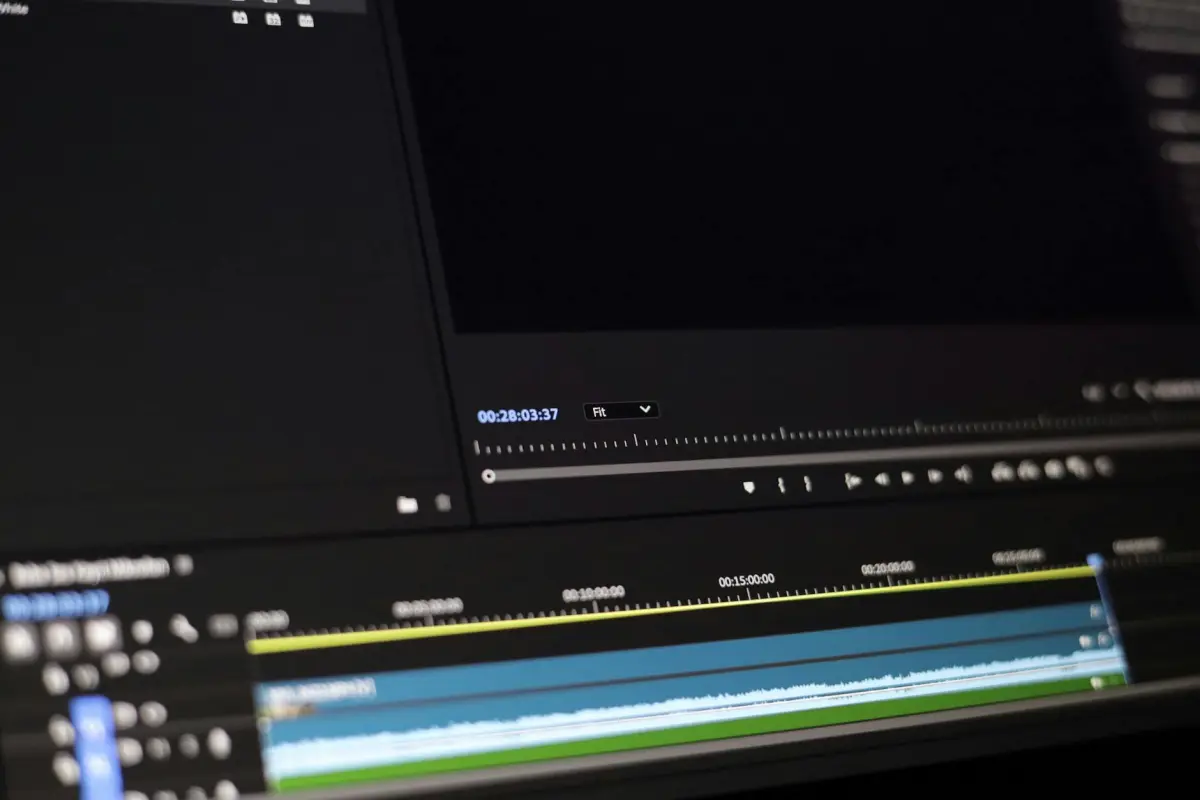
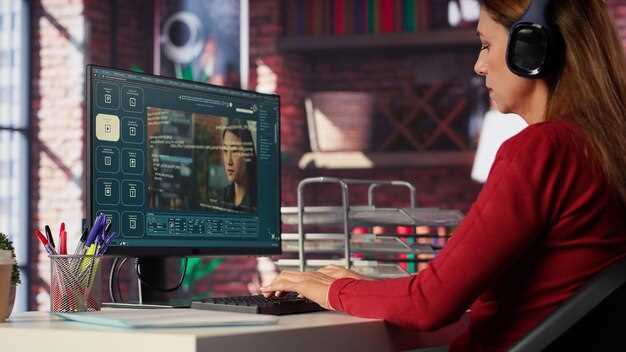
Почніть із розгортання пакетів програм для постобробки на базі ШІ, які забезпечують автоматичне тегування сцен та пропозиції щодо чорнового монтажу протягом кількох днів. У нещодавніх пілотних проєктах у кількох студіях було відзначено підвищення ефективності первинного монтажу на 30–50%, при цьому творчий контроль залишався незмінним. Цей підхід забезпечує хмарні технології для створення масштабованих робочих процесів та дозволяє командам ефективніше використовувати відео з високою динамікою.
Керівні принципи зосереджені на неруйнівних удосконаленнях, семантичному тегуванні та узгодженні емоційної розповіді. Принципи підтримують ефективну співпрацю та обмін знаннями, забезпечуючи, що метадані керують рішеннями щодо монтажу, тоді як попередні перегляди зберігають кінематографічний тон у різних варіантах. Цей підхід може стати стандартом для кожного проєкту, повторно використовуючи спільний каталог ресурсів, забезпечуючи справжню узгодженість.
Досягнення в галузі нейронного аналізу та аудіовізуального узгодження дозволяють точно налаштовувати темп, настрій та ритм без ручної роботи по кадрах. Нещодавні досягнення дозволяють використовувати перетворення мови на текст, виявлення сцен та моделі кольору для досягнення майже професійного рівня за лічені хвилини. Для практиків створення фільмів та кліпів це означає, що ви можете почати досліджувати багатовиariantні монтажі, які зберігають схожий настрій, одночасно адаптуючи їх для різних аудиторій.
Наслідки для продюсерів, редакторів та брендів включають прискорений вихід на ринок, зниження витрат та більш передбачувані результати. Знайте, що автоматизація — це не заміна, а система підтримки, яка забезпечує творчу свободу в масштабі. Важливо вимірювати задоволеність користувачів та узгоджуватися з принципами, щоб уникнути загального виходу, якому бракує емоційного резонансу з аудиторією.
Для початку впровадження в масштабі створіть легкий конвеєр: прийом, автоматичне тегування, чорновий монтаж, людський огляд та фінальне доопрацювання. Технології слід вибирати за сумісністю та ефективністю рендерингу. Переконайтеся, що ви надаєте чіткі показники часу рендерингу, вартості за хвилину та впливу на залученість аудиторії, а також постійно вивчайте та коригуйте на основі отриманих результатів.
З розвитком практик ролі редакторів стають більш стратегічними, зосереджуючись на цінності розповіді, тоді як автоматизація бере на себе повторювані завдання. Використовуйте зворотні зв'язки для вдосконалення попередніх налаштувань та дозвольте налаштуванням, натхненним reelmindais, стати справжніми орієнтирами в кожному виробництві.
Онлайн відеоредагування: Зростання інструментів ШІ та еволюція до фотореалістичної генерації відео
Щоб покращити можливості та впевнено публікувати ресурси, створіть робочий процес, побудований на навчених моделях, потужних технологіях та дисциплінованому тестуванні. Почніть з чіткої мети, візуалізуйте цільовий вигляд та окресліть запити, які керують кожним етапом. Обговорення референсних кадрів, блоків та поєднання традиційних ефектів із згенерованими ШІ кадрами дає чудову основу для якості рендерингу. Початковий план повинен визначати перешкоди, моделювати поширені режими збою та встановлювати цикл співпраці з партнерами для використання аналізу даних.
Для вибору запитів створюйте шаблони, які відповідають трьом основним стилям: нейтральний, стилізований та фотореалістичний. Використовуйте бібліотеку сцен, текстур та освітлення як орієнтир для калібрування результатів. Зберігайте версіонований каталог запитів, щоб ви могли відтворювати нові варіанти, зберігаючи узгодженість. Тестуйте початкові варіанти за об'єктивними показниками, такими як часова узгодженість, точність кольору, і ведіть журнал результатів для подальшого аналізу.
Перешкоди включають вартість обчислень, ліцензійні моделі та конфіденційність даних. Щоб мінімізувати ризики, віддавайте перевагу локальному або гібридному тестуванню з обмеженим використанням, впроваджуйте перевірку ліцензій на виходи та плануйте цикли тестування для перевірки вихідних даних перед публікацією. Ведіть спільний блокнот тестів з аналізом та діліться отриманими знаннями з командою для прискорення прогресу. Використовуйте модульний стек технологій, який може адаптуватися до нових моделей, мінімізуючи ризик, покладаючись на надійне управління даними для дотримання вимог.
Використовуйте інструменти, що підтримують пам'ять сцен, reelmind, для виклику референсних кадрів та зменшення надлишкових запитів. Використовуйте цей підхід для прискорення ітерацій, зменшення бюджетів на рендеринг та покращення узгодженості між кадрами. Під час вдосконалення прагніть освоїти основний набір примітивів рендерингу та підтримуйте стислий референсний аркуш для співавторів.
Щоб залишатися конкурентоспроможними, поєднуйте 3D-підказки із 2D-запитами та злиттям проходів рендерингу, використовуючи стабільний конвеєр, який підтримує пакетну обробку великих наборів даних. Підхід використовує тестовий пакет з об'єктивними показниками, включаючи узгодженість освітлення та точність руху, та публікує результати для демонстрації прогресу. При виборі обладнання надавайте пріоритет графічним процесорам з достатнім обсягом пам'яті та швидкими матричними операціями для скорочення часу ітерацій, а також розробляйте процес, який захищає інтелектуальну власність, одночасно сприяючи спільним дослідженням та розробкам. Дозвольте їм побачити практичні переваги, які надає ваша команда. Підхід використовує автоматизовані перевірки для валідації вихідних даних.
На сторінках проєктів підтримуйте чудовий набір референсних матеріалів та загальнодоступний демонстраційний ролик. Використовуйте аналіз кожного рендерингу для вдосконалення запитів та підтримуйте спільний стандарт тонів та освітлення, щоб результати від різних художників залишалися узгодженими. Цей спільний підхід допомагає конкуруючим групам наздогнати, не компрометуючи інтелектуальну власність.
Створіть контрольний список управління для вихідних даних, придатних для публікації: перевіряйте згоду, уникайте перекручення фактів та документуйте запити, використані для кожного кліпу. Надавайте чітке зазначення авторства та відстежуйте походження в сторінках та журналах, що допомагає під час співпраці з партнерами або передачі роботи конкурентам для бенчмаркінгу. Використовуйте чіткі показники для відстеження прогресу та забезпечення узгодженості з рекомендаціями бренду.
Рекомендовані дії: зібрати міждисциплінарну команду технологів, художників та керівників продуктів; визначити 3 початкові проєкти з різними запитами та референсними матеріалами; проводити щотижневі цикли тестування з конкретними показниками; документувати результати на сторінках для прозорості; планувати щоквартальні огляди для обговорення покращень та дорожньої карти.
Застосування генерації відео за допомогою ШІ: практичні етапи від піксельних правок до фотореалізму
Почніть із шестисекундного пілотного проєкту, використовуючи компактний набір даних та фіксований набір запитів для перевірки робочого процесу перед масштабуванням.
-
Створення початкових даних: виконуйте піксельні правки референсних кадрів для встановлення точних форм, текстур та вказівок щодо освітлення. Перетворіть правки на стислий набір запитів для ланцюжка "текст-у-відео". Майте базовий кадр, який можна повторно використовувати як шаблон для інших кадрів, забезпечуючи узгодженість по всій послідовності.
-
Інженерія запитів та автоматизація: розробляйте шаблони запитів, які фіксують об'єктивні деталі – освітлення, ракурси камери, властивості матеріалів та намір руху. Використовуйте автоматизовані двигуни gen-4 для перетворення запитів на початкові кадри, потім перевіряйте невеликими партіями. Відкрийте екосистему, зв'язавши ресурси, референси та конфігурації в центральному сховищі; це забезпечує масштабований робочий процес та легку співпрацю. Почніть створення бібліотеки посилань для запитів та ресурсів для прискорення ітерацій.
-
Узгодженість та відповідність: прив'яжіть ключові елементи до контрольних точок (поза, напрямок освітлення, баланс кольору) для підтримки узгодженості від кадру до кадру. Спростіть процес за допомогою автоматизованих правил ключових кадрів та етапу інтерполяції, який зберігає текстуру та затінення, зменшуючи мерехтіння. Це інтегрує обмеження руху та обробку прихованих об'єктів для стабілізації послідовності в різних сценах.
-
Фотореалізм та текстура: удосконалюйте тони шкіри, тканини, відблиски та мікродеталі за допомогою фізично обґрунтованого затінення та каліброваних перетворень кольору. Переконайтесь, що освітлення залишається узгодженим між кадрами, та застосовуйте деталізоване колірне градіювання та зернистість для уніфікації послідовності – від тіней до світлих ділянок – без втрати деталей.
-
Рух, камера та композиція: введіть природну динаміку камери, глибину різкості та розмиття в русі. Перевірте за допомогою стабілізації, керованої оптичним потоком, та синхронізації частоти кадрів. Почніть з кількох тестових дублів, потім розширюйтеся до довших записів, щоб завчасно виявити артефакти та відповідно скоригувати запити.
-
Постобробка, оптимізація та доставка: виконайте колірне градіювання, шумозаглушення та дизерінг; стисніть із цільовим бітрейтом для збереження деталей. Оптимізуйте для розповсюдження на популярних платформах, додайте субтитри та метадані сцен, а також підготуйте версії для різних співвідношень сторін. Ця оптимізація підтримує цілі доходу, узгоджуючи формати з уподобаннями аудиторії та вимогами до реклами.
Оцінка, обмін та зворотний зв'язок: створіть об'єктивні метрики для часової узгодженості, сприйнятного якості та точності виконання запиту. Діліться результатами з колегами за допомогою посилань та скріншотів, а потім вдосконалюйте запити та ресурси. Цей спільний цикл забезпечує постійне покращення робочого процесу та сприяє демократизації доступу до високоякісних результатів.
Цей підхід відкриває екосистему, що об'єднує художників, технічних спеціалістів та маркетологів, інтегруючи запити тексту до відео з автоматизованими конвеєрами. Він дозволяє командам створювати кінематографічні твори, які можна повторно використовувати в навчальних матеріалах, рекламних роликах та короткометражних фільмах, зберігаючи при цьому чіткий шлях до отримання прибутку через ліцензування, фріланс-роботу або внутрішні виробничі послуги. Вибираючи цільові застосування та оптимізуючи запити для кожної мети, творці можуть швидко розпочинати роботу, ділитися результатами та масштабувати виробництво — від початкової концепції до фотореалістичного фінішу — не жертвуючи контролем над художнім напрямком.
Як вибрати браузерний AI-редактор для розумного редагування сцен та узгодження кольору
Вибирайте браузерний редактор, що знаходиться на передовій у галузі розумного редагування сцен та узгодження кольору. Він повинен пропонувати потужну бібліотеку пресетів, автоматизацію, що прискорює робочі процеси, та плавний шлях до швидших, більш послідовних результатів на різних кадрах.
Оцінюйте функції безпеки та налаштування: неруйнівні коригування, безпечний експорт, параметри колірного простору та сумісність із поточним програмним забезпеченням.
Точність сегментації сцен важлива для збереження кутів та темпу. Віддавайте перевагу інструментам, які автоматично визначають зрізи та дозволяють вам точно налаштовувати точки обрізки за потреби.
Узгодження кольору між кадрами є критичним для захопливих виробництв. Шукайте автоматичне вирівнювання кольорів між кадрами, підтримку LUT та простий інтерфейс для налаштування кривих, зберігаючи природне освітлення.
Перевірки продуктивності: запускайте базові проекти на типових конфігураціях; вимірюйте затримку та прогнозоване скорочення часу під час дослідження.
Керування бібліотекою та безпечні робочі процеси: перевіряйте введення ресурсів, збереження метаданих, пакетне переналаштування часу та опції відкату; забезпечуйте безпечні зміни, які можна скасувати.
Підказки для прийняття рішень: зосередьтеся на досвіді та покращеннях; шукайте інструмент, який сигналізує про переконливе поєднання автоматизації, плавної роботи та вигод для виробництва. Після того, як ви протестуєте інструмент на різних сценах, ви зможете оцінити його магію.
Які налаштування експорту зберігають фотореалістичну деталізацію під час масштабування та видалення шуму
Експортуйте з глибиною кольору 10 біт, Rec.709, 4:4:4 хроматичністю, HEVC Main 10, з 2-прохідним кодуванням та цільовим бітрейтом 25–40 Мбіт/с для 4K. Рішення щодо цього конвеєра вимагають значних витрат часу, але необхідні для збереження фотореалістичної деталізації під час масштабування та видалення шуму. Зберігайте роздільну здатність 3840x2160, оригінальну частоту кадрів та GOP приблизно 120–180 кадрів. Уникайте агресивного видалення шуму в останньому проході; видаляйте шум попередньо за допомогою перевірених бібліотек, а потім застосовуйте легке підвищення різкості після масштабування. Для оновлення 1080p до 4K застосовуйте масштабування на основі gen-4 перед кодуванням; зберігайте плівкове зерно за допомогою опцій збереження зерна, якщо вони доступні. Якщо існують обмеження пропускної здатності, зменште роздільну здатність до 1920x1080 і встановіть цільовий бітрейт 15–25 Мбіт/с, зберігаючи 10-бітну глибину та 4:4:4 хроматичність якомога довше.
Усвідомлюючи, що рішення щодо формату, якості та доставки вимагають багато часу, впроваджуйте повторювані конвеєри. Цей шлях необхідний, коли команди працюють з розподіленими ресурсами та кількома бібліотеками в різних регіонах. Новий підхід поєднує спочатку видалення шуму з масштабуванням gen-4, а потім кодування з використанням налаштувань 2-прохідного кодування. Обчислювальне навантаження зростає; плануйте етапи за допомогою GPU в безперервній черзі, ви можете виконувати паралельно. Якщо ви знайомі з перевіреними моделями та бібліотеками, ви можете покладатися на рекомендації режисерів та колег-творців, зберігаючи художній задум.
Вибір пресетів повинен відповідати цільовим платформам; поряд з цим, зручність пошуку покращується, оскільки високочастотні деталі зберігаються на різних пристроях. Режисери та початківці редактори покладаються на рекомендації з перевірених джерел, а дані вибору зберігаються в розподілених бібліотеках. Людський огляд залишається необхідним для перевірки результатів та збереження художнього задуму.
Створення перевірок допомагає забезпечити узгодженість результатів. Відстежуйте артефакти після масштабування; уникайте надмірного підвищення різкості; зберігайте м'яке видалення шуму; зберігайте деталізацію країв; переконайтеся, що кольорокорекція заблокована перед експортом; підтримуйте калібрування на різних пристроях. Для масштабування gen-4 тестуйте на репрезентативному кліпі; тримайте невеликий набір для порівняння до та після; діліться результатами із зацікавленими сторонами для уточнення напрямку.
Як підготувати, позначити та анонімізувати кадри для доналаштування власної моделі
Почніть з простої інвентаризації в базі даних, зіставляючи кожен кліп з проєктом, сценою, статусом згоди та примітками щодо конфіденційності. Додайте теги, що описують контент, мову та контекст. Зберігайте великий каталог, який підтримує швидкий пошук та повторне використання для завдань доналаштування.
Заздалегідь визначте кроки анонімізації: зміна ідентичностей, розмиття облич, маскування номерних знаків, видалення біометричних метаданих та вилучення координат розташування з вбудованих даних. Використовуйте неруйнівні методи, щоб згенеровані мітки залишалися узгодженими з вихідними даними. Ведіть журнал змін та переглядайте результати.
Розробіть схему маркування з чітким зіставленням зі вхідними даними моделі нижнього рівня. Створіть довідковий лист з визначеннями тегів, прикладами кадрів та граничними випадками. Де це можливо, покладайтеся на простий абстрактний шар для збереження узгодженої поведінки між сценами. Використовуйте hailuo як довідковий набір даних для порівняння з базовими показниками, якщо це доречно, і документуйте сильні сторони кожного набору тегів для ширшої застосовності, як показано в списках перевірок у стилі Nelson.
Забезпечте контроль якості, впровадивши робочий процес перегляду: випадкова вибірка, перехресна перевірка міток з вихідним контекстом та вимірювання показників міжкодерської згоди. Зберігайте згенеровані мітки узгодженими з ідентифікаторами файлів та номерами версій; використовуйте журнали змін для полегшення відкату у разі помилок. Це допомагає керувати очікуваннями та покращувати якість даних з часом.
Автоматизація частин роботи прискорює підготовку до доналаштування. Створюйте легкі конвеєри, які копіюють необроблені кадри до зони підготовки, застосовують блоки анонімізації, експортують анонімізовані кліпи та автоматично додають метадані; використовуйте центральну базу даних для зберігання тегів, аудиторських нотаток та референтних точок. Де це можливо, зберігайте процеси простими та аудитованими. Це підвищує ефективність та узгодженість процесів.
Управління має значення: визначте елементи контролю доступу, терміни зберігання та політики видалення для дотримання норм конфіденційності. Розробіть план перегляду наборів даних перед повторним використанням та уникнення витоку конфіденційних елементів у подальших завданнях. Відстежуйте розбіжності в результатах та адаптуйте рекомендації щодо маркування для ширшої застосовності та зменшення упередженості в згенерованих результатах.
Для постійного вдосконалення підтримуйте актуальний довідник, який фіксує переваги вибору маркування та сфери для вдосконалення. Регулярно досліджуйте нові стратегії анотації, документуйте, які підходи найкраще працюють для висококласних сценаріїв, та адаптуйте робочий процес у міру розширення потреб.
Як додати AI-керовану інтерполяцію кадрів та синтез текстури до робочих процесів часової шкали
Почніть з активації AI-згенерованого етапу інтерполяції в спеціалізованій системі, потім запустіть синтез текстури як окремий етап, який повертається до контексту часової шкали. Цей підхід зберігає природний рух та розширює творчі можливості для деяких кадрів, надаючи основу для адаптивного дослідження.
- Сплануйте базові вхідні дані: встановіть цільову частоту кадрів, узгодьте витримку та виділіть окремий шар для згенерованих кадрів і текстур; виберіть модель інтерполяції на основі ШІ (AIGC) та надайте редакторам масив режимів для налаштування.
- Забезпечте захист від зловживань і впровадження: пісочниця, сувора перевірка згенерованих текстур і ведення журналів для відстеження дій протягом усього конвеєра.
- Надайте інтуїтивно зрозумілі елементи керування для редакторів: повзунок плавності руху, попередній перегляд, деталізація текстури, порогові значення відсікання та структурований контроль змішування для узгодження згенерованого контенту з ритмом оригінального кадру.
- Побудуйте багатошаровий процес: аналіз вхідних даних, етап інтерполяції кадрів, етап синтезу текстур, етап композиції та експорт; дослідження в різних умовах освітлення допоможе визначити, що відрізняє природний вигляд.
- Запропонуйте варіанти генерації: поєднуйте традиційні методи з генеративними шляхами; дозвольте налаштування палітри текстур, обробки країв і узгодженості руху; надайте кілька пресетів для прискорення робочого процесу.
- Залучайте зацікавлених сторін, демонструючи попередні перегляди в реальному часі під час відтворення часової шкали; це заохочує ітеративне дослідження та швидші рішення протягом усього виробництва.
- Оцініть економічний вплив: плавніший ритм зменшує кількість повторних зйомок і перемонтувань, що дозволяє ефективніше доставляти продукт і покращувати прибутковість проєктів.
- Усуньте ризики: утворення артефактів, повторення текстур або невідповідність між кадрами; запропонуйте запобіжники, такі як перевірка точності, узгодженість між кадрами та автоматичне повернення до вихідних кадрів у разі збою генерації.
- Безпека та керування: забезпечте неруйнівні робочі процеси, контроль доступу для редакторів та надійне версіонування для можливості відкату у разі виникнення проблем, пов'язаних зі зловживаннями.
- Доставка та перегляд: структуровані результати з виділеними профілями експорту, налаштованими для якості кінцевого продукту, та зразковим масивом попередніх переглядів для швидкого затвердження.
Цей підхід вирізняє галузь, яка поєднує контент, згенерований ШІ, із традиційним ремеслом, дозволяючи редакторам налаштовувати результати, зберігаючи при цьому контроль над ризиками та бюджетну дисципліну, забезпечуючи більш захоплюючий досвід. Цей підхід не обмежує експерименти; він скеровує до послідовних результатів і підтримує безпечні, економічно вигідні робочі процеси.