
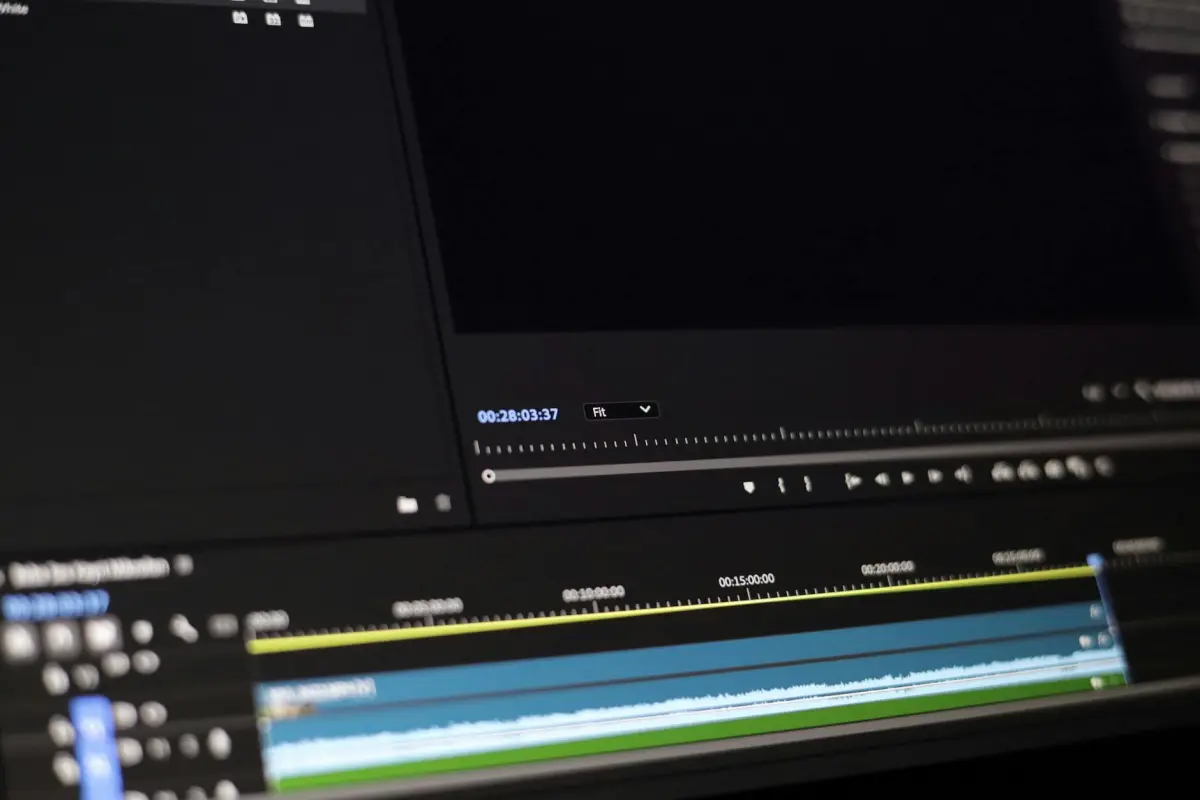
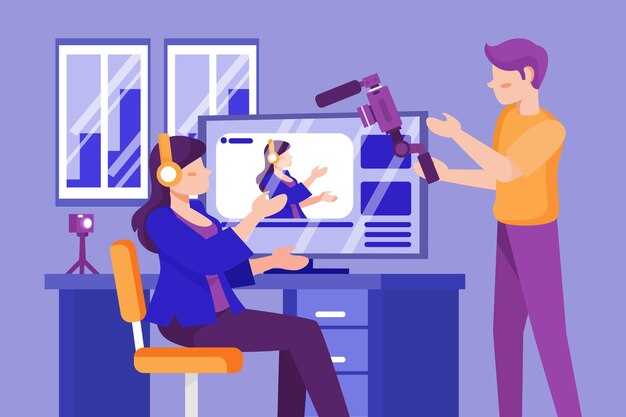
Почніть з брендованого портрета та чіткого сценарію озвучення, а потім дозвольте автоматизованим робочим процесам перетворити його на послідовність, готову до попереднього перегляду, за лічені хвилини. Якщо ви почали з цього ресурсу, ви можете масштабуватися для різних кампаній без необхідності переписувати сценарії.
Встановіть високу планку, поєднавши послідовний шрифт з універсальним акторським складом та кількома портретами, що відображають ваші клієнтські персони. Цей підхід зберігає візуальну цілісність на сторінках продуктів та в магазинах, поки ви тестуєте варіації в режимі реального часу. Пакет пропонує гнучкі цінові варіанти, щоб команди мали повний контроль під час зростання.
Досліджуйте тренди у короткому відеоконтенті, де функції, такі як автоматичне кадрування, динамічні переходи та озвучення, сприяють залученню. Використовуйте зворотний зв'язок від клієнтів для вдосконалення брифінгів; надавайте варіації, налаштовані відповідно до ринків та життєвих контекстів, включаючи багатомовні варіанти.
Незважаючи на складний творчий брифінг, інструменти на основі ШІ дозволяють швидко тестувати десятки ітерацій. Вони дозволяють експортувати ресурси для e-commerce каталогів, стрічок соціальних мереж та реклами. Ви можете повторно використовувати будівельні блоки для прискорення робочих процесів та збереження цілісності бренду.
Перетворіть знімки продуктів на живий витвір мистецтва, накладаючи фони, колірні зсуви та анімацію, створюючи персоналізований досвід, який резонує з покупцями. Результат оживляє візуальні ефекти та залишається брендованим на всіх каналах, від банерів до історій.
Якщо ви хочете продовжувати вдосконалювати, зберігайте легкий шаблон та бібліотеку акторів для прискорення виробництва. Цей підхід допомагає командам реагувати на відгуки, швидше запускати кампанії та підтримувати високу якість кінцевого продукту для вашої е-commerce екосистеми.
Чи є FlexClip зручним для початківців для перетворення зображень на анімовані відео?
Так. FlexClip чудово підходить для початківців, які бажають перетворити фотографії на відеоролики.
Крок 1: завантажте ваші фотографії. Крок 2: виберіть захоплюючий стиль, і дозвольте автоматичним переходам формувати плинність.
Крок 3: додайте стислий текст, відрегулюйте тривалість та покладайтеся на автоматичне встановлення часу, щоб зберегти чіткість темпу. Крок 4: перегляньте та доопрацюйте.
Ключові функції включають автоматичний механізм, який з’єднує фотографії у плавні послідовності руху, чисту робочу область та шаблони, що зменшують здогадки.
Орієнтири: Biteables та Renderforest показують, як шаблони підтримують швидкі результати; FlexClip забезпечує більш доступний робочий процес для творців, які цінують швидкість та контроль.
Випадки використання охоплюють контент-кампанії, промо-акції для електронної комерції та публікації в соціальних мережах, з пакетами шаблонів, що постійно поповнюються, та чіткими опціями експорту.
Річні плани відкривають додаткові пакети стилів та автоматично налаштовані тривалості, необхідні для більших бібліотек контенту та поточних кампаній.
Спеціальні поради: підготуйте короткий набір фотографій, підтримуйте візуальні ефекти з високим контрастом та враховуйте присутність персонажа (чоловічого чи жіночого) для підвищення співвідношення.
Висновок: для кожного творця FlexClip надає ефективний шлях до перетворення набору фотографій на візуальні рухи, з покроковими інструкціями та автоматичними функціями, що зменшують ручну роботу.
Як швидко розпочати: імпортуйте зображення та виберіть стартовий шаблон

Імпортуйте 8–12 зображень з бібліотеки раскадровки, потім виберіть один з трьох стартових шаблонів, щоб він відповідав темпу вашої розповіді. Ця налаштування дозволяє легко редагувати, вирівнювати субтитри та підтримувати узгоджений вигляд на всіх сценах.
З бібліотеки раскадровки створіть динамічну презентацію, включаючи продукти, що ростуть tempos, та персонажів; використовуйте зміни для тестування темпу, заміни на карикатури або елементи в стилі аніме, та зберігайте узгоджений вигляд.
Час субтитрів та часові маркери можна налаштувати за допомогою панелі функцій; прокрутіть три стартових макета, щоб знайти атмосферу для вашого каналу або соціальної стрічки, а потім застосуйте персоналізовані елементи за допомогою спеціальної бібліотеки ресурсів.
Як творець та викладач, ви можете допомогти своїй аудиторії рости; тільки ви можете налаштувати тон, використовувати моменти «попкорну» для висвітлення ключових моментів та підтримувати контент, який легко ділитися в демо-версіях для електронної комерції або в соціальних публікаціях.
В редакторі почніть з трьох шаблонів та оновлюйте ресурси, коли ви дізнаєтесь, що резонує; ви можете використовувати субтитри, персонажів та стилі аніме, щоб розширити свою бібліотеку, роблячи робочий процес ефективним для зростаючих каналів.
| Крок | Дія | Порада | Примітки |
|---|---|---|---|
| 1 | Імпортуйте з бібліотек раскадровок | 8–12 зображень; співвідношення сторін 16:9 | Використовуйте чисті ресурси для прискорення редагування |
| 2 | Виберіть один з трьох стартових шаблонів | Відповідність атмосфері: аніме, карикатура або корпоративний | Перегляньте перед застосуванням |
| 3 | Редагуйте та змінюйте сцени | Регулюйте час; додавайте субтитри | Тестуйте різні заміни, щоб покращити плинність |
| 4 | Опублікуйте на канал та в соціальні мережі / електронну комерцію | Застосовуйте персоналізовані елементи | Зберігайте оновлення та повторно використовуйте в майбутніх проектах |
Які функції допомагають початківцям створювати анімацію без навичок дизайну
Почніть з редактора на основі шаблонів, який пропонує перетягування пресетів руху та чистий інтерфейс. Використовуйте найкращі стилі та готові сцени, щоб зафіксувати темп без дизайнерських навичок. Платформа повинна дозволяти повторно використовувати успішні налаштування в декількох проектах. Неймовірно швидке введення в експлуатацію дозволяє рухати проекти з першої спроби.
Автоматична транскрипція додає субтитри та пошукову інформацію без додаткових кроків; це неймовірно корисно для доступності та залучення аудиторії, яка дивиться без звуку. Транскрипції спрощують нотатки для перегляду та допомагають узгодити повідомлення з вашими цілями.
Вибирайте інструменти, які інтегрують соціальний обмін, включаючи Facebook, щоб ви могли швидко тестувати варіанти з реальними клієнтами. Чіткий шлях експорту дозволяє змінювати розмір для стрічок, історій та реклами без переробки ресурсу. Інтеграція з аналітикою може спрямовувати ітерації для кращої продуктивності.
Підтримуйте високу якість виведення з білими фонами, реалістичними текстурами та насиченою бібліотекою наклейок для додавання індивідуальності. Послідовні пресети руху забезпечують узгоджений вигляд на всіх кліпах, підвищуючи впізнаваність та запам'ятовуваність.
Пропонуйте прості завантаження та офлайн-доступ до ресурсів, забезпечуючи плавний процес створення для маркетологів. Доступ до бібліотеки шрифтів, значків та накладень прискорює виробництво без дизайнерських навичок.
Забезпечте чіткі покрокові посібники та оперативну підтримку, щоб новачки могли захопити душу свого бренду, одночасно швидко перетворюючи ідеї на захоплюючі ресурси.
Дві основні служби, Kapwing та Animoto, надають широкий набір ресурсів та інструментів для створення руху.
Kapwing підтримує автоматичне створення субтитрів та активну бібліотеку ресурсів, тоді як обидві платформи підтримують діапазон форматів та швидкі експорти.
Як додати рух, субтитри та музику за кілька простих кроків
Крок 1: завантажте ваш запис у редактор і застосуйте білий фон для чистого, узгодженого вигляду. Якщо ви конвертуєте ресурси з різних форматів, використовуйте конвертер для стандартизації перед імпортом. Виберіть шаблон, зручний для швидких редагувань, і встановіть відповідну частоту кадрів, щоб зберегти чіткість руху. Розмістіть початковий ключовий кадр на початку та використовуйте ручки для формування шляху руху; зберігайте рухи тонкими та цілеспрямованими для професійного результату.
Крок 2: створюйте рух з точністю в інтерфейсі. Перетягуйте та регулюйте ключові кадри вздовж часової шкали; використовуйте ручки для налаштування кривих прискорення, щоб рух відчувався природно. Частіше переглядайте, щоб уникнути відхилень та зберігати природний вигляд руху, як плавний, органічний рух; якщо є кілька сцен, переконайтесь, що переходи відчуваються плавними.
Крок 3: додайте субтитри та озвучення. Використовуйте конвертер для вбудовування субтитрів або введіть їх вручну та встановіть час відповідно до діалогу. Виберіть чіткий шрифт з високим контрастом та зберігайте короткі рядки для читабельності. Записуйте озвучення безпосередньо в редакторі або імпортуйте чистий аудіо; вирівняйте за часом мовлення, щоб отримати унікальний, доступний результат.
Крок 4: Додайте музику та збалансуйте. Виберіть трек зі своєї бібліотеки підписок; тримайте музику спокійною під час розмовних частин і застосуйте затухання за допомогою ключових кадрів для плавних переходів. Налаштуйте рівні так, щоб озвучка залишалася домінуючою; переконайтеся, що музика підтримує настрій, не заглушаючи розповідь. Цей підхід розроблено для професіоналів і забезпечує стабільні, високоякісні результати. Він спеціалізується на швидкому виконанні завдань для команд та авторів контенту. Крок 5: Фіналізуйте та експортуйте. Здійсніть фінальну перевірку руху, субтитрів та синхронізації озвучки; попередньо перегляньте з навушниками, щоб виявити незначні проблеми з часом. Експортуйте безпосередньо з редактора у компактному форматі, оптимізованому для коротких відео; використовуйте унікальну назву версії та часто створюйте резервні копії для підтримки поточної роботи та збереження стабільних результатів. Цей розширений робочий процес масштабується для команд та агентств, забезпечуючи узгодженість експортів.Налаштування експорту для соціальних мереж: формати, роздільна здатність та співвідношення сторін
Експортуйте MP4 (H.264) з роздільною здатністю 1080x1920 для вертикального відео; 30 кадрів на секунду, базова лінія; бітрейт 8-12 Мбіт/с; аудіо AAC 128-256 кбіт/с; тримайте ключові кадри приблизно кожні 2 секунди. Для контенту з інтенсивним рухом (синхронізація губ, талісман, комікс) підвищуйте до 60 кадрів на секунду та 15-20 Мбіт/с, якщо платформа це дозволяє.- Вертикальне 9:16 (Stories, Reels, Shorts): 1080x1920; MP4; 30 кадрів на секунду (60 кадрів на секунду опціонально); 8-12 Мбіт/с відео, 128-256 кбіт/с аудіо; тримайте важливі елементи в центральній безпечній зоні.
- Квадратне 1:1 (Стрічка): 1080x1080; MP4; 30 кадрів на секунду; 8-12 Мбіт/с; стислий текст та фокусна дія по центру, щоб уникнути обрізання на мобільних пристроях.
- Альбомне 16:9 (Веб, Десктоп): 1920x1080; MP4; 30 кадрів на секунду; 10-20 Мбіт/с; зберігайте ключові візуальні елементи в лівій третині для текстових накладень на деяких платформах.
- 4K UHD (Брендові кампанії, високоякісні кліпи): 3840x2160; MP4; 30 кадрів на секунду; 35-60 Мбіт/с; використовуйте лише тоді, коли платформа підтримує 4K, а пристрої глядачів можуть відтворювати його без додаткового буферизації.




