
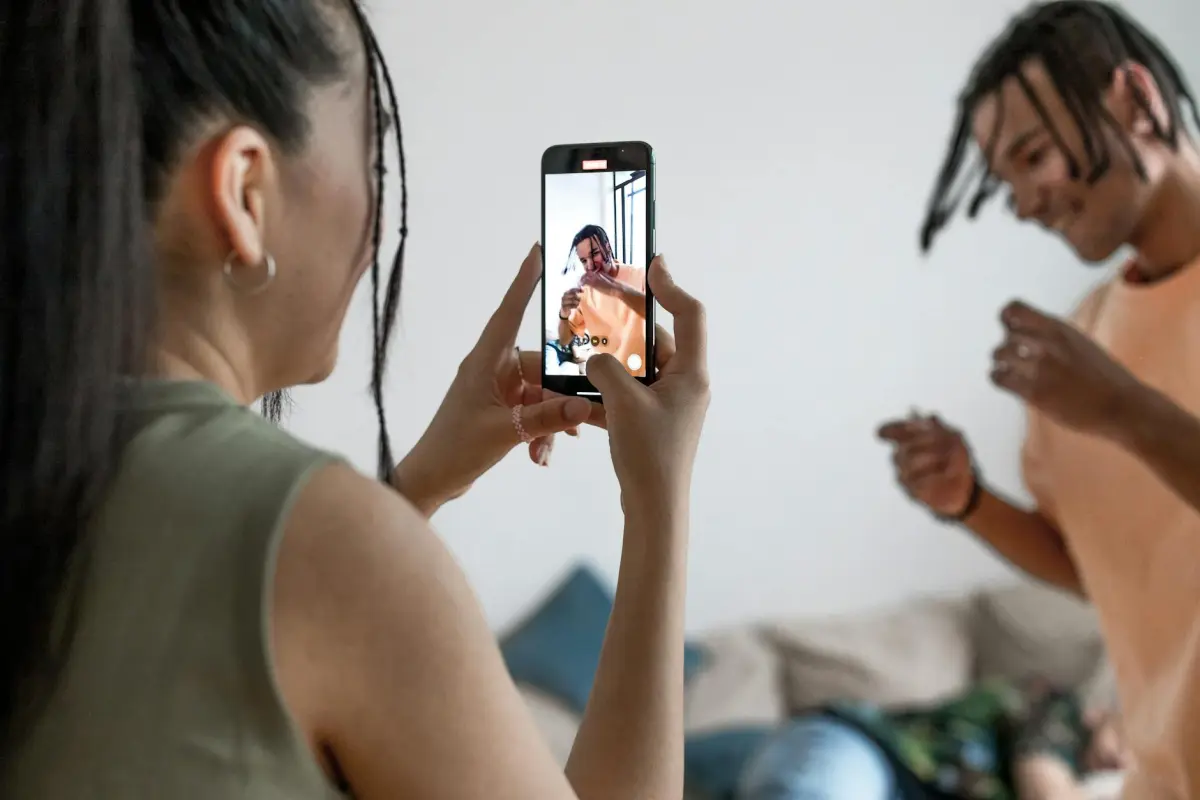
Почніть з одного шаблону кадру, який відповідає вашому бажаному настрою, і нехай він спрямовує кожне наступне кліп. Завдяки робочому процесу на базі ШІ ви можете узгодити тон з руховими підказками та звуком, зберігаючи при цьому процес простим. Для користувачів, які прагнуть до професійних результатів, цей підхід ефективний і зменшує кількість ітерацій після початку роботи.
Створіть стартовий набір з 3–5 шаблонів та 2–3 пакетів ресурсів, які регулярно оновлюються. Це допомагає користувачам швидко створювати послідовні кліпи. Руховий кліп у форматі 1080p, відрендерений на середньопродуктивному GPU, завершується за лічені секунди; вищі роздільні здатності або довші послідовності можуть зайняти більше часу, але цифровий робочий процес добре масштабується для команд. Цей підхід залишається ідеальним для тих, хто потребує швидкого оберту з балансом звуку та хорошими результатами. Ці кліпи можна зібрати у відео для публікації в соціальних мережах.
Щоб спростити виробництво, розбийте ваші потреби на 3-етапну рутину: (1) зберіть ресурси (логотипи, шрифти, аудіо) (2) налаштуйте стартовий шаблон з бажаним темпом та кольоровим стилем (3) відрендерете та ітеруйте. Після того, як ви почали використовувати цей потік, він швидко трансформує багато варіантів; інструмент не вимагає програмування та автоматизує рутинні перевірки синхронізації губ та ритму. Для професійного результату тримайте довжину кадрів короткою та узгоджуйте рух з нормами платформи.
Аналітика стимулює оптимізацію: відстежуйте час перебування, відсоток пропусків та повторні перегляди сегментів, щоб спрямовувати наступну партію. Запуск 2–3 A/B варіантів може помітно підвищити залученість. З кожним доданим ресурсом досвід стає все більш узгодженим з цільовою аудиторією, а робочий процес стає ефективнішим для кампаній, які повинні масштабуватися на різних каналах. Це особливо корисно для цифрових команд з обмеженими потребами.
Чи є ШІ перетворення зображень на відео на мобільних пристроях здійсненним?
Рекомендація: На мобільних пристроях створення монтажу з зображень у рух можливе для повсякденного використання; використовуйте ШІ на пристрої з легкою бібліотекою пресетів; цей підхід дає найкращі, простіші, зручніші результати.
Апаратні обмеження: час роботи від батареї, навантаження на ЦП/ГП, ОЗП. Середньопродуктивні телефони з 6–8 ГБ ОЗП можуть відтворити послідовність довжиною 5–12 секунд з простою темою; для довшого або багатшого контенту відвантажуйте в хмару, коли мережа та політика дозволяють; тенденції показують, що творці віддають перевагу ітераційним циклам; забезпечте збереження контексту та енергоефективність.
Стратегія: тримайте розмір ресурсів невеликим, використовуйте єдину тему, розміщуйте текст та графіку для максимальної читабельності; використовуйте напристроїний голос для озвучення або додавайте закадровий голос; після обрізки ресурсів уникайте складних переходів; візуально чіткі результати часто залежать від освітлення та емоцій; покращене масштабування може бути використано.
Робочий процес: виберіть програму-виробник з найкращим UX, кураторською бібліотекою та легким експортом; почніть з теми монтажу на день народження або іншого контексту; переглядайте шаблони, замінюйте фотографії, налаштовуйте час; перетворюється на відполірований кліп за миті.
Докази: відгуки підкреслюють простоту, хороші результати та швидку ітерацію; користувачі часто хвалять легкість обміну та можливість налаштувати тон відповідно до аудиторії; приклади показують емоції через колір та темп.
Висновок: мобільна здійсненність зростає, коли ви поєднуєте інференс на пристрої з розумним резервним копіюванням у хмару, оптимізованими шрифтами, розміщенням та аудіо; для швидких, спеціальних проектів шлях на пристрої є хорошим; для багатших історій плануйте робочий процес виробника, який дозволяє використовувати голос та закадровий голос, і пам'ятайте про конфіденційність даних.
Як ШІ перетворення зображень на відео інтерпретує візуальні ефекти на смартфонах
Виберіть 3–5 ресурсів та 2 прості фони, потім проведіть експеримент на своєму смартфоні, щоб побачити, як ШІ перетворення зображень на відео перетворює візуальні ефекти на захоплюючі кліпи.
Інтерпретація на пристрої аналізує медіа точка за точкою – вектор руху, розподіл кольору та межі об'єктів – щоб можна було вибрати темп та переходи без розкадровки. Система використовує неявні підказки для керування стилем, тоді як фони сегментуються, щоб утримувати об'єкт у центрі уваги. Ці кроки часто відбуваються в межах програми, а експорт створить готовий до розповсюдження кліп, тоді як той самий процес формує відео, що з'являються на екрані.
Щоб досягти високоякісного результату, надайте надзвичайно чисті медіа, уникайте плутаних фонів та вибирайте вертикальні кадри для соціальних мереж; інструмент часто зберігатиме деталі та забезпечить простий, наскрізний робочий процес. Інструменти, вбудовані в платформу, спрощують експорт та зменшують клопіт, дозволяючи генерувати анімовані ресурси безпосередньо на пристрої.
Соціальні формати віддають перевагу стислим, захоплюючим сегментам; продуктові команди можуть повторно використовувати ці ресурси для тестування підписів та фонів, що прискорить ітерацію їхніх кампаній та швидше виведе контент на ринок. Цей підхід дозволить генерувати кліпи, які відчуваються природними, згуртованими та готовими до розповсюдження без додаткових кроків.
Частина процесу: 1) виберіть ресурси; 2) виберіть фони; 3) встановіть тривалість та частоту кадрів; 4) експорт високоякісних медіа; 5) перегляньте на пристрої, щоб підтвердити вирівнювання кадрів та ритм.
Рекомендовані мобільні додатки та веб-інструменти для створення на ходу
CapCut на мобільних пристроях ідеально підходить для редагування на ходу, пропонуючи формати, включаючи 1080p та 4K, накладання зображень, ефекти руху та готові до використання мініатюри, підтримуючи рекламні кліпи та дозволяючи миттєве розповсюдження.
Крім того, InShot залишається зручним для користувача, з шаблонами та пресетами, які конвертують між форматами (квадрат, вертикальний, 16:9). Від iOS до Android, він створює готові до розповсюдження рекламні матеріали для соціальних стрічок, такі як підписи, накладання та музика, допомагаючи вам враховувати різні співвідношення сторін, незважаючи на величезний вибір; крім того, він підтримує офлайн-редагування.
Clipchamp, веб-інструмент, пропонує потужний набір функцій, включаючи редагування за допомогою ШІ, стокові зображення та експорт у доступні формати (MP4, MOV, WEBM) з регульованими співвідношеннями сторін. Він надає готові мініатюри та рекламні шаблони, особливо корисні для команд та індивідуальних творців, для забезпечення стабільності брендингу продуктів на різних платформах.
Kapwing підтримує співпрацю для команд та інших осіб, пропонуючи шаблони руху, текст у мову, автоматичне субтитрування та конвертацію форматів. Він доступний на мобільних пристроях та у веб-версії, допомагаючи покращити брендинг на різних платформах, дозволяючи швидку ітерацію.
На iOS LumaFusion пропонує професійне багатотрекове редагування, пресети руху та експорт до 4K. Він підтримує накладання зображень, ключові кадри та корекцію кольору, що робить його ідеальним для творців, які хочуть глибшого контролю на ходу.
Покроковий робочий процес перетворення зображень на короткі відео
Рекомендація: сплануйте проект з обмеженим обсягом: бажаєте перетворити пакет існуючих зображень на компактний слайд-шоу тривалістю 60–90 секунд, вибираючи широкий кадр 16:9 для YouTube, що відповідає очікуванням глядачів та забезпечує професійний результат.
Зберіть ресурси: зберіть 8–12 зображень, перевірте роздільну здатність, обрежте до послідовного співвідношення сторін та налаштуйте яскравість, щоб зберегти однорідний вигляд протягом усієї послідовності.
Швидко створіть концепт розкадровки: розташуйте зображення частинами, які розповідають історію, сплануйте темп та вирішіть, де з'являтимуться підписи; це забезпечить плавний прогрес.
Відкрийте Pictory у зручному інтерфейсі та почніть новий проект; встановіть цільовий кадр 16:9, потім імпортуйте ресурси. Цей посібник робить кроки легкими для виконання та допомагає вам працювати ефективно.
На цьому етапі виберіть переходи та час: застосуйте різноманітні плавні затемнення, ковзні переходи та тонкі зуми; тримайте кожен кадр приблизно 2–4 секунди залежно від вмісту.
Додайте накладання обережно: заголовка на початку, необов'язкових нижніх підписів та заключного кадру з кредитом творця; переконайтеся, що текст залишається привабливим та читабельним для глядача.
Додайте аудіо: змішайте музику без роялті з послідовністю або додайте коротке замовне озвучення; збалансуйте рівні, щоб не перевантажити зображення.
Часто попередньо переглядайте: перевіряйте час, вирівнювання кадрів, узгодженість кольорів та синхронізацію аудіо; ітеруйте, доки це не стане легким для розуміння.
Завершіть план експорту: виберіть MP4, 1080p, 30fps та консервативний бітрейт для плавного відтворення на YouTube; назвіть файл описово та підготуйте мініатюру.
Де публікувати: завантажте на YouTube або вбудуйте на сторінку проекту; відстежуйте ефективність через зворотний зв'язок глядачів, щоб покращити ресурси для майбутніх частин проекту.
Ключові налаштування якості: роздільна здатність, частота кадрів, темп
Базова лінія: зафіксуйте 1920x1080 при 30fps; експорти залишаються керованими, а вигляд залишається чітким на більшості пристроїв. Якщо ви плануєте широке розповсюдження або портфоліо-ріл, експортуйте окрему версію 4K (3840x2160) та збережіть оригінальні високоякісні кадри для майбутніх редагувань.
- Роздільна здатність
- Базова лінія: 1920x1080 при 30fps; баланс між чіткістю та розміром файлу, підходить для публікації на більшості платформ.
- Шлях оновлення: використовуйте 2560x1440 або 3840x2160 лише якщо ваші ресурси підтримують масштабування; це зберігає вигляд на великих екранах та дозволяє обрізати без втрати важливого обличчя чи зображень.
- Співвідношення сторін: 16:9 є стандартом; для вертикальних стрічок використовуйте 9:16 або 1:1; переконайтеся, що вміст залишається вбезпечній зоні, щоб уникнути обрізання краю.
- Частота кадрів
- 24 кадрів/сек створює кінематографічний ефект; 30 кадрів/сек широко підтримується і забезпечує плавний рух; 60 кадрів/сек добре підходить для швидкої дії або навчальних посібників, що вимагають чіткого руху.
- Послідовність – ключ до успіху: дотримуйтесь однакової частоти кадрів у всіх сценах, щоб уникнути різких переходів, наприклад, при публікації на кількох платформах.
- Тестуйте послідовності з великою кількістю руху, щоб уникнути заїкань; використання правильної частоти кадрів допомагає виглядати краще та допомагає тим, хто хоче отримати плавний досвід.
- Плавні переходи між зміною сцен зменшують втому та покращують загальний досвід.
- Темп
- Визначте темп у секундах на кадр: 0,8–1,2 секунди для швидких соціальних кліпів; 1,5–2,5 секунди для пояснень; 3–4 секунди для кроків, що потребують деталей.
- Зберігайте різноманітність: чергуйте швидкі кадри з довшими паузами, щоб підтримати розповідь та зменшити втому.
- Покращуйте за допомогою анімації та заголовків; ці інструменти можуть ефективніше викладати ідеї та підтримувати творчий потік без зусиль.
- Уникайте типових помилок: занадто швидкі кадри пропускають інформацію; занадто повільний темп здається нудним; коригуйте ітеративно перед експортом.
- Переконайтеся, що темп відповідає музиці та ключовим словам, які ви хочете наголосити; темп, що здається природним, покращує продуктивність публікації.
- Для спеціальних кампаній налаштуйте темп відповідно до історії та аудиторії, щоб максимізувати вплив.
- Зусилля = менші, коли пресети керують часом; знайдіть ритм, який зменшує ручне налаштування та зберігає вміст цікавим.
Порада: виберіть базову лінію, яка відповідає вашим бажанням та тенденціям, а потім адаптуйте її для потреб публікації. Знайдіть баланс між легкістю та різноманітністю рухів; використовуйте пресети для бездоганної роботи. При експорті створіть кілька версій для різних сценаріїв публікації. Слідкуйте за трендами у своїй ніші, щоб залишатися креативними та досягати стабільних результатів за допомогою своїх інструментів для анімації рекламних рядків та підписів, що відповідають вашим ключовим словам.
Обмеження та поради щодо оптимізації роботи на мобільних пристроях
Зменште вихідну роздільну здатність до 1280x720 та обмежте частоту кадрів до 24 або 30 кадрів/сек; це безпосередньо зменшує навантаження на ЦП/ГП та використання пам'яті на більшості мобільних пристроїв, зберігаючи при цьому розбірливість для привабливих результатів. ніколи не починайте з найвищих налаштувань; завжди тестуйте поетапно.
Вибирайте формати та кодеки, які не перевантажують пристрій: використовуйте пресети, сумісні з H.264/AVC або HEVC; зверніть увагу, що деякі формати погано працюють на старих пристроях. Для широкої сумісності вибирайте популярні формати, розроблені для широкої підтримки, та зберігайте бібліотеку ресурсів невеликою.
Ніколи не завантажуйте всі ресурси одночасно; уникайте завантаження з віддалених джерел; попередньо завантажуйте їх з пам'яті за допомогою курованої цифрової бібліотеки ресурсів з багатьма популярними елементами; ця конструкція забезпечує плавніший час та зменшує енергоспоживання на мобільних пристроях.
Використовуйте масштабування та наближення лише за необхідності; уникайте частих взаємодій зі масштабуванням; попередньо рендеріть масштабовані кадри в редакторі; це допомагає використанню ЦП та зберігає чіткість країв для привабливих розділів; переконайтеся, що елементи інтерфейсу користувача не рендеряться щокадру; кешування може допомогти.
Вимкніть скрипти виявлення обличчя, якщо вони не використовуються; ці алгоритми, що працюють на кожному кадрі, можуть перевантажити процесор; плануйте такі скрипти під час простоя; використовуйте маски з нижчою роздільною здатністю для відстеження обличчя; ніколи не запускайте всі завдання на повній швидкості.
Тестуйте на різноманітних пристроях; вимірюйте час кадру, розряд батареї та теплове зниження продуктивності; націлюйтеся на 24 кадрів/сек на апаратному забезпеченні середнього класу та коригуйте, щоб підтримувати привабливий вихід без перевантаження ресурсів; переконайтеся, що охоплені популярні профілі пристроїв та відповідним чином налаштовані пресети.




