Рекомендація: Почніть з контрольованої партії кліпів, отриманих за згодою, та узагальненого, керованого спільнотою набору даних. Використовуйте експерименти з обміну на нейтральних сценах для перевірки автентичності без розкриття конфіденційної інформації, а потім масштабуйте. Відстежуйте вирази обличчя, щоб забезпечити фотореалістичні результати та зберегти збережені вихідні матеріали.
Дотримуйтесь дисциплінованого робочого процесу: документуйте згоду, ведіть доступний для перевірки слід і обмежуйте використання освітніми контекстами. Їхні команди повинні провести ще один раунд тестів для підвищення реалізму, захищаючи від маніпуляцій і зловживань. Результати повинні бути автентичними та фотореалістичними, з чітким журналом наборів даних використаних, збережених із збереженням приватності.
Розширюйте можливості, збираючи різноманітний набір виразів обличчя та зовнішностей у регіоні Азії та за його межами, спираючись на фотореалістичні очікування. Це допомагає вставленим рендерингам виглядати автентично та адаптивно, особливо в Азії та в громаді. Це також підтримує освітню місію та більш реалістичні результати відтворення, не порушуючи безпеку. Конвеєр отримує вигоду від відкритого обміну результатами та зворотним зв'язком, допомагаючи зменшити упередженість та покращити фотореалізм у різних сценах.
У контексті мемів надавайте чітке розкриття інформації, щоб запобігти обману; уникайте зловживань під час дослідження портативних робочих процесів. Це зменшує ризик маніпуляцій та підтримує освітній, відповідальний підхід, з опціями, які залишаються доступними без преміум функцій і можуть бути відкрито поширені для отримання зворотного зв'язку.
Вимоги до опорного зображення: освітлення, роздільна здатність та охоплення обличчя
Конкретна рекомендація: розсіяне, нейтральне освітлення при 5500–6500K із зафіксованим балансом білого та експозицією; розташуйте два м'які джерела приблизно під кутом 45 градусів до кожної сторони, трохи вище рівня очей, і використовуйте нейтральний фон; уникайте контрового світла та різких тіней; коли це можливо, контролюйте природне світло за допомогою дифузорів, щоб підтримувати послідовність між сценами та уникати кольорового дрейфу. Історично студії боролися з кольоровим дрейфом та невідповідною естетикою; ця фіксована установка зберігає візуально узгоджений вигляд у соціальних кампаніях та преміальних маркетингових файлах, а також підтримує дублювання та перенесення на основі двигуна через конвеєр. Оновлюйте калібрування кольоровою карткою кожні кілька зйомок, щоб відповідати необхідним стандартам, і зберігайте активи як окремі, добре позначені файли.
Роздільна здатність та кадрування: мінімум 1920x1080; переважно 3840x2160 (4K) для преміальних активів; зберігайте кадрування 16:9; рекомендовано 10-бітну глибину кольору, коли це можливо; знімайте в RAW або log, щоб зберегти широкий динамічний діапазон; експортуйте або архівуйте у форматах без втрат, таких як TIFF або PNG; якщо використовується послідовність, надавайте кадри PNG; уникайте агресивного стиснення JPEG, щоб мінімізувати артефакти від зовнішніх впливів та зберегти деталі для чистого перенесення всередині двигуна. Цей підхід дає візуально узгоджені результати та відповідає статтям ECCV та встановленим практикам у відомих кампаніях, особливо коли одні й ті ж візуальні елементи з’являються в соціальних мережах та в циклах оновлення довгострокового маркетингу.
Охоплення обличчя та кадрування
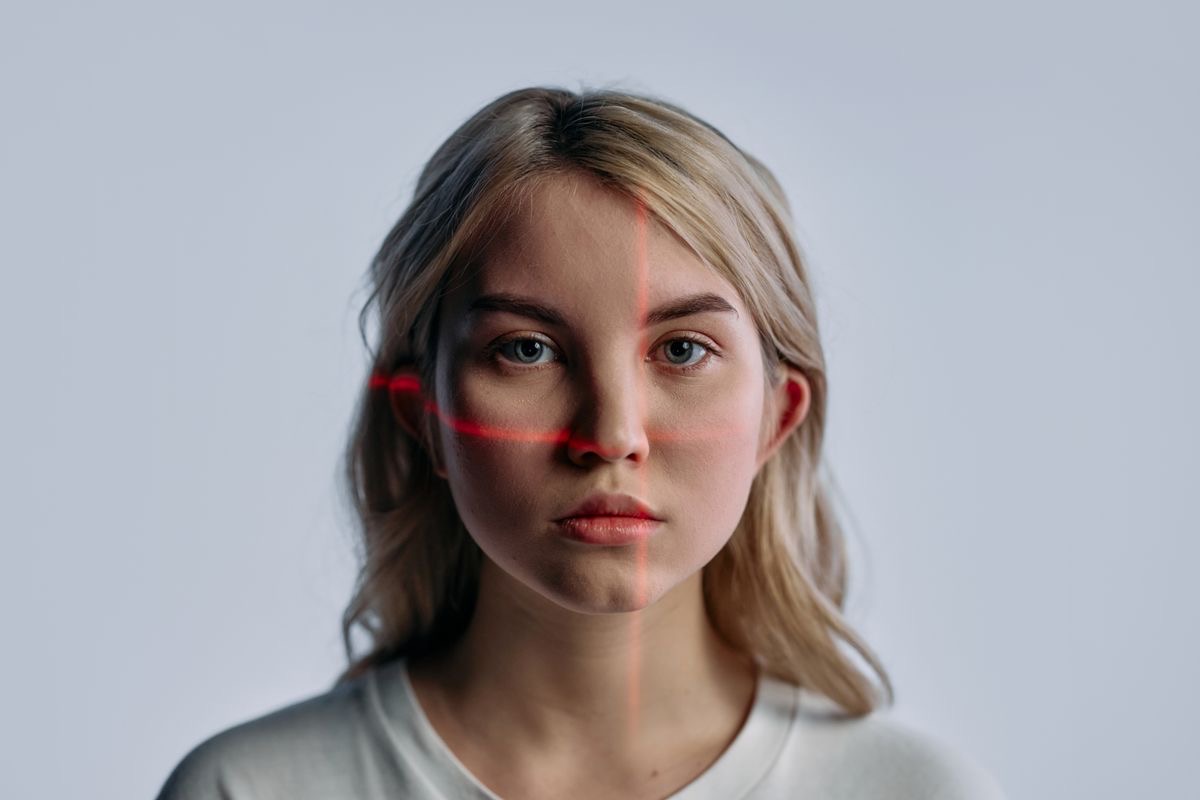
Переконайтеся, що в кадрі видно всю область обличчя: композиція "голова-плечі"; уникайте перекриття сонцезахисними окулярами, масками, капелюхами або волоссям; очі та брови чітко видно; погляд спрямований на камеру; зберігайте нейтральні або стандартні вирази обличчя для підтримки сильної асиміляції даних для перенесення в реальному часі або офлайн-двигуни; використовуйте помірну фокусну відстань та відстань приблизно 1,0–1,5 м, щоб мінімізувати спотворення; включіть дві-три варіації пози чи виразу обличчя, щоб охопити різні умови освітлення та кути; підтримуйте послідовне освітлення, щоб зберегти естетику між знімками та між соціальними та маркетинговими контекстами, не порушуючи зовнішній вигляд; надавайте активи з посиланнями та примітками для дублювання та майбутніх оновлень.
Вирівнювання обличчя: прив'язка орієнтирів до відео кадрів
Почніть з потужного детектора орієнтирів та застосуйте тимчасове згладжування для стабілізації прив'язок у кожному кадрі. Цей підхід забезпечує послідовне вирівнювання в послідовностях високої чіткості та підтримує соціальні робочі процеси, створюючи надійні, відтворювані редагування. Дотримуйтесь модульного конвеєра, який зберігає дані для кожного кадру в доступних файлах і може бути розширений додатковими підказками чи варіаціями.
- Виявлення та нормалізація: запустіть узагальнену модель орієнтирів для кожного кадру, щоб отримати координати; перепроектуйте до спільного кадру прив'язки за допомогою подібної трансформації; збережіть як карти для кожного кадру у файлі, специфічному для суб'єкта.
- Тимчасова фільтрація: застосуйте фільтр Калмана з вікном згладжування 5 кадрів або 3-кадрове експоненційне ковзне середнє для зменшення тремтіння при збереженні ознак руху.
- Просторове моделювання: застосуйте пошматовано-афінне викривлення для прив'язки локальних областей (очі, ніс, рот), уникаючи глобальних спотворень під час екстремальних виразів обличчя.
- Надійність та оцінка: тестуйте проти змін освітлення, перекриттів та зовнішніх збурень; вимірюйте дрейф орієнтирів за допомогою потужної метрики; відповідно коригуйте процес для підтримки узагальненої обробки проти варіацій.
- Вивід та відстежуваність: генеруйте структури пошуку для кожного кадру та консолідовану карту редагування; переконайтеся, що підказки керують візуальним напрямком; експортуйте як структуровані дані та як композиції високої чіткості.
Тимчасова стабільність та метрики
- Набір метрик: обчисліть Нормалізовану Середню Похибку (NME) для кожного кадру та усередніть за послідовностями; ціль < 0,04 у добре освітлених кадрах, з матеріалом високої чіткості для забезпечення точності.
- Налаштування вікна: налаштуйте вікно згладжування до 5–7 кадрів при 30 кадрах/с, розширюючи до 8–12, коли послідовності включають сповільнену зйомку або великі зміни пози.
- Контрольні точки якості: запускайте повторне виявлення, якщо дрейф перевищує порогові значення; повторно ініціалізуйте трекер з нормалізованою позою раніше, щоб продовжити.
- Планування ресурсів: оцінюйте 20–40 мс на кадр на GPU середнього класу; пакетна обробка десятків або сотень файлів за один запуск.
- Сумісність: вивід відповідає загальним метаданим суб'єкта та може бути спожитий подальшими кроками обробки, забезпечуючи послідовну передачу між модулями.
- Документація та доступність: супроводжуйте стислими посібниками, прикладами файлів та прикладами підказок для полегшення експериментів як для новачків, так і для експертів.
Колірна послідовність: збереження тону шкіри між знімками
Встановіть єдину довідкову точку балансу білого в кожному кадрі та зафіксуйте цільовий тон шкіри в просторі Lab перед будь-яким кольоровим грейдингом.
За різних умов освітлення використовуйте модель виявлення, щоб виділити видиму шкіру, потім отримайте середні координати Lab шкіри та застосуйте дельта для кожного кадру, щоб вирівняти цільовий розподіл; це мінімізує дрейф між кадрами.
Послідовність у межах послідовності підтримується набором даних парних появ, що забезпечує картування на основі навчання, яке працює в реальному часі та виглядає природно під час відтворень.
Використовуйте емоційний сигнал разом з механізмом обміну, який обмінює стабільні за кольором появи без зміни текстури; забезпечуючи найкращий збіг для кожного емоційного стану між моделями.
Створюйте пресети з персональним брендингом та підписаними кривими кольору, пов'язаними з зовнішнім виглядом бренду, дозволяючи іншому активу створювати послідовні візуальні ефекти у реальному часі.
Використовуйте метрики, натхненні eccv, для кількісної оцінки колірної послідовності за допомогою Delta E між тонами шкіри, що є найкращою практикою в професійних конвеєрах.
Коли активи переходять до маркетингових матеріалів або дубляжу, зберігайте привабливий зовнішній вигляд без зміни кольору; забезпечуючи, що конвеєр розроблений для роботи під точковим освітленням та профільними камерами.
Ведіть текстовий, підписаний журнал кольорових трансформацій для забезпечення відтворюваності між кадрами та командами.
Ідентичність проти трансформації: керування реалізмом в редагуваннях
Рекомендація: Зберігайте ідентичність, прив'язуючи редагування до незмінних орієнтирів і застосовуючи трансформації тільки до відповідних контексту ознак; перевіряйте кінематичну безперервність у реальному часі на рухомих кадрах, щоб уникнути дрейфу при зміні освітлення. Використовуйте обмежений набір фільтрів та підхід, керований генератором, для збереження тонких змін та генеруйте результати з повною частотою кадрів з високою точністю текстури, щоб зберегти тон шкіри та деталі зображень.
Відхилення ідентичності відбувається, коли риси об'єкта мігрують між кадрами; коли виявлено невідповідність, поверніться до останнього дійсного стану та застосуйте поступове, обізнане з рухом коригування – використовуючи аудіо-сигнали для синхронізації руху губ із навколишнім рухом, зберігаючи структуру лише там, де це необхідно. Зберігайте підписані допуски, щоб риси залишалися послідовними під час рухомих послідовностей.
Етика та управління: бренд підтримує відповідальне редагування; діліться контентом лише за наявності згоди; згідно з правилами reelmindais, кожна зміна потребує підписаного дозволу, особливо у випадках за участю знаменитостей; позначайте будь-які динамічні редагування як натхненні встановленими стилістичними вказівками, щоб уникнути спотворення інформації; якщо суб'єкт з'являється через селфі, застосовуйте підхід обережно та зберігайте риси в природних межах. Використовуваний генератор контенту слід чітко розкривати, щоб уникнути введення аудиторії в оману.
Робочий процес та технічні нотатки: використовуйте зображення з бібліотеки контенту для створення динамічного стилю за допомогою конвеєрів facecraft відповідно до управління даними; література wacv щодо виявлення та сигналів руху інформує розрахунок руху; цикл зворотного зв'язку в реальному часі забезпечує ефективний попередній перегляд та зворотний зв'язок з повною частотою кадрів; використовуйте виявлення для позначення відхилень та дозвольте повторну обробку, якщо це необхідно; застосовуйте редагування лише за умови дотримання обмежень; діліться результатами з зацікавленими сторонами бренду через підписані журнали; цей підхід зберігає незмінність об'єкта під час руху та підтримує етичне використання протягом кампаній.
Практичний робочий процес: від імпорту відео до кінцевих експортних форматів
Заблокуйте налаштування імпорту та створіть 3-хвилинний тестовий кліп для калібрування моделей та налаштування освітлення перед масштабуванням.
Використовуйте конвеєр на основі відео, який виконує нейронне виявлення для пошуку голів та обличчя, оцінки пози та збору даних атрибутів; зберігайте пам'ять для кожного суб'єкта для збереження послідовності між сценами; ведіть журнал підписаної згоди та цикл перегляду, керований спільнотою, для безпеки та прав щодо їхніх мемів.
Структуровані етапи робочого процесу
Інгресія та підготовка: конвертуйте активи у проміжний формат з високим бітрейтом без втрат, перевірте частоту кадрів та окремо витягніть базове аудіо, щоб уникнути дрейфу синхронізації губ під час синтезу.
| Етап | Ключові дії | Вихід / Формат | Часовий проміжок |
|---|---|---|---|
| Інгресія та підготовка | транскодування в без втрат; генерація вказівників для кожного кадру; журналування підписаної згоди; створення посилань на набори даних | проміжні без втрат, вказівники для кожного кадру, журнал згоди | попередній |
| Виявлення та орієнтири | запуск нейронних моделей для виявлення області обличчя, пози голови та векторів атрибутів | карти виявлення для кожного кадру; матриця пози; вектори атрибутів | від реального часу до години |
| Пам'ять та послідовність | створення карти пам'яті для кожного суб'єкта; зв'язування між сценами; обробка персоналізації | профілі суб'єктів; прапорці послідовності | протягом проекту |
| Синтез та відтворення | застосування синтезу; збереження освітлення; вирівнювання рухів рота; робота з натовпом; забезпечення нескінченних варіацій | відрендерені проходи; виходи з відкоригованою позицією | на сцену |
| Дубляж та аудіо | отримання синхронізованого дубляжу; адаптація між мовами; забезпечення цілісності синхронізації губ | змішані аудіо потоки; дані про вирівнювання | за потреби |
| Якість та експорт | колірна корекція; перевірка рівня артефактів; створення кількох форматів | результати у кількох форматах | фінальний |
Цілі експорту та управління
Обирайте формати, що відповідають місцям призначення: оптимізовані для веб H.264/H.265 з роздільною здатністю 1080p або 4K, а також файли pinnacle-pro для архівування. Використовуйте пайплайн з перевіркою реверсії на всіх платформах для збереження характерних ознак, включаючи атрибути персоналізації та дані про позу голови. Підтримуйте потужний шар пам'яті, щоб їхні особистості зберігалися протягом редагування, та оновлюйте вхідні дані моделі новими наборами даних з публікацій ijcai, переконуючись, що набір даних залишається актуальним для професійних моделей. Зберігайте журнали змін атрибутів та різких редагувань для підтримки переглядів, керованих спільнотою, та відтворюваності.