Запровадьте ключовий набір генераторів на основі ШІ для контенту на різних платформах, а потім інтегруйте їх у свій робочий процес, щоб забезпечити стабільні результати для вертикальних форматів. Перш ніж продовжити, узгодьте цілі з потребами аудиторії та встановіть базовий рівень якості контенту на кожному етапі.
У режимі реального часу ці генератори забезпечують обробку чорнових монтажів, надають синтез показників ефективності та перетворюють сирий матеріал на універсальний контент. Вони дозволяють створювати варіанти, готові для цифрових каналів, зберігаючи при цьому голос вашого бренду, і легко масштабуються між каналами, спрощуючи співпрацю між командами.
Як окремі творці, так і маркетингові команди отримують вигоду, коли підхід залишається відповідним до цілей і цільового вертикального формату. У переповненому просторі надавайте пріоритет сумісності з вашим поточним робочим процесом та плану повторного використання активів у багатоплатформних виходах.
Щоб прискорити ефект, зберіть мінімальний стартовий комплект: цифрове завдання, кілька шаблонів форматів і легкий робочий процес, який тримає продажі в полі зору. Використовуйте переробку для адаптації одного й того ж контенту для різних каналів, дозволяючи генераторам керувати ітераціями, не порушуючи ритму.
Надалі вимірюйте те, що має значення: залученість, показники завершення та швидкість внесення змін. Вибирайте варіанти, які пропонують співпрацю в режимі реального часу, чіткі висновки та легке оформлення фінальних рендерів. Дисциплінований, цифровий підхід із визначеними цілями робить розробку ефективною та масштабованою.
Descript – Текстовий монтаж для кліпів інтерв'ю та подкастів
Почніть з текстового монтажу: імпортуйте інтерв'ю, створіть текстову транскрипцію, обріжте, перевпорядкуйте та відредагуйте кліпи, редагуючи текст, а потім експортуйте фінальні частини, ідеально підготовлені для розповсюдження.
- Прийом та зберігання: Імпортуйте аудіо з джерел, позначайте спікерів та покоління, зберігайте активи з чіткими метаданими. Це зменшує обсяг вашого дискового простору та полегшує пошук контенту пізніше.
- Редагування на основі тексту: Редагуйте за допомогою текстової транскрипції – вирізайте слова-паразити, видаляйте неправдиві твердження або помилкові висловлювання, об'єднуйте дублі, уточнюйте формулювання. Кожна зміна оновлює часову шкалу, зберігаючи контекст та зменшуючи суперечки між редакторами.
- B-roll та візуальні елементи: Прикріплюйте B-roll або статичні зображення до відповідних текстових сегментів; замінюйте або подовжуйте візуальні елементи без повторного редагування озвучки, забезпечуючи плавний потік.
- Експорт та розповсюдження: Експортуйте окремі кліпи або повні епізоди в кількох форматах, а потім файли, готові до завантаження для публікації. Підхід підтримує практичні робочі процеси та швидкі ітерації.
- Висновки та співпраця: Використовуйте висновки, отримані з транскрипції, для направлення переглядів, відстеження найефективнішого контенту та ітерації з членами команди. Ви побачите швидше затвердження та чіткіші підходи між поколіннями.
- Аватар та послідовність голосу: Підтримуйте постійний аватар ведучого або голосову персону, узгоджуючи текстові підказки з вимовою; це допомагає підтримувати тон між епізодами.
- Сумісність з lumen5: Результати текстового редагування добре поєднуються з lumen5 для візуального оповідання, забезпечуючи плавний перехід від усного контенту до субтитрованих візуальних елементів.
- Вплив на компанію: Для команди цей метод зменшує суперечки щодо правок, підтримує постійне вдосконалення та узгоджує процес створення зі стратегічними цілями. Існує масштабований процес створення, який стає стандартом для команд, що керують поколіннями контенту.
Як перетворити редагування транскрипції на точний до кадру відео монтаж
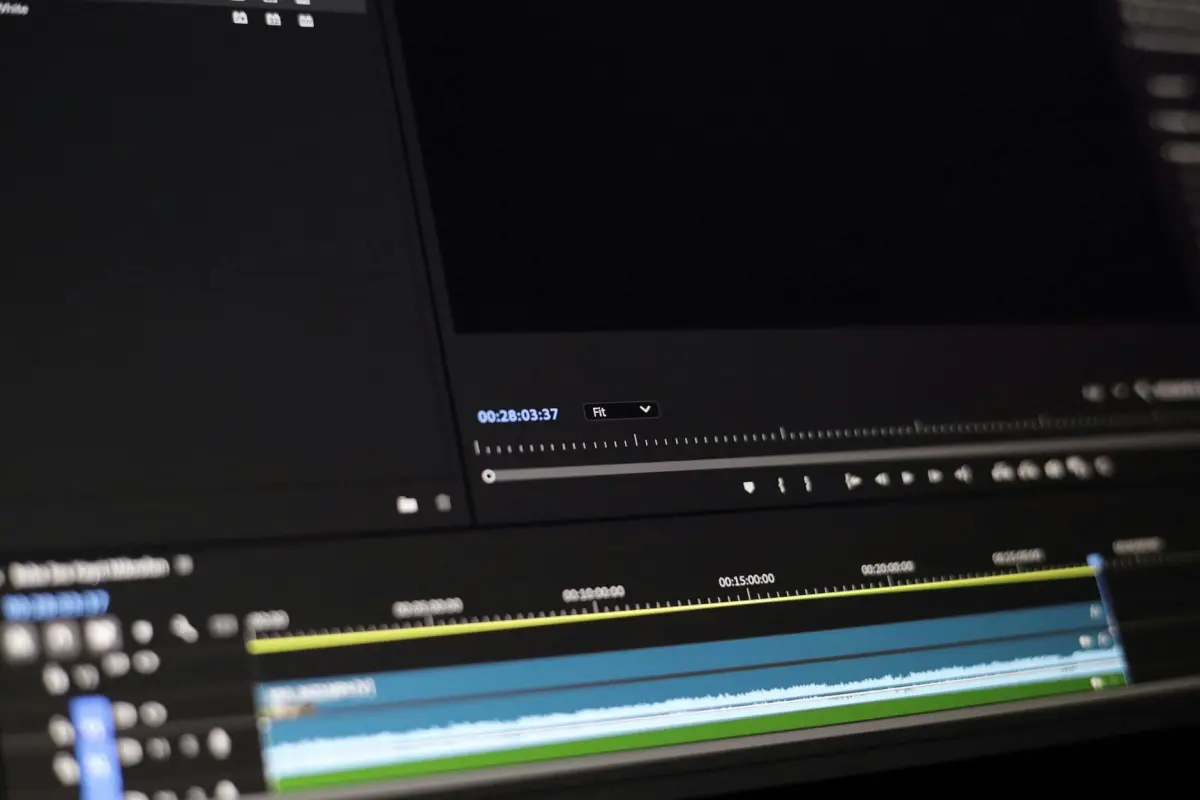
Експортуйте транскрипцію з точними позначками часу та імпортуйте її безпосередньо у свій редактор на комп'ютері. Призначте кожен усний сегмент до його точного діапазону кадрів за допомогою часових кодів, обріжте відповідний матеріал і підтримуйте плавні переходи. Вказівки щодо вирівнювання в сценарії – це підказки щодо вирізів та темпу.
Вибір стратегії має значення. Почніть з одного підходу: прив'яжіть кожен рядок до межі кадру, використовуйте виявлення для точного визначення початку та кінця, застосуйте точне обрізання. Якщо у вас є кілька дублів, виберіть найсильніше виконання в кожному сегменті та підтримуйте синхронізацію аудіо та відео. Ви можете підтримувати вирівнювання вздовж часової шкали. Виконайте одноразовий прохід для створення чистої основи, а потім внесіть зміни незабаром після цього. Цей крок вибору допомагає підтримувати ритм між сценами.
Покращуйте чіткість, видаляючи шум з аудіо доріжки та забезпечуючи відповідність голосу контенту на екрані. Вибираючи візуальні елементи, що супроводжують рядки, будьте прості: підбирайте тип кадру до усного настрою для більш привабливого результату. Використовуйте анімацію або рухомі елементи, щоб підкреслити ключові фрази, а не захаращувати кадр. Для бюджетних результатів використовуйте Canva для нижніх третин і простих накладок; Canva дозволяє експортувати безпосередньо на часову шкалу. Для компаній з обмеженим бюджетом цей підхід масштабується. Напрочуд, найпростіші вирізи можуть виглядати живими, коли вони узгоджені з природними мовленнєвими сигналами. Деякі команди також використовують InVideo для швидкої автоматизації, а потім доопрацьовують у робочому процесі на комп'ютері, щоб досягти реалістичних, значущих вирізів.
| Крок | Дія | Додаток | Результат |
|---|---|---|---|
| 1 | Експорт транскрипції з позначками часу та імпорт у редактор на комп'ютері | Редактор на комп'ютері | Точна основа до кадру |
| 2 | Призначення сегментів до кадрів за допомогою часових кодів; позначка початку/кінця | Маркери часової шкали | Точне обрізання; синхронізація мовлення з відеорядом |
| 3 | Вибір дублів, синхронізація аудіо з відеорядом; одноразовий прохід | Метод вибору | Стабільний темп між дублями |
| 4 | Доопрацювання з перехресними переходами та візуальними елементами; поєднання накладок Canva/InVideo | Canva / InVideo | Привабливі, бюджетні покращення |
Видалення слів-паразитів та виправлення заїкань без повторного запису

Уявіть, що ви починаєте з неруйнівної ланцюга редагування: експортуйте транскрипцію сесії, запустіть автоматичне виявлення слів-паразитів і зіставте кожен момент слова-паразита з хвильовою формою. Позначайте ці ocorrências та заїкання, обрізайте їх до коротких пауз або мікро-пауз, зберігаючи при цьому навколишні фрази. Цей підхід зазвичай заощаджує 20-40% часу, пов'язаного зі словами-паразитами, зберігаючи при цьому ритм без повторного запису.
Створіть таблицю показників за сценами: кількість, тривалість та спікери, а потім зосередьтеся на цілях темпу. Використовуйте солідний базовий рівень: видаляйте слова-паразити лише там, де значення залишається зрозумілим, і зберігайте навмисні паузи, що сприяють текстурі виступу. Ці маленькі паузи можуть посилити акцент, якщо їх залишити в потрібних місцях.
Для ремонту без повторного запису застосовуйте ШІ-допоміжну обробку заїкань на рівні фонем: розтягуйте часові межі цільових складів на кілька відсотків, згладжуйте переходи за допомогою перехресних переходів і заповнюйте пробіли контрольованими звуками дихання, якщо потрібно. Ручні налаштування є важливими, щоб уникнути зміни значення. Можливість налаштовувати інтонацію та акценти забезпечує досить природні результати, а не роботизовані виправлення.
Використовуйте співпрацю для підтримки студійної якості випуску: аватари можуть надавати альтернативні читання для сцен, де важливий тон, тоді як потужний конвеєр редагування зберігає цілісність аудіо. Перенесіть відкоригований аудіо до проекту та перевірте синхронізацію губ та ритм між сценами, щоб загальне відчуття залишалося солідним та послідовним.
Одним із недоліків, на який слід звернути увагу, є неправильне виявлення контексту, яке може тонко змінити значення. Раніше відредаговані фрази можуть бути порушені, якщо слово-паразит тісно пов'язане з ключовим терміном; завжди перевіряйте в контексті та скасовуйте будь-які зміни, що змінюють намір. Швидкий, сфокусований прохід після передачі виявить ці проблеми та збереже повідомлення недоторканим.
Прийдешні робочі процеси інтегруються з Lummi та іншими інструментами редагування голосу для розширення охоплення між сегментами з багатьма спікерами. Зосередьтеся на побудові співпраці між авторами, редакторами та аніматорами, і уявіть, як ви можете спростити процес. Цей підхід підтримує такі цілі, як швидший термін виконання, послідовний тон та захоплюючі сцени без необхідності нових записів.
Створення маркерів розділів, виділень та кліпів для спільного доступу
Встановіть маркери розділів кожні 60–90 секунд для більшості довготривалого контенту та додайте стислі, ключові назви до кожного сегмента, щоб покращити виявлення у відео. Цей підхід створює повну навігаційну структуру під час перегляду та зменшує суперечки щодо того, з чого почати або що пропустити; ви знаєте, з чого почати, а глядачі залишаються зацікавленими.
У своєму сучасному редакторі увімкніть виявлення сцени, щоб генерувати автоматичні маркери під час переходів, а потім перегляньте та налаштуйте їх відповідно до ключових моментів: зміни аргументів, візуальні зміни або цитати. У робочому процесі призначте внутрішніх відповідальних за кожен маркер і дотримуйтесь постійного стилю іменування для розділів, щоб підтримати масове впровадження різних стилів.
Цитати повинні охоплювати значущі моменти тривалістю 15–40 секунд; прагніть до 3–5 на годину, залежно від щільності. Кожна цитата повинна бути самостійним, доступним для поширення кліпом, який може привернути нових глядачів. Для роликів та інших коротких форматів створюйте коротші варіанти (9–15 секунд), щоб максимізувати залученість і максимальне охоплення. Дотримуйтесь тривалості кожного кліпу відповідно до норм платформи, щоб не втратити імпульс. Використовуйте повний контекст за потреби та уникайте наповнення; добре підібрана цитата передає основний аргумент, не розмиваючи його значення.
Приклад робочого процесу: після запису запустіть автоматичні маркери, потім поєднайте кожен маркер з описом в одне речення. Можна використовувати підказки lummi для стандартизації часу та точок вирізання. Конвертуйте кожен кліп у ландшафтний та вертикальний формати, щоб помістити його у відео, ролики та інші сітки. Не пропускайте моменти; підтримуйте висвітлення основних ідей контенту.
Візуалізація на часовій шкалі допомагає виявляти прогалини та розбіжності; перевірте внутрішню QA, щоб переконатись, що жоден важливий момент не був пропущений. Масові досягнення в редагуванні за допомогою ШІ дозволяють швидко налаштовувати довжину, колір та баланс аудіо. В рамках одного проекту повторно використовуйте маркери для різних стилів, платформ та команд, зберігаючи постійний стандарт у масштабі.
Правильне застосування цих практик дозволяє отримувати кліпи, придатні для поширення, які прискорюють виявлення без шкоди для глибини. Поєднання розділів, цитат і кліпів створює сучасний потік оповідання, який легко навігувати та повторно поширювати за допомогою роликів та відео. Контентні команди повинні відстежувати такі показники, як коефіцієнт завершення, час перегляду та кількість кліків, щоб з часом вдосконалювати довжину та стиль. Цей підхід підтримує стратегію контенту, де кожен момент може бути обґрунтований своєю метою, включаючи дива.
Експорт багатомовних субтитрів і форматів
Експортуйте субтитри у форматах SRT та WebVTT з кодуванням UTF-8 як останній крок локалізації; генеруйте варіанти з позначками мов, щоб голоси узгоджувалися на різних плеєрах та платформах. Ця база дозволяє забезпечити плавне відтворення та послідовне повідомлення для різноманітної аудиторії.
Формати для надання: SRT, WebVTT, TTML (DFXP) та SCC, де це доречно. Для веб та мобільних пристроїв WebVTT забезпечує швидке завантаження та стилізацію; SRT залишається широко підтримуваним для застарілих плеєрів; TTML та SCC обслуговують телевізійні та стрімінгові середовища з більш багатою стилізацією та мітками динаміка. Використовуйте єдине джерело правди для експорту всіх варіантів.
Автоматизація: налаштуйте конвеєр експорту, який видає кожен мовний файл у всіх форматах за один прогін. Використовуйте мовні коди (en, es, fr, de, zh-Hans тощо), призначайте правильні зсуви тайм-кодів і зберігайте простий файл відображення для зв'язування мови з іменем файлу. Це підвищує ефективність.
Перевірка якості: перевіряйте тайм-коди, переноси рядків та пунктуацію; тестуйте на реальних плеєрах і додатках; переконайтеся, що переноси рядків природні, а підказки з'являються перед озвученими сегментами щонайменше на 250 мс. Запускайте перевірки з різною частотою кадрів, щоб забезпечити узгодженість між платформами. Ці перевірки забезпечують надійність.
Права та локалізація: підтверджуйте права на мовні версії, забезпечуйте правильні мітки динаміка та індивідуальну пунктуацію, переноси та використання великих літер для кожної мови. Зберігайте єдиний архів, який містить узгоджені переклади та редагування; це забезпечує відстежуваність та уникає суперечок. Зберігайте узгодженість між мовами, це ключ до довіри.
Практичні поради для маркетологів: бюджетні робочі процеси подобаються командам і, як правило, приносять більше користі; зафіксуйте остаточний набір мов перед кампаніями, щоб зменшити витрати; використовуючи дані попередніх запусків, ви можете адаптувати субтитри для реклами та цільових сторінок. Використовуйте слайди та нотатки масштабування для внутрішніх оглядів та рекомендацій; ви можете використовувати ідеї тексту в зображення для створення візуальних підказок, які допомагають перекладачам. Де публікувати: активи субтитрів можна прикріплювати до постів, завантажувати до CMS або доставляти через рекламні мережі; це допомагає збільшити продажі та залученість. Кінцева мета для маркетологів — чіткі, доступні субтитри, які резонують різними мовами та охоплюють більше аудиторії без завантаження команд ручною роботою.
Runway – Генеративне відео редагування та видалення об'єктів
Рекомендація: почніть з «Видалити + Заповнити». Виберіть небажаний елемент, застосуйте генеративне заповнення Runway, а потім використовуйте обрізання для збереження візуальних підказок. Експортуйте фінальний монтаж у 4K для глядачів на різних платформах; цей простий робочий процес заощаджує час і зберігає відповідність освітленню та тіням.
Підказки тексту у відео поєднуються з точним ретушуванням. Почніть з консервативної підказки, потім навчайтеся після кожного прогону та налаштовуйте обробку тону, зернистості та країв. Ефекти можна налаштовувати в реальному часі, підтримуючи розширення зі зростанням автора і зі ускладненням сегментів. Багаторівневі плани дозволяють індивідуальним авторам та командам вибрати відповідний рівень. Незабаром додаткові пресети ще більше зменшать ручне налаштування.
У Європі впровадження було постійним; дива швидкої ітерації з'являються, коли автори переходять на браузерні робочі процеси. На відміну від деяких альтернатив, Runway надає надійні шляхи експорту та плавно інтегрується з комерційними конвеєрами, зменшуючи тертя для команд користувачів.
З 29-місячним циклом регулярно з’являються нові ефекти та шаблони, що сприяють розширенню. Це було особливо корисно для робочих процесів авторів, які мають справу з перевантаженими часовими шкалами, особливо коли потрібне обрізання для відповідності соціальним специфікаціям. Результат – баланс між якістю та швидкістю.
Порівняно з FlexClip, Runway пропонує більш точне видалення об'єктів та простий шлях до фінішу. Він підтримує підказки тексту у відео для формування ресурсів та надає параметри експорту, придатні для веб та телерадіомовлення. Глядачі отримують вигоду від чистіших композицій та коротших термінів виконання, що робить цей підхід практичним доповненням до інструментарію будь-якого автора.