
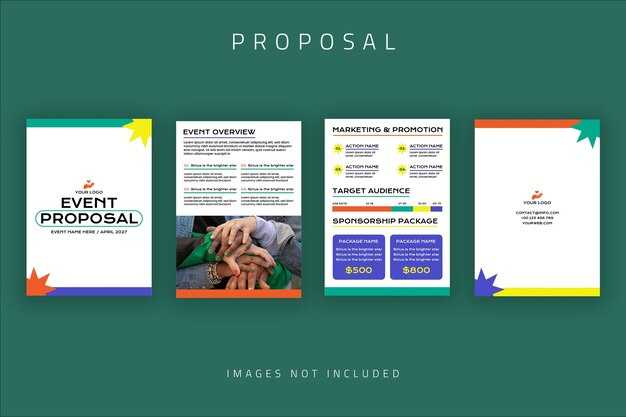
Начните с одностраничного резюме, которое четко определяет ваши цели, аудиторию и метрики успеха. Эта страница становится вашей, когда вы двигаетесь вперед, и действует как якорь, вдохновляя вашу команду в рамках установленных вами стандартов, направляя каждый шаг от исследования до исполнения.
Что включить: аудитория, основные цели, ограничения, ключевые сообщения, активы, сроки и утверждения. Для каждого сегмента определите тон и сошлитесь на активы; включите подробные спецификации для форматов, каналов, призывов к действию простым языком и необходимый объем контекста. Эта ясность великолепна для брендов и других, и она помогает избежать неправильного толкования.
Вот практический подход: начните с общих стандартов, затем заполните шаги и, наконец, закрепите тактические активы. Создайте системный подход, установив проверки, утверждения, контроль версий и подписи для поддержания согласованности на всех каналах. Этот подход удерживает команды в рамках сроков и обеспечивает качество перед публикацией активов.
Вместо расплывчатых формулировок указывайте измеримые результаты, сигналы успеха и критерии утверждения. При включении отзывов заинтересованных сторон отслеживайте изменения и поддерживайте основную версию. Это помогает гарантировать, что все находятся на одной волне, и сокращает ненужные циклы принятия решений.
Чтобы повысить эффективность действий, размещайте четкие призывы к действию в соответствующих точках контакта. Используйте великолепную структуру: краткое изложение проблемы, конкретное действие и немедленный следующий шаг. Здесь вы можете повторно использовать основную идею, адаптируя части для брендов и других лиц на цифровых каналах, сохраняя стандарты и повышая ясность и скорость.
Действенный фреймворк для креативных брифов
Сформулируйте единое целевое утверждение, которое включает аудиторию, желаемое действие и измеримые результаты. Включите KPI, такие как CTR, коэффициент вовлеченности и увеличение конверсий, и установите четкий срок. Это позволяет команде сосредоточиться и сокращает разрастание объема работ при работе над партией активов. Эта цель создана для отражения будущего воздействия.
Придерживайтесь фиксированной структуры: определите конкретную целевую аудиторию, тон и правила бренда, а также ключевое сообщение. Бриф соответствует этим пунктам, чтобы обеспечить согласованность между типами контента и каналами.
Определите части аудитории: основную, вторичную и микроаудиторию. Опишите демографические данные, потребности, проблемы и желаемые результаты, касающиеся их мотивации. Это помогает создавать уникальные сообщения для каждого типа и каждой части партий публикаций для них.
Определите объем контента: укажите, какую часть кампании охватывает каждый актив, размер партии, форматы и типы публикаций. Для каждого типа актива обеспечьте соответствие потребностям канала и ожиданиям аудитории. Перечислите результаты, такие как видео, статичные публикации, истории и текстовые блоки. Убедитесь, что каждый актив остается интересным для аудитории. Этот подход полезен для планирования производства и сокращает циклы пересмотра.
Документируйте ограничения бренда и тон: укажите голос, словарный запас, правила грамматики и любые обязательные элементы. Обеспечьте доступность и читаемость; при этом сохраняйте последовательный тон на всех каналах. Эта согласованность гарантирует, что каждая публикация соответствует одной и той же идентичности.
Рабочий процесс и системы: примите простую систему для хранения, контроля версий и утверждений, используя четкие обозначения и общее хранилище. Создайте контрольный список, которому может следовать команда, делая процесс простым и обеспечивая качество. Включите пакетное планирование, утверждение публикаций и шаги публикации. Рабочий процесс должен быть масштабируемым и перспективным.
Периодичность обзора и часто задаваемые вопросы: включите краткий обзор после запуска: что было сделано, что было усвоено, какие изменения следует внести в следующий раз. Включите набор часто задаваемых вопросов, которые отвечают на распространенные вопросы об аудитории, тоне, сроках и утверждениях. Это экономит время и удерживает заинтересованных лиц на одной волне, часто обновляясь.
Метрики и итерации: определите, как измерять воздействие и когда пересматривать бриф. Включите идеи для тестирования, такие как A/B-тесты и обзоры эффективности публикаций. Этот фреймворк удерживает команду сосредоточенной и легко адаптируется для будущих кампаний.
Определите scope проекта и цели с конкретными подсказками

Начало с четкого предложения о scope действует как отправная точка для проекта, проясняя проблему, аудиторию и критерии успеха. Включите это в свой первый черновик и поделитесь им с клиентом для окончательного согласования, а затем используйте это как точку отсчета для всех решений.
Определите выявленную проблему, контекст бренда и общую цель клиента; укажите целевую аудиторию, каналы и метрики успеха; определите контактное лицо и необходимые документы для обмена. Это гарантирует, что каждый заинтересованный участник говорит на одном языке с самого начала и удерживает процесс в фокусе.
Конкретные цели кампании должны быть четкими и измеримыми. Определите, как выглядят вовлеченность, конверсии или узнаваемость в цифрах, прикрепите реалистичные сроки и определите тон, соответствующий опыту бренда. Включите показатели глубины воздействия на основные сегменты, чтобы команда могла отслеживать прогресс по мере продвижения работы.
Подробно опишите результаты, сроки выполнения, необходимые активы и шаги утверждения. Перечислите типы контента, форматы и каналы, а также любые внутренние ограничения или политики. Детализация должна охватывать контент, внутренние утверждения и документы, которые ваша команда сохраняет в качестве ссылок, гарантируя, что каждый черновик соответствует рекомендациям бренда и ожиданиям по опыту.
Опишите рабочий процесс сотрудничества: когда должны быть готовы черновики, где находится обратная связь, кто утверждает, и как связаться с клиентом для принятия быстрых решений. Используйте прозрачный график и общий журнал заметок, решений и обновлений. Это обеспечивает бесперебойность процесса и сокращает количество обменов, что повышает общую эффективность.
Включите часто задаваемые вопросы для ответов на распространенные вопросы о scope, сроках, утверждениях и изменениях. Краткий набор часто задаваемых вопросов сокращает задержки и позволяет команде двигаться вперед, когда возникают вопросы, так что они решаются до того, как это замедлит работу. Убедитесь, что FAQ ссылаются на бренд, тон и ограничения кампании, чтобы оставаться в рамках сообщения.
Укажите инструменты и активы для составления черновиков и их проверки. Упомяните quillbots для первоначального составления черновиков, ваш предпочтительный редактор для доработки и способ связи для быстрых правок. Проясните, как контент будет оставаться привлекательным, насколько глубоким должен быть черновик и как внутренние заметки переводятся в окончательный контент, который находит отклик у аудитории и поддерживает опыт бренда.
Определите, как будет измеряться и отчитываться об эффективности. Определите ключевые метрики, источники данных и периодичность обновлений, чтобы команда могла корректировать тактику в режиме реального времени. Требуется окончательный черновик, который демонстрирует соответствие scope, инициирует одобрение клиента и оставляет место для итераций тона и контента перед запуском.
Определите аудиторию, голос бренда и ключевые сообщения
Проведите 90-минутный семинар с участием заинтересованных сторон для определения сегментов аудитории, голоса бренда и ключевых сообщений; зафиксируйте результаты в структурированном брифе, включая заметки, ожидания и раздел часто задаваемых вопросов; это согласование обеспечивает последовательные публикации на всех каналах.
Определите 4 портрета аудитории на основе демографических данных, целей и привычек в потреблении медиа. Для каждого портрета включите: что они думают при столкновении с нашим контентом, что они ищут и какие форматы предпочитают (визуальные, длинные посты, быстрые советы). Свяжите каждый портрет с ценностью бренда, триггерами покупки и наиболее релевантными преимуществами. Проясните, что для них наиболее привлекательно.
Установите голос бренда в виде конкретного набора правил: диапазоны тона (авторитетный, дружелюбный), ограничения словарного запаса, длину предложений и форматирование. Предоставьте 3-5 примерных строк для каждого портрета и перечислите 2-3 правила "можно/нельзя", чтобы направлять авторов. Используйте gpt-4 для составления 5-10 идей публикаций для каждого портрета, а затем выберите правильные строки для публикации.
Ключевые сообщения: сформулируйте основное предложение для каждого портрета плюс 2-3 поддерживающих утверждения. Убедитесь, что каждое сообщение четкое, тестируемое и связано с метрикой в аналитике. Включите предложение, готовое к цитированию, для внешнего подтверждения, где это уместно; включите, что говорить для опровержения распространенных возражений и чего следует избегать.
Результаты и управление: один структурированный файл брифа, матрица сообщений, руководство по тону и документ с часто задаваемыми вопросами. Назначьте владельцев среди заинтересованных сторон и установите периодичность обновлений и утверждений. Убедитесь, что каждая идея публикации соотнесена с сегментом аудитории и ожидаемым действием (правильный CTA).
Оптимизация и измерение: установите ожидания по оптимизации, определите цели KPI (коэффициент вовлеченности, сохранения, репосты, CTR) и создайте легкую панель аналитики. Записывайте текущие заметки и идеи для следующего цикла, включая длительные наблюдения о том, что сработало, а что нет.
Реализация этого подхода начинается с разработки четкого плана: какие вопросы задавать, что включать и как итерировать. Этот процесс начинается с документирования заметок из исследований, затем превращения идеи в конкретный набор публикаций и согласования их с заинтересованными сторонами для получения обратной связи. Это помогает сосредоточить мысли и обеспечивает правильную основу для принятия решений.
Укажите результаты, форматы, сроки и этапы утверждения
На начальном этапе определите фиксированный список результатов и убедитесь, что все заинтересованные стороны его понимают: полный набор материалов, форматы и порядок утверждения. В брифе должны быть указаны точные результаты, чтобы бренды могли двигаться вперед без лишних вопросов. Это исключает двусмысленность и гарантирует, что проект будет своевременным, сфокусированным и измеримым.
Результаты и форматы: Определите полный набор выходных данных с указанием конкретных типов файлов. Чтобы бренды оставались в курсе, предоставьте готовый к использованию пакет документов (DOCX или Google Docs) и визуальный пакет (PDF плюс исходные файлы, такие как AI/PSD). Приложите заметки, описывающие предмет, идею и использование. Включите краткий обзор в одном документе для быстрого ознакомления. Разделы должны быть четко обозначены: Обзор, Материалы, Текст, Визуальные элементы, Метаданные и Использование. Такая структура помогает редакторам и инструментам быстро находить то, что им нужно, и обеспечивает единообразие глубины на всех каналах.
Сроки: Установите полный график с конкретными этапами. Черновик должен быть готов в течение 2 рабочих дней, внутренняя проверка — в течение 1 дня, а окончательное утверждение — в течение 2 дней. Приложите календарь с точными датами и единый источник информации об изменениях. Для брендов с несколькими рынками добавьте окно локализации и убедитесь, что все заметки учтены.
Этапы утверждения: Определите ответственного владельца и этап утверждения. Используйте один этап утверждения для каждого результата, чтобы избежать лишних переписок. Собирайте отзывы в одной консолидированной заметке, маркируйте изменения по разделам и требуйте обновленные документы для замены предыдущих версий. Убедитесь, что все понимают критерии утверждения и придерживаются графика.
Управление, инструменты и форматы вывода: Называйте файлы в соответствии со стандартным соглашением, например: project_subject_version.ext; храните результаты в общем диске; указывайте выходные данные для аналитики (UTM, теги). Включите глубину аналитики: контрольный список для проверки соответствия теме и рекомендациям бренда, а также заметки о лицензировании. Для небольших команд ограничьте количество основными 4–6 элементами и масштабируйте для более крупных брендов, добавляя разделы. Такой подход улучшает качество вывода и облегчает его повторное использование на разных каналах. Генератор и редакторы должны работать вместе, используя единый источник информации, а заметки должны быть включены в каждый материал.
Заметки для совместной работы: Учет заметок заинтересованных сторон ускоряет согласование. Предоставьте редакторам четкое задание и единый источник информации. Результаты должны быть готовы к экспорту, с включенными метаданными и встроенными тегами аналитики, чтобы команды могли измерять эффективность на разных каналах.
Качество и глубина: Создавайте с учетом сложности; предоставьте набор, готовый для генератора, который бренды могут повторно использовать; включите разделы, охватывающие наиболее распространенные варианты использования; сохраняйте небольшой, сфокусированный пакет для небольших проектов и более полный пакет для крупных кампаний. Это обеспечивает авторитетность и помогает брендам поддерживать последовательный голос в разных темах.
Используйте бесплатный шаблон: скачайте, настройте и используйте повторно
Скачайте стартовый пакет, адаптируйте его для каждого клиента и повторно используйте основные блоки в кампаниях, чтобы сэкономить время при сохранении языковой последовательности.
Храните его в Google Docs или рабочем пространстве вашей команды; обеспечьте версионирование и четкие права доступа. Структура создана модульной, поэтому вы можете менять части, не переделывая весь черновик.
- Скачайте основной файл и поместите его на общий диск; пометьте его по типу проекта или бренду, чтобы он был легко находим; убедитесь, что у клиента есть доступ к отредактированным копиям по мере необходимости.
- Настройте блоки: обновите цель, целевую аудиторию, тон, результаты, каналы, сроки и бюджет. Применяйте языковые рекомендации для поддержания фирменного стиля; структурируйте контент таким образом, чтобы части можно было менять между кампаниями.
- Стратегия повторного использования: клонируйте основной файл для каждого проекта, переименовывайте файлы и вставляйте текст, управляемый подсказками. Включайте язык из предыдущих кампаний, где это уместно, сохраняя при этом уникальный голос клиента.
- Проверки качества: проведите человеческий обзор для выявления любых несоответствий или неуклюжих формулировок; проверьте цифры бюджета и сроки; подтвердите, что метрики и критерии успеха четко определены.
Подсказки и помощь ИИ в составлении черновиков ускоряют создание. Используйте подсказки для заполнения разделов, а затем позвольте писателю доработать текст. Примерные подсказки, подобные следующим, могут ускорить процесс:
- Подсказка для составления цели: «Создай краткую цель для кампании, направленной на X, с измеримыми результатами».
- Подсказка по аудитории и языку: «Опиши целевую аудиторию и предпочтительный стиль языка для кампании в регионе Y».
- Контентные подсказки: «Предоставь заголовок из 2 предложений и 3 пункта ценностного предложения для каждого результата».
- Подсказка по срокам и бюджету: «Опиши основные даты и бюджетные ограничения для 6-недельного цикла».
Используйте gptchat в качестве тестовой площадки для составления черновиков, затем экспортируйте в основной файл и при необходимости внесите коррективы; обеспечьте соответствие рекомендациям клиента и выявляйте проблемы; сохраняйте контроль посредством проверки.
Соблюдайте бюджет: повторно используйте блоки в кампаниях, отслеживайте сэкономленное время и измеряйте эффективность каждого цикла. Такой подход выгоден как писателю, так и клиенту, особенно когда время и бюджет ограничены.
Правильно структурированная структура, человеческая проверка и тщательное документирование гарантируют, что результат остается уникальным и точным. Со временем процесс становится надежным генератором для кампаний, язык сохраняется последовательным благодаря подсказкам и учету отзывов клиента.
Используйте подсказки ИИ для быстрого составления брифов и поддержания последовательности
Начните с набора повторно используемых подсказок ИИ, которые охватывают цели проекта, аудиторию, каналы и ожидаемый результат. Это обычно сокращает время размышлений и обеспечивает согласованность проектов, особенно когда задействованы редакторы и требуется одобрение заинтересованных сторон.
Вот краткая структура набора: основная подсказка, плюс поля для деталей конкретного проекта, таких как аудитория, бренд, стиль и необходимые разделы. Основная подсказка должна быть полностью оптимизирована и использоваться повторно в разных случаях.
Типы брифов могут быть помечены по каналам, целям и аудитории; теги обеспечивают автоматическую маршрутизацию и аналитику.
Правила обеспечивают последовательность: встраивайте язык бренда (бренды), голос и терминологию; храните правила в виде живого документа, который редакторы могут обновлять. Изменения отслеживаются.
Рабочий процесс в рамках стандартных процессов: подсказка составляет первоначальный контент, редакторы проверяют и дорабатывают; вывод затем передается вовлеченным командам для окончательного утверждения; позже он публикуется.
Операционные советы: держите подсказки краткими, но сильными; письменные подсказки должны указывать результаты, аудитории и требуемые разделы. Семантически, возможно? возможно, вы объедините подсказки с контрольными списками, чтобы улучшить мышление и сократить объем переделок.
Измерение и улучшение: аналитика на панелях мониторинга отслеживает такие показатели, как коэффициент завершения и конверсии; отслеживайте, как результаты производительности на разных каналах и брендах.
Улучшение сотрудничества: повторно используйте подсказки в командах, ресурсах и обеспечивайте изменения для сохранения стандартов; здесь вы можете вносить коррективы для новых кампаний, сохраняя при этом основное согласование.
Распространенные трудности: типичное мышление, расплывчатые цели или отсутствие деталей об аудитории. Однако, чтобы решить их, рассмотрите добавление явных разделов в основную подсказку, сохраняйте стиль в соответствии со стандартными рекомендациями бренда и привлекайте заинтересованных сторон на раннем этапе.
Набор оптимизированных подсказок обеспечивает более быстрые черновики, сокращает лишние переписки и помогает конверсиям, сохраняя при этом последовательный, профессиональный тон.