Brands pay anywhere from a hundred to several hundred dollars for a single user-generated-style video, and AI now lets one person produce those videos at volume instead of filming each by hand. Real demand plus cheap production makes this one of the most accessible AI income paths in 2026. Here is what the work actually is, what it pays, how to build a portfolio with no track record, and the one rule that keeps brands coming back.
This is the supply side of the AI-UGC ads that brands run on Meta and Instagram; the craft itself builds on turning a product photo into a video ad.
What does an AI-UGC creator actually do?
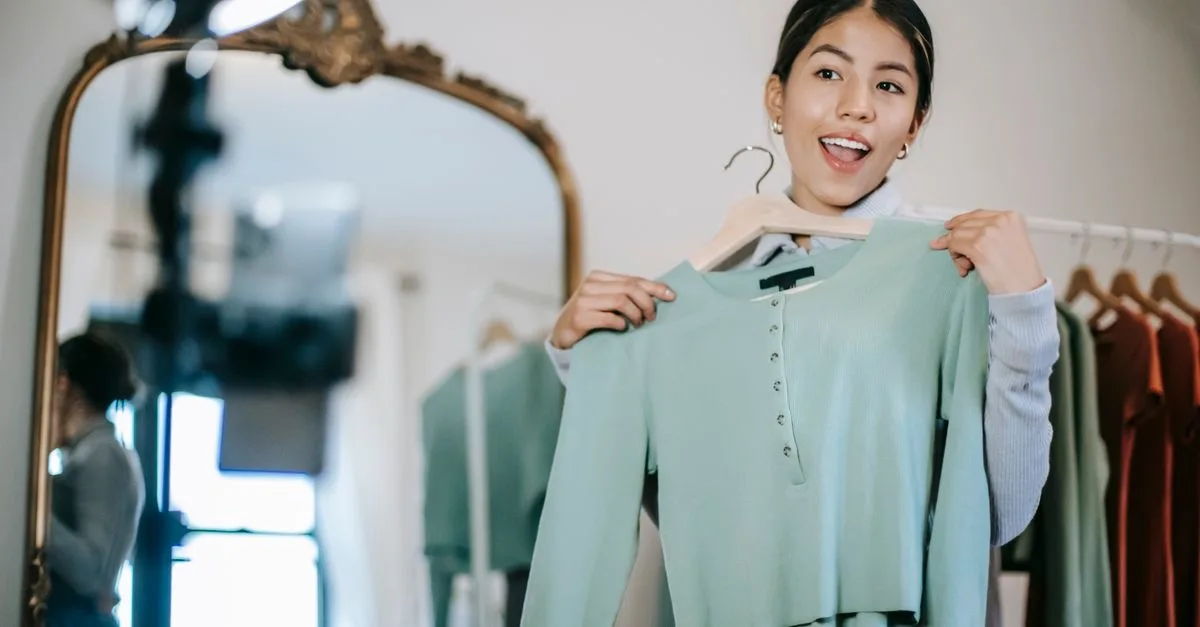
You make short, authentic-looking product videos that brands run as ads. Think of the clips that look like a real person talking about a product in their kitchen, not a glossy commercial. The brand supplies the product and the angle; you deliver the video. You are a supplier of ad creative, not an influencer, so you do not need a big following or an audience of your own.
What makes it an AI job is production. Instead of filming every clip yourself, you use AI avatars and generated b-roll to make them, which means you can turn around many videos a week rather than a few. The skill is not being on camera; it is knowing what makes an ad convert and producing that quickly. That is a very different, and far more scalable, business than traditional influencing.
It helps to see why brands buy this at all. A performance advertiser needs a constant stream of fresh ad creative to test, because ads fatigue fast and only a few winners carry the results. They cannot film that volume in-house cheaply, so they buy it from creators. You are effectively an ad-creative factory, and AI is what lets one person supply at the volume a brand's testing appetite demands.
What it pays
Enough to matter, and it scales with reputation:
- Beginner: roughly 75 to 150 dollars per video with a thin portfolio.
- Mid-level: around 300 to 1,000 dollars once you have results to show.
- Top creators: 600 to 3,000-plus per project, and the best build 5,000 to 15,000 dollars a month from repeat brand relationships.
AI changes the shape of that income. Per video you may charge a little less, but you produce far more: a creator turning out thirty or more videos a week at 100 to 150 dollars each is running a 12,000-to-18,000-dollar-a-month operation. The real money is not the one-off gig, it is the brand that likes your work and orders every month. Land a few of those and the income becomes predictable.
How you package it matters as much as the rate. Selling videos in bundles, say three or five at a time, raises your effective deal size and gives the brand more to test, which is what they want anyway. Offer light add-ons too, like extra hooks or captions. Beginners who bundle and add options out-earn beginners who quote one video at a time.
How do you start with no clients?
You show the work before anyone hires you. The move that unlocks everything is a portfolio of spec videos:
- Make three to five spec ads. Pick products you already own or admire and make real, ad-ready videos for them, exactly as a brand would want. Nobody paid you, and that is fine; they prove you can do the job.
- Pick a niche. Beauty, apps, home goods, supplements; a focused reel beats a random one, because brands hire creators who clearly fit their space.
- Set up a simple presence. A page or profile with your best clips pinned, a bio that says plainly that you create UGC, and a contact link.
That portfolio is your whole pitch. You do not need followers or experience on paper; you need a handful of clips that look like ads a brand would pay for. With AI production, making those spec videos costs you almost nothing but time.
Make the spec videos genuinely good, not just present. Study a few ads already winning in your niche, copy their structure of hook, problem, product, proof, and call to action, and match that quality with your own take. A portfolio of clips that look indistinguishable from ads a brand is already running is worth more than any amount of describing what you can do.
Finding brands that pay
Three channels, and you work all of them:
- UGC marketplaces. Platforms like Collabstr, Billo, Insense, and JoinBrands connect creators with brands actively looking to buy content. The easiest first clients live here.
- Direct pitching. Find brands already running ads in your niche and message them with two or three spec clips made for their product. A relevant sample beats any cold sales pitch.
- Inbound. Post your best work publicly so brands find you; a single clip that travels can bring in orders on its own.
Whatever the channel, aim past the first sale. Deliver on time and tie your work to the brand's results, and a one-time buyer turns into a monthly retainer. Repeat clients are what turn this from pocket money into a real income, so treat every first job as an audition for the next ten.
Keep the pitch short and evidence-first. One or two lines, a spec clip made for their product, and a clear price beat a long message about yourself. Brands scanning dozens of creators decide in seconds, and a sample they can imagine running does the persuading for you. Follow up once if they go quiet, then move on to the next.
Does using AI scare brands off?
Usually the opposite, as long as you are honest about it. Many brands in 2026 actively want AI-generated UGC for paid ads, because it is cheap enough to test dozens of variations and performance is what they judge it on. What they care about is whether the ad sells, not whether a human held the camera.
The one rule that protects you is transparency: tell the brand your videos are AI-produced and let them decide. Hiding it risks the relationship the moment they notice; disclosing it upfront builds the trust that earns repeat work. Pair honesty with ads that actually perform and you have a business, not a gig.
Two practical habits keep it clean. Agree what the brand may do with the video and for how long, so a one-time fee does not quietly turn into unlimited use, and never put real people's faces or brands you were not hired for into a generated ad. Get those right and disclosure is a non-issue: you are a professional supplier, not a risk.
The demand side is only growing as ad costs push brands toward cheaper creative, so getting good at this now puts you ahead of a wave rather than chasing it. Want to build this into a real income stream? The Future Tech program teaches AI content production and monetization end to end, and our guide to AI avatars and spokespersons covers the tools you will use to produce.