
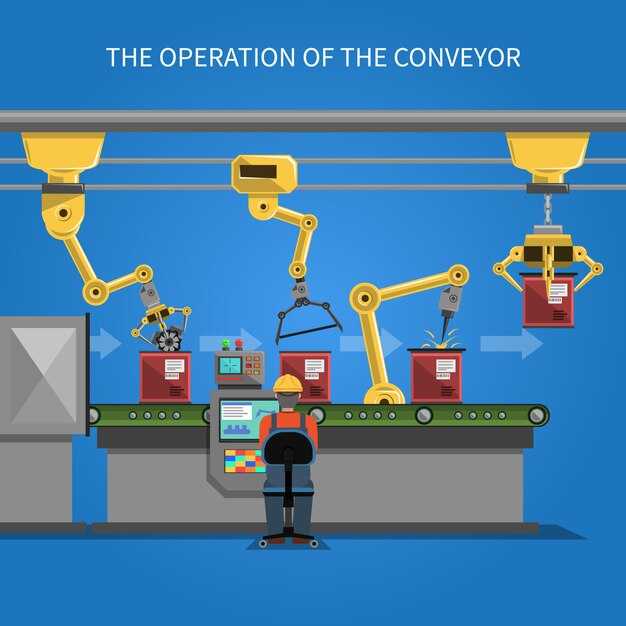
Comece com um teste de cinco dias de um fluxo de trabalho robótico de ativos de anúncios que ingere briefings, sinais de dados e feedback para gerar automaticamente designs e variantes de script. Esta abordagem gera clareza em cálculos de ROI, e este ciclo de feedback prova ser tangível. Construa um sandbox onde entradas como orçamentos, públicos e sinais de compras alimentam o sistema e mostram ganhos mensuráveis na qualidade da saída.
Para escalar, mapeie o fluxo de trabalho em cinco módulos: briefing, modelos criativos, geração de script, montagem de ativos e feedback de desempenho. Use integração ideal para orquestração coesa e considere restrições de governança e gerenciamento de riscos. Mantenha uma única camada de dados para harmonizar sinais e permitir experimentação rápida. Busque o crescimento reduzindo o tempo do ciclo, aumentando a variação de anúncios e alinhando-se ao nível de desempenho visto entre concorrentes sem pipelines personalizados e únicos.
Concentre-se em designs e ativos de script que podem ser recombinados automaticamente; use uma biblioteca principal de modelos e um conjunto genérico de regras para impulsionar a consistência. O sistema deve suportar mudanças rápidas na direção criativa e nas condições de mercado, mutando texto e visuais enquanto preserva a segurança da marca. Inclua modelagem de mensagens para diferentes personas de compras. Capture feedback de revisões e use-o para ajustar modelos e gatilhos.
Para governança de dados, alinhe-se a um repositório de dados centralizado e a um estágio de modelagem que traduz briefings em blocos de texto estruturados e listas de ativos. Um simples motor de script pode montar anúncios, banners e vídeos curtos. Rastreie adições ao carrinho, taxas de cliques e aumento no crescimento entre públicos. Mantenha um nível de automação que permaneça auditável e ajustável.
Mantenha um loop de aprendizado enxuto: execute experimentos de teste, meça avaliações e quantifique o impacto. Compare com concorrentes ou bases de mercado para julgar o crescimento relativo e ajuste os investimentos em fluxos de trabalho robóticos para evitar overfitting. O resultado é um pipeline focado em compras onde as equipes podem criar designs em escala, iterar em cópias e visuais, e manter as adições em mente como uma métrica downstream.
Criação de Conteúdo Impulsionada por IA em uma Linha de Produção de Anúncios Automatizada: Passos Acionáveis
Configure um catálogo central de criativos carregados e bloqueie um sprint semanal para atualizar ativos com base em sinais de desempenho rastreáveis.
- Fundação de dados e atribuição: Conecte eventos da plataforma de anúncios, interações na página de destino e sinais de CRM a um único perfil de ativo. Construa um modelo de atribuição robusto que vincule impressões, cliques e conversões a cada criativo; rastreie padrões para identificar quais formatos têm melhor desempenho. Revise e ajuste mensalmente.
- Gerenciamento de catálogo e metadados: Garanta que todas as variantes criativas sejam carregadas em um catálogo centralizado com metadados (formato, tamanho, idioma, segmento de público, tipo de criativo). Isso suporta troca rápida e personaliza experiências.
- Geração e personalização criativa: Introduza variantes de formato líder por meio de geração assistida por IA; garanta que a saída permaneça de alta qualidade e alinhada aos padrões da marca. O sistema suporta personalização em escala para públicos diversos.
- Regras de pausa e ajuste: Implemente pausas para os de baixo desempenho e ajuste orçamentos e posicionamentos automaticamente; defina limites e execute verificações semanais para evitar gastos excessivos e alocações incorretas.
- Monitoramento e análise de desempenho: Use dashboards semanais e análises mensais aprofundadas que analisam padrões em todas as campanhas; calcule tendências de KPI para identificar os vencedores e informar futuras escolhas de ativos.
- Governança e gerenciamento de contas: Estabeleça um fluxo de aprovação simplificado e mantenha um registro em nível de conta das solicitações; liderado por um proprietário dedicado, com funções claras e controles de acesso para acelerar decisões que tornam o processo resiliente.
- Compartilhamento de conhecimento e documentação: Publique resumos em estilo de artigo sobre insights e resultados para orientar as equipes; o catálogo alimenta essas referências e apoia a melhoria contínua.
- Controles de qualidade para ativos carregados: Aplique verificações de qualidade visual, equilíbrio de áudio e regras de segurança da marca; exija entregas de alta qualidade antes da implantação, usando verificações automatizadas sempre que possível.
- Substituições e atualizações de ciclo de vida: Substitua modelos antigos por variantes atualizadas; rastreie o status no catálogo e descontinue criativos desatualizados sem quebrar campanhas, garantindo um caminho de transição suave.
- Atendimento de solicitações e alinhamento: Reúna solicitações de stakeholders, priorize-as em uma sessão de planejamento semanal e traduza-as em tarefas concretas dentro do fluxo de trabalho. Isso mantém as equipes alinhadas e acelera a execução.
Esta estrutura não requer microgerenciamento constante; ela fornece uma abordagem sofisticada e escalável que funcionou para empresas de vários tamanhos. Observamos melhorias consistentes no engajamento e na eficiência à medida que os ativos são rastreados, carregados e iterados em um ritmo mensal e semanal.
Definir Briefings Criativos e Fontes de Dados para Conteúdo de IA

Crie um briefing criativo de uma página para cada campanha que vincule necessidades de negócios a saídas de conteúdo de IA, especificando público, contexto do dispositivo, visuais necessários e métricas alvo como taxa de engajamento de 2–5% e cliques por impressão em torno de 0,8–2,5%. Defina a primeira passagem e estabeleça critérios de sucesso acionáveis para cada canal.
Defina seções: objetivo, persona do público, tom, formatos de conteúdo, status de licenciamento de ativos, restrições de comprimento e visuais, e o cronograma de entrega pretendido.
Plano de fontes de dados: conjuntos de dados licenciados, feeds de primeira parte e conteúdo de usuário consentido; separe prompts sintéticos de entradas reais; documente proveniência e direitos.
Qualidade e rotulagem de dados: inventarie conjuntos de dados, marque dados com mapeamentos de categoria para tipos de saída, estabeleça uma revisão semanal para podar bugs e defina regras de rotulagem acionáveis.
Governança e segurança: rastreie a proveniência dos dados, aplique controles de acesso, valide o licenciamento e anote ativos físicos, se aplicável.
Controle de versão: mantenha versões de briefings e prompts; exija registros de alteração; implemente ciclos de refinamento para manter as saídas alinhadas com as necessidades.
Restrições e testes: especifique limitações de dispositivo e plataforma; instrua a IA a gerar múltiplos visuais por briefing; teste em diferentes fatores de forma de dispositivo para evitar bugs.
Fluxo de trabalho de revisão: defina pontos de verificação para revisar o conteúdo em busca de consistência, segurança da marca e acessibilidade; registre problemas como bugs; atribua proprietários e prazos de entrega.
integração ideal: alinhe o briefing com a API do sistema de anúncios, modelagem e gerenciamento de ativos; explore o alinhamento de licenciamento e pipeline de dados com recursos licenciados.
Medição e iteração: defina KPIs como engajamento e cliques; monte dashboards acionáveis; use resultados para refinar briefings e prompts.
Ter um pool de dados licenciado para futuras campanhas com direitos claros, datas de renovação e restrições de uso permite a escalabilidade de criativos impulsionados por IA em dispositivos e formatos.
Escolher Modelos de Conteúdo de IA e Licenciamento para Ativos de Anúncios
Selecione uma pilha de modelos de conteúdo de IA amigável para licenciamento que inclua direitos de ativos claros, versionamento e configurações de atribuição. Isso garante a criação escalável de ativos para publicidade em fotografia, vídeo e ativos de texto, preservando a beleza e resultados realistas.
Cubra licenças com escopos de uso explícitos: direitos comerciais, duração, geografia e cobertura de plataforma. Prefira termos disponíveis para integrações de terceiros e para fluxos de trabalho madgicx, garantindo a reutilização em campanhas sem renegociação. Adicione um plano de jogo com marcos para rastrear valor e velocidade de entrega.
Decida entre modelos fundamentais e especializados. Aplique um lançamento em fases: teste saídas, valide o realismo, e então escale em formatos e canais. Alinhe com metas como alcance, crescimento e segmentação; garanta que você possa otimizar ativos e que o sistema aprenda. isso limita o escopo de implantação.
Estabeleça uma revisão liderada por agente para auditar o licenciamento, verificar termos de cobertura e monitorar desvios entre modelos. Rastreie métricas: cobertura de ativos, pontos de interrupção e realismo. Use feedback para melhorar prompts, esquemas e configurações para ciclos futuros.
Monitorar ofertas de concorrentes e manter-se alinhado com as melhores práticas. Garantir compatibilidade para além das campanhas atuais, evitar o aprisionamento tecnológico (vendor lock-in) e manter um registo claro das licenças disponíveis, direitos específicos de cada fase e dependências de terceiros. Monitorizar resultados abaixo dos limites para ativar salvaguardas e planear para o crescimento futuro.Configurar Fluxos de Trabalho Baseados em Modelos para Conteúdo Escrito, Visuais e CTAs
Crie um sistema de modelagem de modelos único e baseado em modelos para conteúdo escrito, visuais e CTAs. Construa uma biblioteca centralizada com blocos para títulos, texto do corpo, visuais e variantes de botões, cada um marcado por público, objetivo, plataforma e tom de voz. Isto elimina retrabalho e acelera o rendimento. Defina um monitor que funciona diariamente e um painel de visualização para comparar anúncios em diferentes campanhas, incluindo seleções sazonais. Isto gera algo tangível para as equipas. Uma abordagem comprovada para blocos de texto: marcadores de posição para público, benefício e CTA; um perfil de tom de voz da marca orienta o modelo; blocos de criativos publicitários associam texto a visuais; centenas de combinações de títulos/corpo para um único ativo; instruções sazonais alteram-se para feriados; integração com bibliotecas de texto de terceiros via API segura; um assistente sugere opções, permitindo que editores humanos validem itens críticos e detetem problemas entre os anúncios. Esta abordagem também revela as melhores opções, ajudando as equipas a concentrar-se no que é importante. Monitorize o que ressoa para afinar modelos futuros. Construa conjuntos de visuais baseados em modelos: estilos de fotografia, grades de cores, pilhas de tipografia e modelos de movimento. Bloqueie 5 estilos de fotografia de base e 20 grades de cores para gerar centenas de variações; as instruções sazonais alteram as paletas automaticamente. Conecte ativos com bibliotecas de stock de terceiros via integração; monitorize a saúde dos ativos e visualize sinais de envolvimento; um assistente pode recolher fotografias e visuais aprovados, enquanto um revisor humano verifica a segurança criativa e o alinhamento com a marca. Os ficheiros criativos publicitários gerados residem na biblioteca central. Crie CTAs baseados em modelos com verbos de ação claros e linguagem direcionada à plataforma. Categorize por objetivo e canal, e mantenha uma biblioteca única de CTAs com dezenas de variantes. Anexe CTAs aos blocos criativos publicitários correspondentes, monitorize o CTR por anúncios e acompanhe o que ressoa para iterar rapidamente. Execute testes para atingir um milhão de impressões, mantendo o controlo da frequência. Atribua funções: um assistente gere o encaminhamento e as aprovações de rascunhos; um humano fornece a aprovação final; mantenha um registo de decisões para auditoria; agende verificações noturnas e alerte sobre anomalias; estabeleça convenções de versionamento e um caminho de reversão seguro; monitorize a saúde da integração e garanta a integridade dos dados em todo o modelo. Checklist de início rápido: defina o esquema da biblioteca (blocos, marcadores de posição, etiquetas); ligue o smartlyio para orquestrar tarefas; semeie modelos para conteúdo escrito, visuais e CTAs; ative uma fila de revisão; implemente um monitor e um painel de visualização; ative os interruptores sazonais e escale para centenas de ativos.Implementar Garantia de Qualidade: Verificações em Tempo Real e Portagens de Revisão Humana
Implemente um feed de QA em tempo real que monitoriza sinais de qualidade em todos os ativos, para que os problemas sejam detetados em segundos e encaminhados para portagens de revisão humana antes dos lançamentos. Esta abordagem aumenta a precisão, minimizando o feedback atrasado, ajudando as equipas de planeamento a garantir que a segmentação se alinha com a política e os padrões da marca. Opere o ciclo de QA no madgicxs, uma plataforma que suporta a criação de verificações modulares e o ajuste dinâmico dos limiares à medida que as campanhas evoluem. Mantenha a capacidade de iteração rápida, permitindo que os utilizadores vejam quais os componentes que passam ou falham sem abrandar o fluxo de trabalho. O sistema deve existir juntamente com um mapa de propriedade claro para cada modelo e ativo, garantindo a responsabilização em cada etapa do fluxo de trabalho. Projete verificações para abranger a integridade dos dados, a adesão às políticas, a segurança da marca e o alinhamento do público. Utilize uma combinação de sinais automatizados e portagens de revisão humana para lidar com casos extremos, de modo a que a maioria dos ativos de rotina passem automaticamente, enquanto os itens sinalizados recebem uma entrada humana rápida. O planeamento deve incluir manuais de procedimentos para escalonamentos, e as portagens de revisão devem ser geridas com SLAs que mantenham os lançamentos no prazo, protegendo simultaneamente a qualidade. Acompanhe o feedback dos utilizadores e clientes para refinar os limiares e melhorar os sinais que disparem o bloqueio ao longo do tempo. Para manter o processo prático e escalável, separe as portagens por nível de risco, tipo de ativo e mercado. Inclua uma opção de revisão atrasada para iterações de baixo risco, mas exija entrada humana imediata para ativos focados em produtos ou campanhas de alto risco. Este equilíbrio ajuda as agências a manter o ímpeto, a produzir unidades em conformidade e a aprender com cada ciclo de revisão sem atrasar a maioria crítica dos lançamentos.| Métrica | Alvo | Gatilho da Porta | Proprietário | Escalonamento |
|---|---|---|---|---|
| Taxa de aprovação em tempo real | >= 98% | < 95% em qualquer lote | Líder de QA | Revisão humana imediata em 2 horas |
| Conformidade da política | 100% dentro dos padrões da plataforma | Violação sinalizada | Gabinete de Políticas | Revisor sénior em 60 minutos |
| Taxa de sinalização de segurança da marca | 0,5% ou menos | Sinal acima do limite | Líder de Segurança da Marca | Verificação manual antes dos lançamentos |
| Precisão da segmentação | >= 97% | Desalinhamento detetado | Planeamento de Media | Revisão da porta; ajustar a criatividade ou a mistura de público |
| Taxa de feedback atrasada | <= 5% | Feedback não devolvido após 24h | Operações | Lembretes automáticos e acompanhamento humano |
Integrar Saídas de Conteúdo com Plataformas de Anúncios e Pipelines de Implantação