

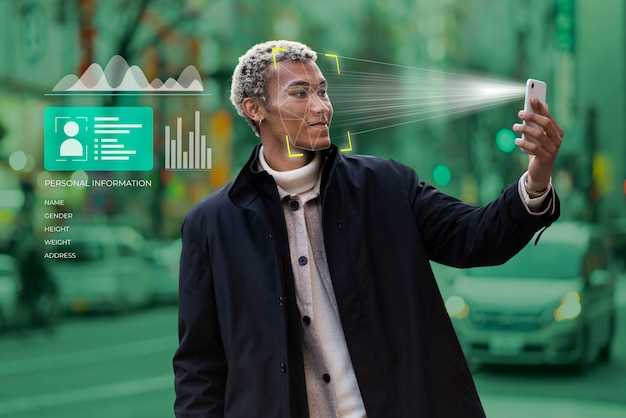
Comece com um fluxo de trabalho único e simplificado para dados de clientes no ecrã, a fim de acelerar os ciclos de decisão de forma responsável. Esta configuração fornece insights acionáveis, reduz a fragmentação e mantém as equipas consistentemente alinhadas em todos os canais.
Em mercados de telecomunicações, a orquestração orientada por IA reduz o abandono em 12% e aumenta a conversão em 9%, de acordo com os últimos relatórios da indústria. Especialmente os setores verticais de telecomunicações mostram pontos altos que focam as diretrizes para passos práticos: definir um KPI único por iniciativa, agrupar dados consentidos, implementar modelos que respeitam a privacidade. Estes resultados já informam o roteiro. Os pontos altos incluem testes em tempo real; segmentação distinta, telemetria robusta, um ciclo de refinamento para campanhas.
O valor reside na velocidade, precisão e confiança do cliente. Os profissionais de marketing não estão a substituir humanos; estão a aumentar as equipas, a refinar ativamente as mensagens.
Passos práticos para implementar de forma responsável incluem monitorizar painéis no ecrã; auditorias trimestrais dos modelos; alinhamento com as diretrizes da indústria. O plano de medição acompanha o ROI; o valor de vida do cliente; o sentimento da marca. Métricas acionáveis devem ser acompanhadas, refinando fluxos de trabalho para garantir resultados consistentes e impactantes.
Estrutura Prática para Colaboração de Marketing Humano-IA
Estabeleça um ciclo de governança compacto: funções clarificadas; acesso a dados concedido; direitos de decisão definidos; monitorizar resultados rapidamente; iniciar um piloto de 90 dias para fundir a intuição humana com os resultados da IA.
Enquadre a colaboração em torno dos espectadores; segmentos alinhados; jornadas de compra; trate os segmentos de audiência como alvos em movimento num omniverso de contextos de compra.
Crie um catálogo vivo de segmentos; associe gatilhos de compra; ligue espectadores com afinidades de produtos; aceda a sinais para inferência mais rápida; mova a configuração de adaptação intuitivamente; você é capaz de criar valor para cada função de compra.
| Fase | Ação Humana | Capacidade da IA | Métricas |
|---|---|---|---|
| Descoberta | Definir objetivos; montar funções; validar fontes de dados | Inferir sinais de audiência; propor conceitos de ponta | Velocidade; alcance; taxa de alinhamento |
| Design | Mapear espectadores; criar segmentos; criar briefings | Gerar variantes; testar ressonância; personalizar prompts | Envolvimento; relevância; aumento da conversão |
| Ativação | Lançar jornadas de compra; monitorizar atribuição; ajustar passos criativos | Otimização em tempo real; ritmo preditivo; escalável pipelines | Taxa de compra; redução de abandono; clareza do caminho |
| Aprendizagem | Capturar feedback; refinar segmentos; atualizar controlos de acesso | Modelos adaptativos; adaptação rápida; deteção de anomalias | Deriva do modelo; tempo de valor; latência de inferência |
Nota de caso: o percurso do comprador da mercedes-benz demonstra que quebrar silos gera conversões superiores; toda a jornada ganha clareza através de segmentos alinhados; a metáfora da orquestração guia decisões práticas; correções de curso tornam-se movimentos rápidos.
Segmentação em Escala: Segmentação e Personalização de Clientes Orientada por IA
Recomendação: Implementar um motor de segmentação centralizado alimentado por IA que entregue micro-segmentos gerados para cada utilizador em tempo real; ativar experiências personalizadas em todos os canais com latência mínima.
Antes da ativação, alinhar fontes de dados entre linhas de produtos e ofertas de serviços; definir 6 a 10 segmentos autênticos por mercado. Para cada segmento, definir KPIs quantificáveis: taxa de envolvimento, conversão, valor médio de pedido, retenção. Insights gerados alimentam painéis, permitindo decisões claramente rastreadas; meta-análises.
Líderes em todas as indústrias confiam nesta abordagem para entregar melhores experiências em escala. Esta estrutura pioneira combina experimentação rápida com governança disciplinada. Um editor revê manchetes durante a ideação, moldando o tom por segmento; este método transforma o envolvimento dos clientes em todos os pontos de contacto.
Stack tecnológico: usar edge computing, streaming analytics; GPUs de ponta capazes de inferência em tempo real; streams de dados da netflix enriquecem a personalização em todos os canais.
Limites definem privacidade, consentimento; atribuição geográfica; alinhar ofertas com preferências em evolução. Em vez de adivinhar, execute experiências rápidas. Defina um período para janelas de personalização; atualize segmentos com base nos resultados. Os líderes notam um melhor envolvimento ao adotar uma estrutura modular e escalável.
Lançar e Otimizar Campanhas em Tempo Real com Análises de IA
Recomendação: lançar um ciclo de análise de IA em tempo real ligando APIs da plataforma de anúncios a um único feed de métricas; anexar sobreposições para painéis ao vivo; implementar regras de licitação automática em khan-my-ad para um piloto de 14 dias.
Objetivo: maximizar a satisfação, minimizar o desperdício, aumentar as eficiências; acompanhar a relação custo-eficácia; respeitar os limites éticos durante a otimização.
- Identificar tipos de audiência através de dados de primeira parte
- Conectar canais digitais num único fluxo de dados
- Aplicar sobreposições a variantes criativas; testar várias estéticas
- Adaptar ofertas automaticamente usando sinais de IA
- Usar chatgpt para gerar variações de texto; selecionar mensagens vencedoras
- Configurar regras de licitação em tempo real; ajustar orçamentos por desempenho
- Monitorizar métricas como satisfação, relação custo-eficácia, eficiências
- Acompanhar considerações éticas durante a otimização; registar limitações
Abordagem sanduíche: sobrepor sinais de dados a testes criativos; priorizar aprendizagens; moldar os próximos visuais.
Documentos ricos acompanham registos de desempenho; suportam trilhos de auditoria; impulsionam painéis executivos.
Definir uma estratégia digital; priorizar a aprendizagem rápida; alinhar com os objetivos de negócio.
Implementar fluxos de trabalho funcionais para simplificar tarefas de otimização; minimizar latência; acelerar a aprendizagem.
A governança ética integra limitações do modelo; a revisão humana continua essencial para decisões de alto risco.
Os resultados permanecem sustentáveis através de experimentação incremental; priorizar ajustes rentáveis que geram um aumento substancial com o mínimo desperdício.
Automatizar a Produção de Conteúdo: Texto, Visuais e Fluxos de Trabalho de Vídeo Assistidos por IA
Implementar imediatamente fluxos de trabalho de texto, visuais e vídeo assistidos por IA; executar um piloto de 90 dias para reduzir os tempos de ciclo em 40% em todos os canais, usando um único pipeline orquestrado.
Gerar variações para cada segmento de pessoa usando visualização para refinar prompts; reduzir os tempos de entrega em 50% através de modelos reciclados, mantendo os conceitos alinhados com as mensagens da marca.
Usar IA para produzir visuais, miniaturas e motion graphics; reutilizar modelos para criar variações rapidamente; integrar um painel de visualização para monitorizar qualidade, precisão de cores e métricas de acessibilidade.
Converter scripts em playlists automaticamente; renderizar vídeos em várias proporções; reduzir drasticamente os tempos de entrega através de legendagem automática; monitorizar o desempenho através de análises unificadas; visualizar o ROI através de métricas claras.
Introduzir uma plataforma centralizada que integra conceitos de conteúdo, mensagens de tráfego, ativos reciclados; funções orquestradas garantem fiabilidade; padrões conduzidos pela lexus garantem simplicidade; mover de práticas isoladas para orquestração de fluxo de trabalho partilhado entre áreas, reduzindo o risco e acelerando a entrega.
As metas de KPI incluem 30% de redução de custo por ativo dentro de trimestres; ciclos de teste 3-5x mais rápidos; monitorizar variações entre segmentos de utilizador; visualização do impacto da receita através da relação custo-valor; garantias de escalabilidade através de componentes modulares e reutilizáveis.
Alinhar práticas interfuncionais com uma única estratégia baseada em dados que movem o trabalho criativo de bolsos isolados para rotinas orquestradas; monitorizar o desempenho a nível de área, ajustar prioridades; partilhar aprendizagens para aprimorar a proeza entre equipas.
A IA oferece rotas possíveis para tarefas criativas, permitindo que as equipas passem do trabalho manual para ciclos automatizados, preservando a discrição humana para decisões críticas.
Medir o ROI e a Alocação de Orçamento com Métricas Práticas de IA
Recomendação: adote métricas de ROI baseadas em dados para orientar a alocação do orçamento; previsões de IA de receita incremental por canal; execute simulações transparentes e interativas; reutilize resultados em campanhas. Essa abordagem é adequada para um profissional de marketing motivado que busca uma narrativa clara e informada. Atualmente, as equipas dependem de relatórios isolados; uma síntese de dados entre os pontos de contacto oferece uma visão mais precisa. Esses ajustes alimentam um profissional de marketing responsivo e informado.
Plano orçamental: aloque 60% para canais de IA com projeção de alto ROAS, 20% para testes incrementais, 20% como reserva para oportunidades.
Conjunto de métricas: ROAS, CLTV/CAC, período de retorno do investimento, receita incremental, aumento, curvas de aumento, intervalos de confiança.
Essa síntese refere-se ao aumento observável em todos os canais.
Governança operacional: unifique as fontes de dados numa única fonte de verdade; automatize a recolha de dados; agende demonstrações mensais para partes interessadas; painéis de controlo ilustram a supervisão; garante a transparência entre as equipas.
Rascunhos e interpretações: produza painéis de controlo testados em campo; traduza os resultados em rascunhos acionáveis; alinhe com as definições de objetivos; apresente esses destaques à liderança.
Uso de metáforas: o orçamento atua como combustível para as jornadas dos clientes; a evolução dos modelos de atribuição impulsiona a melhoria contínua; os atuais modelos baseados em dados simplificam as operações, reduzem o risco, aumentam a transparência. Essa abordagem simplifica a governança.
Governança, Confiança e Conformidade em Marketing Humano-IA

Estabeleça proativamente um quadro de governança fundamentado nas leis aplicáveis; normas do setor; proveniência de dados, gestão de risco de modelos, trilhos de auditoria, gestão da informação; a integração com o conjunto de tecnologias permite controlos perfeitamente escaláveis; um conselho de líderes (privacidade, legalidade, conformidade, análise) permite que as equipas atuem dentro de limites definidos; refinar fluxos de trabalho; impulsionar a melhoria em todos os processos de marketing; ligações entre departamentos.
Publique informações transparentes sobre fontes de dados, comportamento do modelo; métricas de desempenho através de uma interface concebida para partes interessadas, equipas de conformidade. Essa transparência constrói confiança; apoia o monitoramento proativo; simplifica auditorias ao abrigo de leis que regem o tratamento de dados. Uma base de conhecimento permanece um assistente confiável para tomadores de decisão, orientando a avaliação de risco, incentivando a imaginação na seleção de métodos.
Embarque verificações de viés, deteção de desvio de dados, monitoramento de desempenho num ciclo de refinamento contínuo; a visualização de painéis de controlo fornece uma visão geral final para auditores, liderança. Isso reduz drasticamente o risco.
Implante interfaces de utilizador que permitam controlos de consentimento, preferências de privacidade, explicações de modelos; isso permite a personalização, respeitando a autonomia do utilizador; o alinhamento executivo através desta interface constrói o uso responsável, constrói lealdade.




