
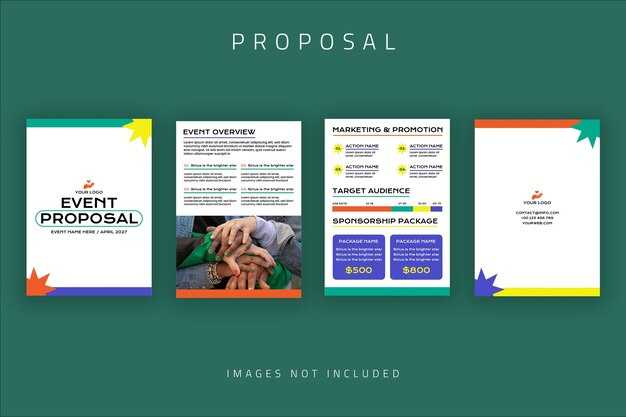
目標、対象者、成功指標を明確にする1ページの概要から始めます。このページは、進行に合わせて自身で適応させることができ、基準内でチームを刺激するアンカーとして機能し、リサーチから実行までのすべてのステップをガイドします。
含めるべき項目:対象者、主要な目標、制約、コアメッセージ、アセット、タイミング、承認。各セグメントについて、トーンを定義し、アセットを参照します。フォーマット、チャネル、CTAの詳細な仕様を平易な言葉で、必要なコンテキストの量とともに組み込みます。この明確さは、ブランドやその他にとって素晴らしいものであり、誤解を避けるのに役立ちます。役立ちます
実践的な流れは次のとおりです。まず、ハイレベルな基準を設定し、次にステップを埋め、最後に戦術的なアセットを確定します。チェック、承認、バージョン管理、署名を設定して、チャネル全体で一貫性を維持するシステムアプローチを構築します。このアプローチにより、チームは期限内に連携を保ち、アセットを公開する前に品質を保証します。
曖昧な言葉ではなく、測定可能な結果、成功の兆候、署名基準を指定します。ステークホルダーからのフィードバックを組み込む際は、変更を追跡し、マスターバージョンを維持します。これにより、全員が同じ認識を持ち、意思決定における不必要なサイクルを減らすことができます。
アクションを強化するために、関連するタッチポイントに明確なCTAを配置します。優れた構造を使用します。簡潔な問題提起、具体的なアクション、および即次のステップ。ここで、同じコアを再利用し、ブランドやその他のデジタルチャネルに合わせて部分を適応させ、基準を維持し、明確さとスピードの量を高めることができます。
クリエイティブブリーフのための実行可能なフレームワーク
対象者、望ましいアクション、測定可能な結果を含む単一の目標ステートメントから始めます。CTR、エンゲージメント率、コンバージョンリフトなどのKPIを含め、明確な期日を設定します。これにより、チームは集中力を維持し、一連のアセットを扱っている際のスコープクリープを減らすことができます。この目標は、将来の影響を反映するように作成されています。
固定構造に従います。特定のターゲットオーディエンス、トーンとブランドのガードレール、およびコアメッセージを特定します。ブリーフはこれらの項目に従い、コンテンツの種類とチャネル全体での一貫性を保証します。
対象者セグメントを特定します。主要、二次、およびマイクロオーディエンス。デモグラフィック、ニーズ、ペイン、およびモチベーションに関する望ましい結果を説明します。これにより、各タイプおよび各投稿バッチの各セグメントに対してユニークなメッセージを作成するのに役立ちます。
コンテンツスコープを定義します。各アセットがキャンペーンのどの部分をカバーするか、バッチサイズ、フォーマット、および投稿タイプを指定します。各タイプのアセットについて、チャネルのニーズと対象者の期待との整合性を確保します。動画、静止画投稿、ストーリー、コピーブロックなどの成果物をリストします。各アセットが対象者にとって魅力的であり続けることを保証します。このアプローチは、制作計画に有益であり、修正サイクルを減らします。
ブランドの制約とトーンを文書化します。ボイス、語彙、文法規則、および必須要素を指定します。アクセシビリティと読みやすさを保証します。それでもチャネル全体で一貫したトーンを維持します。この一貫性により、すべての投稿が同じアイデンティティの下で配信されます。
ワークフローとシステム:保管、バージョン管理、および承認のためのシンプルなシステムを採用し、明確な命名と共有リポジトリを使用します。チームが従うことができるチェックリストを作成し、プロセスを容易にし、品質を保証します。バッチ計画、投稿承認、および公開ステップを含めます。作業プロセスはスケーラブルで将来性があるべきです。
レビューの頻度とFAQ:投稿後の簡単なレビューを挿入します。何が行われ、何を学び、次にどのような変更を実装するか。対象者、トーン、タイムライン、および承認に関する一般的な質問に答えるFAQセットを含めます。これにより、時間を節約し、ステークホルダーとの連携を保ち、頻繁に更新されます。
指標とイテレーション:影響を測定する方法と、ブリーフをいつ見直すかを定義します。A/Bテストや投稿パフォーマンスレビューなどのテストアイデアを含めます。このフレームワークにより、チームは集中力を維持し、将来のキャンペーンに容易に適応できます。
具体的なプロンプトでプロジェクトのスコープと目標を定義する

簡潔なスコープ文から始めることは、プロジェクトの開始点となり、問題、対象者、および成功基準を明確にします。これを最初のドラフトに入れ、クライアントと共有して整合性を確定し、すべての決定の基準点として使用します。
特定された問題、ブランドのコンテキスト、およびクライアントの全体的な目標を特定します。ターゲットオーディエンス、チャネル、および成功基準を指定します。連絡担当者と共有が必要なドキュメントを決定します。これにより、すべてのステークホルダーが最初から同じ言語を話し、プロセスに集中し続けることができます。
キャンペーンの具体的な目標は、具体的で測定可能である必要があります。エンゲージメント、コンバージョン、または認知度が数値でどのように見えるかを定義し、現実的な時間枠を設定し、ブランドエクスペリエンスに合ったトーンを決定します。チームが作業の進捗を追跡できるように、コアセグメント全体での影響の深さを示す指標を含めます。
成果物、期日、必要なアセット、および承認ステップを詳細に説明します。コンテンツタイプ、フォーマット、チャネル、および内部の制約またはポリシーを列挙します。詳細には、コンテンツ、内部承認、およびチームが参照として保持するドキュメントが含まれるべきであり、すべてのドラフトがブランドガイドラインとエクスペリエンスの期待に沿っていることを保証します。
コラボレーションワークフローを説明します。ドラフトの期日、フィードバックの場所、署名者、および迅速な決定のためにクライアントに連絡する方法。透明性のある頻度と、メモ、決定、および更新の共有ログを使用します。これにより、プロセスがスムーズに進み、やり取りが減り、全体的な有効性が向上します。
スコープ、タイムライン、承認、および変更に関する一般的な質問に対処するためにFAQを含めます。簡潔なFAQセットは遅延を減らし、質問が発生したときにチームが前進できるようにするため、作業が停滞する前に処理されます。FAQがブランド、トーン、およびキャンペーンの制約を参照して、メッセージに沿っていることを確認します。
ドラフトとレビューのためのツールとアセットを指定します。初期ドラフトのためのQuillBot、最終調整のための希望のエディター、および迅速な編集のための連絡方法を呼び出します。コンテンツがどのように魅力的であり続けるか、ドラフトの深さをどの程度にするか、および内部メモが対象者に響き、ブランドエクスペリエンスをサポートする最終コンテンツにどのように変換されるかを明確にします。
有効性がどのように測定され、報告されるかを確立します。主要な指標、データソース、および更新の頻度を定義して、チームがリアルタイムで戦術を調整できるようにします。スコープとの整合性を示す最終ドラフトを要求し、公開前のトーンとコンテンツのイテレーションの余地を残し、クライアントの署名をトリガーします。
対象者、ブランドボイス、およびコアメッセージをマッピングする
ステークホルダーが参加する90分間のワークショップを実行して、対象者セグメント、ブランドボイス、およびコアメッセージをマッピングします。ノート、期待、およびアクティブなFAQセクションを含む構造化されたブリーフで結果をキャプチャします。この整合性により、チャネル全体で一貫した投稿が推進されます。
デモグラフィック、目標、およびメディア習慣に基づいた4つの対象者ペルソナを定義します。各ペルソナに以下を含めます。当社のコンテンツに遭遇したときに何を考え、何を検索し、どのようなフォーマット(ビジュアル、長文投稿、クイックヒント)を好むか。各ペルソナをブランド価値、購入トリガー、および最も関連性の高いメリットに結び付けます。彼らにとって最も魅力的なものを明確にします。
ブランドボイスを具体的なルールのセットとして確立します。トーンの範囲(権威的、フレンドリー)、語彙の制限、文の長さ、およびフォーマットのヒント。各ペルソナについて3〜5行の例を提供し、ライターをガイドするために2〜3の「〜すべき/〜すべきでない」ルールをリストします。GPT-4を使用して各ペルソナの投稿アイデアを5〜10個ドラフトし、投稿に適した行をキュレートします。
コアメッセージ:各ペルソナの主要な提案と2〜3のサポートステートメントを作成します。すべてのメッセージが明確で、テスト可能で、分析の指標に結びついていることを確認します。関連する場合は外部の証明のための引用可能な文章を含めます。一般的な反論に対処するために何を言うべきか、および何を避けるべきかを含めます。
成果物とガバナンス:単一の構造化されたブリーフファイル、メッセージングマトリックス、トーンプレイブック、およびFAQドキュメント。ステークホルダー間で所有者を割り当て、更新と承認の頻度を設定します。すべての投稿アイデアが対象者セグメントと期待されるアクション(適切なCTA)にマッピングされていることを確認します。
最適化と測定:最適化の期待を設定し、KPIターゲット(エンゲージメント率、保存数、共有数、CTR)を定義し、軽量な分析ダッシュボードを構築します。次のサイクルに情報を提供するために、継続的なノートとアイデアをキャプチャします。何がうまくいき、何がうまくいかなかったかについての長期的な観察を含みます。
これを実行に移すには、質問内容、含めるべきもの、反復方法についての明確な計画を立てるところから始まります。このアプローチは、リサーチからのメモを文書化し、次にアイデアを具体的な投稿セットに変換し、フィードバックのために関係者間で調整することから始まります。これにより、思考が集中し、意思決定のための適切なフレームワークが得られます。
成果物、フォーマット、タイムライン、承認ステップを具体的に定義する
キックオフ時に固定された出力リストを実装し、すべての関係者がそれを理解していることを確認します。つまり、アセットの完全なセット、フォーマット、および承認パスです。ブリーフには正確な成果物を明記することで、ブランドは問い合わせのやり取りなしに進むことができます。これにより、曖昧さがなくなり、プロジェクトは迅速かつ焦点を絞り、測定可能に保たれます。
成果物とフォーマット:特定のファイルタイプを含む、出力の完全なセットを定義します。ブランドが連携できるように、ブランド対応のコピーデッキ(DOCXまたはGoogle Docs)とビジュアルパック(PDFおよびAI/PSDなどの編集可能なソース)を要求します。件名、アイデア、使用方法を説明するメモを添付します。簡単な参照のために、1つの出力にエグゼクティブサマリーを含めます。セクションは「概要」「アセット」「コピー」「ビジュアル」「メタデータ」「使用方法」と明確にラベル付けする必要があります。この構造により、エディターやツールは必要なものをすばやく見つけることができ、チャネル全体で奥行きの整合性が保たれます。
タイムライン:具体的なマイルストーンを含む完全なスケジュールを設定します。ドラフトは2営業日以内、社内レビューは1日、最終承認は2日以内です。正確な日付と変更のための単一の真実の情報源を含むカレンダーを添付します。複数の市場を持つブランドの場合は、ローカライズウィンドウを追加し、すべてのメモが組み込まれていることを確認します。
承認ステップ:権限のある所有者と承認ゲートを特定します。やり取りを避けるために、成果物ごとに1つのゲートを使用します。フィードバックは単一の統合されたメモに記録し、セクションごとに変更をタグ付けし、以前のバージョンを置き換えるために更新されたドキュメントを要求します。誰もが承認基準を理解し、スケジュールを遵守していることを確認します。
ガバナンス、ツール、出力フォーマット:標準的な規則(例:project_subject_version.ext)でファイルを命名し、共有ドライブに出力を保存し、分析対応(UTM、タグ)の出力を指定します。分析の深さを含めます。件名とブランドガイドラインとの整合性を検証するためのチェックリスト、およびライセンスに関するメモです。小規模チームの場合は、4〜6個のコアアイテムに限定し、大規模ブランドの場合はセクションを追加してスケールアップします。このアプローチにより、出力が改善され、チャネル全体で再利用しやすくなります。ジェネレーターとエディターは、単一の真実の情報源を使用して共同作業し、メモはすべての資産に組み込む必要があります。
コラボレーションのためのメモ:関係者のメモを組み込むことで、連携が迅速化します。エディターに明確なプロンプトと単一の真実の情報源を提供します。出力はエクスポートの準備ができており、メタデータが含まれ、分析タグが埋め込まれているため、チームはチャネル全体での効果を測定できます。
品質と深さ:洗練された方法で作成し、ブランドが再利用できるジェネレーター対応のセットを提供し、最も一般的なユースケースをカバーするセクションを含め、小規模プロジェクトの場合は小さく焦点を絞ったバンドルを、大規模キャンペーンの場合はより充実したバンドルを維持します。これにより、権威が保証され、ブランドが件名全体で一貫した声を維持するのに役立ちます。
無料テンプレートを使用する:ダウンロード、カスタマイズ、再利用
ダウンロード可能なスターターパックを入手し、クライアントごとにカスタマイズし、コアブロックをキャンペーン全体で再利用して、言語の一貫性を維持しながら時間を節約します。
Google Docsまたはチームのワークスペースに保存し、バージョン管理と明確なアクセス権を確保します。構造はモジュール式に作成されているため、ドラフト全体を再作業せずに部分を入れ替えることができます。
- マスターをダウンロードして共有ドライブに配置します。プロジェクトタイプまたはブランドでラベル付けして検索可能にし、クライアントが必要に応じて編集されたコピーにアクセスできるようにします。
- ブロックのカスタマイズ:目的、ターゲットオーディエンス、トーン、成果物、チャネル、タイムライン、予算を更新します。ブランドボイスを維持するために言語ガイドラインを適用します。キャンペーン間で部分を入れ替えられるようにコンテンツを構造化します。
- 再利用戦略:プロジェクトごとにマスターをクローンし、ファイルをリネームし、プロンプト駆動のテキストを挿入します。クライアント固有の声を維持しながら、関連する以前のキャンペーンの言語を組み込みます。
- 品質チェック:人間によるレビューを実行して、ずれや不自然な言い回しを検出します。予算額とタイムラインを確認します。メトリクスと成功基準が明確に定義されていることを確認します。
プロンプトとAI支援ドラフトは、作成を迅速化します。プロンプトを使用してセクションを埋め込み、ライターがコピーを洗練させます。以下のようなサンプルプロンプトは、プロセスをジャンプスタートできます。
- 目的のためのドラフトプロンプト:「測定可能な成果を伴う、Xを対象としたキャンペーンの簡潔な目的を作成してください。」
- オーディエンスとランゲージプロンプト:「Y地域のキャンペーンのターゲットオーディエンスと好ましい言語スタイルについて説明してください。」
- コンテンツプロンプト:「各成果物について、2文のフックと3つの箇条書きのバリュープロポジションを提供してください。」
- タイムラインと予算プロンプト:「6週間のサイクルにわたるマイルストーンの日付と予算のガードレールを概説してください。」
gptchatをドラフトのテストベッドとして使用し、マスターにエクスポートして必要に応じて調整します。クライアントガイドラインへの整合性を確保し、問題を検出します。レビューを通じて管理を維持します。
プロセスを予算に配慮したものにします。キャンペーン全体でブロックを再利用し、節約された時間を追跡し、各サイクルの効果を測定します。このアプローチは、特に時間と予算がタイトな場合に、ライターとクライアントの両方にメリットがあります。
適切なサイズの構造、人間によるレビュー、および徹底したドキュメントにより、出力の一意性と正確性が保証されます。時間の経過とともに、作成はキャンペーンワークの信頼できるジェネレーターとして機能し、プロンプトとクライアントフィードバックの組み込みを通じて言語は一貫して保たれます。
AIプロンプトを適用してブリーフを迅速にドラフトし、一貫性を維持する
プロジェクトの目標、オーディエンス、チャネル、および期待される出力をキャプチャする再利用可能なAIプロンプトキットから始めます。これにより、通常、思考時間が短縮され、特にエディターが関与し、関係者が承認する必要があるプロジェクト全体で整合性が提供されます。
キットの簡潔な構造は次のとおりです。コアプロンプトに加えて、オーディエンス、ブランド、スタイル、および必要なセクションなどのプロジェクト固有の詳細フィールドがあります。コアプロンプトは、完全に最適化され、ケース全体で再利用できるように作成する必要があります。
ブリーフのタイプは、チャネル、目標、オーディエンスでタグ付けできます。タグにより、自動ルーティングと分析が可能になります。
ルールは一貫性を強制します。ブランド言語(ブランド)、ボイス、および用語を埋め込みます。ルールは、エディターが更新できるライブドキュメントとして保存します。変更は追跡されます。
ワークフロー*標準プロセス内:*プロンプトは初期コンテンツをドラフトし、エディターがレビューして洗練させます。その後、出力は最終承認のために関与するチームに送られ、その後公開されます。
運用上のヒント:プロンプトは簡潔かつ強力に保ちます。作成されたプロンプトは、成果物、オーディエンス、および必要なセクションを指定する必要があります。Psemanticかもしれない?おそらく、プロンプトにチェックリストを組み合わせて、思考を改善し、手戻りを減らします。
測定と改善:分析ダッシュボードは、完了率やコンバージョンなどのメトリクスを追跡します。出力がチャネルやブランド全体でどのように機能するかを監視します。
コラボレーションの強化:チーム、リソース全体でプロンプトを再利用し、変更を強制して標準を維持します。ここでは、コアを整合させたまま、新しいキャンペーンに合わせて調整できます。
一般的な障害:一般的な思考、あいまいな目標、またはオーディエンスの詳細の欠落。しかし、それらに対処するには、コアプロンプトに明示的なセクションを追加すること、スタイルを標準ブランドガイドラインに合わせること、および関係者を早期に関与させることを検討してください。
作成された、最適化されたプロンプトスイートは、より速いドラフトを提供し、やり取りを減らし、一貫したプロフェッショナルなトーンを維持しながら、コンバージョンを支援します。