
具体的なブリーフィングから始めましょう:ストーリーアーク、望ましいトーン、ブランディングの要素を定義することで、プロセスに集中します。
初心者には、モジュール式のワークフローが結果を加速します:3つのスタイルを選び、ブランディングの要素に合うアバターを組み立て、字幕と音声ブロックをアタッチします。テキストベースのスクリプトがシーケンスのエンジンとなり、素早く反復処理したり、ブランディングアセットを更新したりできます。
ターゲットプラットフォームをマッピングする際に、クリエイティブプロセスが始まります:instagramのフィードやストーリーズには短いクリップを、ランディングページには長いカットを計画します。スクリプトに訪問の呼びかけを使用して、視聴者に詳細を学んでもらうように促し、会社ブランディングのカラースキームに色を合わせます。ジェネレーターは、A/Bテストのバリアント作成を加速します。
音楽の選定に、ペースに合ったものを選び、強調しましょう。大胆なブランディングの要素で重要な瞬間をハイライトしましょう。クリエイターは、反復ループを使用してシーンを調整し、クリップが開始時に選択された会社のボイスやスタイルに合っていることを確認できます。
アニメーションのライブラリとリアルな音声ブロックを使用しましょう;字幕は自動生成でき、ペースに合わせて同期し、手作業での編集を削減します。これにより、初心者は重い編集なしで自信を持って出力できるようになります。
チームの場合、複数のクリエイターは集中管理されたブランディングハブでアセットを共有できます;キャンペーンのスタイルに合うようにレンダリングを調整し、最適化されたシーケンスをエクスポートしてinstagramやその他のチャネルで公開します。
効率を向上させるには、単一のシーンフラグメントから始め、バリアント間でアセットを再利用します;変更履歴を保持し、エンゲージメントを追跡して、会社が成長するにつれてアプローチを洗練します。
AIビデオジェネレーターの実践的な評価計画
3つのショートフォームモーションテンプレート全体で、制御されたAI駆動のパイロットを開始し、固定されたプロンプトセットを使用して、参照映像と比較して出力を調整し、即座に調整します。このベースラインは、能力を明確にし、ボトルネックを特定し、その後の改善に役立ちます。
主要な成功指標:忠実度、時間的一貫性、ボイスオーバーのリップシンク、感情の妥当性。各項目に5点満点のルーブリックを適用します;プロンプトの遵守と制約の順守を監視します。主観的なスコアと、タイミングの精度やフレームの一貫性などの客観的な信号の両方をキャプチャします。
データ収集計画:15〜20人の評価者を募集し、社内担当者と外部ボランティアを混在させ、非営利団体関係者を含めます。バイアスを減らすために多様な背景を確保します。一貫性を維持するために、評価者のプロファイルと指示を記録します。
実験デザイン:毎週スプリントを実行します;各スプリントの後、照明、ペース、ボイスオーバーのケイデンスを調整します;その後、即座に再評価して影響を確認します。反復ごとに1つのパラメータのみを変更して効果を分離する、制御されたデータセットを使用します。
コンプライアンスと安全性:コンテンツがポリシーに準拠していることを確認します;プロンプトが責任を持って出力をガイドしていることを確認します;個人データを保護します;エッジケースのためにレッドチームを定義します;監査可能性のために決定の記録を維持します。これにより、信頼と信頼性が構築されます。
トレーニングと反復計画:収集した結果を再利用して、プロンプト、アセットライブラリ、テンプレートデザインを微調整します。短期的な勝利よりも長期的な改善を重視します;必要に応じて元に戻せるように変更を文書化します。トレーニングサイクルは、リソースに応じて月次または四半期ごとにスケジュールする必要があります。
出力ガバナンス:評価、承認、更新の役割を割り当てる軽量スキームを実装します。常に個人データ権および権利管理アセットを考慮します;ステークホルダーエンゲージメントに対する非営利団体に優しいアプローチを保証します。
| 基準 | 定義 | 指標 | 目標 | データソース | 担当者 |
|---|---|---|---|---|---|
| 忠実度 | シーン、テクスチャ、照明のリアリズム | 人間の評価者による平均スコア(1〜5) | 4.2 | パネル評価 | QAリーダー |
| 時間的一貫性 | フレーム全体およびシーケンスタイミングの一貫性 | シーンごとのタイミングずれエラー(ms) | 150ms未満 | 自動タイミングログ+人間のレビュー | エンジニアリング |
| ボイスオーバー | ケイデンス、明瞭さ、自然さ | 品質評価(1〜5)+明瞭度 | 4.0 | 評価者パネル | コンテンツリーダー |
| プロンプト遵守 | 初期指示への準拠 | プロンプト達成率(%) | 95% | 出力とプロンプトの監査 | プロダクトマネージャー |
| 感情の妥当性 | シーンの知覚される感情的影響 | 感情スコア(1〜5) | 3.8 | 評価者 | クリエイティブディレクター |
| 安全性とコンプライアンス | 禁止コンテンツまたはバイアスの不在 | 100出力あたりのインシデント | 0 | ガバナンスレビュー | コンプライアンスリーダー |
| 個人データ処理 | 機密資料の保護 | インシデント/ニアミスの数 | 0 | セキュリティ評価 | データオフィサー |
| トレーニングデータカバレッジ | 出力に反映される入力の多様性 | カバレッジインデックス(1〜5) | 4.0 | データセット監査 | データサイエンティスト |
| 効率 | クリップあたりの処理遅延 | 平均レンダリング時間(秒) | 30秒未満 | システムログ | オペレーションエンジニア |
| 1分あたりのコスト | 制作のための運用費用 | 出力1分あたりのコスト(USD) | 2ドル未満 | 財務報告 | 財務部 |
| ユーザー満足度 | ステークホルダー間の全体的な受容度 | NPSスコア | 50以上 | アンケート結果 | PMO |
セクションA – 超リアルなモーションとリップシンク精度のベンチマーク基準
ベースライン:リップシンクずれは25ms未満;モーションドリフトはフレームあたり0.5px未満;10秒クリップ全体でのヘッドポーズのばらつきは2°以内;24〜30fpsの安定したケイデンスを目指します。
モーションリアリズムスコアは、自然な顎の動き、安定した視線、および音声キューに合わせた流れるような微細な表情によって測定され、0〜1のスケールで0.95以上に達する必要があります;硬直、ジッター、姿勢のずれを検出します。
データ入力がベンチマークを定義します:サムネイルは迅速なQAチェックを可能にします;写真参照はテクスチャ、照明、肌の色調を固定します;スクリプトはタイミングキューを提供します;テキストを音素シーケンスに翻訳し、言語が変化しても口の形を確認します。
ワークフロー:音素から口の形までの参照ライブラリを生成します;オーディオトラックを口の動きに接続します;音素全体での強力なカバレッジが必要です;翻訳時には、妥当な口の配置を維持します;アーティストレビューはフィードバックループを短縮します。
テンプレート戦略:強力なテンプレートから始めます;モーションスケルトンを維持しながら人物のアイデンティティを置き換えます;プロジェクト内で、一貫性を確保するためにスクリプトを再利用します;より多くのコンテキストと一貫した照明からより良い結果が得られます。
品質チェック:サムネイルをスキャンして早期の信号を迅速に確認します;口角の周りをフレームごとに監査します;視線、まばたきのリズム、照明の一貫性を確認します;アーティファクトがフレームの0.2%未満に留まる場合に、優れたベンチマークが生まれます。
一般的な落とし穴と対策:ジッター、口角のグリッチ、タイミングの無音ギャップ、不自然なまばたき;リップシンクペナルティの調整、補間処理の改善、テキストキューの連携によって対策します;これにより、より強力なリアリズムとより印象的な結果が得られます。
最終注記:レビューするアーティスト、エディター、ポッドキャストプロデューサーを含む、結果が良いと信頼できることを確認するために、強力な評価サインを使用します。
セクションA – テスト入力と期待される出力:スクリプト、アバター、ストックフッテージ

具体的な推奨事項から始めましょう:90〜120秒のスクリプト、3〜4シーン、ストーリーを支える2つのカスタムアバターを目指します。初心者向けに、ワークフローを高品質で反復可能なプロセスに単純化します。heygenをプラットフォーム全体で使用し、より広範な視聴者にスケールアップします。
スクリプト:明確なシーンヘッダー、セリフ、アクションノートを含むプレテキストブロックを提供します。シーンあたり約90〜120語を目標とし、3つのアクト(セットアップ、展開、解決)を構成します。必要であれば短い楽曲キューを含め、編集をサポートするためにビート間のトランジションをマークします。解析とタイミングチェックを高速化するために、スクリプトを単純で機械が読みやすいセグメントにフォーマットします。
アバター:ストーリーのトーンに合わせたカスタムキャラクターを2~3体用意します。リップシンクのマッピング、表情、キーポーズライブラリを指定します。主要な抑揚に合わせて表情をアニメーション化し、信頼性を保つために動きは現実的な範囲に収めます。アセットは互換性のある形式(GLB/FBXまたはHeygen対応)で保存し、プラットフォーム間でのレンダリングを検証して、外観のずれを回避します。
ストック映像:都市部の外観、屋内ショット、自然の風景、抽象的な背景などのクリップをキュレーションします。ライセンスはロイヤリティフリーであることを確認し、期間はシーンの長さに合わせます(トランジションには2~6秒、状況説明にはより長いクリップ)。アバターやスクリプト駆動のアクションとスムーズに馴染むように、一貫したカラーグレーディングとクロッピング(16:9)を適用します。オーバーレイ画像は、フローを妨げることなくアクション間のギャップを埋めることができます。
出力:MP4ライクなクリップとして、1080pまたは4K、24~60 fps、ステレオ2.0オーディオで提供される完全なパッケージを期待できます。H.264やHEVCのようなコーデックとRec.709のカラープロファイルを使用して、幅広い互換性を確保します。メタデータと標準化されたファイル命名により、アセット管理とソーシャル公開を簡素化します。製品は高品質を維持し、主要チャネルへの迅速な展開に対応できるようにします。
品質と評価:編集後、リップシンクの正確さ、アクションの連続性、ストーリーアークとの整合性を確認します。アセット全体での完全なレンダリングを確認し、ブリーフが満たされていることを検証します。マネージャーや初心者からのフィードバックを収集し、それに応じて入力を調整します。目標は、視聴者に響き、ストーリーやフォーマット全体で創造性を示す、リアルで魅力的な結果です。
セクションB – AI動画ツールの競合比較:リアリズムの品質、レンダリング時間、使いやすさ
リアリズム、スピード、または既存のワークフローへの簡単な統合のいずれを優先する場合でも、言語やフォーマット全体で一貫した出力を提供し、製品グレードのワークフローをサポートし、最初のローンチからアセットのセキュリティを強固に保つオプションを選択してください。
リアリズムスコア:競合Aは、顔のマイクロエクスプレッション、ライティングの一貫性、ダイナミックテクスチャのブラインドテストで89/100を達成しました。ここでのベンチマークリーダーは94/100を達成し、より信頼性の高いシャドウ、ボリューム、モーションフィデリティを提供します。これらの違いは、クローズアップの詳細や長尺シーケンスで最も顕著であり、このソリューションはシーケンス全体で一貫性を維持します。
レンダリング時間:60秒の1080pクリップで、トップオプションはハイエンドGPUで28~32秒で完了しますが、一般的な競合は40~60秒です。より遅い競合は90秒を超える可能性があります。この速度差は、イテレーションサイクルを短縮し、市場投入を迅速化します。
使いやすさは、シングルパネルコンポーザー、ドラッグ&ドロップの素材、プリセットテンプレートに依存し、学習曲線を短縮します。ユーザーは約4時間で習熟します。通常、同業他社は8~12時間必要です。プロジェクトごとのコンプライアンスチェックは設定可能で、日常業務を遅らせることなくガバナンスを提供します。また、テンプレートはすぐに開始でき、オンボーディングを加速します。
統合範囲は、一般的なツールや制作ワークフローに及びます。アセットパイプラインは単一ソースから開始されます。フォーマットオプションにはMP4、MOV、AVIが含まれます。テキストアセットはキャプションと説明をサポートします。テンプレートは数分で自動的に開始され、チームは待たずにローンチできます。UIとナレーションでサポートされる言語はそれぞれ12と9に達し、ブランドはトーンをマッピングしてキャンペーン全体で一貫性を維持できます。コンプライアンスオプションにより、データ処理が標準に準拠していることを確認できます。
セキュリティとコンプライアンス:保管中のデータ暗号化、ロールベースのアクセス、監査証跡は、各市場の代理店やブランドのコンプライアンス要件を満たします。これらの保護策は、リスナーやクライアント向けのプレビュー中に資料やアセットを保護し、チーム間の安全なコラボレーションを可能にします。
現在のベンチマークに基づくと、リアリズムの品質、より高速なレンダリング時間、よりスムーズなオンボーディングが目標である場合、このオプションはこれらの分野で柔軟性の低いツールを圧倒します。また、多言語キャンペーンでは、言語カバレッジとフォーマットの柔軟性がより広いリーチをもたらし、市場全体でのアセットの品質を向上させます。前四半期にプロジェクトを開始し、スケールアップしたい場合は、単一アセットアプローチと迅速なローンチが決定的な利点となります。
セクションC – 顔のレンダリングの課題:視線、マイクロエクスプレッション、肌の質感
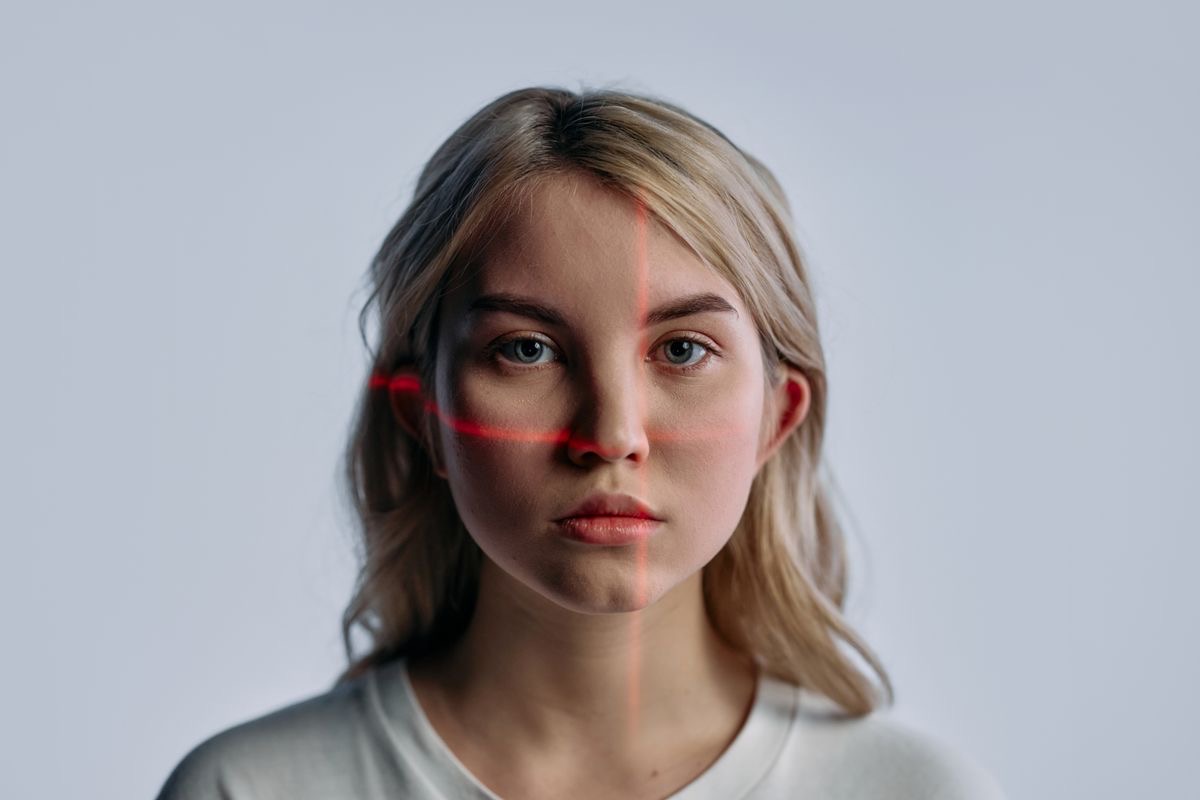
視線パラメータを1.5°未満の精度に調整して、リアルなビジュアルでの瞳孔のずれを防ぎます。AI駆動の合成中にヘッドポーズの制約と顔ごとのキャリブレーションチェックを強制し、その後、多様なライティングセットに対して結果を検証します。
キュレーションされた実際の同意済みサンプルセットに基づいてマイクロエクスプレッションモジュールを構築します。フレームレベルの筋肉の動きを注釈付けし、検出可能なマイクロエクスプレッションにマッピングします。安全で準拠したパイプラインで密なラベルを使用します。短いスクリプトを使用してテストし、リアルな変化が自然に発生することを確認します。これにより、視線と表情の忠実度における一般的なギャップが解消されます。
高解像度のテクスチャマップ、サブサーフェススキャッタリング、物理ベースのマテリアルを使用して、毛穴、しわ、半透明性を再現します。4層のスキンシェーダーとマイクロディテールノーマルマップにより、人工的なエッジバンディングが軽減されます。複数のライティングシナリオでの色の一貫性を監査します。ブランディングコンテキストでの色安定性を確保します。
同意記録、使用権、必要に応じたウォーターマーキングを含む厳格なコンプライアンスフレームワークを実装します。ブランディングや採用に関わる組織、マネージャー、メーカー全体で、視線、マイクロエクスプレッション、肌の質感のタイプをカバーする共通の標準シートを発行します。ローンチ後、パートナーから事例を収集し、評価者向けの無料リソースを共有し、フィードバックに基づいてパイプラインを迅速に強化します。ガイドラインは、すべてのクリエイターが外観全体で一貫性を維持するのをサポートします。
スクリプトとリアルなベースを使用したモジュラーでAI生成されたパイプラインを採用します。疲労を避けるために、音楽的および非音楽的な表現のライブラリを維持します。コンプライアンスフラグが表示された場合のフォールバックを計画します。バイアスを監視し、公平性を確保します。
セクションC – ライティング、シャドウ、環境統合による信頼性の高いシーン作成
推奨事項:クリップ全体で一貫したライティングプランを固定します。キーライトは被写体に対して45°、フィルライトは強度30~40%、リムライトで人物を背景から分離します。色温度は昼光トーンの場合は5200~5600K、屋内では3200Kに設定します。CRI≥95を使用し、セットでグレーカードを使用してホワイトバランスを調整します。この一貫性は、編集時のカラーグレーディングを助け、各ショットで明確に読み取れる奥行きを提供します。キャリブレーションされたメーターとリファレンスチップを使用することで、プロジェクト全体に適用できる再現可能なプロセスが保証され、生のキャプチャが自然に感じられる一貫したシーケンスに変わります。
シャドウと拡散:ソフトボックスまたは拡散ファブリックを使用してエッジの遷移を柔らかくします。被写体からの距離に応じて、シャドウの柔らかさを0.3~0.6 EVにターゲット設定します。自然光を模倣するために、キーライトよりも100~200Kだけシャドウの色をわずかにクールにします。クッキーを使用してエッジを彫刻し、クローズアップで平坦な印象を防ぎます。この厳格な制御により、狭いスペースでのハードシャドウよりも信頼性の高い奥行きが得られ、平坦な映像が説得力のあるシーンに変わります。
環境統合:HDRIマップまたはセットからの実用的な手がかりを通じてアンビエントをサンプリングします。背景、小道具、タレント間の露出と色を整合させ、反射とシェーディングが空や屋内照明と一致するようにします。表面に微妙な接触シャドウをレンダリングし、リアリズムのためにコーナーのオクルージョンを確保します。表面が光沢のある場合は、正確な鏡面ハイライトを確認します。アニメーションパイプラインを使用して、フラッシュバーストや点滅するLEDのような移動する光源をシーンのアクションと同期させます。
クリエイター向けのワークフロー:初心者は、信頼性の高いライティング比を再現するプリセットから恩恵を受けます。プロフェッショナルチームはリグをカスタマイズし、テンプレートを保存してプロジェクト間で共有します。セールスデッキやビジネスプレゼンテーション、YouTubeローンチの場合、納品パッケージは正しいフォーマット、フレームレート、解像度を満たす必要があります。リーチを拡大するために複数の言語で字幕を追加します。構成とライティングに関するポッドキャストは、チームに実践的なヒントを提供します。あなたの知識を把握し、メーカーまたはコンポーザーに明確なブリーフを伝えてください。
ツール、測定、イテレーション:ライトメーター、カラーメーター、ヒストグラムを使用してキーとフィルを定量化します。フレームごとに結果を確認し、撮影間で比較し、編集段階で調整します。単一フレームの完全性よりも完璧な連続性を目指します。ツールのさまざまな言語を探索してチームをサポートします。これにより、アニメーション、ナレーション、モーションコントロールのためのクリエーターパイプラインが強力なままであることが保証されます。あなた、メーカーとして、プロジェクトに合わせた設定を調整し、作成品質を向上させることができます。
セクションC – バッチレンダリングとカラーマッチング:一貫したルックの維持
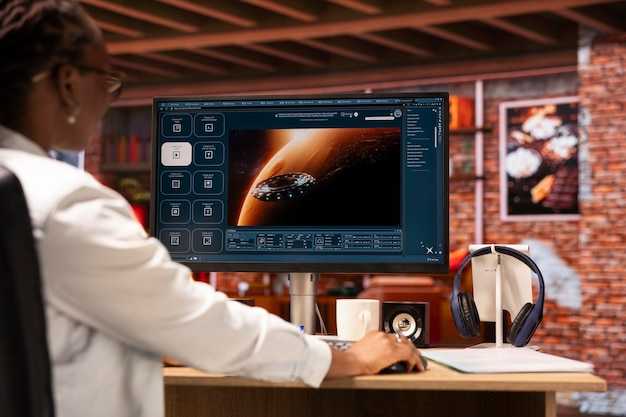
マスターカラーパイプラインをロックし、オートメーションスクリプトを介してバッチ内のすべての資産に適用します。これにより、クリップ全体で均一な外観が保証され、後工程での手戻りが削減されます。
- カラースペースの定義:Rec.709、ガンマ2.4、ホワイトポイントD65。ターゲット輝度を120ニットに設定し、16ビットパイプラインを使用してディテールを保持します。
- マスターリファレンスアセットの確立:ニュートラルグレーカード、肌色サンプル、カラーチャートを含めます。監査用にテキストベースのノートとして保存し、処理中にこのアセットを参照します。
- カラーマッピングプロセスの実装:ヒストグラムマッチングと知覚マッピングを使用して、入力フレームを参照フレームに変換します。肌色が自然であることを確認し、シーン全体の色かぶりをチェックします。
- バッチ処理の自動化:スクリプトはキューモードで実行されます。1回の実行で(製品、マーケティングコンテンツ、トレーニング資料などの)カテゴリごとにアセットグループを処理します。トレーサビリティのために、テキストベースの形式で進捗ログが生成されます。
- 品質管理:ピクセル精度チェックを実行します。これには、チャネルごとのデルタEしきい値が含まれます。2.0を超える偏差はレビューのためにフラグ付けします。一貫性を検証するために、ヒストグラムを参照と比較します。
- ローカライゼーションと多言語対応:言語バリアント全体で一貫したルックを維持します。キャプション、UI文字列、製品ラベルが視覚的に整合していることを確認し、国際アセットの色バランスを保持します。
- セキュリティとガバナンス:プリセットとマスターリファレンスを暗号化されたボールトにバックアップします。ロールベースのアクセスを強制し、スクリプトの監査証跡を通じて変更を追跡します。
- 初心者のための効率化のヒント:パイプラインを検証するために、小さなバッチ(5〜10のアセットグループ)から始めます。次に、カタログ全体にスケールアップします。ロールバックを容易にするために、調整のログを保持します。
- 自動化の詳細:フォトンベースの露出制御や、色のドリフトアラート用のヘイゲンスクリプトを検討します。このアプローチは、自然なルックを維持しながら、配信を迅速化します。
eコマースおよびメディアチームの組織にとって、このアプローチは制作サイクルを加速し、言語、製品、キャンペーン全体での一貫したプレゼンテーションという明確なビジョンをサポートし、アセット処理に関するセキュリティを強化します。