
推奨:多様な信頼できるソースからのデータセットを使用して、リアルタイムでアセットを調整し、信頼性と効率を向上させ、手作業プロセスやチームの足を引っ張る不要なものを削減する、AI主導の最適化をオーディエンス全体で展開する。
マーケターは、推測ではなく、オーディエンスのニーズを予測するのに役立つテクノロジー主導のインサイトにシフトが依存する場合に価値を得ます。業界全体で、明確なプラクティスを実装し、信頼できるソースからの多様なデータセットに対して結果を検証し、単一の真実の情報源を維持するチームは、チャネル全体でエンゲージメントの向上を実感します。そこで、コンテンツが好みに合致すると、オーディエンスは反応し、データ主導の意思決定の価値はステークホルダーに報告する価値があるものになります。
データ主導の計画:AI生成バリアントを使用して3~5件のキャンペーンでパイロットを実施し、エンゲージメント、滞在時間、完了率を測定し、その後、最もパフォーマンスの高いテンプレートをライブライブラリに展開する。データガバナンスを確立して、データセットが最新の状態に保たれ、出所とバイアスコントロールが備わるようにする。アナリティクスをクリエイティブイテレーションにリンクし、クリエイティブとアナリストの両方が使用する実践的なプレイブックにプロセスを文書化する。
部門横断的な連携はインパクトを加速します。クリエイティブ、データ、テクノロジー分野のチームは、プロセスをマッピングし、成功指標を定義し、真実の情報源ダッシュボードを維持する必要があります。このアプローチは、より明確なROI、より良いオーディエンスの共鳴、およびキャンペーン全体でのより強力な信頼性をもたらし、市場調査やプラットフォームアナリティクスなどのソースから継続的に学習します。
15~30秒のソーシャル広告のプログラマティッククリエイティブ最適化
3~5件の異なる15~30秒のバリアントをコアオーディエンスセグメント全体でテストする自動最適化ループから始め、パフォーマンスの低いものを一時停止しながら、6~12時間以内にトップパフォーマーをスケールアップします。一部のキャンペーンでは、アセットがデバイス、場所、時間コンテキストと一致すると、CTRが12~20%向上し、完了率が8~14%増加します。
早期インタラクションからの予測シグナルは依然としてバックボーンです。アテンションカーブ、スキップ率、センチメントシグナルを使用して選択をシャープにすることで、エンゲージメント率が9~15%向上し、テスト全体で保存数が6~12%増加します。
重要な領域を優先する:最初の1.5秒のフック、読みやすいキャプション、モバイルフレンドリーなテキスト、編集のペース。オーディエンスが愛するクリエイティブは、スクロールファーストフィードであっても、非常にエンゲージメントの高いエクスペリエンスと長い完了時間をもたらす傾向があります。
さらに、モジュラーテンプレートは複数のバリアントの作成を可能にします。ファーストパーティシグナルとプラットフォームレベルのデータを使用することで、このアプローチは広告主がエリア固有のプレースメント全体で最適化を進化させ、比類のないリーチと機敏な適応を提供できるようにします。このループは自動化によって可能になり、手動レビューを削減し、キャンペーン全体でのイテレーションをスピードアップします。
測定とガバナンス:エリアごとのカーブの向上を追跡し、ホールドアウトを実行し、エリア間の整合性を強制します。完了率、エンゲージドインプレッション、エンゲージメントあたりのコストなどの定型KPIを確立し、数日ではなく数時間以内にパフォーマンスの低いセグメントをサーフェスする予測ダッシュボードを備えます。
クリエイティブバリアント選択の自動化に使用するKPI
クリエイティブ最適化に直接貢献する、リーンなKPIスタックから始めます:CTR、CVR、CPA、ROAS、および作成されたアセットあたりの収益。このイニシアチブは、AI主導の自動化に依存してバリアントを段階的なインパクトでランク付けし、エディターが優れたコンセプトを非常に迅速かつ効率的にスケールアップできるようにします。
KPI間の主要な関係を追跡して、どのクリエイティブバリアントが購入行動を促進するかを明らかにします:セグメントごとのCVR、オーディエンスあたりのCPA、および特定のコホートにバリアントが共鳴した場合のROASの向上。主要な指標を動的アトリビューションウィンドウにリンクして、購入と収益に対する各バリアントの影響を分離します。この連携は、インサイトの自動バリアント選択へのより良い変換をアセット全体でサポートします。
二次的な指標は、ハイパーパーソナライゼーションの成功とオーディエンスの共鳴を測定します:エンゲージメント率、アセットとの時間、完了率、および拡大するオーディエンス間のエンゲージメントの向上。
AI主導の自動化ソリューションには、測定可能な信頼性が必要です:自動化されたパイプライン、データレイテンシ、利用可能なアセット、動的最適化サイクルのペース。エディターのメモと説明レイヤーは、バリアントが成功する理由を明らかにし、文化的な手がかりと消費者からのシグナルが整合していることを保証します。
インサイトを行動に変える:6~8週間のイテレーションケイデンスを設定し、テストを所有するエディターを割り当て、説明ダッシュボードに探索されたインサイトを文書化します。作成されたアセットと拡大するオーディエンスがハイパーパーソナライゼーションをブーストするために使用され、購入とクリック後の行動への影響を追跡していることを確認します。
製品カタログで供給される動的ビデオテンプレートの構成方法
API経由でカタログ属性を取得し、フィールドをプレースホルダーにマッピングし、リアルタイムでアセットをレンダリングする、モジュラーでデータ主導のテンプレートシステムを展開することを推奨します。カタログスキーマには、タイトル、価格、画像、評価、利用可能性、タグが含まれるべきです。このアプローチは、キャンペーン全体で信じられないほどの柔軟性を提供し、大規模なインプレッションとパーソナライズされたメッセージを可能にします。ルールエンジンを使用して、カテゴリ、在庫状況、季節性に基づいてタイポグラフィ、色、CTAを調整します。プロセスは深く関与していますが、単一のオーケストレーションレイヤーによって簡略化されています。予測データは変数選択をガイドし、コンテキストに応じて正確で魅力的なメッセージを保証します。複数のカタログを採用すると、予測精度が向上します。このシステムは、軽量なレンダリングパイプラインによって強化されており、鮮度を維持しながら平均レイテンシを削減します。キャンペーン中にテンプレートが同期を維持できるように、製品アップデートの継続的なフィードを維持します。
| ステップ | 構成詳細 | KPI |
|---|---|---|
| カタログフィード統合 | APIまたはファイルフィード経由でカタログを接続。 SKU、タイトル、価格、画像、評価、利用可能性、色、サイズのマッピング。15~30分ごとのケイデンス | データの鮮度98%;月間インプレッション増加18~25% |
| テンプレートマッピング | プレースホルダーの定義:{title}, {price}, {image}, {badge}, {availability}。カテゴリごとの条件付きブロックの実装 | 平均視聴時間7~12%増加。CTR向上0.8~1.6% |
| 動的クリエイティブルール | ルールエンジンがカテゴリ、季節、地域ごとにタイポグラフィ、カラーパレット、CTAコピーを選択 | クリック率の変動±1.5% |
| レンダリングとキャッシュ | バリアントを事前レンダリング。カタログセグメントごとにキャッシュ。アセットが見つからない場合のフォールバックパス | レイテンシ<250ms;99パーセンタイル<500ms |
| QAと測定 | A/Bテストの実施。インプレッション、CTR、ビュー・スルー・レートを追跡。フィールド精度の検証 | インプレッション安定性±2%;コンバージョン向上0.5~1.2% |
強力な検証計画を持つことで、不整合のリスクが最小限に抑えられ、関与するワークフローがイテレーションをスピードアップします。自動化の進歩により、カタログデータとクリエイティブブロックの連携が向上し、キャンペーン全体での持続的なインプレッションがサポートされます。チームが深く構造化された命名、バージョン管理、ガバナンスを採用すると、予測インサイトがより正確になり、複数のチャネルやフォーマットへの継続的な拡張をガイドします。
限定されたクリエイティブアセットでブランドボイスモデルをトレーニングする方法
ベースラインのブランドボイス仕様から始め、それをリーンなアセットセットに対して自動的に調整します。50〜100件のコアフレーズ、6〜8件のタグライン、10件のペルソナキューでコンパクトなコーパスを構築します。コンテキストごとにトーン、ケイデンス、フォーマルさを誘導する基本的なプロンプトを作成します。すべてのマッピングを中央集権化され、バージョン管理されたシートに配置して、チームの連携を保ち、貴重なアセットの一貫性を維持し、イテレーションサイクルを短縮し、イニシアチブを最前線に置きます。トーンキューを追跡するために、アスペクト分類法を定義します。
オーグメンテーションと制御サンプリングを使用して、オーバーフィットなしに限定されたクリエイティブセットを拡張します。ラインのマイクロバリアントを自動的に生成し、業界ごとに名詞を交換し、コアボイスを維持しながらセンチメントを調整します。このアプローチは、モデルが一貫してパフォーマンスを発揮するのに役立ちます。適切な一連の制約を定義します:ブランド外の専門用語を避ける、一貫した句読点を維持する、各バリアントにボイストークン、コンテキストタグ、パフォーマンスターゲットをタグ付けします。また、チャネル固有のアプリケーションをマッピングして、クロスキャッティングインパクトを測定します。
コストを意識したループでモデルを評価します:少数の貴重なステークホルダーのパネルを使用してトーンの認識を測定し、アセットの制御されたブラウジングを使用して応答を比較し、ミスからインサイトを計算します。バリアントあたりのコストを追跡して、予算を管理します。ステークホルダーに明確な出力を提供します。明確さ、温かさ、権威、有用性について1〜5で採点されたベースラインの「基本的な」評価を使用します。これは意思決定に役立ちます。
ビディング環境で運用化します:ブランドボイスの出力をフルレングス広告にリンクし、ライブオークションでテストし、トーンドリフトの出現を監視します。ブラウジングシグナルと広告主の目標に結果を関連付けて、アプリケーションをシャープにします。
ガバナンスとコスト管理:アセットとそのライセンスのカタログを維持します。モデルの出力を固定サブセットに制限します。自動化を使用してパフォーマンスの低いプロンプトを削除します。チャネル全体でのスケーラブルなブランドボイスの出現を保証します。
自動キャプション、ロゴ、法規制フレーム配置のベストルール

キャプションとロゴは、すべての画面で下部のセーフゾーンに配置し、フレーム高さの最大12%、ロゴは最大8%とします。高コントラストなテキストには、ダークな背景に白いアウトラインを付け、コンピューターおよびモバイル画面での可読性とパフォーマンスを最大化します。書面によるガイドラインは、多数のインプレッション、プラットフォーム、インタラクティブな体験、チャットボットインターフェイス全体でのアカウンタビリティと一貫性を保証します。同様に、業界調査の分析では、安定した配置は、アクセシビリティとブランドセーフティに依存するキャンペーンで成功率が高いことと相関していることが示されています。ユーザーエクスペリエンスを損なうことなく、コンプライアンスとブランドの整合性に対処します。すべてのアセットに適用して、均一性を確保してください。
- キャプションの配置とタイポグラフィ
- 場所:下部セーフゾーン。高さ12%。左右マージン5%。
- タイポグラフィ:1080pでのフォントサイズ18〜22px。モバイルでスケーラブル。行の高さ1.2。2行に制限。わずかに黒いアウトライン付きの白いテキスト。
- 背景:テキストの後ろに半透明の長方形(不透明度0.4〜0.6)を配置し、コントラスト4.5:1以上にします。
- 一貫性:アセット全体でベースラインを揃えます。単一のフォントファミリーを使用します。書面によるガイドラインを反映します。
- ロゴの配置と処理
- 場所:右下隅。フレーム高さの8〜12%のロゴの高さ。4〜6%のマージンを維持します。
- 背景:シーン全体で視認性を保つために、オプションで半透明のバッキングを使用します。
- 分離:キャプション領域からの垂直方向の分離を少なくとも4%確保し、重複を回避します。
- ブランドの一貫性:チャネル全体で同じ配置を適用します。Stackadaptでテンプレートを適応させ、外観を一定に保ち、再作業を回避します。
- 法規制フレームの内容と位置決め
- 内容:プライバシー通知または免責事項。標準フォントで2〜3行に収めます。重要なビジュアルをブロックしないようにします。
- 位置:シーン全体で、下端または右下隅に一貫してコンテンツを配置します。
- サイズと可読性:最小フォント12px。フレームの最大幅18%。可読性を保つために必要に応じて行を折り返します。
- コンプライアンス:アカウンタビリティとブランドセーフティに対処するために、更新の監査可能な追跡を維持します。
- アクセシビリティ、ローカリゼーション、およびコントロール
- コントラスト:少なくとも4.5:1の比率を確保します。テキストアウトラインを提供します。色のみの合図は避けてください。
- ローカリゼーション:RTL言語に合わせて位置を調整します。言語やスクリプト全体で明確な読解フローを維持します。
- 音声コンテキスト:Alexaやその他のアシスタントでテストし、ダイアログが発生した場合でもキャプションが明確であることを確認します。
- 書面による標準:一貫したプレゼンテーションを保証するために、アプリケーション用に単一の更新されたガイドラインセットを保持します。
- 分析、パフォーマンス、ガバナンス
- テスト:配置を比較するために、一部のボリュームでA/Bテストを実行します。可読性、想起率、エンゲージメントを成功指標として測定します。
- 測定:キャンペーン全体のパフォーマンスを報告するために、統一されたフレームワークを使用します。アカウンタビリティチャネルの異常に対処します。
- ドキュメント:変更ログを維持します。アカウンタビリティ要件を満たすために監査証跡を有効にします。
- プラットフォームの整合性、予算、およびアプリケーション
- 標準化:Stackadaptやその他の広告アプリケーションのブランドテンプレートに合わせて、キャプション、ロゴ、法規制フレームを調整します。チャネル全体で広告アセットを一貫させ、予算を最適化します。
- アセット仕様:ファイルサイズとアスペクト比を制限します。1080pアセットでロゴの幅を約200pxに保ちます。ベクトルまたは高解像度のラスター品質を維持します。
- ポリシー:キャンペーン全体で単一のポリシーを適用し、収益を最大化し、迅速な承認をサポートします。パフォーマンスデータを参照して配置を洗練します。
アテンションヒートマップを使用してパフォーマンスの低いシーンを削除する
推奨:パフォーマンスの低いシーンを特定するためにアテンションベースのしきい値を適用し、物語の一貫性を保つためにシーケンスを再構成します。慎重な調整が必要ですが、エンゲージメント指標で迅速に成果が得られます。
プロセスステップ
- ステップ1:消費者エンゲージメントシグナル(完了率、スキップ率、滞在時間など)を含む、実際のキャンペーンからのモデリングシステムのアテンションヒートマップを収集します。
- ステップ2:調整されたカットオフを設定します。シーケンスの平均の25パーセンタイル未満のアテンションスコアを持つシーンを、2つの連続したクリップでドロップします。これにより、過剰なトリミングを防ぎながら、ペースをタイトに保ちます。
- ステップ3:フローを維持するためにトランジションを再構成します。テンポとペースをシフトさせて、ぎこちないカットなしで物語のギャップを埋めます。
- ステップ4:A/Bテストで影響を検証します。平均視聴時間、共有率、コンバージョンイベントなどの指標を追跡します。調整後の利益を予測します。
実際のサンプルからのデータ例
- 22のキャンペーンからなる実際のデータセットでは、約12%のシーンを削除した結果、完了率が8〜11%向上し、ソーシャルエンゲージメントが5〜7%増加しました。
- 物語の効率が向上すると、高インパクトセグメントに労力を再配分することで、制作の労力と投資が削減されます。
考慮すべき主な要因
- オーディエンスセグメントが大きく異なるかどうか。過修正を避けるために、セグメントごとにヒートマップのしきい値を調整します。
- 投資計画:初期設定には、ラベリング、アノテーション、分析との統合が必要です。結果は継続的なイテレーションとして蓄積されます。
- 明確なイニシアチブと定義されたタスク(データガバナンスとバージョン管理を含む)でチームが作業する場合、クリエイティブ戦略の変更が容易になります。
- 監視:調整後の指標を毎週追跡します。パフォーマンスの向上を維持するために、しきい値を反復的に調整します。
- ソーシャルチャネル全体でのプラットフォームの制約と消費者のプライバシーの遵守。データ処理がポリシーに従っていることを確認します。
実践的なヒント
- 控えめなカットから始めます。下位8〜12%のシーンのみを削除します。2週間のテストで利益が持続する場合に延長します。
- 影響の例:元のバージョンとトリミングされたバージョンのサイドバイサイドクリップを作成して、関係者を一致させます。保留率の向上の予測を共有して、企業からの承認を得ます。
- イニシアチブを文書化します。理由、しきい値の選択、観察されたシフトを記録します。これにより、スケーリング時の曖昧さが軽減されます。
成果と成長
- 効果的なトリミングは罰であってはなりません。必要に応じて説明的なショットを再挿入し、物語の整合性を維持します。
- アプローチが安定すると、プロセスはコンテンツサイクルの標準的な部分となり、消費者の反応の継続的な改善につながります。
- 長期的な効果:クリエイティブのイテレーションを加速し、変化するオーディエンスの期待とソーシャルシグナルに合わせた、スケーラブルな方法。
運用上の注意:このイニシアチブには継続的な調整が必要であり、データが蓄積されるにつれて結果が得られます。継続的な追跡は、しきい値の洗練と勢いの維持に役立ちます。
最適化されたバリアントを広告配信プラットフォームに統合する
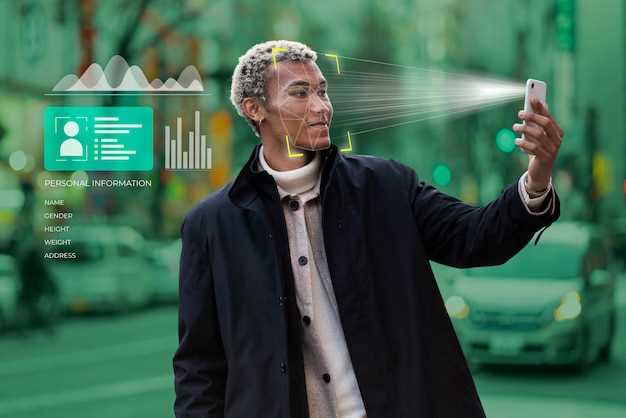
9つのブランドでテストされたトライアルをローンチし、広告配信プラットフォーム全体でリアルタイムに自動化されたバリアントを展開して、インプレッションごとにカスタム出力を生成します。これらのトライアルでは、リーチが14〜19%増加し、視聴者のエンゲージメントが11〜16%増加し、基本的な効率は約1.2倍になりました。これらの結果は、意思決定に役立つ洞察を生み出し、エコシステム全体での信頼性を示しました。
ファーストパーティデータとコンテキストキューで有効化されたシグナルを使用して、強力な意思決定ループにフィードします。シグナルは広告スタックの複数の領域から発生します。単一の指標に依存するのではなく、エンゲージメント、ビューアビリティ、ブランドセーフティシグナルを組み合わせて、リーチと効果のバランスを取ります。最も大きなリフトを示したものはスケールアップし、データ整合性を維持するために継続的なテストを続けます。
すべてのロールアウトに倫理を組み込みます。プライバシーを保護するデータプラクティス、同意シグナル、透明性のあるアトリビューション。このアプローチは、規制要件を満たし、リスクを軽減しながら、パフォーマンスを低下させることなく信頼性を維持します。
パーソナライゼーション戦略は、視聴者のコンテキストに合わせたコンテンツを推進し、リアルタイムで適応させて疲労を回避する必要があります。システムは、プライバシー制御と、関連性の高いもの全体でのトーンの一貫性を維持しながら、カスタムメッセージングを生成する必要があります。
デジタルエコシステム全体で、統合はアセット、オーディエンス、フィードバックを同期させ、チャネル間の一貫性とスケーラブルなリーチを可能にします。タッチポイントはリアルタイムで応答できるようになり、倫理とプライバシーの制約を尊重しながら出力品質を維持します。
基本的な展開計画:中央集権的なバリアントライブラリから始め、管理されたテストを実施し、リーチと視聴者エンゲージメントにおいて持続的な向上を示したテストのみを拡大し、明確な倫理的スタンスとともにアウトプットの品質を追跡します。ダッシュボードを使用してベースラインとテストされたバリアントを比較し、スプリントごとに反復します。 Eコマースのためのハイパーパーソナライズドビデオを大規模に展開 モジュラーでリアルタイムなパーソナライゼーションエンジンをローンチし、タッチポイント全体でオーディエンスセグメントごとに動的で短いビジュアルを提供します。速度、応答性、インプレッションを最大化するために、レイテンシは200ミリ秒未満とします。 アパレル、エレクトロニクス、ビューティー業界での今年度のテストでは、アセットがコンテキストに適応した場合、インプレッションは最大32%向上、CTRは最大25%向上、CPAは8-15%低下し、コンテキストを認識したクリエイティブのビジネスインパクトを証明しています。 プラットフォーム全体にアセットをデプロイすることで、広範なオーディエンスにスケールアップします。この機能は、制作サイクルを短縮し、市場投入までの時間を効率的に短縮し、完全で一貫したエクスペリエンスを提供します。 顧客エンゲージメントの最前線は、ファーストパーティデータ、同意されたシグナル、およびアダプティブシーケンス、特にモバイルおよびソーシャルサーフェスに傾いているというトレンドが示されています。 行動および購買意向のシグナルを捉えて、変革的なジャーニーを構築します。自動A/Bテスト、リアルタイム最適化、クロスチャネルアトリビューションを使用してインサイトを抽出し、コンバージョンを改善し、ブランド親和性を強化します。 大規模な小売業者であっても、ニッチなD2Cであっても、その利点には、より深いオーディエンス共鳴、迅速なクリエイティブ反復、およびキャンペーン全体での支出効率の測定可能な影響が含まれます。