推奨事項:管理され、同意を得たクリップのバッチと、一般化された、コミュニティ主導のデータセットから始めてください。中立的なシーンでのスワッピング実験を使用して、機密性の高い素材を公開せずに真正性を検証し、その後スケールアップします。表情を追跡して、フォトリアルな結果と**保存された**ソースがそのまま維持されていることを確認してください。
規律あるワークフローを採用してください:同意を文書化し、監査可能な証跡を維持し、教育的な文脈にのみ使用を制限してください。彼らのチームは、操作や不正使用から保護しながら、リアリズムを洗練するための別のテストラウンドを実行する必要があります。結果は、使用されたデータセットの明確なログとともに、本物でフォトリアルである必要があります。使用され、保存され、プライバシーが保護されていること。
フォトリアルな期待に基づき、アジア地域およびそれ以降の多様な表情と外観のセットを収集することで、機能を拡張してください。これにより、特にアジアやコミュニティ内でのスワップされたレンダリングが本物らしく、適応性のあるものに見えるようになります。また、教育的な使命と、よりリアルな再現結果をサポートしますが、安全性は損なわれません。パイプラインは、オープンに共有された結果とフィードバックから恩恵を受け、バイアスを減らし、シーン全体でフォトリアルを改善するのに役立ちます。役立ちます。改善。
ミームの文脈では、誤解を防ぐために明確な開示を提供してください。ポータブルワークフローを探索しながら、不正使用を避けてください。これにより、操作のリスクが軽減され、教育的で責任あるアプローチがサポートされ、プレミアム機能なしで利用可能で、フィードバックを収集するためにオープンに共有できるオプションが提供されます。
参照画像の要件:照明、解像度、顔の範囲
具体的な推奨事項:ホワイトバランスがロックされ、露出が固定された、5500〜6500Kの拡散したニュートラルな照明。2つのソフトライトソースを、目の高さよりわずかに上の、それぞれ約45度の位置に配置し、ニュートラルな背景を使用してください。逆光や強い影は避けてください。可能であれば、ディフューザーを使用して自然光を制御し、シーン全体で一貫性を維持し、色ずれを防いでください。歴史的に、スタジオは色ずれや一貫性のない美的感覚と戦ってきました。この固定セットアップにより、ソーシャルキャンペーンやプレミアムマーケティングファイル全体で、視覚的に統一された外観を保ち、パイプラインを介したダビングやエンジンベースの転送もサポートします。数回の撮影ごとにカラーカードでキャリブレーションを更新して、必要な基準を満たし、アセットを個別の、適切にラベル付けされたファイルとして保存してください。
解像度とフレーミング:最小1920x1080。プレミアムアセットの場合は3840x2160(4K)を推奨。16:9のフレーミングを維持してください。可能であれば10ビットカラー深度を推奨。ダイナミックレンジを維持するためにRAWまたはログでキャプチャしてください。TIFFまたはPNGなどのロスレス形式でエクスポートまたはアーカイブしてください。シーケンスが使用される場合は、PNGフレームを提供してください。敵対的なアーティファクトを最小限に抑え、エンジン内部でのクリーンな転送のために詳細を維持するために、積極的なJPEG圧縮を避けてください。このアプローチにより、視覚的に一貫した結果が得られ、ECCVの論文や、特に同じビジュアルがソーシャルチャネルや長期マーケティングリフレッシュサイクル全体に表示される場合、有名なキャンペーンにおける確立されたプラクティスと一致します。
顔の範囲とフレーミング
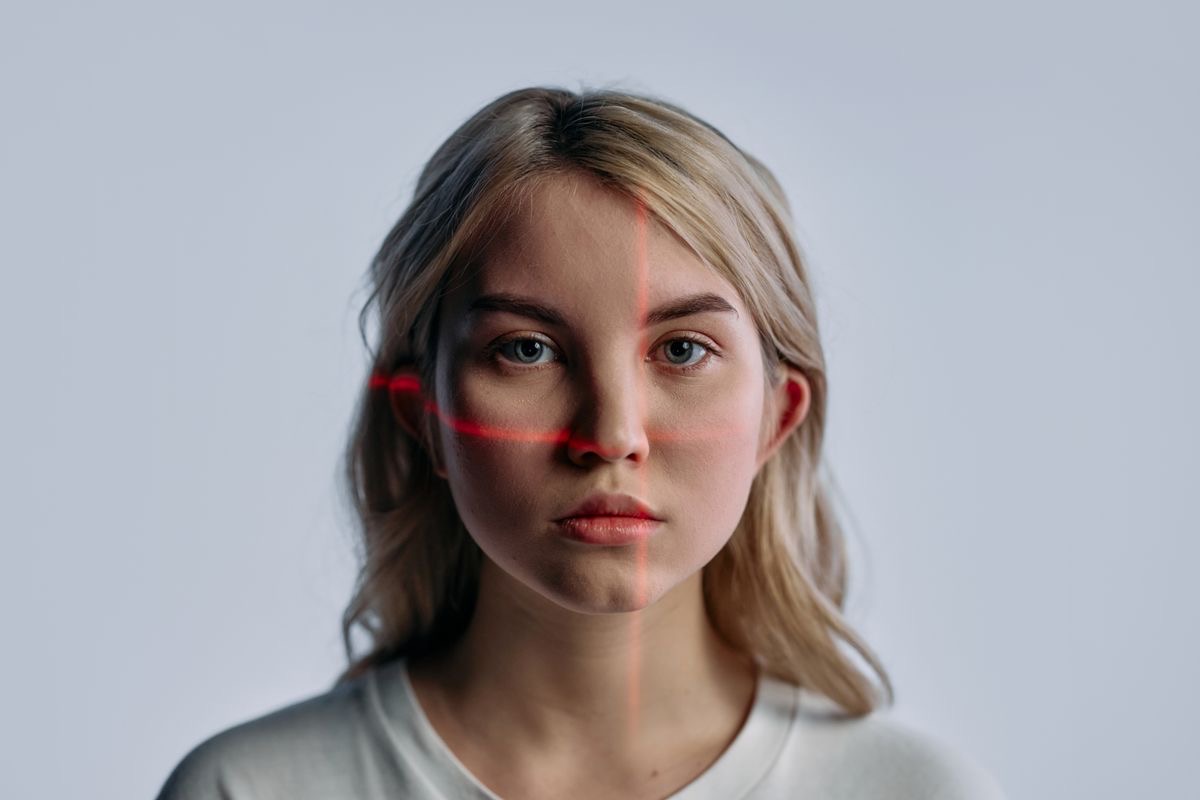
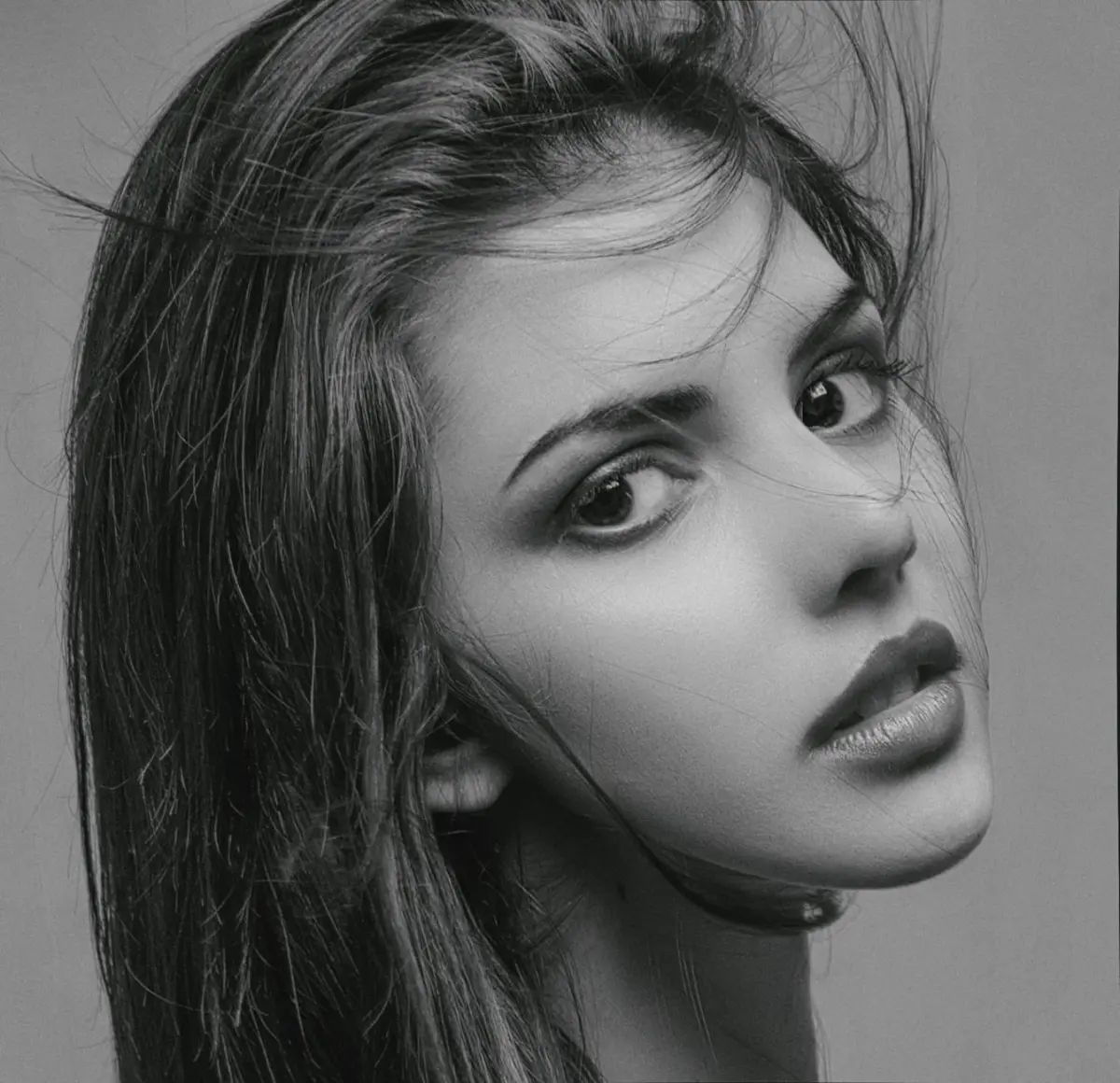
顔の領域全体がフレーム内に表示されていることを確認してください:ヘッドアンドショルダーの構成。サングラス、マスク、帽子、髪の毛によるオクルージョンを避けてください。目と眉毛がはっきりと見えること。カメラに向かって視線を向けること。リアルタイムまたはオフラインエンジンへの転送のための強力なデータ同化をサポートするために、ニュートラルまたは標準的な表情を維持すること。歪みを最小限に抑えるために、約1.0〜1.5 mの中程度の焦点距離と距離を使用すること。異なる照明と角度をカバーするために、ポーズまたは表情で2〜3のバリエーションを含めること。外観を損なうことなく、ソーシャルおよびマーケティングのコンテキスト全体でショット全体で美的感覚を維持するために照明を一貫させること。ダビングと将来のリフレッシュのために、参照と注記を含むアセットを提供すること。
顔のアライメント:ランドマークをビデオフレームに固定する
強力なランドマーク検出器から始めて、すべてのフレームでアンカーを安定させるために時間的平滑化を適用してください。このアプローチにより、高解像度シーケンス全体で一貫したアライメントが得られ、信頼性が高く再現可能な編集が生成されることでソーシャルワークフローがサポートされます。フレームごとのデータをアクセス可能なファイルに保存し、追加のプロンプトやバリエーションで拡張できるモジュラーパイプラインにコミットしてください。
- 検出と正規化:各フレームで一般的なランドマークモデルを実行して座標を取得します。類似性変換を使用して共通のアンカーフレームに再投影します。フレームごとのマップとして、被写体固有のファイルに保存します。
- 時間的フィルタリング:モーションキューを維持しながらジッターを減らすために、5フレームの平滑化ウィンドウまたは3フレームの指数移動平均を使用してカルマンフィルターを適用します。
- 空間モデリング:極端な表情中の全体的な歪みを避けながら、局所領域(目、鼻、口)を固定するために、区分的アフィンワープを採用します。
- 堅牢性と評価:照明の変化、オクルージョン、敵対的な摂動に対してテストします。強力なメトリックでランドマークのドリフトを測定します。バリエーション全体で一般的な処理を維持するために、プロセスをそれに応じて調整します。
- 出力とトレーサビリティ:フレームごとのルックアップ構造と統合された編集マップを生成します。プロンプトが視覚的な方向を推進することを確認します。構造化データとして、および高解像度コンポジットとしてエクスポートします。
時間的安定性とメトリック
- メトリックスイート:フレームごとの正規化平均誤差(NME)を計算し、シーケンス全体で平均します。高解像度素材を使用して、良好な照明のフレームで0.04未満を目標とし、精度を確保します。
- ウィンドウチューニング:30 fpsで5〜7フレームに平滑化ウィンドウを調整します。スローモーションまたは大きなポーズ変化を含むシーケンスの場合は8〜12に拡張します。
- 品質ゲート:ドリフトがしきい値を超えた場合は再検出をトリガーします。正規化されたポーズ事前情報でトラッカーを再初期化して続行します。
- リソース計画:ミディアムレンジGPUでフレームあたり20〜40 msを推定します。単一の実行で数十から数百のファイルをバッチ処理します。
- 相互運用性:出力は一般的な被写体メタデータと一致し、下流の作成ステップで消費できるため、モジュール間で一貫した引き継ぎが保証されます。
- ドキュメントとアクセシビリティ:初心者と専門家の両方が実験しやすいように、簡潔なガイド、サンプルファイル、および例のプロンプトを添付してください。
色の整合性:ショット間での肌のトーンの維持
すべてのショットで単一のホワイトバランス参照を設定し、カラーグレーディングの前にLab空間で肌のトーンのターゲットをロックしてください。
さまざまな照明条件の下では、検出モデルを使用して表示されている肌を分離し、平均肌Lab座標を導き出し、ターゲット分布に合わせるためにショットごとのデルタを適用します。これにより、ショット間のドリフトが最小限に抑えられます。
シーケンス全体での一貫性は、ペアになった外観のデータセットによってサポートされ、リアルタイムで実行され、再現中に自然に見える学習ベースのマッピングを可能にします。
感情的な手がかりと、テクスチャを変更せずに色安定した外観をスワップするスワッピングメカニズムを使用してください。これにより、モデル全体で各感情状態に最適な一致が保証されます。
パーソナルブランディングと、ブランドのルックに関連付けられた署名されたカラーカーブを持つプリセットを設計し、別のアセットがリアルタイム出力で一貫したビジュアルを生成できるようにします。
プロフェッショナルなパイプラインにおけるベストプラクティスである、肌のトーン間のデルタEを使用して色の整合性を定量化するために、eccvに触発されたメトリックを採用してください。
アセットがマーケティング資料またはダビングに進むときは、色ずれなしで魅力的な外観を維持してください。パイプラインがスポットライトやカメラプロファイルで持続するように設計されていることを確認してください。
フレームとチーム全体で再現性をサポートするために、色変換のテキストベースの署名付きログを維持してください。
アイデンティティ対変換:編集におけるリアリズムの管理
推奨事項:不変のランドマークに編集を固定し、コンテキストに応じて適切な機能にのみ変換を適用することで、アイデンティティを維持してください。照明の変化によるドリフトを回避するために、リアルタイムで移動するフレーム全体でモーションの連続性を検証してください。控えめなフィルターセットとジェネレーター駆動のアプローチを使用して微妙な変化を維持し、高解像度テクスチャ忠実度でフルフレームレートの結果をレンダリングして、画像内の肌のトーンと詳細を維持します。
アイデンティティドリフトは、被写体の特徴がフレームを横断して移動する際に発生します。不一致が検出された場合は、最後に有効だった状態に戻し、オーディオベースのキューを使用して、唇の動きを周囲の動きに合わせながら、構造は必要に応じてのみ保持する、段階的でモーションを意識した調整を適用します。署名された許容範囲を維持して、移動シーケンス全体で特徴の一貫性を保ちます。
倫理とガバナンス: ブランドは責任ある編集を支持します。同意がある場合のみコンテンツを共有してください。reelmindaisの規則では、特に有名人が関わる場合、すべての変更には署名された承認が必要です。誤解を避けるために、動的な編集は確立されたスタイルのキューに触発されたものとしてラベル付けしてください。被写体がセルフィーで表示される場合は、アプローチを慎重に適用し、特徴を自然な範囲内に維持してください。使用されるコンテンツジェネレーターは、視聴者を誤解させないように明確に開示する必要があります。
ワークフローと技術ノート: コンテンツライブラリの画像から、フェイスクラフトパイプラインを使用してデータガバナンスの下で動的なスタイルを構築します。wacvの検出とモーション信号に関する文献がモーション計算に影響を与えます。リアルタイムのフィードバックループにより、効率的でフルフレームレートのプレビューとフィードバックが可能になります。検出を使用して逸脱をフラグ付けし、必要に応じて別のパスを許可します。制約が満たされた場合にのみ編集を適用します。署名されたログを介してブランドステークホルダーと結果を共有します。このアプローチは、被写体の動き全体での不変性を維持し、キャンペーン全体で倫理的な使用をサポートします。
実践的なワークフロー: ビデオのインポートから最終エクスポート形式まで
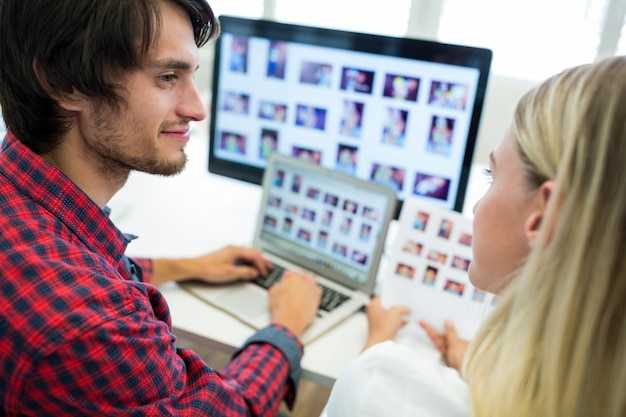
インポート設定をロックし、3分間のテストクリップを作成して、スケールアップする前にモデルと照明の調整をキャリブレーションします。
ニューラル検出を実行して頭部と顔のランドマークを特定し、ポーズを推定し、属性データを収集するビデオベースのパイプラインを採用します。シーン全体で継続性を維持するために、被写体ごとにメモリを保存します。署名された同意ログと、ミーム全体での安全性と権利を確保するためのコミュニティ主導のレビューループを維持します。
構造化されたワークフローのステージ
取り込みと準備: アセットを高ビットレートのロスレス中間形式に変換し、フレームレートを確認し、合成中のリップシンクドリフトを回避するためにベースラインオーディオを個別に抽出します。
| ステージ | 主なアクション | 出力/形式 | 時間枠 |
|---|---|---|---|
| 取り込みと準備 | ロスレスにトランスコード; フレームごとのキューを生成; 署名された同意を記録; データセット参照を作成 | ロスレス中間形式、フレームごとのキュー、同意ログ | 初期 |
| 検出とランドマーク | ニューラルモデルを実行して顔領域、頭部ポーズ、属性ベクトルを検出 | フレームごとの検出マップ; ポーズ行列; 属性ベクトル | リアルタイム〜1時間 |
| メモリと継続性 | 被写体ごとのメモリマップを構築; シーン間でリンク; パーソナライゼーションを処理 | 被写体プロファイル; 継続性フラグ | プロジェクト全体 |
| 合成と再演 | 合成を適用; 照明を保持; 口の動きを調整; 群衆に対処; 無限のバリエーションを許可 | レンダリングされたパス; ポーズ調整済み出力 | シーンごと |
| ダビングとオーディオ | 同期されたダビングを生成; 多言語対応; リップシンクの整合性を確保 | ミキシングされたオーディオストリーム; アライメントデータ | 必要に応じて |
| 品質とエクスポート | カラーグレーディング; アーティファクトレベルを確認; 複数の形式を生成 | 複数の形式での納品物 | 最終 |
エクスポートターゲットとガバナンス
宛先に適した形式を選択します。Web最適化されたH.264/H.265(1080pまたは4K)、およびアーカイブ用のピナクルプロファイル。プラットフォーム全体でリバーサルチェックされたパイプラインを使用して、パーソナライズ属性と頭部ポーズデータを含む署名特性を維持します。強力なメモリレイヤーを維持して、被写体の個性が編集全体で持続するようにし、ijcaiの出版物から新しいデータセットでモデル入力を更新して、データセットがプロフェッショナルモデルにとって関連性を保つようにします。コミュニティ主導のレビューと再現性をサポートするために、属性の変更と大幅な編集のログを保持します。