


ステップ1. アセットを監査し、最大の時間短縮を約束するAI搭載ワークフローを1つ選択します。これにより、チームの勢いが**変革**され、早期に**小さな**勝利が得られます。これにより、リソースを定量化し、年間の結果を追跡し、明確な**意思決定**を行うことが可能になり、再現可能なベースラインが作成されます。影響は数日以内に確認できるでしょう。
ステップ2. 製品仕様、衣料品の解説、イベントベースのメッセージングなどの主要領域をカバーするモジュラーブリーフとテンプレートを作成します。例:テンプレートセットは、単一のプロンプトから製品投稿、短いキャプション、長文アセットを生成できます。この連携により、誤解が減り、バイヤー全体での**一貫性**が**向上**します。
ステップ3. AIを使用してアウトラインを作成し、プロンプトから再利用可能なピースを生成します。数分で最初のドラフトが得られ、ブランドボイスを維持しながら迅速なイテレーションが可能になります。これにより、ピース全体の一貫性が**向上**し、手作業による編集が削減されます。
ステップ4. 単一のアセットをブログ投稿、メール、ソーシャルスニペットに再利用するための自動化ルールを確立します。これにより、リーチが**拡大**し、小規模チームの時間が節約されます。同じアセットが製品ページや衣料品カタログなどの領域にまたがります。例:1,000語の記事から8つのソーシャルキャプションと4つのメールヘッダーが生成されます。
ステップ5. データに基づいたROIモデルを定義します。節約された時間、生成された出力ピース、アセットごとのエンゲージメントを追跡します。人件費を約25%削減することを目指すと、10人チームでは年間約260時間の節約につながります。これは予算にメリットがあり、リソースをより影響力のあるプロジェクトに再配分できるようになります。
ステップ6. バージョニング、承認、明確な役割など、ガバナンスを導入してスコープクリープを回避します。これにより、より迅速な意思決定が可能になり、ピース全体での品質が維持されます。共有用語集を維持して、一貫したトーンを確保し、バイヤー間でのばらつきを防ぎます。これはブランド規律にとって**重要**です。
ステップ7. AI支援によるキーワードリサーチとトピッククラスタリングを展開して、発見可能性を向上させます。バイヤーのニーズに合わせたトピックの毎週のフィードを作成します。これにより、ロングテールリーチがブーストされ、製品ガイドやハウツー記事などの分野での機会を捉えることができます。このアプローチは、年間を通じてトラフィック成長を**変革**し、**リソース**の効果的な配分を**支援**します。
ステップ8. 標準化されたメタデータ、タグ、バージョン履歴を備えた中央アセットライブラリを構築します。これにより、迅速な発見、再利用、慎重な帰属が**可能**になります。年間を通じて、適切にインデックス化されたライブラリは検索時間を短縮し、重複を大幅に削減して、効率を継続的に向上させます。
ステップ9. プロンプト、ガードレール、ブランドボイスについてチームをトレーニングします。短く集中したセッションは採用を促進します。これにより、トーンやビジュアルなどの分野でのばらつきを防ぐことができます。軽量なプロンプトライブラリを使用して、バイヤーやキャンペーン全体での一貫性を確保し、意思決定が戦略と整合するようにします。
ステップ10. バイヤーや内部関係者とのフィードバックループを確立します。A/Bテストと迅速なイテレーションを使用して影響を評価し、ヘッドライン、ビジュアル、フォーマットを繰り返し改善します。具体的な例:2つのヘッドラインバリアントをテストし、最初の週にどちらがより高いクリック率をもたらすかを測定します。この継続的な実践はプロセスを**変革**し、年間を通じて出力がバイヤーのニーズに合致し続けるようにします。
AI駆動型コンテンツスケール実装計画
全体の目標を定義します:ブランドのトーンとメッセージングを維持しながら、12週間で投稿量を4倍に増やす。AIを使用してInstagram、ブログ、ニュースレターのアセットを生成し、単一の更新頻度を強制します。収益目標との連携を維持するために、ビジネスおよびマーケティングのリーダーに責任を割り当てます。
迅速なエンドツーエンドのワークフローを設計します:アングル→ヘッドライン→ピッチ→ドラフト→編集→公開→更新カレンダー。さまざまな視聴者グループに響くように、トピックごとに少なくとも12のアングルのバンクを維持し、ヘッドラインが魅力的でチャネル全体でテスト可能であることを保証します。
リソース計画:AIチームメイトと、ビジュアルおよび最終調整のためのFiverrのフリーランサーレイヤーを備えたハイブリッドチームを構築します。トピッククラスタごとに月間25〜40投稿の予算を計上し、人間によるレビューのためにトピックごとに週8〜12時間割り当てます。リサーチにはソースを使用し、事実の正確性を確保します。
出力の高速化のためのテンプレートプロンプト:トピックXについて4つのアングルで3つの代替ヘッドラインを生成し、150語のドラフトを作成し、2つのピッチを提案し、Instagram用に60〜90秒のスクリプトを提供します。ワークフローをスピードアップし、最初の公開までの時間を短縮するために、プロンプトの例を含めます。
品質とガバナンス:ファッションフォワードなボイスで統一されたトーンを強制し、各アセットを教育、説得、または楽しませるという明確な目標に結び付けます。事実の不一致を検出し、ビジネスの優先事項との整合性を確保するために、更新QAステップを含めます。視聴者からの直接のフィードバックを使用してアングルとヘッドラインを洗練し、チームに改訂を送信し、ターゲットに対する結果を測定します。
指標:チャネル全体でのアセットの量、エンゲージメント率、保存数、共有数、クリック率を測定します。月間60〜80投稿を目標とし、アセットあたりのコストとROIを追跡し、リーダーやビジネス関係者への影響を証明するために現在のベースラインと比較します。
運用上のペース:毎日のスマートスタンドアップを開催し、共有カレンダーを更新し、チームが読者の反応を確認し、リアルタイムでトピックを更新できるようにします。迅速なフィードバックループを使用して、更新が継続的な改善となるようにします。
トピックのワークフロー例:トピックを入力します。AIが3つのヘッドラインと4つのアングルを返します。アングルを選択し、2段落のドラフトを作成します。ソーシャルカードのピッチを作成します。キャプションと60秒のInstagramスクリプトを作成します。公開し、視聴者との共鳴を監視します。データに基づいて次のドラフトを更新します。これは今日でも機能し、Fiverrをビジュアルに使用してドラフトを自動生成することで、急成長を促進できます。
AI駆動型トピックリサーチとキーワードクラスタリング
AI搭載のトピックスキャンを実行して、明確に定義されたペルソナに基づいたニッチごとに8〜12のキーワードクラスターをマッピングします。これにより、トピックが実際のニーズに対応し、最新テクノロジーを使用して検索で輝くようになります。
ラベルを使用してクラスターを意図ごとに並べ替え、各ペルソナにアバターを添付し、ページ、フォーマット、SaaSアセット全体でテーマを同期させ、各セグメントを強化するために画像などのビジュアルをペアにします。アナリストからの簡潔なアドバイスを含めます。これらの種のクラスターは意図を明らかにします。
トピックごとに12のニッチキーワードをシードし、埋め込みを50〜100のバリアントに拡張し、コサイン類似性を使用して重複を排除し、6〜9のクラスターにグループ化します。
各クラスターは広告目標に一致します。ランディングページ、シーン、広告セット、製品機能にマッピングします。フォーマット全体でのCTR、ページ滞在時間、コンバージョンリフトを追跡します。これはROIにとって重要です。
所有権を割り当て、ラベルフレームワークを維持し、6〜8週間ごとにレビューします。これにはトピックあたり4〜6時間かかります。イテレーションに積極的なチームはサイクルを短縮し、長い遅延を回避します。
出力計画:トピックブリーフを単一の真実の源に公開します。ペルソナに合わせます。広告アセット全体で一貫したメッセージングを保証します。SaaSページやシーンで再利用できる画像バリアントとフォーマットを生成します。オーディエンスを考慮します。
テンプレートから生成される構造化ブリーフとアウトライン
テンプレート化されたブリーフを使用して、計画時間を短縮し、出力全体での一貫性を高めます。何を公開し、どのように感じるべきかを知っているテンプレートは、経験から確かな出発点を提供します。このアプローチは測定可能なメリットをもたらします。それらはデジタルで共鳴し、オーディエンスにリーチし、チームが目標に集中するのを助けます。
構造化ブリーフは、オーディエンス、トーン、フォーマット、チャネル、ヘッドラインなどのフィールドを中心に構築されています。代わりに、これらのテンプレートに頼って意思決定を anchorsします。この構造は整合性を保証し、やり取りを減らし、場当たり的なメモの明確な代替手段を提供します。この明確さへの強調は、再現可能なブループリントの重要性を示しています。
データ駆動型の基盤を採用することで、チームは推測なしでより迅速にドラフトを作成できます。標準化されたプロンプトは推測に取って代わり、疑念を減らし、以前のキャンペーンからの証拠を通じて意思決定を導きます。
市場全体での配布のために、テンプレートはさまざまな言語でバリアントを生成し、一貫したボイスを維持します。オーディエンスペルソナを知ることは、ブランドルールを維持しながらメッセージを調整するのに役立ちます。このアプローチは、リーチと共鳴を高めながら、手戻りを減らします。
実装ステップは具体的です:目標とオーディエンスを定義します。コアスケルトンを構築します。ヘッドライン、アングル、CTAのプレースホルダーを追加します。ナレッジベースまたはプロンプトから入力します。レビュー、承認、配布に進みます。結果は、目標に正確かつ完全に一致したドラフトです。
ヘッドラインは、注意を引くように生成されます。ブリーフィング中にターゲットを絞った質問をすることで、よりシャープなフックが得られ、複数の言語でバリアントを生成することで、チャネル全体でメッセージの一貫性が保たれます。
インパクト測定は、チャネル、フォーマット、言語を横断するデータ主導のダッシュボードを使用します。このアプローチにより、何が響き、どこでテンプレートを進化させて成果を向上させるべきかが示されます。
ファッションキャンペーンでは、テンプレート化されたブリーフが、ブランドボイスを犠牲にすることなく、ローンチと季節ごとのプロモーションを加速させます。テンプレートは、インテイクとハンドオフを標準化することでリモートチームをサポートし、指示に関する疑問を減らします。
これらのブリーフはガイダンスであり、クリエイティブな判断の代わりではありません。人間の洞察を代替することはできませんが、アイデア出しとテストをスピードアップする信頼できるベースラインを提供します。これを、ニーズの拡大に合わせてフォーマット全体にわたって出力を拡張するための足がかりとして使用してください。
ブログ、メール、ソーシャル投稿のためのマルチフォーマットコンテンツテンプレート
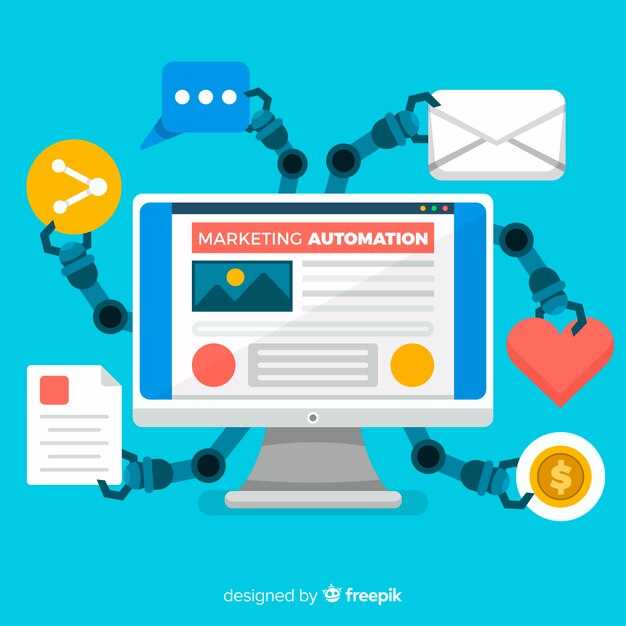
単一のシードからブログの下書き、メールのフック、ソーシャルスニペットを生成するモジュラーテンプレートライブラリを使用します。この焦点により、エディターは洗練され、適応性の高いアセットセットを入手でき、チャネル全体での使用効率と一貫性が向上します。このプログラムは、トーン、スタイル、行動喚起を集中化しながら、写真の埋め込みとキャプション付けを迅速に行えるようにします。このアプローチは、チームにバリアントを迅速に生成することを教え、単一の戦略にチャネル全体でこれらのテンプレートを適用します。heygenのビジュアルを投稿に添付することで、より豊かな第一印象を与えることができます。
- ブログ重視のブロック
- トピック、対象読者、ターゲット文字数(通常800〜1200語)のシード
- フック文(シャープな1行)
- 各項目に簡潔で行動可能な箇条書きのある4つの小見出し
- リード画像注:コアアイデアを説明する写真を選択
- 証拠箇条書きまたは簡単なケーススタディ
- 結論のテイクアウェイと単一のCTA
- トーン、洗練度、事実確認に関するエディターノート
- メール向けテンプレート
- 好奇心とメリットを刺激する件名
- 件名を補完するプレヘッダー
- 冒頭文、ペインポイント、および迅速な解決策
- 2〜3のソーシャルプルーフスニペットまたは結果
- 明確なCTAと追加のプッシュのための簡単なPS
- ほとんどのキャンペーンで150〜200語未満の長さを維持するための使用ガードレール
- ソーシャル投稿キット
- フック + 2行(プラットフォームごと、文字数制限まで)
- トピックに合わせたハッシュタグ戦略
- ブログおよびメールバリアントからの再利用パスにより、新鮮さを維持
- 共鳴をテストするためのユーモラスまたは情報提供的なバリアント
- ビジュアル注:すぐに使用できる写真プロンプトまたは短いビデオキュー(heygen)を含める
実装のヒント:トピックごとに1つのシードを選択し、すべての3つのフォーマットを1回のサイクルで生成します。同じボイスに一貫して合わせることで、修正ラウンドが減ります。修正ラウンドがなければ、ドリフトが発生します。毎月、エディターからのフィードバックを使用してフック、トーン、CTAを改善します。この小さなループは、時間の経過とともに価値の高い出力を生成します。結果を測定するときは、簡単な答えを維持してください:開封率の上昇、滞在時間の延長、CTA周りのクリック数の増加。
スタイルコントロールとボイスの一貫性を備えたAI支援ドラフト作成
各ブリーフィングに固定のボイスプロファイルを設定し、最初のドラフトでそれを強制します。この単一点により、ピッチ、文、行動喚起が一致し、必要なすべてのものがカバーされます。
トーン、ケイデンス、フォーマルさの3つのスタイルコントロールを使用します。数値ターゲットを設定します。このアプローチでは、1〜5のフォーマルさスケール、平均12〜18語の文長、10%未満の動詞密度を使用するため、ドラフトは選択したボイスに正確に一致します。
ピッチ、製品ブリーフ、ニュースレター、マイクロポストのテンプレートを作成します。これらの種類のドラフトは自動化され、コピーが生成されるため、ワークフローが簡素化されます。
トーンのドリフトを検出するコピーガードを実装します。逸脱が見られる場合は、ベースラインに戻り、エディターが調整できるようにサポートを提供します。経験則に頼るのではなく、このメカニズムにより一貫したケイデンスが強制されます。
ドラフト作成をカレンダーフローにリンクします。各ドラフトの後、レビュー、修正、最終化をスケジュールして、順調に進んでいることを確認します。これにより、チームは一貫性を保つことができます。
エディターがドリフトに気づいている週次の監査を実行します。システムは週に20件のドラフトのサンプルを使用して整合性を検証し、ターゲットが満たされていない場合は調整をトリガーして、一貫性を向上させ、リアルタイムで発生しているドリフトに対処します。
アメリカ人向けには、短縮形と brisk pacing を増やすことでプロファイルを調整します。地域バリアントを定義して、明確さを維持します。
次に、クイック調整でチームを強化します。トーンスライダーの調整、文長の変更、同義語の交換方法を教えて、ボイスを維持します。
締め切りが迫っている場合は、非常に高速な自動化された初回パスに頼り、その後エディターと話して洗練します。
結論:キャンペーン全体で一貫性を保つことは、可読性と応答性を向上させます。ガバナンスを実装し、改善を追跡し、各イテレーションでターゲットに近づきます。
自動編集、SEOチェック、可読性向上
まず、基本的な文法チェックを超えて、トーン、ケイデンス、SEOのヒントに対処する信頼できるAIエディターを展開します。
自動化されたレイヤーが各ドラフトの一貫性とトーンをスキャンし、重要なシグナルの見落としを減らし、次にヘッダー、メタヒント、可読性の修正に進みます。このアプローチにより、校正時間が30〜50%削減され、全体的な品質が向上します。
SEOチェックが行われる場所では、メタタイトルと説明がキーワードマップと一致することを確認します。これにより、読者と検索エンジンの正直さを維持しながら、可視性が向上します。
具体的な手順には、Fleschスコアのターゲットを達成するための可読性ツールの実行、平均22語未満の文の維持、エンゲージメントを促進する簡潔な段落の使用が含まれます。平均して、体系的な編集後に可読性スコアが6〜12ポイント向上します。
編集の拠り所となる中央化されたチェックリストを確立し、観測可能なメトリクスにアンカーします。エディターやクリエイティブの声に耳を傾けることで、ケース全体での受容性と一貫性が向上します。
テンプレートバンクのローンチにより、イテレーションがスピードアップします。betterstudiosのワークフローでは、レビューサイクルが20〜35%短縮され、ニュアンスと正直さは依然として維持されます。
ニッチに関係なく、自動編集は戦略のための時間を解放し、より魅力的なナラティブにジャンプし、セクション全体のペースにおける緩みを減らします。
AI支援レビューのスキルは、人間が判断を適用する場合に最も重要です。役立つプロンプトを使用してトーンをガイドし、ボイスの感覚を指定して、正直さが損なわれないようにします。
文長の緩みは、分割または削減する必要があることを示します。フィードバックを収集し、それに応じてしきい値を調整するために、リスニングループを実装します。
AIが提案した編集をマークする透明な変更履歴から恩恵を受け、信頼を維持し、必要に応じて迅速なロールバックを可能にします。
私自身、betterstudiosのチーム全体でこのパイプラインをローンチし、エディター、SEO、クリエイティブを単一の標準に合わせました。このステップは、誰でも採用できるスケーラブルな習慣を特に確立しました。
実際には、自動編集、SEOチェック、可読性は連携して、信頼を向上させ、オーガニックトラフィックを引き付け、時間の経過とともに手動のチャーンを減らします。




