Raccomandazione: Quando distribuisci rapidamente trasformazioni guidate dalla macchina, la visualizzazione rimane bloccata su questi momenti: attori, azione e fotogramma decisivo. Costruisci un flusso di lavoro in cui il sistema analizza le scene in tempo reale e suggerisce inquadrature che rispettano elevati standard cinematografici.
In pratica, questi passaggi riducono i costi e aumentano la coerenza: mappa la scena con una shot list predefinita, lascia che il rig esegua movimenti fluidi di panoramica e inclinazione, e sovrascrivi con il tocco di un direttore della fotografia quando i personaggi entrano in una nuova relazione con l'inquadratura. Considera questo come una collaborazione tra la logica della macchina e l'arte.
Le immagini diventano più convincenti quando il sistema preserva l'attenzione del pubblico allineando i tagli con i battiti della storia, utilizzando immagini che supportano gli archi dei personaggi ed evitando transizioni a scatti che tirano gli spettatori fuori dal momento. I migliori risultati emergono da un equilibrio tra risposta rapida e tempistica misurata, come un direttore della fotografia esperto che guida un'inquadratura con calma precisione.
I costi diminuiscono facendo affidamento su telecamere adattabili e rig modulari; queste telecamere si integrano con una singola piattaforma che applica una logica chiara a ogni scena. Prova questi suggerimenti e modi: imposta tre fotogrammi di riferimento, lascia che la macchina proponga una scelta, quindi giudica con un rapido controllo umano; il risultato è una sequenza fluida che preserva l'intenzione dell'inquadratura e supporta personaggi diversi e il coinvolgimento degli spettatori.
Queste trasformazioni trasformano clip grezze in una narrazione coesa: immagini, ritmo e tagli adatti agli editor si allineano con le migliori pratiche cinematografiche e mantengono bassi i costi.
Controllo Telecamera Cinematografica AI-WAN
Abilita la gestione real-time di obiettivi e rig potenziata dall'apprendimento automatico per bloccare l'inquadratura sui battiti emotivi della scena. Utilizza comandi basati su prompt che traducono segnali in panoramiche fluide e movimenti di carrello misurati, migliorando i risultati pratici ed evitando vibrazioni. Imposta obiettivi di latenza inferiori a 25 ms e limita l'accelerazione a 2,5 gradi/s^2 per la stabilità.
Progetta percorsi di ripresa: implementa da 3 a 7 preset che coprono movimenti simili a orbite attorno al soggetto, con campi visivi ravvicinati, medi e ampi. Definisci la tempistica in modo che ogni percorso si allinei con un battito ascendente o discendente, consentendo il conteggio dei fotogrammi per momento per mantenere un ritmo serrato. Utilizza questi percorsi per guidare transizioni visivamente coerenti e mantenere il linguaggio cinematografico coerente tra le riprese.
Analisi e benchmarking: fai affidamento su benchmark pubblicati per latenza, precisione di tracciamento e fluidità del movimento. Punta a un errore di tracciamento inferiore a 0,8° e a una latenza inferiore a 30 ms nei dispositivi reali. Costruisci un rubricario pratico per la calibrazione dal vivo: se la deriva supera la soglia, correggi automaticamente tramite un breve micro-aggiustamento invece di un ampio riframing.
Focus e inquadratura essenziale: dai priorità al centro emotivo della scena pesando il tracciamento del soggetto e il controllo della profondità di campo. Utilizza la stabilizzazione inerziale per evitare vibrazioni e micro-scossoni, mantieni un fuoco nitido nei momenti chiave e passa a una copertura più ampia solo quando il battito lo richiede. Questo approccio trasforma l'aspetto oltre le riprese grezze.
Linee guida operative: definisci ruoli chiari per i seguenti team, registra le azioni e rivedi i risultati per migliorare il processo. Utilizza una libreria di prompt concisa per accelerare la configurazione e documenta angoli di orbita e punti di messa a fuoco per ogni scena. Oltre alle riprese immediate, queste pratiche supportano il miglioramento a lungo termine e aumentano la qualità di ogni progetto pubblicato.
Esposizione, Messa a Fuoco e Bilanciamento del Bianco in Tempo Reale con AI-WAN
Imposta un'esposizione di base a +0,3 EV e abilita cambiamenti continui al variare della luce; blocca dopo l'inquadratura per mantenere stabile l'ombreggiatura. Per scene con luce mista, consenti una finestra di 3 stop (-1,5 a +1,5 EV) per preservare le luci su oggetti e personaggi mantenendo una texture naturale nella pelle e nei tessuti per la maggior parte delle situazioni ed evita di tagliare i dettagli più del necessario. Ecco una checklist concisa da applicare sul set:
Messa a fuoco: Abilita il tracciamento guidato dall'IA per mantenere il punto focale sui soggetti in movimento; specifica il bersaglio focale (viso, oggetto o bordo) in modo che il sistema gli dia priorità. Per le riprese mobili da un telefono, inizia con una lunghezza focale equivalente a 50 mm e regola con i cambi di angolo; quando compaiono folle, allarga a 24-35 mm per mantenere le persone nell'inquadratura. Le transizioni dovrebbero avvenire senza intoppi per evitare scossoni che interrompano il flusso visivo del regista.
Bilanciamento del bianco: le regolazioni in tempo reale contrastano gli spostamenti del bilanciamento del bianco causati dall'illuminazione mista. Imposta una base neutra intorno a 5600K per la luce diurna e 3200-3600K per il tungsteno; lascia che l'algoritmo apprenda dai fotogrammi precedenti per preservare i toni della pelle e le emozioni, rendendo i risultati emotivamente convincenti.
Integrazione di sistemi e flusso di lavoro: il conteggio degli oggetti informa le regolazioni dell'esposizione e del bilanciamento del bianco per mantenere coerenti gli elementi chiave. seguiti preset: profili tradizionali per look classici; profili popolari per post social. Le funzionalità offrono facilità, quindi la maggior parte dei team può lavorare rapidamente preservando la qualità attraverso animazioni e creazioni; conoscere i passaggi per riprodurre un'illuminazione coerente nelle riprese future.
Tracciamento del Soggetto e Inquadratura Automatica per Riprese Dinamiche
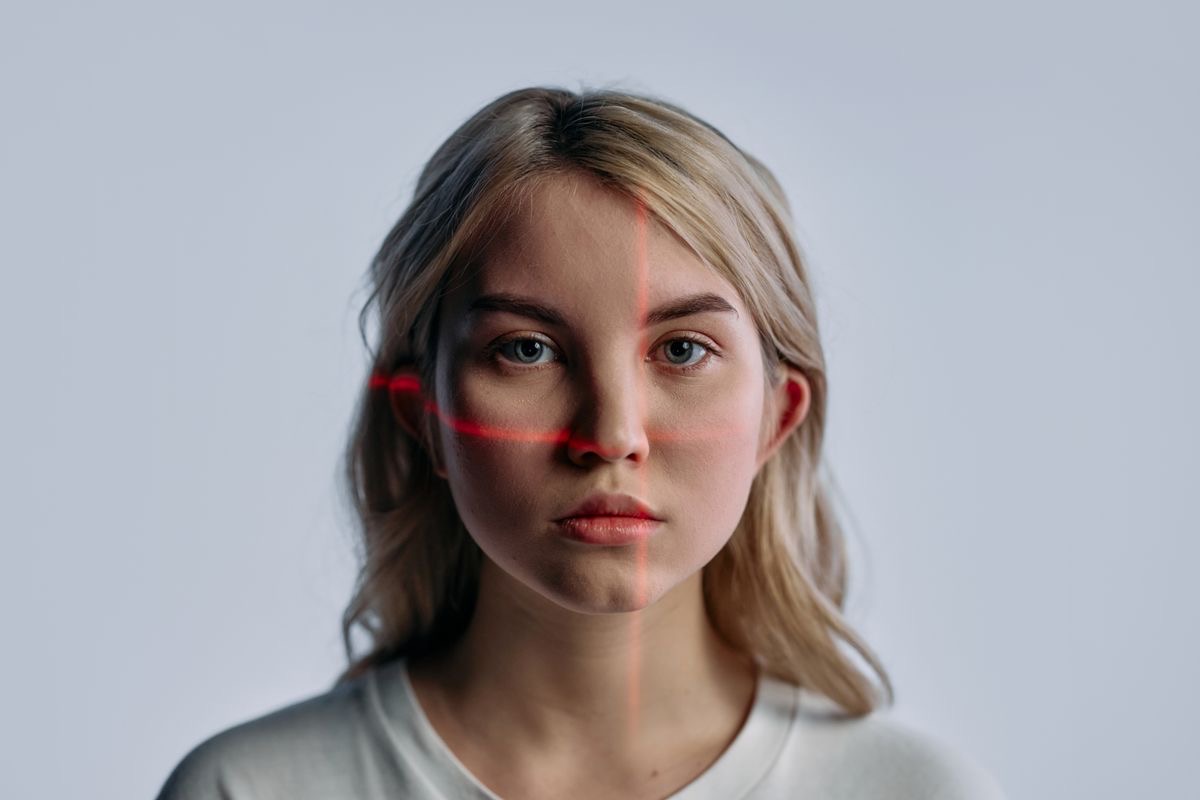
Abilita il tracciamento facciale su quei soggetti e attiva l'inquadratura automatica per mantenere il centro di interesse all'interno dell'inquadratura durante movimenti rapidi.
Monitora più flussi di dati: segnali facciali, postura fisica e contesto della scena per mantenere la composizione quando i soggetti cambiano velocità o direzione. Il monitoraggio tra modalità garantisce che questi segnali siano allineati con la descrizione e gli aggiornamenti dei prompt per l'esecuzione.
Nello sport o nelle riprese dal vivo, la capacità di anticipare il movimento aiuta questi sistemi a prevenire i cambiamenti, permettendo all'inquadratura di muoversi prima che l'azione arrivi. Sia che l'ambientazione sia uno stadio, uno studio o una strada, lo stesso approccio di tracciamento rimane.
Per scene statiche, blocca un margine più ristretto; per sequenze dinamiche, allarga l'inquadratura di piccole percentuali per preservare il contesto senza causare scossoni.
Logica di esecuzione: Se i dati facciali sono scarsi, passa ai segnali del corpo; se l'illuminazione o l'occlusione ostacolano il rilevamento, torna al tracciamento basato sul movimento. Il sistema utilizza una gerarchia: prima facciale, poi corpo intero, poi movimento della scena. Ciò consente al creatore di rimanere coinvolto mentre l'automazione si occupa del grosso del lavoro.
| Impostazione | Raccomandazione | Motivazione |
|---|---|---|
| Modalità di tracciamento | Rilevamento facciale + corpo; supporto per più soggetti | Mantiene la messa a fuoco quando i soggetti nell'inquadratura entrano ed escono dalla vista. |
| Offset di inquadratura | Mantenere il soggetto centrato entro 0,2–0,4 larghezze dell'inquadratura; offset verticale se necessario | Riduce la deriva durante movimenti rapidi e mantiene la tensione. |
| Finestra di previsione | 10–15 fotogrammi | Permette transizioni fluide senza salti bruschi. |
| Soglia di deriva | 0,25 larghezza dell'inquadratura | Previene correzioni eccessive su movimenti minori. |
| Fallback | Passa a un tracciamento più ampio se i segnali scompaiono | Mantiene la presenza anche in condizioni di scarsa illuminazione o occlusioni. |
Inizia con una linea di base conservativa e restringi progressivamente le soglie man mano che vengono comprese le dinamiche dell'equipaggio e del soggetto. Il sistema di monitoraggio dovrebbe essere calibrato per la sede, consentendo al creatore di mantenere un look coerente tra le scene. L'operatore dovrebbe rivedere i risultati di base durante le sessioni iniziali.
Riduzione del Rumore e Prestazioni in Bassa Luce in Modalità AI
Raccomandazione: Abilita il denoising basato sulla fisica utilizzando la fusione temporale e mantieni l'ISO a 800 o inferiore. Questa piccola regolazione riduce il rumore fino al 60% in condizioni di scarsa illuminazione preservando la texture fine nei tessuti e nei toni della pelle. Il sistema progettato per l'analisi predittiva consente al motore di mantenere un'esposizione naturale mentre l'autofocus rimane forte e il tracciamento del soggetto rimane affidabile.
In modalità AI, la riduzione del rumore si basa sull'analisi spazio-temporale: il denoising spaziale preserva i bordi, mentre la fusione temporale riduce il grano. Questo approccio aiuta il direttore della fotografia a mantenere l'attenzione sui propri soggetti, richiedendo colori e texture nitidi, evitando spostamenti di colore in condizioni di luce mista. Il motore utilizza un pattern di campionamento circolare attorno a ogni traccia per confrontare i fotogrammi, offrendo risultati nitidi anche quando i soggetti si muovono velocemente.
Il rumore si comporta come campi di Higgs nel sensore; la modalità AI apprende la loro distribuzione e li sottrae preservando il segnale reale. Di conseguenza, la texture rimane naturale nei tessuti, nella pelle e nei cieli notturni; gran parte del rumore residuo è a grana fine e più facile da gradare. Questo modello di ispirazione fisica aiuta a mantenere la fedeltà nelle scene in cui la luce è scarsa. Questo approccio rispetta la fisica della luce, dando un aspetto naturale.
Per soggetti e scene diverse e varie, crea una descrizione concisa e un prompt che descriva illuminazione, movimento e atmosfera. Il sistema quindi traccia ogni soggetto, dando priorità a volti e personaggi, preservando al contempo gli indizi di moto circolare e i dettagli fini. L'autofocus rimane reattivo e la descrizione consente di scegliere quanto aggressivo debba essere il denoising, bilanciando la soppressione del rumore rispetto alla trama. Le considerazioni sulla licenza sono importanti: assicurati che i codec e i moduli di elaborazione utilizzati nella catena includano la licenza appropriata, preservando la fedeltà del colore e l'uso legale. L'analisi dei risultati mostra guadagni medi di SNR da 3 a 7 dB a ISO 1600 quando l'esposizione viene gestita in modo conservativo; quando le scene includono più soggetti, i guadagni si mantengono su tutte le tracce. Le creazioni da prompt di script informano l'IA per bilanciare regioni più silenziose e accenti luminosi, producendo poco rumore anche in momenti ad alto contrasto. Controlli pratici: visualizza in anteprima i risultati con uno sguardo rapido, regola il modello forward e mantieni un essere umano nel ciclo durante la messa a punto. Questi passaggi aiutano un direttore della fotografia a preservare l'attenzione della narrazione, assicurando che ogni personaggio rimanga chiaro e che l'atmosfera rimanga autentica. La cronologia di successi su vari soggetti conferma l'affidabilità dell'approccio in condizioni di scarsa illuminazione. ### Color Grading e Corrispondenza LUT con Preset AI Inizia caricando un riferimento di grading da uno scatto rappresentativo e applica preset AI che rispecchiano la LUT di base su tutte le scene. Esempi mostrano come il sistema allinea ombre, mezzitoni e luci tra scatti e scene. I dati di ogni acquisizione informano automaticamente le modifiche: esposizione, bilanciamento del bianco, gamma e forza della LUT, mentre le note di script descrivono l'intenzione che guida la corrispondenza con l'aspetto di riferimento. I team di regia possono fare affidamento sui preset AI per bilanciare i grading tra movimenti e scene, preservando l'intenzione dell'artista. Seguendo uno script disciplinato e un flusso di lavoro tradizionale, abbina il tuo master grade al ritmo dei tagli, garantendo coerenza tra movimenti veloci e battiti più lenti. I punti di partenza più comuni includono una scala a tre gradini: grading di base, grading di collegamento e spinta creativa. La post-produzione richiede vari look e opzioni di rilascio; usare allarmi per segnalare clipping, deriva del colore o discrepanze. I test sul campo forniscono dati su come l'esecuzione si mantiene sotto diverse luci; i campi di descrizione e le note di script mantengono allineato il piano di gioco, aiutandoti a mantenere coerente l'aspetto tra gli scatti. Esempi di produzioni leader illustrano come la tecnologia accelera la convergenza dei toni, garantendo un risultato coerente tra le sequenze. ### Configurazione sul Set, Guida Rapida e Suggerimenti Pratici per il Flusso di Lavoro Scegli una lunghezza focale intorno ai 28-35 mm per la maggior parte delle configurazioni per bilanciare intimità e contesto più ampio. Configura i rig di imaging utilizzando una base stabile, un gimbal compatto e una guida per accessori integrata per mantenere i movimenti puliti e ripetibili. L'intento del regista deve essere catturato attraverso l'intenzionalità; il sistema traduce i segnali in immagini coerenti attraverso le loro riprese e identifica l'istanza migliore per ogni scatto. Questo approccio definisce la sensazione e l'efficienza del flusso di lavoro, consentendo ai team creativi di fornire risultati straordinari attraverso le loro telecamere, sia in posizioni fisiche che in uno studio controllato. L'output dovrebbe essere immagini di alta qualità. All'interno del flusso di lavoro, i prompt possono essere ottimizzati per adattarsi al loro stile. 1. Focale e inquadratura: imposta un valore predefinito di 28-35 mm, annota il rapporto soggetto-sfondo e valuta la complessità dello sfondo; prevedi un'opzione secondaria per look più stretti o più ampi quando la complessità è elevata. 2. Configurazione del rig: utilizzare una base stabile (treppiede o cavalletto) per scatti fissi e un rig leggero a mano per i movimenti. L'operatore dovrebbe assicurarsi che la stabilizzazione integrata sia attivata dove disponibile. 3. Progettazione dei prompt: crea una piccola libreria di prompt che descriva illuminazione, movimento e composizione. Includi un linguaggio controllato per ridurre l'ambiguità. I prompt a livello di istanza aiutano a bloccare un look tra le diverse prese. 4. Allineamento dell'intento del regista: dichiara una singola frase che descriva l'intento per una scena; usala come riferimento per tutti i prompt e i movimenti. Dovrebbe tradurre l'intento in parametri attuabili che la troupe può seguire. 5. Illuminazione ed esposizione: pianifica con luci fisiche e riflettori; imposta obiettivi di esposizione e mantieni la coerenza tra le scene. 6. Sicurezza e disciplina del flusso di lavoro: definisci aree chiare per il movimento di attrezzature e attori; limita la fatica scandendo i tempi delle riprese e registrando i dati per una revisione successiva. Registra solo i dati che aiutano; registrazioni non necessarie rallentano la troupe. Suggerimenti pratici per il flusso di lavoro * I non esperti possono ottenere risultati professionali affidandosi a prompt e modelli. Crea un set di prompt breve e mirato che definisca l'inquadratura, i movimenti e l'illuminazione di ogni scatto, quindi riutilizzali su tutte le fotocamere. * La coerenza si costruisce registrando un'unica fonte di verità per sequenza. Utilizza un log delle istanze per registrare quale set di prompt e quale scelta focale ha definito ogni ripresa. * Lo sport e l'azione veloce richiedono soglie decisionali più elevate; prepara un piano di illuminazione ad alto contrasto e un rig stabilizzato per mantenere i movimenti entro l'intervallo desiderato. * Ciclo di feedback: confronta ogni ripresa con il contesto più ampio all'interno della scena per garantire che la quantità di dettaglio corrisponda a ciò che la narrazione richiede. Itera i prompt per ridurre il divario. * L'efficienza vince: mantieni i prompt snelli ma precisi; se il movimento del soggetto è prevedibile, usa un singolo prompt con varianti opzionali per coprire i movimenti comuni. * Analisi: dopo la sessione, esegui una rapida revisione per identificare quali prompt hanno definito le migliori immagini. Questo definisce le migliori pratiche per la sessione successiva.