Commencez par 3 à 5 indices générés par l'IA par scène et déterminez le meilleur ajustement. Ne vous inquiétez pas si la première passe n'est pas parfaite – une itération rapide révèle la meilleure adéquation avec les visuels.
N'oubliez pas que ces informations actuelles vous aident à rester en phase avec les tendances et les attentes du public. Les délais serrés exigent des itérations rapides. En utilisant l'intelligence artificielle, vous pouvez créer des variantes qui modifient le tempo, la densité et la plage dynamique, puis sélectionner celles qui semblent les plus naturelles dans le montage. Une boucle d'audition rapide permet de gagner du temps et de préserver l'élan créatif.
Pour maximiser les avantages, intégrez les indices étroitement à l'action – moments d'impact, transitions et révélations de scène. Sur une timeline, alignez les temps forts sur les points de battement et utilisez l'automatisation pour assurer une croissance harmonieuse. Si vous publiez sur audius, gardez les stems simples et étiquetez-les clairement afin que les collaborateurs puissent facilement remanier les éléments ; c'est un moyen rapide de maintenir un flux de travail détendu et concentré, créant un alignement entre la séquence audio et vidéo.
Adoptez un état d'esprit modulaire pour les scènes avec du mouvement : conservez un indice de base et superposez-en d'autres uniquement s'ils apportent de la valeur. Cela peut nécessiter 1 à 2 passes supplémentaires, mais ne compliquez pas trop et assurez-vous que le mixage final reste intelligible sur de petits haut-parleurs. Ils correspondent au tempo et au ton de ce qui est affiché à l'écran dans les différentes sections.
rappelez-vous, ces informations actuelles vous aident à suivre ce qui fonctionne et pourquoi. Tenez un journal léger des décisions qui note quels indices ont eu une résonance, ce qui est resté au même niveau et pourquoi. Avoir une simple feuille d'information permet de garder votre processus transparent et évolutif.
Les fins doivent avoir une pulsation captivante qui correspond à l'énergie à l'écran sans surcharger les dialogues. Quelques couches nettes sont souvent plus performantes qu'un mur dense d'indices – gardez le mixage détendu et intentionnel, et avoir un point final clair aide à maintenir la concentration.
Flux de travail étape par étape pour utiliser les effets sonores IA et localiser les conseils officiels
Commencez par un objectif concret : esquissez le mouvement de la scène et l'ambiance trance, et intégrez des indices de danse ; puis extrayez des conseils officiels de la documentation du fournisseur pour confirmer l'alignement et les licences. Idéalement (idéalement), cela établit une base solide.
Explorez les sources primaires : portails de développeurs, références d'API et tutoriels officiels. Ils révèlent quels paramètres sont sanctionnés et quelle langue utilisent les conseils. Cette approche correspond à votre flux de production, qui prend en compte votre région et vos paramètres. Notez également les restrictions régionales et utilisez des invites.
Créez un pack de test compact : des invites spécifiques et représentatives ; incluez des éléments et un échantillon de bruit. Le pipeline de traitement traite chaque élément et renvoie un résultat que vous pouvez comparer à une base.
Examinez les sorties de manière critique : évaluez si elles correspondent à l'ambiance et au mouvement prévus ; vérifiez les transitions naturelles et si les sorties correspondent à vos attentes. Ils révèlent des lacunes, et avoir une boucle de rétroaction claire accélère l'amélioration. Ces conseils correspondent à votre ambiance. Lorsqu'ils sont alignés, les itérations s'enchaînent de manière plus fiable.
Vérifiez les droits sur les actifs et les conditions de licence ; conservez une liste de contrôle rigoureuse et documentez les sources des conseils officiels pour éviter des ennuis majeurs pendant toute la production. Moins de soucis concernant les litiges en aval grâce à une documentation proactive. Assurez votre alignement et la traçabilité des actifs, de la licence à l'attribution.
Passez du temps à explorer des améliorations qui rapprochent votre projet de l'ambiance trance. Une sélection minutieuse d'éléments et d'indices linguistiques aide, et maintient également l'ensemble du flux de travail évolutif et naturel. Cette approche a un impact énorme sans gaspillage.
Définir les cas d'utilisation et les catégories sonores cibles
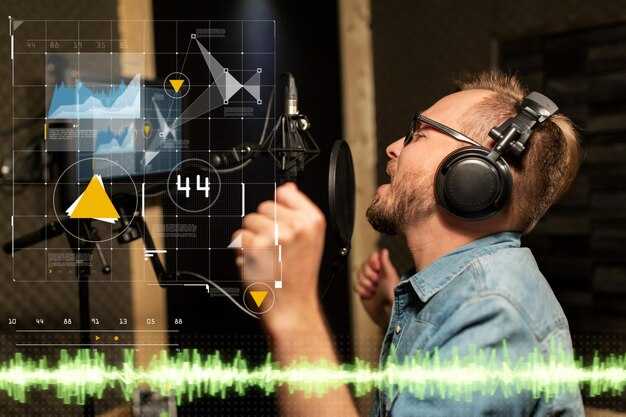
Commencez par trois objectifs : une ambiance calme qui soutient les dialogues, des impacts compressés qui ponctuent les scènes et des textures vocales qui améliorent les modèles de synchronisation labiale. Ces normes ont été affinées pour permettre des itérations rapides entre les projets et les équipes de production.
Les catégories comprennent : des textures ambiantes qui semblent naturelles ; un grain de garage, capturant des vibes indie ; des motifs entraînés par la guitare ; des textures de synthétiseurs acidulés pour signaler la tension ; des pads doux ; des éléments libres à mélanger et assortir. Chaque classe convient à une ambiance distincte, des conversations intimes aux moments de poursuite à haute énergie.
Mappez chaque classe à un moment cible : scènes de dialogue (projets), séquences de poursuite et segments vocaux. Alignez-vous sur la transcription pour verrouiller les indices audio sur les mouvements labiaux à l'écran pour une synchronisation fluide.
Spécifications de livraison : exportez WAV 24 bits 48 kHz stéréo ; fournissez MP3 320 kbps pour accompagner les révisions rapides ; conservez un schéma de nommage versionné ; maintenez un package prêt pour la transcription pour accélérer les commentaires et la production. Ces actifs conviennent également à la musique de production et aux bandes sonores, offrant une flexibilité pour les changements de tempo et les transitions d'ambiance.
Conseils de mise en œuvre : impliquez des modèles et des interprètes lorsque cela est possible ; cette approche apporte du réalisme tout en maintenant des frais généraux bas. En créant des éléments, mélangez des lignes de guitare, des pads doux et des textures de synthétiseur pour former des couches qui se compressent bien et s'alignent sur les indices de la transcription, rendant les signaux clairs à travers les montages et les réglages.
Concevoir des invites et régler les paramètres pour la texture désirée
Commencez avec une graine serrée et une cible de texture unique : visez une atmosphère post-disco avec du bruit net ; gardez l'invite initiale courte (2-4 mots-clés) et affinez par le biais de transcriptions résultant en des annotations et des invites pas à pas.
-
Palette et syntaxe des invites
Construisez une ligne compacte qui couple des balises d'ambiance avec des descripteurs soniques. Incluez des jetons comme zhang ; créant, générateur, bouche, dur, crée, c'est, synthé, sur, bas, annotations, mouvement, sons, processus, parole, langue, générateurs, bibliothèques, trance, film, modèles ont été
-
Mappage des paramètres à la texture
La profondeur du bruit contrôle le grain ; réglez le bruit entre 0,15 et 0,40 pour un bord tactile. Augmentez les étapes à 80–120 si le mouvement devient trop numérique. Utilisez une échelle de guidage de 6–9 pour verrouiller sur l'invite. Utilisez la graine 2025 pour la cohérence ; changez la graine lors de l'exploration de textures divergentes.
-
Cohérence et mouvement
Intégrez le mouvement comme un indice ; les annotations capturent le timing ; les processus post-traitement ; utilisez des indices linguistiques liés aux événements de la bouche ; les bibliothèques et les modèles ont été réglés pour maintenir la cohérence entre les segments ; incluez des transcriptions pour ancrer les changements de texture.
-
Validation et itération
Rendez de courts clips, analysez les spectres, ajustez le bruit, les étapes et l'échelle de guidage ; comparez la texture résultante avec la cible ; relancez avec de petites variations de graine ; enregistrez les changements dans les annotations pour suivre la dérive de la texture.
Établir une bibliothèque évolutive avec nommage et métadonnées
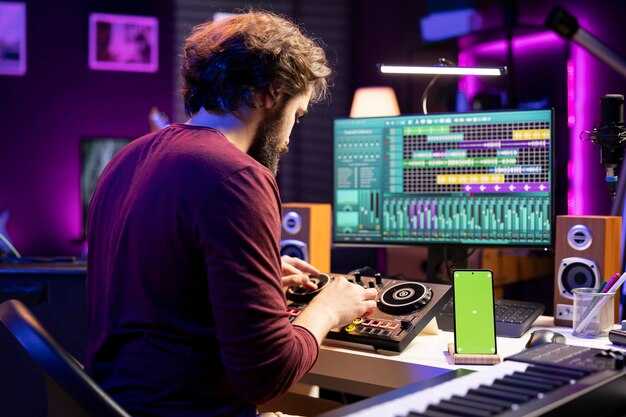
Adoptez un schéma de nommage strict en trois parties et un modèle de métadonnées unifié, plus des noms de fichiers versionnés dans un index central. Cette approche élimine le souci des doublons et rend la récupération de production déterministe.
Modèle de nommage : PROJET_BIBLIOTHÈQUE_ACTIF_VXX. Utilisez un préfixe de projet (GARAGE, ESPACE, etc.), une étiquette de bibliothèque (ambiance, dialogue, calme) et un code d'actif unique. Exemple : GARAGE_ambiance_chill_v01 ou ESPACESHIP_dialogue_v03. Ces règles créent de la cohérence dans les notes et le travail de transcription ; si les équipes collaboraient entre différents fuseaux horaires, ces préfixes maintenaient tout aligné. Créez des codes en anglais et en cyrillique, prenant en charge les équipes régionales.
Modèle de métadonnées : minimal mais expressif. Les champs comprennent id, nom de fichier, projet, bibliothèque, code_actif, version, durée, tempo, clé, ambiance, balises, transcription, licence, créé_à, mis_à_jour_à, compression, taux_échantillonnage, origine. Les champs restent stables, permettant une recherche, une audit et un suivi de provenance rapides. La transcription stocke le contenu parlé ; traite les métadonnées automatiquement. Les préréglages du modèle Genny peuvent décrire l'actif dans une étiquette compacte, facilitant la navigation rapide dans nos milliers de sons et de clips de dialogue.
Le stockage des actifs suit une approche à deux niveaux : conservez les copies maîtres dans un format sans perte et proposez des aperçus compressés (MP3/OGG) à 192–320 kbps pour des auditions silencieuses ou des sessions de révision détendues. Ces aperçus compressés apparaissent dans les bibliothèques et les pages d'espace, aidant les équipes à prendre des décisions sans charger les masters complets. Les mouvements de la bouche et les indices de prononciation peuvent être annotés dans les transcriptions pour prendre en charge les tâches de synchronisation labiale dans la production de films et les projets cinématographiques ; ces notes restent légères et alignées avec le modèle de métadonnées minimal.
Gouvernance et indexation : maintenez un index bien structuré à travers les bibliothèques d'espace, y compris les collections GARAGE et SPACESHIP. Attribuez des responsables clairs, appliquez une politique de versionnement simple et enregistrez les modifications chaque semaine. Ces pratiques réduisent les frictions lorsque les collaborateurs ajoutent de nouvelles catégories de sons, et garantissent que le catalogue en croissance évolue au rythme des équipes créatives. Une recherche plus forte, une correspondance plus rapide et un meilleur alignement avec les chronologies des films sont les résultats attendus.| Champ | Type | Exemple | Notes |
|---|---|---|---|
| id | string | GARAGE_ambience_chill_v01-001 | Identifiant global unique |
| filename | string | GARAGE_ambience_chill_v01.wav | Chemin du fichier maître ou source |
| project | string | GARAGE | Préfixe du projet |
| library | string | ambience | Catégorie de contenu |
| asset_code | string | chill | Code d'élément unique dans la bibliothèque |
| version | string | v01 | Version de l'élément pour le cycle de vie |
| duration | number | 120.5 | Secondes |
| tempo | number | 0 | Battements par minute ou zéro si non musical |
| key | string | – | Tonalité musicale, le cas échéant |
| mood | string | chill | Indice subjectif pour la recherche |
| tags | array | ["minimal","uplifting","quiet"] | Mots-clés recherchables |
| transcript | text | « Bonjour, bienvenue dans l'espace… » | Optionnel, utilisé dans les dialogues |
| license | string | Standard_royalty_free | Règles d'utilisation |
| created_at | date | 2025-04-12 | Horodatage de création |
| updated_at | date | 2025-05-02 | Dernière modification |
| compression | string | compressed | Indicateur d'état de prévisualisation |
| sample_rate | number | 44100 | Hz, pertinent pour les masters |
| origin | string | studio_garage | Emplacement source |