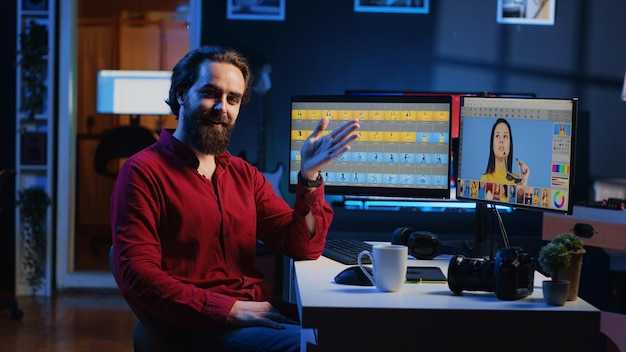
Choisissez d'abord des options de toile de fond prêtes dans la bibliothèque de l'éditeur – ce choix simple réduit le temps d'installation et vous donne un aspect fiable en quelques minutes.
Découvrez comment associer la toile de fond choisie à vos séquences ; laisser les scènes jouer derrière l'animateur ajoute de la profondeur, pendant que vous éditez les descriptions et les légendes pour correspondre au contenu. Accédez aux contrôles de taille pour assurer que l'alignement s'ajuste bien entre le sujet et la toile de fond, puis ajustez l'équilibre des couleurs pour un montage naturel.
En pratique, téléchargez d'abord un ensemble restreint de vidéos sources, et identifiez le meilleur moment pour changer de scène. Visez une taille de 1920x1080 pour conserver des détails nets, puis laissez l'éditeur appliquer une transition fluide entre les couches. Les descriptions vous aident à annoter chaque clip, rendant la réutilisation future plus efficace.
Entre les ajustements, prévisualisez la séquence prête pour vous assurer que les transitions sont naturelles et que l'animateur est bien placé. Utilisez l'éditeur pour ajuster l'exposition, le reflet de couleur et le mouvement, rendant le clip final prêt pour le contenu publié sur les canaux.
Astuce : identifiez l'éclairage idéal derrière le sujet, puis ajustez la luminosité de la toile de fond pour que le premier plan reste dominant. Maintenir la cohérence des scènes entre les vidéos aide à maintenir un look cohérent, tout en vous permettant de réutiliser le contenu dans différents formats. Accédez aux préréglages dans l'éditeur pour une mise à l'échelle rapide, quelle que soit la taille du projet.
Guide pratique : Sélection et utilisation des arrière-plans IA de HeyGen
Recommandation : commencez par un essai pour tester plusieurs options, puis sélectionnez une toile de fond haute résolution qui correspond à l'éclairage et à la couleur du média, et vérifiez l'effet aux côtés du sujet.
Entre les options, comparez les visuels des descriptions, textures et éclairages pour identifier quelle configuration correspond le mieux à vos formats et aux besoins de votre audience.
Les contrôles avancés permettent un contrôle précis de l'ambiance. Recherchez une option qui offre un essai et un accès à la profondeur, au flou et à l'équilibre des couleurs pour adapter l'ambiance de vos vidéos. L'écosystème HeyGen ajoute une base propre pour des comparaisons rapides.
Lorsque vous travaillez sur des vidéos, maintenez la position du sujet stable ; utilisez l'éditeur pour ajuster la scène afin que l'éclairage et la couleur restent cohérents entre les prises.
Vérifiez les descriptions et les métadonnées pour comprendre le contexte, y compris le format prévu, la plateforme cible et la langue de l'audience.
Identifiez les plages de température de couleur et ajustez l'exposition pour éviter le écrêtage. Une règle simple : tons chauds pour une ambiance amicale, tons plus froids pour une ambiance formelle.
La position est importante : placez le sujet principal selon la règle des tiers, et assurez-vous que l'horizon est de niveau. Utilisez les guides et les outils d'aimantation d'outils pour verrouiller la composition.
Formats et compatibilité des médias : exportez dans plusieurs formats (MP4, MOV, WEBM) et testez dans différents lecteurs. Cela permet de gagner beaucoup de temps lors de la post-production et assure une lecture fluide sur tous les appareils.
Astuce bonus : stockez un ensemble de looks de base, puis combinez-les avec chaque projet pour accélérer les montages. Gardez une petite bibliothèque ensemble pour pouvoir réutiliser des clés et des descripteurs.
L'automatisation aide : certains outils identifient automatiquement l'éclairage et la couleur, puis ajustent la toile de fond pour correspondre à la scène. Vérifiez le résultat et, si nécessaire, retouchez manuellement via l'éditeur.
Vous êtes prêt à implémenter l'approche sur tous les projets, en changeant de toile de fond si nécessaire et en préservant l'identité lumineuse et chromatique de base.
Prérequis au compte : inscription, vérification et limites de plan pour les arrière-plans IA
Choisissez le plan Growth pour obtenir de nombreux crédits, des limites de génération plus élevées et un meilleur contrôle de la couleur et du style pour des médias au look professionnel. Si vous voulez aligner le message avec les audiences, choisissez des looks qui correspondent à vos histoires et à vos objectifs de croissance.
Inscrivez-vous en utilisant une adresse e-mail valide, effectuez rapidement la vérification, et activez l'authentification à deux facteurs. Choisissez un nom de compte aligné sur vos audiences et vos besoins ; cela favorise une image de marque claire et une apparence professionnelle.
Limites des plans : Starter accorde 100 crédits mensuels, jusqu'à 5 sessions, sortie 720p ; Growth accorde 1000 crédits mensuels, jusqu'à 40 sessions, 1080p ; Professional accorde 5000 crédits mensuels, sessions illimitées, sortie 4K. Certaines équipes explorent davantage d'options, certaines veulent des résultats de plus haute qualité, et leurs budgets déterminent le niveau choisi.
Utilisation des crédits et fonctionnement : chaque génération consomme 1 à 3 crédits selon le préréglage de qualité ; une profondeur de couleur ou des modifications de style plus élevées coûtent plus cher. Vous pouvez remplacer une scène à tout moment ; cela maintient l'image de marque et améliore l'engagement de l'audience. Utilisez les outils inclus pour éditer la couleur, le style et les métadonnées du média ; ce générateur prend en charge les palettes de couleurs, et le message que vous délivrez est important pour l'engagement.
Activation des arrière-plans IA et choix du bon modèle

Définissez d'abord le contexte et les audiences ; sélectionnez un modèle qui correspond à l'ambiance et au style ; faites un essai sur plusieurs options pour comparer la qualité, l'équilibre des couleurs et le temps pour un épisode de podcast. Des décisions rapides proviennent de critères concrets et d'actifs testés, pas de devinettes.
Testez simplement trois options pour prendre une décision rapide basée sur les données et minimiser les risques lors de cycles de tests limités au sein des équipes.
- Cadrage du contexte : définissez la scène, les audiences et les besoins ; déterminez comment le contexte de l'épisode façonne les visuels ; assurez-vous d'un rendu sur ordinateur en 1080p et d'un retour mobile en 720p ; prévoyez des zones de sécurité pour les superpositions et les légendes afin que le média reste lisible.
- Couleur et ambiance : définissez une palette de couleurs qui correspond à l'ambiance (brillante pour l'énergie, atténuée pour l'autorité) ; limitez la variété des couleurs pour éviter la distraction ; vérifiez l'exactitude des couleurs sous un éclairage typique pour préserver la qualité.
- Sélection du modèle : choisissez des modèles par ambiance, style et contexte ; considérez le genre (éducatif, interview, divertissement) et l'environnement ; utilisez la sélection pour comparer trois options et recueillir rapidement les commentaires de plusieurs créateurs ensemble.
- Accès et temps : assurez un accès facile aux actifs ; visez une intégration rapide et des modifications limitées ; organisez une bibliothèque partagée pour que les équipes puissent localiser rapidement les actifs.
- Chemin de personnalisation : adoptez des actifs personnalisés ; ajustez les superpositions et le branding ; utilisez des descriptions écrites pour guider la création d'actifs ; assurez-vous que les actifs sont créés pour remplacer ceux génériques lorsque nécessaire.
- Essai et validation : effectuez un essai en utilisant des médias réels ; comparez les résultats en termes de perception par l'audience et de clarté ; recueillez les commentaires de plusieurs créateurs ensemble ; évaluez l'adéquation du contexte et la qualité globale.
Aligner les visuels sur le récit demande des descriptions claires et un style cohérent ; utilisez des descriptions écrites pour guider la création d'actifs, et gardez des options de remplacement prêtes pour des changements rapides. Les médias réels testés lors des essais garantissent que le résultat final correspond aux besoins et soutient un programme de podcasting solide.
Plan de remplacement : si une scène manque, des actifs de remplacement peuvent combler les lacunes ; maintenez la cohérence des couleurs et de l'ambiance ; des actifs préparés permettent des mises à jour rapides entre les épisodes ; des tests avec des médias réels confirment l'alignement avec les besoins.
Téléchargement de vos séquences par rapport à la recherche d'arrière-plans de stock
Commencez par un essai comparant deux pistes : télécharger vos propres séquences ou rechercher des scènes de stock. Évaluez la clarté du message, le rythme et l'émotion par rapport au contexte du podcasting et à vos besoins.
Les scènes de stock offrent une cohérence fiable : choisissez des actifs en haute résolution pour minimiser le flou ; vérifiez que vous pouvez exporter en 1080p ou 4K, et confirmez les conditions de licence avant la sélection.
Le téléchargement de séquences personnalisées offre un contrôle total sur l'apparence et l'ambiance ; éditez pour faire correspondre l'éclairage, la couleur et le contexte ; utilisez un étalonnage subtil pour éviter de distraire les spectateurs ; cette voie soutient les objectifs créatifs et améliore la cohérence narrative.
Échangez entre les options pour comparer l'impact ; testez entre quelques clips de stock et vos propres séquences ; assurez-vous que la voie choisie correspond au message et au public cible.
Conseils pratiques : lors de l'intégration sur heygen, commencez par un essai, sélectionnez des actifs qui correspondent à votre résolution, et vérifiez le flou après la mise à l'échelle ; envisagez une approche hybride pour réduire le temps et satisfaire les besoins.
Exportez une coupe finale propre : exportez à la résolution cible, évitez la compression excessive, stockez en haute résolution pour les ajustements futurs ; il y a de la place pour découvrir des améliorations entre les épisodes et les playlists.
Ajustement fin de l'éclairage, de l'étalonnage des couleurs et du mouvement de la caméra pour correspondre à la scène
Réglez la lumière principale à 5200K, positionnez une lumière de remplissage à environ 1 à 2 diaphragmes en dessous de la lumière principale, et ajoutez une lumière de contre-jour pour séparer le sujet. Utilisez des drapeaux pour couper les reflets et maintenir un bord net. Vérifiez l'exposition à l'aide d'une forme d'onde ; assurez-vous de la fidélité des couleurs afin que les tons chair soient corrects. Adaptez le rendu à ce qu'aime le public. Cette approche soutient votre travail de montage et maintient l'ambiance alignée avec le public.
Étalonnage des couleurs : échantillonnez la balance des blancs de la scène à partir d'une image représentative, puis appliquez une LUT équilibrée pour aligner les clips. Préservez les tons chair naturels en gardant le lift modéré et le gamma proche de la neutralité ; poussez légèrement les verts si l'ambiance tend vers les scènes d'extérieur ou de forêt. Ajustez soigneusement le canal vert si la scène contient du feuillage. Les notes descriptives consignent les paramètres de couleur exacts et la justification afin que les membres de l'équipe comprennent le changement. L'effet est des transitions plus fluides entre les plans et un ton cohérent sur l'ensemble des vidéos pour le projet.
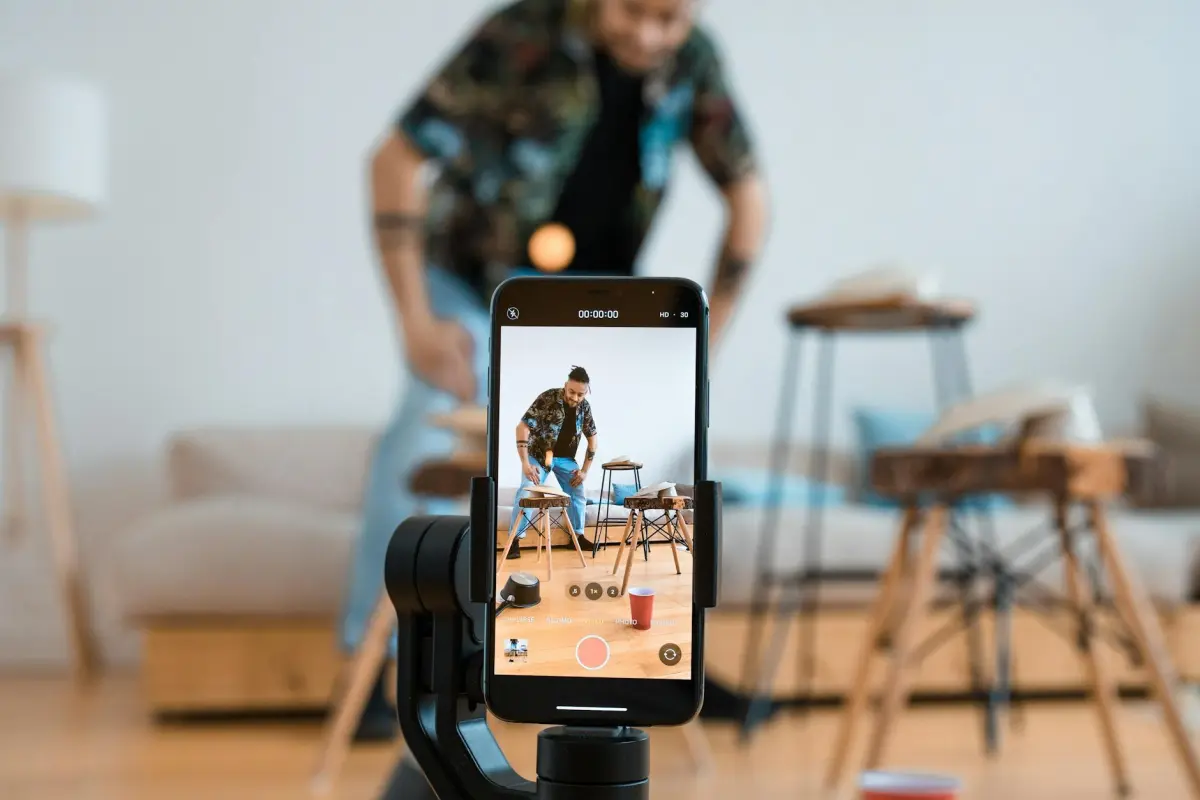
Mouvement de caméra : privilégiez les mouvements lents et contrôlés. Utilisez un cardan pour un travelling doux de 6 à 12 cm par seconde, ou un panoramique fluide de 5 à 15 degrés par seconde ; maintenez l'horizon de niveau et verrouillez la parallaxe afin que le premier plan s'ancre naturellement dans la scène ; évitez les changements brusques qui sortent le spectateur de l'immersion. Si le projet fait référence à une ambiance "warner", gardez la palette restreinte.
Synchronisez les actions sur la chronologie avec les points narratifs. Prévisualisez auprès du public, vérifiez l'ambiance sur différents appareils, et ajustez la lisibilité des légendes et le rythme des mots. Les notes descriptives capturent les décisions et permettent aux membres de l'équipe d'expérimenter des alternatives pour travailler ensemble. Cela permet aux monteurs d'ajuster beaucoup plus rapidement. Il y a une simple checklist pour vérifier les sources et les besoins du projet : source des métrages originaux et modifications.
Paramètres d'exportation : résolution, fréquence d'images, codecs et options spécifiques à la plateforme
Exportez en 1920x1080, fréquence d'images 30 ips, conteneur MP4, codecs H.264 ou H.265 ; assurez une sortie sans filigrane pour que le projet soit prêt à être publié sur tous les écrans.
Pour les options spécifiques à la plateforme, sélectionnez les rapports d'aspect qui correspondent à la destination : 16:9 pour la plupart des flux, 9:16 pour les clips orientés mobile, ou 1:1 pour les publications sur grille. Ciblez 1080p lorsque le contenu est prêt à être publié ; passez à la 4K (3840x2160) dans les préréglages personnalisés si le projet nécessite des détails supplémentaires. Maintenez l'équilibre du mouvement pour préserver l'émotion de la scène tout en utilisant des médias d'stock si applicable, en garantissant que le média final reste accessible derrière les légendes.
Codecs et qualité : privilégiez l'équilibre entre qualité et taille. Le H.264 offre un accès généralisé sur tous les écrans ; le H.265 réduit la taille du fichier à qualité identique. Le MP4 reste le meilleur conteneur pour les médias prêts à être publiés. L'audio à 128 kbps AAC offre des dialogues ou des narrations clairs ; maintenez un débit binaire total d'environ 8 à 12 Mbps pour la 1080p, ou 25 à 40 Mbps pour la 4K en cas d'action rapide. Si des artefacts apparaissent lors d'un essai, ajustez l'espace colorimétrique et la luminance pour que la scène soit bien exposée.
Conseils pour le flux de travail d'exportation : effectuez une exportation d'essai tôt dans le projet, gardez les médias organisés dans le dossier du projet, et activez les vérifications automatiques qui valident l'intégrité du fichier après enregistrement et sauvegarde. Utilisez uniquement l'essentiel pour accéder rapidement au fichier final ; visez des téléversements rapides sur la plateforme, et vérifiez que le résultat est sans filigrane avant de partager.
Préparation à la publication : vérifiez que la résolution et le rapport d'aspect correspondent à la disposition de l'écran cible ; enregistrez un préréglage personnalisé par projet pour une réutilisation rapide. Recueillez les commentaires après les premières publications, puis affinez la qualité et l'accessibilité en fonction des besoins pour réduire le chemin entre le brouillon et le média publié.
| Plateforme | Rapport d'aspect | Résolution | Fréquence d'images (ips) | Codecs | Conteneur | Notes |
|---|---|---|---|---|---|---|
| Général (la plupart des destinations) | 16:9 | 1920x1080 ou 3840x2160 | 30 ou 60 | H.264 ; H.265 | MP4 | Sans filigrane ; prêt pour le téléchargement ; adapté aux médias publiés |
| Flux Instagram | 1:1 ou 4:5 | 1080x1080 ou 1080x1350 | 30 | H.264 ; H.265 | MP4 | Grille carrée ou portrait ; attention à la zone de sécurité |
| TikTok / Reels | 9:16 | 1080x1920 | 30 | H.264 ; H.265 | MP4 | Format vertical ; gardez le contenu essentiel dans les 1080x1700 |
| Facebook / LinkedIn | 16:9 | 1920x1080 ou 1280x720 | 30 | H.264 | MP4 | Format court ; sans filigrane ; convivial pour les légendes |
| Personnalisé / par projet | Variable | Jusqu'à 4K | 24-60 | H.264 ; H.265 | MP4 | Préréglages personnalisés pour répondre aux besoins ; assurez-vous que les médias d'stock correspondent à la scène |