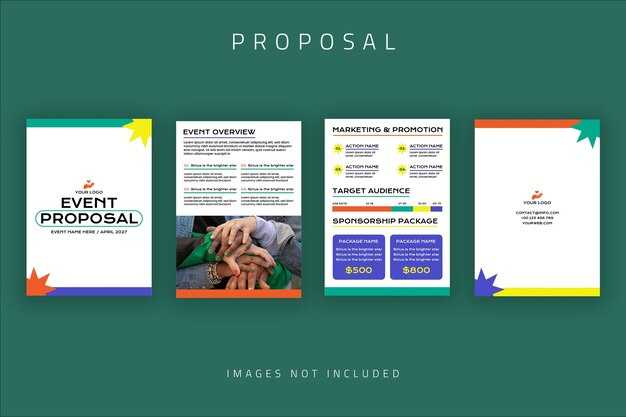
Commencez par un résumé d'une page qui clarifie vos objectifs, votre public et vos indicateurs de succès. Cette page est la vôtre et vous pourrez l'adapter au fur et à mesure, et elle sert de point d'ancrage pour inspirer votre équipe dans le respect de vos normes, guidant chaque étape de la recherche à l'exécution.
Éléments à inclure : public, objectifs *primaires*, contraintes, messages clés, ressources, calendrier et approbations. Pour chaque segment, définissez le ton et référez-vous aux ressources ; intégrez des spécifications *détaillées* pour les formats, les canaux, les *appels à l'action* (CTA) en langage clair, et la quantité de contexte nécessaire. Cette clarté est *brillante* pour les marques et autres, et elle aide à éviter les mauvaises interprétations.
Voici un flux pratique : commencez par des normes générales, puis remplissez les étapes et enfin verrouillez les ressources tactiques. Adoptez une approche **systèmes** en établissant des vérifications, des approbations, la gestion des versions et des validations pour maintenir la cohérence sur tous les canaux. Cette approche maintient les équipes alignées dans les délais et garantit la qualité avant que les ressources ne soient publiques.
Plutôt que des formulations vagues, spécifiez des résultats mesurables, des signaux de succès et des critères de validation. Lors de l'intégration des commentaires des parties prenantes, suivez les modifications et conservez une version maître. Cela permet de s'assurer que tout le monde est sur la même longueur d'onde et réduit les cycles inutiles dans la prise de décision.
Pour améliorer l'action, placez des appels à l'action clairs aux points de contact pertinents. Utilisez une structure *brillante* : une déclaration de problème concise, une action concrète et une prochaine étape immédiate. Ici, vous pouvez réutiliser le même noyau, en adaptant des parties pour les marques et autres sur les canaux numériques, en préservant les normes et en augmentant la clarté et la rapidité.
Cadre exploitable pour les briefs créatifs
Commencez par une déclaration d'objectif unique qui inclut le public, l'action souhaitée et les résultats mesurables. Incluez des indicateurs clés de performance (ICP) tels que le taux de clics (CTR), le taux d'engagement et l'augmentation des conversions, et fixez une date limite claire. Cela maintient l'équipe concentrée et réduit le flou des objectifs lors du travail sur un lot d'éléments. Cet objectif est conçu pour refléter l' impact futur.
Adhérez à une structure fixe : identifiez le public cible spécifique, le ton et les garde-fous de la marque, ainsi que le message clé. Le brief adhère à ces éléments pour assurer la cohérence entre les types de contenu et les canaux.
Identifiez les segments d'audience : auditoires primaires, secondaires et micro. Décrivez les données démographiques, les besoins, les points douloureux et les résultats souhaités concernant leur motivation. Cela permet de créer des messages uniques pour chaque type et chaque partie du lot de publications pour eux.
Définissez la portée du contenu : spécifiez la partie de la campagne que chaque élément couvre, la taille du lot, les formats et les types de publication. Pour chaque type d'élément, assurez l'alignement avec les besoins du canal et les attentes du public. Listez les livrables tels que la vidéo, les publications statiques, les stories et les blocs de texte. Assurez-vous que chaque élément reste attrayant pour le public. Cette approche est bénéfique pour la planification de la production et réduit les cycles de révision.
Documentez les contraintes de la marque et le ton : spécifiez la voix, le vocabulaire, les règles de grammaire et les éléments obligatoires. Assurez l'accessibilité et la lisibilité ; maintenez toujours un ton cohérent sur tous les canaux. Cette cohérence garantit que chaque publication est sous la même identité.
Flux de travail et systèmes : adoptez un système simple de stockage, de gestion des versions et d'approbations, en utilisant une nomenclature claire et un référentiel partagé. Créez une liste de contrôle que les équipes peuvent suivre, rendant le processus facile et garantissant la qualité. Incluez la planification par lots, les approbations de publication et les étapes de publication. Le processus de travail doit être évolutif et pérenne.
Fréquence de révision et FAQ : insérez une brève révision post-lancement : ce qui a été fait, ce qui a été appris, quels changements mettre en œuvre ensuite. Incluez un ensemble de FAQ qui répondent aux questions courantes sur le public, le ton, les calendriers et les approbations. Cela permet de gagner du temps et de maintenir l'alignement des parties prenantes, en les tenant fréquemment informées.
Métriques et itération : définissez comment mesurer l'impact et quand revisiter le brief. Incluez des idées de tests, telles que des tests A/B et des revues de performance des publications. Ce cadre maintient l'équipe concentrée et facilement adaptable pour les campagnes futures.
Définir la portée et les objectifs du projet avec des invites concrètes

Commencer par une phrase de portée concise sert de point de départ au projet, clarifiant le problème, le public et les critères de succès. Mettez ceci dans votre première ébauche et partagez-la avec le client pour verrouiller l'alignement, puis utilisez-la comme point de référence pour toutes les décisions.
Identifiez le problème identifié, le contexte de marque et l'objectif général du client ; spécifiez le public cible, les canaux et les indicateurs de succès ; décidez de la personne à contacter et des documents requis à partager. Cela garantit que chaque partie prenante parle le même langage dès le départ et maintient le processus concentré.
Les objectifs spécifiques de la campagne doivent être concrets et mesurables. Définissez ce qu'impliquent l'engagement, les conversions ou la notoriété en chiffres, attachez un délai réaliste et déterminez le ton qui correspond à l'expérience de la marque. Incluez des indicateurs de profondeur d'impact sur les segments clés afin que l'équipe puisse suivre les progrès au fur et à mesure du travail.
Détaillez les livrables, les dates d'échéance, les ressources requises et les étapes d'approbation. Énumérez les types de contenu, les formats et les canaux, ainsi que toutes les contraintes ou politiques internes. Le détail doit couvrir le contenu, les approbations internes et les documents que votre équipe conserve comme références, garantissant que chaque ébauche est conforme aux directives de la marque et aux attentes en matière d'expérience.
Décrivez le flux de travail de collaboration : quand les ébauches sont dues, où se trouvent les commentaires, qui valide, et comment contacter le client pour des décisions rapides. Utilisez une cadence transparente et un journal partagé des notes, décisions et mises à jour. Cela maintient le processus fluide et réduit les allers-retours, ce qui améliore l'efficacité globale.
Incluez des FAQ pour répondre aux questions courantes sur la portée, le calendrier, les approbations et les changements. Un ensemble concis de FAQ réduit les retards et permet à l'équipe d'avancer lorsque des questions se posent, de sorte que cela est géré avant que cela ne ralentisse le travail. Assurez-vous que les FAQ font référence à la marque, au ton et aux contraintes de la campagne pour rester sur le message.
Spécifiez les outils et les ressources pour la rédaction et la révision. Mentionnez les Quillbots pour la première rédaction, votre éditeur préféré pour la finition, et le mode de contact pour les modifications rapides. Clarifiez comment le contenu restera attrayant, quelle profondeur la rédaction doit avoir et comment les notes internes se traduisent en contenu final qui résonne auprès du public et soutient l'expérience de la marque.
Établissez comment l'efficacité sera mesurée et rapportée. Définissez les métriques clés, les sources de données et la cadence des mises à jour afin que l'équipe puisse ajuster les tactiques en temps réel. Exigez une version finale qui démontre l'alignement avec la portée, déclenche la validation du client et laisse de la place pour itérer sur le ton et le contenu avant la mise en ligne.
Cartographier l'audience, la voix de la marque et le message clé
Organisez un atelier de 90 minutes impliquant les parties prenantes pour cartographier les segments d'audience, la voix de la marque et le message clé ; capturez les résultats dans un brief structuré, y compris les notes, les attentes et une section FAQ vivante ; cet alignement favorise des publications cohérentes sur tous les canaux.
Définissez 4 personas d'audience basés sur les données démographiques, les objectifs et les habitudes médiatiques. Pour chaque persona, incluez : ce qu'ils pensent en rencontrant notre contenu, ce qu'ils recherchent et les formats qu'ils préfèrent (visuels, publications longues, astuces rapides). Liez chaque persona à la valeur de la marque, aux déclencheurs d'achat et aux avantages les plus pertinents. Clarifiez ce qui les attire le plus.
Établissez la voix de la marque comme un ensemble de règles concret : gammes de tons (autoritaire, amical), limites de vocabulaire, longueur des phrases et indices de formatage. Fournissez 3 à 5 exemples de phrases par persona et listez 2 à 3 règles à faire/ne pas faire pour guider les rédacteurs. Utilisez GPT-4 pour rédiger 5 à 10 idées de publications par persona, puis sélectionnez les bonnes phrases pour la publication.
Message clé : rédigez une proposition principale pour chaque persona plus 2 à 3 déclarations de soutien. Assurez-vous que chaque message est clair, testable et lié à une métrique dans les analyses. Incluez une phrase prête à être citée pour une preuve externe le cas échéant ; incluez ce qu'il faut dire pour contrer les objections courantes et ce qu'il faut éviter.
Livrables et gouvernance : un fichier de brief structuré unique, une matrice de messagerie, un guide des tons et un document FAQ. Attribuez des propriétaires parmi les parties prenantes et établissez une cadence pour les mises à jour et les approbations. Assurez-vous que chaque idée de publication est mappée au segment d'audience et à l'action attendue (le bon CTA).
Optimisation et mesure : définissez les attentes en matière d'optimisation, ciblez les indicateurs clés de performance (taux d'engagement, sauvegardes, partages, CTR) et créez un tableau de bord analytique léger. Capturez les notes et les idées en cours pour éclairer le prochain cycle, y compris les observations à long terme sur ce qui a fonctionné et ce qui n'a pas fonctionné.
Mettre cela en pratique commence par l'élaboration d'un plan clair des questions à poser, de ce qu'il faut inclure et de la manière d'itérer. Cette approche commence par la documentation des notes de recherche, puis la transformation de l'idée en un ensemble concret de publications, et leur alignement entre les parties prenantes pour obtenir des commentaires. Cela permet de maintenir la concentration de la réflexion et fournit le cadre approprié pour la prise de décision.
Spécifier les livrables, les formats, les délais et les étapes d'approbation
Mettez en œuvre une liste de résultats fixes dès le lancement et assurez-vous que toutes les parties prenantes la comprennent : l'ensemble complet des éléments, les formats et le circuit d'approbation. Le brief doit spécifier les livrables exacts afin que les marques puissent avancer sans demandes d'information aller-retour. Cela ne laisse pas de place à l'ambiguïté et maintient le projet rapide, ciblé et mesurable.
Livrables et formats : Définissez l'ensemble complet des sorties avec des types de fichiers spécifiques. Pour que les marques restent alignées, exigez un jeu de textes prêt pour la marque (DOCX ou Google Docs) et un pack visuel (PDF plus les sources modifiables telles que AI/PSD). Joignez des notes décrivant le sujet, l'idée et l'utilisation. Incluez un résumé exécutif dans une seule sortie pour référence rapide. Les sections doivent être clairement étiquetées : Aperçu, Éléments, Textes, Visuels, Métadonnées et Utilisation. Cette structure aide les éditeurs et les outils à trouver rapidement ce dont ils ont besoin et maintient une profondeur cohérente sur tous les canaux.
Délais : Établissez un calendrier complet avec des étapes concrètes. Brouillon à remettre sous 2 jours ouvrables, révision interne sous 1 jour et approbation finale sous 2 jours. Joignez un calendrier avec les dates exactes et une source unique de vérité pour les changements. Pour les marques ayant plusieurs marchés, ajoutez une fenêtre de localisation et assurez-vous que toutes les notes sont intégrées.
Étapes d'approbation : Identifiez le propriétaire faisant autorité et le point de validation. Utilisez un seul point de validation par livrable pour éviter les allers-retours. Capturez les commentaires dans une seule note consolidée, étiquetez les modifications par section et exigez des documents mis à jour pour remplacer les versions antérieures. Assurez-vous que tout le monde comprend les critères d'approbation et respecte le calendrier.
Gouvernance, outils et formats de sortie : Nommez les fichiers selon une convention standard, par exemple, projet_sujet_version.ext ; stockez les sorties dans un lecteur partagé ; spécifiez la sortie pour une utilisation prête pour l'analyse (UTM, balises). Incluez la profondeur d'analyse : une liste de contrôle pour valider l'alignement avec le sujet et les directives de la marque, ainsi que des notes sur la licence. Pour les petites équipes, limitez à 4 à 6 éléments clés et adaptez-vous pour les grandes marques en ajoutant des sections. Cette approche rend les sorties meilleures et plus faciles à réutiliser sur tous les canaux. Le générateur et les éditeurs doivent travailler ensemble en utilisant une source unique de vérité, et les notes doivent être intégrées dans chaque élément.
Notes pour la collaboration : L'intégration des notes des parties prenantes accélère l'alignement. Donnez aux éditeurs une instruction claire et une source unique de vérité. La sortie doit être prête à être exportée, avec les métadonnées incluses et les balises analytiques intégrées afin que les équipes puissent mesurer l'efficacité sur tous les canaux.
Qualité et profondeur : Créez avec sophistication ; fournissez un ensemble prêt pour le générateur que les marques peuvent réutiliser ; incluez des sections qui couvrent les cas d'utilisation les plus courants ; gardez un lot petit et ciblé pour les petits projets et un lot plus complet pour les campagnes plus importantes. Cela garantit l'autorité et aide les marques à maintenir une voix cohérente sur les sujets.
Utilisez le modèle gratuit : téléchargez, personnalisez et réutilisez
Obtenez le pack de démarrage téléchargeable, adaptez-le à chaque client et réutilisez les blocs de base dans les campagnes pour gagner du temps tout en préservant la cohérence linguistique.
Stockez-le dans Google Docs ou l'espace de travail de votre équipe ; assurez le versionnement et des droits d'accès clairs. La structure est conçue pour être modulaire, vous pouvez donc échanger des parties sans retravailler l'ensemble du brouillon.
- Téléchargez le modèle principal et placez-le dans un répertoire partagé ; étiquetez-le par type de projet ou par marque pour qu'il soit facilement trouvable ; assurez-vous que le client peut accéder aux copies modifiées si nécessaire.
- Personnalisez les blocs : mettez à jour l'objectif, le public cible, le ton, les livrables, les canaux, le calendrier et le budget. Appliquez les directives linguistiques pour maintenir la voix de la marque ; structurez le contenu de manière à ce que les parties puissent être échangées entre les campagnes.
- Stratégie de réutilisation : clonez le modèle principal pour chaque projet, renommez les fichiers et intégrez du texte piloté par des instructions. Intégrez le langage des campagnes précédentes lorsque cela est pertinent, tout en maintenant une voix unique pour le client.
- Contrôles de qualité : effectuez une révision humaine pour détecter tout désalignement ou formulation maladroite ; vérifiez les chiffres du budget et les délais ; confirmez que les métriques et les critères de succès sont clairement définis.
Les instructions et la rédaction assistée par l'IA accélèrent la création. Utilisez les instructions pour remplir les sections, puis laissez un rédacteur affiner le texte. Des exemples d'instructions comme celles qui suivent peuvent relancer le processus :
- Instruction de rédaction pour l'objectif : « Créez un objectif concis pour une campagne visant X, avec des résultats mesurables. »
- Instruction sur le public et la langue : « Décrivez le public cible et le style linguistique préféré pour une campagne dans la région Y. »
- Instructions sur le contenu : « Fournissez une accroche en 2 phrases et une proposition de valeur en 3 points pour chaque livrable. »
- Instruction sur le calendrier et le budget : « Décrivez les dates clés et les limites budgétaires pour un cycle de 6 semaines. »
Utilisez gptchat comme banc d'essai pour la rédaction, puis exportez vers le modèle principal et ajustez si nécessaire ; assurez-vous de l'alignement avec les directives du client et détectez les problèmes ; gardez le contrôle par la révision.
Gardez le processus économique : réutilisez des blocs dans les campagnes, suivez le temps gagné et mesurez l'efficacité de chaque cycle. Cette approche profite au rédacteur et au client, en particulier lorsque le temps et le budget sont limités.
Une structure adaptée, une révision humaine et une documentation approfondie garantissent que les résultats restent uniques et précis. Au fil du temps, la création sert de générateur fiable pour le travail de campagne, le langage restant cohérent grâce aux instructions et à l'intégration des commentaires du client.
Appliquer des instructions d'IA pour rédiger rapidement des briefs et maintenir la cohérence
Commencez avec un kit d'instructions d'IA réutilisable qui capture les objectifs du projet, le public, les canaux et la sortie attendue. Cela réduit généralement le temps de réflexion et assure l'alignement entre les projets, en particulier lorsque des éditeurs sont impliqués et que les parties prenantes doivent approuver.
Voici une structure concise pour le kit : une instruction principale, plus des champs pour les détails spécifiques au projet tels que le public, la marque, le style et les sections requises. L'instruction principale doit être conçue pour être entièrement optimisée et réutilisée dans les différents cas.
Les types de briefs peuvent être balisés par canal, objectif et public ; les balises permettent un acheminement automatisé et une analyse.
Des règles imposent la cohérence : intégrez le langage de la marque (marques), la voix et la terminologie ; stockez les règles sous forme de document évolutif que les éditeurs peuvent mettre à jour. Les modifications sont suivies.
Flux de travail dans les processus standard : l'instruction rédige le contenu initial, les éditeurs révisent et affinent ; la sortie est ensuite transmise aux équipes impliquées pour l'approbation finale ; plus tard, elle est publiée.
Conseils opérationnels : gardez les instructions concises mais fortes ; les instructions écrites doivent spécifier les livrables, les publics et les sections requises. Psemantique peut-être ? peut-être couplez-vous les instructions avec des listes de contrôle pour améliorer la réflexion et réduire les retouches.
Mesure et amélioration : les tableaux de bord analytiques suivent des métriques telles que le taux d'achèvement et les conversions ; surveillez la performance de la sortie sur tous les canaux et toutes les marques.
Améliorer la collaboration : réutilisez des instructions entre les équipes, les ressources et appliquez des changements pour préserver les normes ; ici, vous pouvez ajuster pour de nouvelles campagnes tout en maintenant le noyau aligné.
Points de blocage courants : pensée commune, objectifs vagues ou détails d'audience manquants. Cependant, pour les aborder, envisagez d'ajouter des sections explicites dans l'instruction principale, de maintenir le style aligné avec les directives de la marque standard et d'impliquer les parties prenantes tôt.
Une suite d'instructions conçue et optimisée fournit des brouillons plus rapides, réduit les allers-retours et aide aux conversions tout en maintenant un ton cohérent et professionnel.