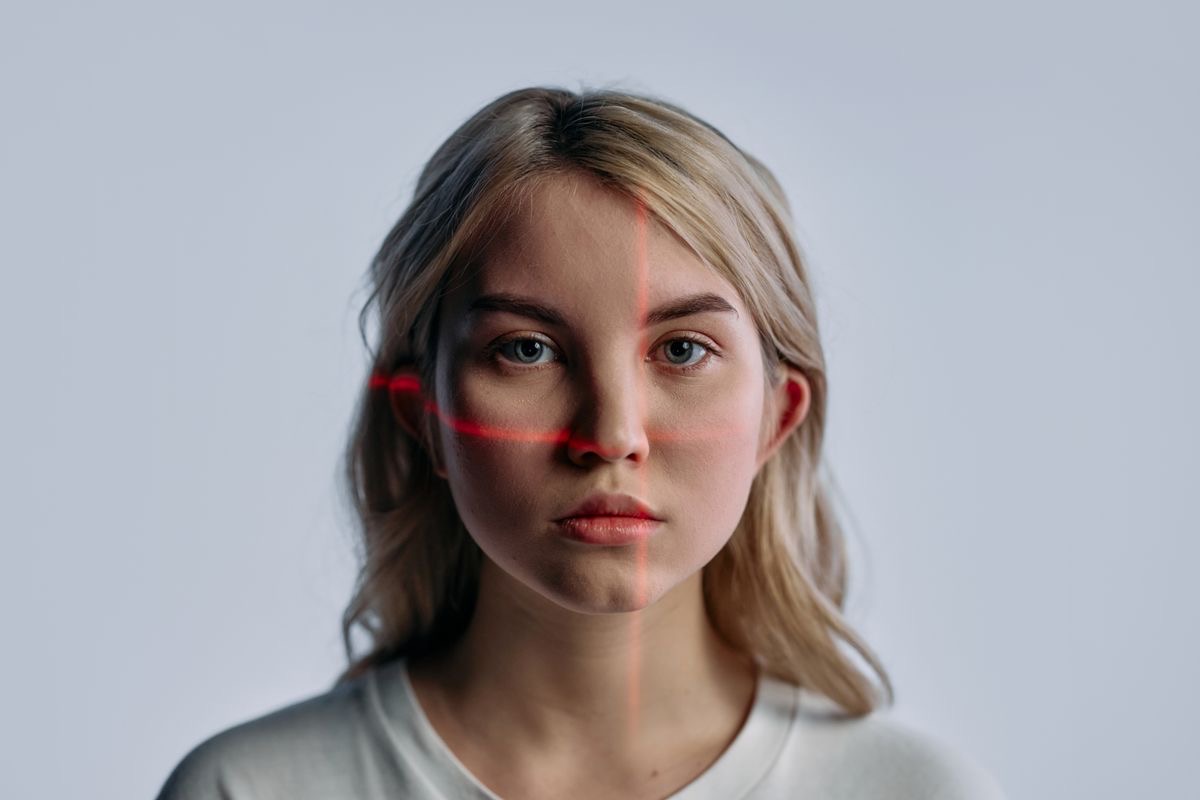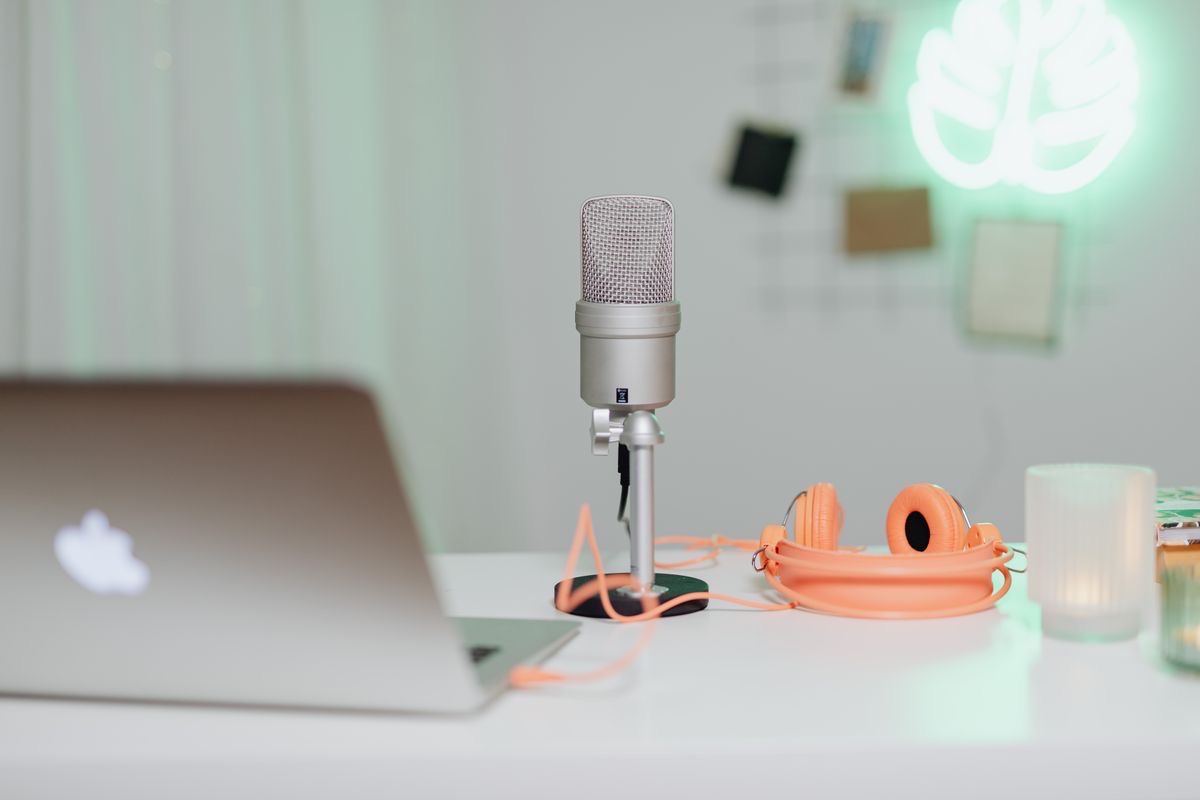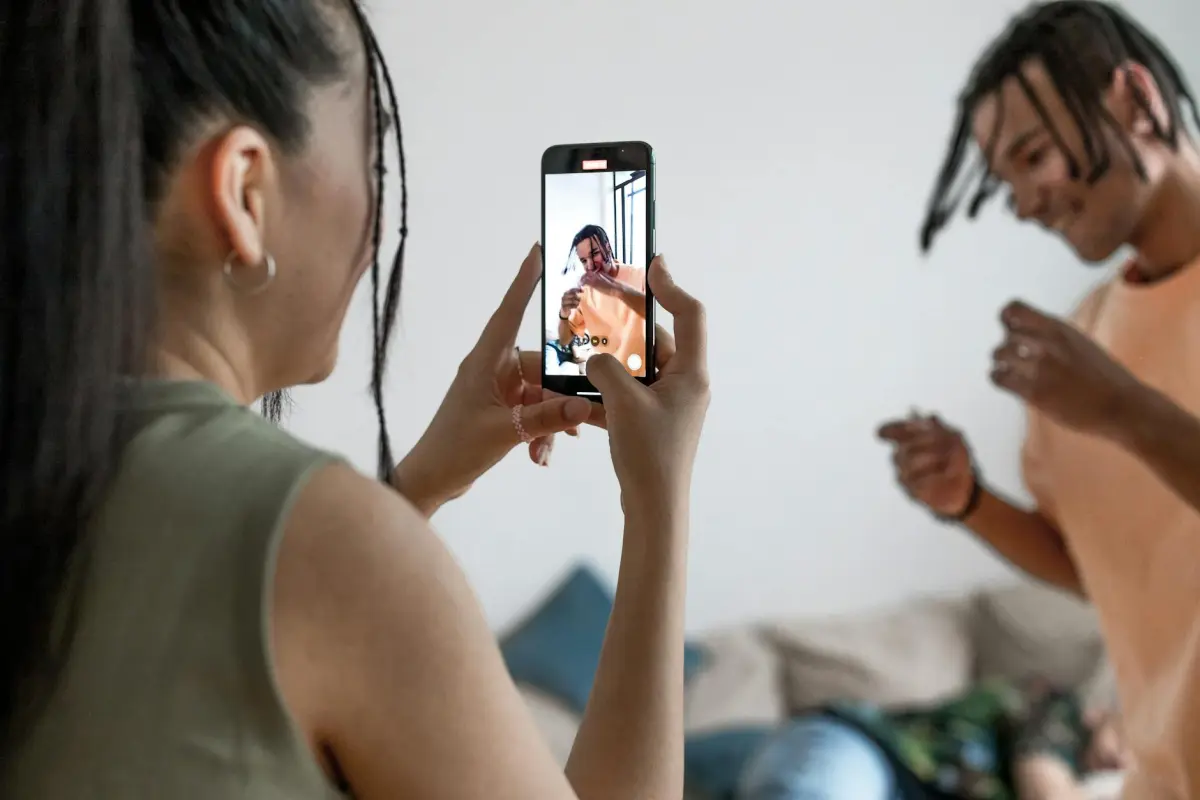

Commencez par un brief concret : définissez l’arc narratif, le ton souhaité et les éléments de marque afin que le processus reste ciblé.
Pour les débutants, un flux de travail modulaire accélère les résultats : choisissez 3 styles et assemblez des avatars qui correspondent aux éléments de marque, puis attachez des blocs de sous-titres et de discours. Un script basé sur le texte devient le moteur des séquences, vous permettant d’itérer rapidement et de mettre à jour les éléments de marque.
Le processus créatif commence lorsque vous cartographiez les plateformes cibles : planifiez de courts clips pour les flux et les stories instagram, ainsi que des versions plus longues pour les pages de destination. Utilisez un appel à l’action visitez dans le script pour inviter les audiences à en savoir plus, et alignez les couleurs avec la palette de votre marque. Les générateurs accélèrent la création de variantes pour les tests A/B.
Mettez l’accent sur la sélection musicale qui correspond au rythme ; mettez en évidence les moments clés avec des éléments de marque forts. Les créateurs peuvent ajuster les scènes à l’aide d’une boucle itérative, garantissant que le clip correspond à la voix de l'entreprise et aux styles choisis au départ.
Utilisez une bibliothèque d’animations et des blocs de discours réalistes ; les sous-titres peuvent être produits automatiquement, synchronisés avec le rythme, réduisant ainsi les montages manuels. Cela aide les débutants à obtenir des résultats confiants sans lourd montage.
Pour les équipes, plusieurs créateurs peuvent partager des ressources dans un hub de marque centralisé ; ajustez les rendus pour qu’ils correspondent aux styles de la campagne, puis publiez sur instagram et d’autres canaux en exportant des séquences optimisées.
Pour améliorer l’efficacité, commencez par un fragment de scène unique et réutilisez les ressources à travers les variantes ; conservez un journal des modifications et suivez l’engagement pour affiner l’approche à mesure que votre entreprise grandit.
Plan d’évaluation pratique des générateurs vidéo par IA
Lancez un projet pilote contrôlé, alimenté par l’IA, sur trois modèles de format court, en utilisant un ensemble fixe d’invites pour comparer les résultats aux séquences de référence et ajuster instantanément. Cette référence clarifie les capacités, identifie les goulots d’étranglement et éclaire les améliorations ultérieures.
Principales métriques de succès : fidélité, continuité temporelle, synchronisation labiale des voix off, et plausibilité émotionnelle. Appliquez une grille d’évaluation à cinq points pour chaque élément ; surveillez la conformité des invites et le respect des contraintes. Capturez à la fois les scores subjectifs et les signaux objectifs tels que la précision du timing et la cohérence des images.
Plan de collecte de données : recrutez 15 à 20 évaluateurs, mélangez le personnel interne et les volontaires externes, incluez des parties prenantes d’organisations à but non lucratif. Assurez-vous de diversifier les horizons pour réduire les biais. Documentez les profils des évaluateurs et les instructions pour maintenir la cohérence.
Conception de l’expérience : exécutez des sprints hebdomadaires ; après chaque sprint, ajustez l’éclairage, le rythme et la cadence de la voix off ; puis réévaluez instantanément pour confirmer l’impact. Utilisez un ensemble de données contrôlé où un seul paramètre change à chaque itération pour isoler les effets.
Conformité et sécurité : assurez-vous que le contenu respecte les politiques ; assurez-vous que les invites guident les résultats de manière responsable ; protégez les données personnelles ; définissez des équipes rouges pour les cas limites ; conservez les enregistrements des décisions pour l'auditabilité. Cela renforce la confiance et la fiabilité.
Plan de formation et d’itération : réutilisez les résultats collectés pour affiner les invites, les bibliothèques d’assets et les conceptions de modèles. Mettez l’accent sur l’amélioration à long terme plutôt que sur les gains à court terme ; documentez les changements afin de pouvoir revenir en arrière si nécessaire. Les cycles de formation devraient être planifiés mensuellement ou trimestriellement en fonction des ressources.
Gouvernance des sorties : mettez en œuvre un système léger qui attribue des rôles pour l’évaluation, la validation et les mises à jour. Tenez toujours compte des droits sur les données personnelles et des actifs gérés par droits ; assurez une approche conviviale pour les organisations à but non lucratif en matière d’engagement des parties prenantes.
| Critère | Définition | Métrique | Objectif | Source de données | Responsable |
|---|---|---|---|---|---|
| Fidélité | Réalisme des scènes, textures et éclairage | Score moyen (1-5) d'évaluateurs humains | 4,2 | Évaluations du panel | Responsable QA |
| Cohérence temporelle | Cohérence entre les images et le timing de la séquence | Erreur d'alignement de timing (ms) par scène | < 150 | Journaux de timing automatisés + revue humaine | Ingénierie |
| Voix off | Cadence, clarté, naturel | Note de qualité (1-5) + intelligibilité | 4,0 | Panel d'évaluateurs | Responsable du contenu |
| Conformité des invites | Respect des instructions initiales | Score de réalisation de l'invite (%) | 95 | Audit des sorties vs invites | Chef de produit |
| Plausibilité émotionnelle | Impact émotionnel perçu des scènes | Score d'émotion (1-5) | 3,8 | Évaluateurs | Directeur créatif |
| Sécurité et conformité | Absence de contenu restreint ou de biais | Incidents pour 100 sorties | 0 | Revues de gouvernance | Responsable de la conformité |
| Gestion des données personnelles | Protection des informations sensibles | Incidents / quasi-accidents | 0 | Évaluations de sécurité | Responsable des données |
| Couverture des données d'entraînement | Diversité des entrées reflétées dans les sorties | Indice de couverture (1-5) | 4,0 | Audits de jeux de données | Scientifique des données |
| Efficacité | Latence de traitement par clip | Temps de rendu moyen (s) | < 30 | Journaux système | Ingénieur Ops |
| Coût par minute | Dépenses opérationnelles pour la production | Coût en USD par minute de sortie | < 2 $ | Rapports financiers | Finance |
| Satisfaction utilisateur | Acceptation globale parmi les parties prenantes | Score NPS | 50+ | Résultats d'enquête | PMO |
Section A – Critères de référence pour le mouvement ultra-réaliste et la précision de la synchronisation labiale
Référence : déviation de synchronisation labiale inférieure à 25 ms ; dérive de mouvement inférieure à 0,5 px par image ; variation de la pose de la tête dans les 2° sur des clips de 10 secondes ; viser une cadence stable de 24 à 30 fps.
Les scores de réalisme du mouvement devraient atteindre plus de 0,95 sur une échelle de 0 à 1, mesurés par la dynamique naturelle de la mâchoire, un regard stable et des micro-expressions fluides qui s’alignent sur les indices audio ; détecter la rigidité, les tremblements ou la dérive posturale.
Les données d’entrée définissent les repères : les miniatures permettent des vérifications QA rapides ; les références photographiques ancrent la texture, l’éclairage et le ton de la peau ; les scripts fournissent des indices de timing ; traduire le texte en séquences de phonèmes et vérifier les formes des lèvres, que la langue change.
Flux de travail : générer une bibliothèque de référence de formes de phonèmes vers lèvres ; connecter la piste audio aux mouvements de la bouche ; une bonne couverture des phonèmes évite les lacunes ; lors de la traduction, maintenir des configurations labiales plausibles ; les revues d’artistes raccourcissent les boucles de rétroaction.
Stratégie de modèle : commencer par un modèle solide ; remplacer l’identité de la personne tout en préservant le squelette de mouvement ; au sein d’un projet, réutiliser les scripts pour assurer la cohérence ; de meilleurs résultats proviennent d’un contexte plus large et d’un éclairage cohérent.
Contrôles qualité : scanner rapidement les miniatures pour un premier signal ; effectuer des audits image par image autour des coins de la bouche ; vérifier le regard, le rythme des clignements et la cohérence de l’éclairage ; de bons repères émergent lorsque les artefacts restent inférieurs à 0,2 % des images.
Pièges courants et remèdes : tremblements, artefacts aux coins de la bouche, pauses silencieuses dans le timing, clignements non naturels ; remédier en ajustant les pénalités de synchronisation labiale, en affinant l’interpolation et en alignant les indices textuels ; cela apporte un réalisme plus fort et des résultats plus époustouflants.
Note finale : utilisez un signe d’évaluation fort pour confirmer que le résultat est bon et crédible pour tout réviseur, y compris les artistes, les monteurs et les producteurs de podcasts.
Section A – Entrées de test et sorties attendues : scripts, avatars et séquences d’archives

Commencez par une recommandation concrète : visez un script de 90 à 120 secondes, trois à quatre scènes et deux avatars personnalisés pour ancrer l’histoire. Pour les débutants, simplifiez le flux de travail en un processus répétable de haute qualité. Utilisez heygen sur toutes les plateformes, puis adaptez-le à des audiences plus larges.
Scripts : fournissez des blocs de texte brut avec un en-tête de scène clair, des lignes de dialogue et des notes d’action. Visez environ 90 à 120 mots par scène et structurez trois actes : mise en place, développement et résolution. Incluez un bref indice de chanson si utile et marquez les transitions entre les rythmes pour faciliter le montage. Formatez le script en segments simples et lisibles par machine pour accélérer l’analyse et les vérifications de timing.
Avatars : fournissez 2–3 personnages personnalisés conçus pour correspondre au ton de l'histoire. Spécifiez les correspondances de synchronisation labiale, les expressions faciales et les bibliothèques de poses clés. Animez les expressions sur les moments importants et maintenez le mouvement dans des limites réalistes pour préserver la crédibilité. Stockez les actifs dans des formats compatibles (GLB/FBX ou prêts pour Heygen) et validez le rendu multiplateforme pour éviter les dérives d'apparence.
Images d'archives : sélectionnez des clips de différents types tels que des extérieurs urbains, des plans intérieurs, des scènes de nature et des arrière-plans abstraits. Assurez-vous que les licences sont libres de droits et que les durées correspondent aux longueurs des scènes (2 à 6 secondes pour les transitions, des clips plus longs pour les moments d'établissement). Appliquez un étalonnage des couleurs et un recadrage cohérents (16:9) afin que les ressources s'intègrent harmonieusement aux avatars et aux actions pilotées par le script. Les images superposées peuvent combler les lacunes entre les actions sans perturber le flux.
Sorties : attendez-vous à un package complet livré sous forme de clips MP4 à 1080p ou 4K, 24 à 60 ips, avec audio stéréo 2.0. Utilisez des codecs comme H.264 ou HEVC et le profil de couleur Rec.709 pour une large compatibilité. Incluez des métadonnées et une nomenclature de fichiers standardisée pour simplifier la gestion des actifs et la publication sur les réseaux sociaux. Assurez-vous que le produit reste de haute qualité et prêt pour un déploiement rapide sur les principaux canaux.
Qualité et évaluation : après le montage, vérifiez la précision de la synchronisation labiale, la continuité des actions et l'alignement avec l'arc narratif. Confirmez le rendu complet de tous les actifs et vérifiez que le cahier des charges a été respecté. Recueillez les commentaires des gestionnaires et des débutants, puis ajustez les entrées en conséquence. L'objectif est un résultat réel et engageant qui résonne auprès du public et démontre la créativité à travers les histoires et les formats.
Section B – Outils vidéo IA vs rivaux : qualité du réalisme, temps de rendu et facilité d'utilisation
Que votre priorité soit le réalisme, la vitesse ou une intégration facile dans les flux de travail existants, choisissez l'option qui offre une sortie cohérente sur plusieurs langues et formats, prend en charge un flux de travail de qualité professionnelle et garantit une sécurité des actifs solide dès le premier lancement.
Scores de réalisme : le concurrent A obtient 89/100 lors de tests à l'aveugle pour les micro-expressions faciales, la cohérence de l'éclairage et la texture dynamique ; le leader de référence atteint 94/100, offrant des ombres plus crédibles, une meilleure volumétrie et une meilleure fidélité du mouvement. Les différences sont les plus notables dans les détails de gros plan et les séquences longues, où cette solution maintient la cohérence entre les scènes.
Temps de rendu : pour un clip de 60 s en 1080p, l'option supérieure se termine en 28 à 32 secondes sur un GPU haut de gamme, tandis qu'un concurrent typique est à 40 à 60 secondes ; un concurrent plus lent peut dépasser 90 secondes. Cette différence de vitesse réduit les cycles d'itération et aide à atteindre le marché plus rapidement.
La facilité d'utilisation repose sur un compositeur à panneau unique, des matériaux glisser-déposer et des modèles prédéfinis, ce qui raccourcit la courbe d'apprentissage. Les utilisateurs acquièrent la compétence en environ 4 heures ; les pairs nécessitent généralement 8 à 12 heures. Les contrôles de conformité par projet sont configurables, offrant une gouvernance sans ralentir le travail quotidien. De plus, les modèles démarrent rapidement, accélérant l'intégration.
La portée de l'intégration s'étend aux outils populaires et aux flux de travail de production. Le pipeline d'actifs commence à partir d'une seule source ; les options de format incluent MP4, MOV, AVI ; les actifs textuels prennent en charge les légendes et les descriptions ; les modèles démarrent automatiquement en quelques minutes, permettant aux équipes de lancer sans attendre. Les langues prises en charge pour l'interface utilisateur et la narration atteignent respectivement 12 et 9 ; les marques peuvent mapper les tons pour maintenir la cohérence entre les campagnes. Les options de conformité garantissent que la manipulation des données est conforme aux normes.
Sécurité et conformité : le chiffrement des données au repos, l'accès basé sur les rôles et les pistes d'audit satisfont aux exigences de conformité des agences et des marques sur les marchés. Ces garanties protègent les matériaux et les actifs lors des aperçus pour les auditeurs et les clients, permettant une collaboration sécurisée entre les équipes.
Sur la base des références actuelles, si votre objectif est la qualité du réalisme, un temps de rendu plus rapide et une intégration plus fluide, cette option domine les outils moins flexibles dans ces domaines. De plus, pour les campagnes multilingues, la couverture linguistique et la flexibilité des formats permettent une meilleure portée, améliorant la qualité des actifs sur les marchés. Si vous avez démarré un projet au dernier trimestre et que vous souhaitez passer à l'échelle, l'approche d'actif unique et le lancement rapide sont des avantages décisifs.
Section C – Défis de rendu de visage : regard, micro-expressions et texture de peau
Calibrez les paramètres du regard avec une précision inférieure à 1,5° pour éviter de faire dériver les pupilles dans des visuels réalistes ; appliquez des contraintes de pose de tête et des vérifications de calibration par visage pendant la synthèse assistée par IA, puis vérifiez les résultats par rapport à un éclairage diversifié.
Construisez un module de micro-expressions basé sur un ensemble sélectionné d'échantillons réels et consentis ; annotez les mouvements musculaires au niveau de l'image et mappez-les aux micro-expressions détectables. Utilisez des étiquettes denses dans un pipeline sûr et conforme ; testez à l'aide de scripts courts pour garantir que les changements réalistes se produisent naturellement. Cela comble les lacunes courantes en matière de fidélité du regard et des expressions.
Employez des cartes de texture haute résolution, la diffusion sous-jaculaire et des matériaux à base physique pour reproduire les pores, les rides et la translucidité. Un shader de peau à quatre couches plus des cartes de normales de microdétails réduit le tramage artificiel des bords. Auditez la cohérence des couleurs dans plusieurs scénarios d'éclairage ; assurez la stabilité du chroma pour les contextes de marque.
Mettez en œuvre un cadre de conformité strict comprenant des enregistrements de consentement, des droits d'utilisation et un filigrane si nécessaire. Publiez une feuille de normes communes couvrant les types de regard, de micro-expressions et de texture de peau entre les organisations, les gestionnaires et les créateurs impliqués dans la marque et le recrutement. Après le lancement, collectez des exemples de cas auprès de partenaires, partagez des ressources gratuites pour les évaluateurs et resserrez rapidement le pipeline en fonction des commentaires. Des directives aident chaque créateur à maintenir la cohérence des apparences.
Adoptez un pipeline modulaire généré par l'IA à l'aide de scripts et de bases réalistes ; maintenez une bibliothèque d'expressions musicales et non musicales pour éviter la fatigue ; prévoyez des solutions de repli lorsque des indicateurs de conformité apparaissent ; surveillez les biais et assurez l'équité.
Section C – Éclairage, ombres et intégration environnementale pour des scènes crédibles
Recommandation : Verrouillez un plan d'éclairage cohérent sur tous les clips : lumière principale à 45° du sujet, lumière d'appoint à une intensité de 30 à 40 %, lumière de contour pour séparer la personne de l'arrière-plan. Réglez la température de couleur sur 5200–5600 K pour des tons de lumière du jour ou 3200 K pour les intérieurs ; utilisez un IRC ≥ 95 et calibrez la balance des blancs sur le plateau avec une carte grise. Cette cohérence facilite l'étalonnage des couleurs pendant le montage et offre une profondeur clairement lisible dans chaque plan. L'utilisation de mètres calibrés et de puces de référence garantit un processus répétable que vous pouvez appliquer à travers les projets, transformant les captures brutes en séquences cohérentes qui semblent naturelles.
Ombres et diffusion : Déployez des softbox ou des tissus de diffusion pour adoucir les transitions de bord ; ciblez une douceur d'ombre autour de 0,3 à 0,6 EV en fonction de la distance du sujet ; gardez la couleur de l'ombre légèrement plus froide que la lumière principale de 100 à 200 K pour imiter la lumière naturelle ; utilisez des "cookies" pour sculpter les bords, évitant un aspect plat dans les gros plans. Ce contrôle discipliné crée une profondeur plus crédible que des ombres dures dans les espaces restreints, *transformant* des plans plats en scènes convaincantes.
Intégration environnementale : Échantillonnez l'ambiance via des cartes HDRI ou des indices pratiques du plateau ; alignez l'exposition et la couleur entre l'arrière-plan, les accessoires et les acteurs afin que les reflets et l'ombrage correspondent au ciel ou à l'éclairage intérieur. Rendez des ombres de contact subtiles sur les surfaces et assurez l'occlusion dans les coins pour plus de réalisme ; lorsque les surfaces sont brillantes, vérifiez la précision des reflets spéculaires ; utilisez des pipelines d'animation pour synchroniser les sources lumineuses mobiles, comme les éclairs de flash ou les LED clignotantes, *avec* l'action de la scène.
Flux de travail pour les créateurs : Les débutants bénéficient de préréglages qui reproduisent des rapports d'éclairage crédibles ; les équipes professionnelles personnalisent les configurations, enregistrent des modèles et les partagent entre les projets. Pour les présentations de vente et les présentations d'entreprise, ainsi que pour les lancements sur *YouTube*, les packages livrables doivent respecter le *format*, la *fréquence d'images* et la résolution corrects ; ajoutez des sous-titres dans plusieurs *langues* pour élargir la portée ; les podcasts sur la composition et l'éclairage offrent des *conseils pratiques* à votre équipe ; connaissez les vôtres et transmettez un briefing clair au créateur ou à l'*arrangeur*.
Outils, mesure et itération : Utilisez des posemètres, des colorimètres et des histogrammes pour quantifier la lumière principale et d'appoint ; vérifiez les résultats image par image, comparez-les entre les prises de vue et ajustez pendant la phase de montage ; visez une continuité parfaite plutôt que la perfection dans une seule image ; *explorez* divers *langages* d'outils pour soutenir votre équipe ; cela garantit que votre pipeline de création reste solide pour l'animation, la narration et le contrôle de mouvement ; vous, en tant que *créateur*, pouvez adapter les paramètres à vos projets et améliorer la qualité de création.
Section C – Rendu par lots et correspondance des couleurs : maintien d'un look cohérent
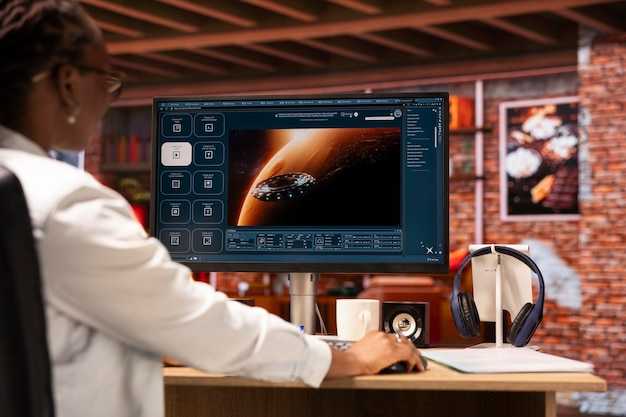
Verrouillez un pipeline de couleurs maître et appliquez-le à tous les actifs d'un lot via des scripts d'automatisation. Cela garantit une apparence uniforme sur tous les clips et réduit les retouches aux étapes ultérieures.
- Définir l'espace colorimétrique : Rec.709, gamma 2.4, point blanc D65 ; régler la luminance cible sur 120 nits ; utiliser un pipeline 16 bits pour préserver les détails.
- Établir un actif de référence maître : inclure une carte grise neutre, un échantillon de teint, et une charte de couleurs ; stocker sous forme de note textuelle pour audit ; se référer à cet actif pendant le traitement.
- Mettre en œuvre un processus de mappage des couleurs : transformer les images d'entrée en images de référence à l'aide de la correspondance d'histogrammes et du mappage perceptuel ; s'assurer que les teints restent naturels ; vérifier les dominantes de couleur entre les scènes.
- Automatiser les étapes par lots : les scripts s'exécutent en mode file d'attente ; traiter les groupes d'actifs par catégorie (produits, contenu marketing, matériel de formation) en une seule exécution ; générer des journaux de progression au format texte pour la traçabilité.
- Contrôle qualité : effectuer des vérifications de précision pixel par pixel, y compris des seuils delta E par canal ; signaler les déviations supérieures à 2.0 pour révision ; comparer les histogrammes à ceux de référence pour vérifier la cohérence.
- Gestion de la localisation et des langues : maintenir un rendu identique sur les variantes linguistiques ; vérifier que les légendes, les chaînes d'interface utilisateur et les étiquettes de produits s'alignent visuellement ; préserver l'équilibre des couleurs dans les actifs internationaux.
- Sécurité et gouvernance : sauvegarder les préréglages et la référence maître dans un coffre-fort crypté ; appliquer des accès basés sur les rôles ; suivre les modifications via une piste d'audit des scripts.
- Conseils d'efficacité pour débutants : commencer avec un petit lot (groupes d'actifs de 5 à 10) pour valider le pipeline ; puis passer à l'ensemble du catalogue ; tenir un journal des ajustements pour faciliter le retour en arrière.
- Spécificités de l'automatisation : envisager des contrôles d'exposition basés sur les photons, ainsi que des scripts heygens pour les alertes de dérive des couleurs ; l'approche préserve un rendu naturel tout en accélérant la livraison.
Pour les organisations dans les équipes e-commerce et médias, cette approche accélère les cycles de production, soutient une vision claire pour une présentation cohérente entre les langues, les produits et les campagnes, et renforce la sécurité autour de la gestion des actifs.