Σύσταση: κατεβάστε ένα κιτ εκκίνησης από αξιόπιστη πηγή και πραγματοποιήστε έναν τοπικό έλεγχο χρησιμοποιώντας ένα μικρό σύνολο εκφωνήσεων. Χρησιμοποιήστε έναν αξιόπιστο κλωνοποιητή για να αποτυπώσετε τον χροιά, και τεκμηριώστε τη συναίνεση και την αδειοδότηση. Πριν από οποιαδήποτε παραγωγή, βεβαιωθείτε ότι έχετε ρητή άδεια από τον ομιλητή και δικαιώματα στο υλικό.
Βήμα πρώτο: κατά την εισαγωγή ανεβασμένου ήχου, διασφαλίστε καθαρές ακουστικές συνθήκες, περικοπή της σιωπής, ελαχιστοποίηση της αντήχησης, και καθορίστε σαφές τονικό ύψος και ρυθμό. Επισημάνετε την πηγή με μια ετικέτα vocalsvoice και δημιουργήστε μια μη καταστροφική προεπισκόπηση για σύγκριση με τον αρχικό ήχο. Στη συνέχεια, κρατήστε μικρό τον αριθμό των δειγμάτων και τεκμηριώστε τυχόν αποκλίσεις.
Διαχείριση κινδύνου: λάβετε ρητή συναίνεση και επαληθεύστε την προέλευση. Δοκιμάστε είτε τοπικά σε ένα sandbox είτε χρησιμοποιήστε ένα ελεγχόμενο περιβάλλον. Χρησιμοποιήστε την προεπισκόπηση για να εντοπίσετε τεχνουργήματα όπως αφύσικη ροή, θόρυβο χαμηλής συχνότητας ή παραμόρφωση. Αυτή η προσέγγιση ελαχιστοποιεί την πιθανότητα κατάχρησης και βοηθά στη διατήρηση της εμπιστοσύνης στη διαδικασία.
Συμβουλές για αρχάριους περιλαμβάνουν τη χρήση αποσπασμάτων κώδικα για την αυτοματοποίηση μιας επαναλήψιμης ροής εργασιών, τη διατήρηση ενός φυσιολογικού ρυθμού, και τη διασφάλιση της λήψης πακέτων μοντέλων από αξιόπιστες πηγές. Αναζητήστε ποιότητα ήχου και ένα καθαρό τοπίο του ακουστικού περιβάλλοντος. Χρησιμοποιήστε είτε έναν τοπικό είτε έναν εικονικό εκτελεστή. Η διαδρομή που θα επιλέξετε θα πρέπει να επιτρέπει εύκολα επόμενα βήματα και συνεχή πειραματισμό.
Στη συνέχεια, εξετάστε το πρακτικό βήμα στην παραγωγή: δημιουργήστε μια ελάχιστη, ελέγξιμη αλυσίδα από τα ανεβασμένα δεδομένα έως την τελική προεπισκόπηση. Αυτό μειώνει τον κίνδυνο, όταν θα επεκταθείτε, και σας διατηρεί ευθυγραμμισμένους με τις ηθικές οδηγίες. Ο συνολικός στόχος είναι η παράδοση πιστευτών προφορικών αποτελεσμάτων, ενώ φροντίζετε για την ασφάλεια, τη συναίνεση και τα πνευματικά δικαιώματα.
Πρακτικές Επιπτώσεις του AI Voice Cloning στην Παραγωγή Ήχου και την Υποκριτική
Ξεκινήστε δημιουργώντας ένα προσχέδιο ρυθμίσεων για οποιοδήποτε έργο που χρησιμοποιεί συνθετικά φωνητικά στοιχεία: συμπεριλάβετε μια ειδική λειτουργία επεξεργασίας με σαφώς επισημασμένα κομμάτια στη ροή εργασιών. Ορίστε τρεις περιπτώσεις χρήσης – παραγωγή, μεταγλώττιση και ακρόαση – και εξασφαλίστε επαφή με τους κατόχους δικαιωμάτων. Αυτό το αρχικό σχέδιο μειώνει τον κίνδυνο, διευκρινίζει την ιδιοκτησία και καθιστά σαφές πώς τα στοιχεία μπορούν να εμφανιστούν σε διάφορα μέσα και κανάλια.
Η πειθαρχία της επεξεργασίας θα πρέπει να διατηρεί το συνθετικό ζεύγος ξεχωριστό από τα αυθεντικά πλάνα, και να εφαρμόζει μια ισορροπία χρονισμού και χροιάς. Εστιάστε στις συχνότητες σε όλο το φάσμα και εφαρμόστε την ελάχιστη απαραίτητη αντήχηση για να αποτρέψετε μια στεγνή, αφύσικη αίσθηση. Για να διατηρήσετε τη φυσικότητα, αποφύγετε την υπερβολική επεξεργασία. Μια μέτρια πινελιά διατηρεί το νόημα, ενώ διατηρεί τη χροιά ευδιάκριτη και κάνει την παράδοση να αισθάνεται σκόπιμη.
Η δυναμική απόδοση εξαρτάται από το υλικό και το τελικό σκηνικό. Στην αφήγηση ή τον διάλογο, επιλέξτε μια λειτουργία που διατηρεί τον ρυθμό, ελαχιστοποιώντας τα τεχνουργήματα. Μέθοδοι όπως το crossfading και η προσαρμοστική συμπίεση βοηθούν στη διατήρηση του δυναμικού εύρους, υποστηρίζοντας την πολυπλοκότητα στο τελικό αποτέλεσμα. Αυτή η προσέγγιση λειτουργεί καλά όταν το περιεχόμενο είναι εικονικό ή προέρχεται από διαφορετικό ερμηνευτή, διασφαλίζοντας ότι το αποτέλεσμα παραμένει συνεκτικό και σαφώς ενσωματωμένο στο μίγμα, με πλήρη αρμονική ισορροπία.
Τα δικαιώματα ταλέντων και η επαγγελματική επικοινωνία είναι αδιαπραγμάτευτα. Για μια συνεδρία με τη Sarah, εξασφαλίστε ρητή άδεια και τεκμηριώστε το πεδίο εφαρμογής – συν τα κανάλια, τη διάρκεια και τυχόν όρους ανάκλησης. Χρησιμοποιήστε μια σαφή ροή εργασιών για την παρακολούθηση της συναίνεσης και της χρήσης, και διατηρήστε ένα διαφανές αρχείο στις σημειώσεις του έργου και στα αρχεία επικοινωνίας. Στην πράξη, αυτές οι πληροφορίες θα πρέπει να μοιράζονται με όλους τους ενδιαφερόμενους για την αποφυγή σύγχυσης και μελλοντικών διαφωνιών, ενώ διευκολύνουν την προσαρμογή του έργου εάν οι απαιτήσεις αλλάξουν.
Οι εκτιμήσεις της πλατφόρμας και οι προσδοκίες των θεατών διαμορφώνουν το συνολικό σχέδιο. Όταν δημοσιεύετε στο YouTube ή σε άλλα μέσα, αποκαλύψτε ότι ένα συνθετικό στοιχείο συνέβαλε στην ερμηνεία και παρέχετε μια σύντομη σημείωση σχετικά με τις μεθόδους που χρησιμοποιήθηκαν. Εάν το υλικό απαιτεί υψηλό ρεαλισμό, εφαρμόστε μια στοχευμένη μείωση τεχνουργημάτων ρυθμίζοντας το ζεύγος των καναλιών και εφαρμόζοντας απαλή εξισορρόπηση. Διασφαλίστε ότι το αποδοθέν αποτέλεσμα είναι σαφώς διαχωρισμένο από την αρχική ερμηνεία και δεν παρουσιάζεται εσφαλμένα ως άμεση λήψη, κάτι που βοηθά στη διατήρηση της διαφάνειας και της εμπιστοσύνης με το κοινό και τους κατόχους δικαιωμάτων.
| Πτυχή | Καθοδήγηση | Αιτιολόγηση |
|---|---|---|
| Συναίνεση και δικαιώματα | Τεκμηριωμένα σε σημειώσεις· περιλαμβάνουν επικοινωνία ταλέντου | Αποτρέπεται η κατάχρηση και διευκρινίζεται το πεδίο εφαρμογής |
| Ροή εργασιών επεξεργασίας | Απομόνωση συνθετικού επιπέδου· επιλογή λειτουργίας επεξεργασίας· σχολιασμός αλλαγών | Διευκολύνει την αναθεώρηση και τη λογοδοσία |
| Συχνότητα και δυναμικά | Ισορροπία σε όλο το φάσμα συχνοτήτων· εφαρμογή μετρημένης αντήχησης | Διατηρεί τη φυσικότητα και αποφεύγει την σκληρότητα |
| Μείωση τεχνουργημάτων | Χρήση τεχνικών μείωσης· παρακολούθηση επισημασμένων περιοχών | Βελτιώνει τη συνολική συνεκτικότητα στο μίγμα |
| Αποκάλυψη στην πλατφόρμα | Επισήμανση ως συνθετικό· σημείωση μεθόδων που χρησιμοποιήθηκαν κατά την κυκλοφορία | Διατηρεί τη διαφάνεια για τα κοινά |
| Διαχείριση αντιγράφων | Περιορισμός χρήσεων σε εγκεκριμένα πλαίσια· παρακολούθηση μέσω αρχείων επικοινωνίας | Αποτρέπει την υπέρβαση και προστατεύει τα δικαιώματα ερμηνευτών |
Απαιτήσεις δεδομένων και ποιότητα δειγμάτων για αξιόπιστα φωνητικά αντίγραφα
Ξεκινήστε με τουλάχιστον 60 λεπτά καθαρών, υψηλού SNR προφορικών εκφωνήσεων από κάθε ταλέντο, καταγραμμένων σε 2-3 συνεδρίες για να καλύψετε την προσόδια και την ποικιλομορφία. Ξεκινώντας με ένα σαφές χρονικό διάστημα, επισημάνετε κάθε αρχείο με ένα συνεπές σύστημα ονοματοδοσίας (ημερομηνία, ταλέντο, συνεδρία, εργασία) για να επιτρέψετε την απλή επεξεργασία και την ιχνηλασιμότητα. Αυτή η προσέγγιση θα δώσει σαφήνεια σχετικά με την αδειοδότηση και τη χρήση από την αρχή.
- Πεδίο εφαρμογής και συμμετέχοντες
- 3–6 ηθοποιοί, αφηγητές ή ομιλητές, ηλικίας 18–65 ετών, με διάφορες προφορές και στυλ· συναίνεση και αδειοδότηση τεκμηριωμένα.
- Συνολική διάρκεια ανά συνεισφέροντα: 60–120 λεπτά· κατανεμημένη σε πολλαπλές ημέρες για την αποφυγή παρέκκλισης.
- Ποικιλία περιεχομένου: αφηγηματικά τμήματα, διάλογοι, προτροπές· συμπεριλάβετε ένα μείγμα άπταιστων και ατελών τμημάτων για να αποκαλύψετε τη φυσική ροή και την άρθρωση.
- Βίντεο: όταν περιλαμβάνονται, εξαγάγετε ευθυγραμμισμένα ηχητικά τμήματα και εμφανίστε μεταγραφές· το πλαίσιο πολυμέσων βοηθά στο μοντέλο ρεαλισμού, σεβόμενο παράλληλα το απόρρητο.
- Εξετάζοντας τα δείγματα, διασφαλίστε την αναπαράσταση σε διάφορες δημογραφικές ομάδες και στυλ ομιλίας. Αυτό υποστηρίζει την ποιότητα δεδομένων στα επόμενα στάδια.
- Ποιότητα εγγραφής και μορφή
- Ρυθμός δειγματοληψίας στόχος: 16–48 kHz· βάθος bit: 24-bit· αποφύγετε την παραμόρφωση· μέγιστα επίπεδα κάτω από -3 dBFS.
- Διαχείριση θορύβου: διατηρήστε ένα σταθερό επίπεδο θορύβου· στοχεύστε σε SNR > 20 dB σε καθαρά τμήματα· χρησιμοποιήστε φίλτρα pop και ελεγχόμενα ακουστικά.
- Συνέπεια: χρησιμοποιήστε ένα ενιαίο, ήσυχο περιβάλλον ανά συνεισφέροντα· ομοιόμορφη διαδρομή μικροφώνου· παρακολουθήστε την ισορροπία καναλιών για να διατηρήσετε το σήμα καθαρό.
- Ποικιλομορφία περιεχομένου και περιβάλλοντος
- Τα περιεχόμενα περιλαμβάνουν ήρεμη αφήγηση, συνομιλιακές εκφράσεις, προτροπές και δραματικές ατάκες· διασφαλίστε την κάλυψη του ρυθμού, της έμφασης και της εντονοποίησης.
- Ενισχυμένα δεδομένα: διάφορες συνθήκες παρασκηνίου μπορούν να προστεθούν μετά τη λήψη του βασικού υλικού· παρακολουθήστε τον τύπο ενίσχυσης και τις παραμέτρους στα μεταδεδομένα σε επίπεδο αρχείου· αυτό βοηθά κατά τη βελτιστοποίηση της ανθεκτικότητας.
- Η δημιουργία ποικίλων σεναρίων μειώνει την υπερπροσαρμογή· διατηρήστε ένα αρχείο που δείχνει τι αντιπροσωπεύει κάθε ενίσχυση και την ημερομηνία δημιουργίας της.
- Μεταδεδομένα, επισήμανση και διαχείριση δεδομένων
- Η ημερομηνία, το όνομα αρχείου και ο τύπος εργασίας πρέπει να είναι σαφείς· προσθέστε γλώσσα, φύλο, ηλικιακή ομάδα και συνεδρία εγγραφής ως μεταδεδομένα.
- Μεταγραφές ευθυγραμμισμένες με ηχητικά τμήματα· συμπεριλάβετε έναν ειδικό τύπο ετικέτας για κάθε τμήμα (αφήγηση, διάλογος, προτροπή).
- Κατάσταση ανοιχτής άδειας και δικαιώματα: αποκτήστε πρόσβαση στα δικαιώματα για όλα τα στοιχεία· οι ανοιχτές άδειες θα πρέπει να τεκμηριώνονται όπου είναι εφαρμόσιμο· η προέλευση των πολυμέσων θα πρέπει να είναι ιχνηλάσιμη μέσω πινάκων ελέγχου με κωδικοποιημένα εικονίδια.
- Έλεγχοι ποιότητας και επεξεργασία
- Πύλη ποιότητας: επαληθεύστε τη μη παραμόρφωση, τη σταθερή ένταση και την ελάχιστη ανισορροπία καναλιών· ελέγξτε ένα δείγμα από κάθε αρχείο για ακρίβεια επισήμανσης.
- Βήματα επεξεργασίας: Βήμα 1 – μείωση θορύβου και αφαίρεση αντήχησης· Βήμα 2 – τμηματοποίηση και ευθυγράμμιση· Βήμα 3 – κανονικοποίηση έντασης· Βήμα 4 – επικύρωση μεταδεδομένων· Βήμα 5 – τελικός έλεγχος για συνέπεια.
- Πρόσβαση, αποθήκευση και μακροπρόθεσμη χρησιμότητα δεδομένων
- Αποθηκεύστε σε ασφαλείς υπηρεσίες· αποκτήστε ελεγχόμενη πρόσβαση· παρακολουθήστε την ημερομηνία που αφιερώθηκε στην επιμέλεια· διασφαλίζοντας πλήρως ελέγξιμη προέλευση.
- Τα δεδομένα παραμένουν προσβάσιμα για μελλοντική επεξεργασία· αντίγραφα ασφαλείας σε διάφορα μέσα· παρακολούθηση ακεραιότητας με αθροίσματα ελέγχου· διευκολύνοντας τη μακροπρόθεσμη επαναχρησιμοποίηση.
- Προβληματισμοί και προειδοποιήσεις
- Η αντίθεση μεταξύ καθαρών δειγμάτων και επαυξημένων παραλλαγών βοηθά στη βελτιστοποίηση της ανθεκτικότητας· διατηρήστε ένα σαφές αρχείο για το ποια επαύξηση χρησιμοποιήθηκε και γιατί.
- Ένα εμφανιζόμενο KPI δείχνει την πρόοδο προς την ετοιμότητα· τα ταμπλό χρησιμοποιούν δείκτες εικονιδίων για να αντανακλούν την κατάσταση και τα κενά.
- Τα επόμενα βήματα τεκμηριώνονται για την παράδοση· το σχέδιο συνοδεύεται από χρονοδιάγραμμα και ανατεθειμένες ευθύνες (εργασίες).
- Διακυβέρνηση δεδομένων: Υπάρχουν ετικέτες "Lalalais" στα υποδείγματα· αντικαταστήστε τα στα σύνολα δεδομένων παραγωγής· οι περιορισμοί της τεχνολογίας πρέπει να ενημερώνουν τον σχεδιασμό της ροής εργασιών.
- Η καθαρότητα της ομιλίας έχει σημασία: διασφαλίστε ότι τα δείγματα διατηρούν τη φυσική άρθρωση· αποφύγετε ακόμα τεχνητά μοτίβα· αναζητήστε ενδείξεις που μοιάζουν με πραγματική χρήση.
- Λάβετε τις λεπτομέρειες συναίνεσης και τον χρόνο που δαπανήθηκε στη συλλογή δεδομένων· όσοι δημιουργούν δείγματα δεν πρέπει να υπονομεύουν τους περιορισμούς· διασφαλίστε ανοιχτές, συμμορφούμενες διαδικασίες.
- Η πρόσβαση σε υπηρεσίες και αποθηκευτικό χώρο πρέπει να ελέγχεται· η παροχή ρητών δικαιωμάτων πρόσβασης υποστηρίζει την υπεύθυνη διαχείριση και τη λογοδοσία.
- Αναφορές και βελτιστοποίηση
- Βελτιστοποιήστε την επιλογή δεδομένων συγκρίνοντας την αντίθεση στην απόδοση μεταξύ καθαρών και επαυξημένων δειγμάτων· χρησιμοποιήστε τα ευρήματα για να βελτιώσετε τον σχεδιασμό εργασιών και την επεξεργασία.
- Εμφανίστε την κατάσταση χρησιμοποιώντας ένα ταμπλό βασισμένο σε εικονίδια· διασφαλίζοντας ότι η κατάσταση του εικονιδίου αντιστοιχεί σε συγκεκριμένες μετρήσεις, όπως η κάλυψη, η ποιότητα και η αδειοδότηση.
- Λάβετε συνεχή σχόλια από ομάδες ελέγχου για να διασφαλίσετε την πλήρως παρακολουθούμενη πρόοδο· ο χρόνος που δαπανάται σε κάθε εργασία πρέπει να καταγράφεται για μελλοντικό σχεδιασμό.
- Η διαχείριση πολυμέσων πρέπει να υποστηρίζει πειράματα επόμενης φάσης, επιτρέποντας την επαναχρησιμοποίηση σε υπηρεσίες και πλατφόρμες, διατηρώντας παράλληλα τους ελέγχους απορρήτου.
Βασικοί παράγοντες που διαμορφώνουν τον ρεαλισμό: προσωδία, χροιά και συναισθηματικό εύρος
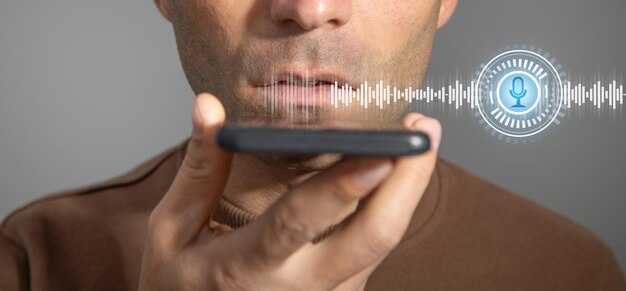
Σύσταση: Ξεκινήστε βαθμονομώντας τις προσωδικές καμπύλες με βάση λεπτά αναφοράς ήχου για να επιτύχετε φυσικό ρυθμό και έμφαση. Παρακολουθήστε την ταχύτητα, τη φρασεολογία, την τονικότητα και τις παύσεις σε επίπεδο τμήματος, φράσης και καθολικό. Σε ένα νευρωνικό πλαίσιο, ρυθμίστε το περίγραμμα του τόνου και την εναλλαγή μελωδίας μέχρις ότου η προεπιλεγμένη γραμμή βάσης ικανοποιεί την κατάσταση-στόχο, στη συνέχεια εφαρμόστε βελτιώσεις σε μια πλήρως επεξεργασμένη έκδοση. Αυτή η προσέγγιση ελαχιστοποιεί τη διασταυρούμενη αλληλεπίδραση μεταξύ των τμημάτων και διατηρεί μια συνεκτική ταυτότητα ομιλητή σε ηχητικά βιβλία και ροές εργασιών πλατφόρμας.
Για να διαμορφώσετε τη χροιά, προσαρμόστε την κλίση του φάσματος, την έμφαση στις φόρμες και τις προσαρμογές δυναμικού εύρους χρησιμοποιώντας νευρωνικά χειριστήρια. Ένα καθεστώς με επίκεντρο την αντίθεση παρέχει πιο φυσικό χρώμα και αποφεύγει απότομες αλλαγές που θα έσπαγαν την εμβύθιση. Διατηρήστε μια ισορροπημένη γραμμή βάσης σε όλα τα επίπεδα για να αποτρέψετε τη διασταυρούμενη αλληλεπίδραση και εφαρμόστε ένα πέρασμα καθαρισμού για υπολειμματικά τεχνουργήματα. Προσφέρει ισχυρό έλεγχο για τη δημιουργία πλατφόρμας και ελέγχους σε επίπεδο ιστότοπου.
Το συναισθηματικό εύρος απαιτεί την αντιστοίχιση καταστάσεων σκηνής σε ένα ελεγχόμενο φάσμα διέγερσης και συναισθηματικής αξίας. Ορίστε επίπεδα για έμφαση, τρυφερότητα, ένταση και επιτακτικότητα, διασφαλίζοντας ομαλές μεταβάσεις για την αποφυγή απότομων αλλαγών. Επαναληπτικές αναθεωρήσεις χρησιμοποιώντας λεπτά υλικού αναφοράς βοηθούν· τεκμηριώστε μετρήσεις όπως η μέση απόλυτη απόκλιση της μελωδίας από το σημείο αναφοράς. Μια γρήγορη υπόδειξη δοκιμής "lalalai" μπορεί να σηματοδοτήσει εάν η ζεστασιά και η ένταση ευθυγραμμίζονται με τις προσδοκίες· προσαρμόστε ανάλογα.
Οι ροές εργασιών πλατφόρμας διαχειρίζονται περιουσιακά στοιχεία διατηρώντας μια προεπιλεγμένη κατάσταση, ενώ προσφέρουν βελτιωμένα προφίλ. Χρησιμοποιήστε έναν λογαριασμό στο Perseus, τον ιστότοπο ηχητικών βιβλίων, και άλλες πλατφόρμες για σύγκριση με σημεία αναφοράς και λήψη σχολίων. Οι παρεχόμενες συμβουλές περιγράφουν ρουτίνες καθαρισμού, ελέγχους διασταυρούμενης αλληλεπίδρασης και μια επεκτάσιμη ροή εργασιών. Μια λίστα ελέγχου βασισμένη σε εικονίδια βοηθά τους χειριστές να διατηρούν τη συνέπεια της κατάστασης σε όλες τις πλατφόρμες.
Νομικά ζητήματα, ζητήματα συναίνεσης και αδειοδότησης για κλωνοποιημένες φωνές
Ξεκινήστε με ρητή, γραπτή συναίνεση από το άτομο του οποίου η φωνητική ταυτότητα θα αναπαρασταθεί, και προχωρήστε σε μια άδεια που ορίζει το πεδίο εφαρμογής, τα μέσα, τη γεωγραφική εμβέλεια, τη διάρκεια, τα δικαιώματα ανάκλησης και τα εκχωρημένα δικαιώματα. Διατηρήστε μια επαφή για συνεχιζόμενες άδειες και διευκρινίστε πώς μπορεί να χρησιμοποιηθεί το περιουσιακό στοιχείο στη συνέχεια, οπουδήποτε. Αυτή είναι μια εξαιρετική βάση για την υπεύθυνη ανάπτυξη.
Επιλογές μοντέλου: οι μη αποκλειστικές άδειες είναι κατάλληλες για έργα εκκίνησης· οι ρήτρες αλλαγής μπορούν να διαπραγματευτούν για κορυφαίες καμπάνιες. Καθορίστε πού μπορεί να εμφανίζεται η ηχητική έξοδος (διαφημίσεις, εφαρμογές, αυτοματοποίηση εξυπηρέτησης πελατών, εκπαιδευτικό περιεχόμενο) και αν επιτρέπονται πολυγλωσσικές επεκτάσεις. Χρησιμοποιήστε έναν διακόπτη για να ενεργοποιήσετε τις διευρυμένες χρήσεις, διατηρώντας τον έλεγχο.
Προστασία δεδομένων: λάβετε αρχεία συναίνεσης, ελαχιστοποιήστε τη συλλογή δεδομένων, αποθηκεύστε με ασφάλεια και διαγράψτε τα δεδομένα αμέσως όταν επέλθει ανάκληση. Περιορίστε την πρόσβαση, εφαρμόστε κρυπτογράφηση κατά την αποθήκευση και ελέγχετε τακτικά για να διασφαλίσετε τη συμμόρφωση με τους ισχύοντες νόμους. Οι ανοιχτές πολιτικές μπορούν επίσης να υποστηρίξουν την διευρυμένη συνεργασία.
Ροή εργασιών και διακυβέρνηση: αναθέστε έναν διαχειριστή δικαιωμάτων, διατηρήστε ένα αρχείο ελέγχου και κρατήστε ένα κιτ εκκίνησης με πρότυπα για συμφωνίες, ελέγχους πεδίου εφαρμογής και στοιχεία επικοινωνίας. Καθιερώστε διαδικασίες για ανάκληση και επαναδιαπραγμάτευση· αυτό μειώνει την εκκρεμή ασάφεια και τους βοηθά να διαχειρίζονται τις άδειες.
Κίνδυνος, επιβολή και πρακτικές συμβουλές: ορίστε τις εκκρεμείς δικαιώματα και τους περιορισμούς· καθορίστε ένδικα μέσα για κατάχρηση, συμπεριλαμβανομένης της λήξης και της αποκατάστασης. Προτιμήστε ανοιχτή αδειοδότηση όπου είναι δυνατόν για να υποστηρίξετε τη συνεργασία, αλλά επιβάλλετε όρια με εργαλεία όπως η υδατογράφηση και οι προστασίες από την ηχώ. Το πλεονέκτημα είναι η αυξημένη προβλεψιμότητα και οι διευρυμένες, επαυξημένες ροές εργασιών· εξαρτάται από τη δικαιοδοσία και το έργο. Αυτή η προσέγγιση επιτρέπει την ψηφιακή ευελιξία για ομάδες που επιδιώκουν πολυγλωσσικά, επαυξημένα προγράμματα. lalalai
Περιπτώσεις χρήσης, επιλογές ανάπτυξης και προϋπολογιστικές εκτιμήσεις σε έργα πολυμέσων
Ξεκινήστε με ελαφρά, οικονομικά πακέτα που περιλαμβάνουν βασικές λειτουργίες· ηχογραφήστε μια σύντομη σκηνή χρησιμοποιώντας δύο φωνές AI για να δοκιμάσετε τον τόνο, την έκφραση και τα ακουστικά σημάδια. Στη συνέχεια, οι αντιστοιχισμένοι προϋπολογισμοί μπορούν να κλιμακωθούν καθώς τα αποτελέσματα αποδεικνύονται χρήσιμα, μειώνοντας παράλληλα το κόστος ανά λεπτό όταν ελαχιστοποιείτε την αλληλοεπικάλυψη μεταξύ των σκηνών. Διατηρήστε την αρχική χροιά επιλέγοντας φωνές που ταιριάζουν στο δωμάτιο-στόχο ή τα εικονικά περιβάλλοντα. Κάντε τις να ταιριάζουν στο ανατεθειμένο στυλ σε όλα τα περιβάλλοντα, στη συνέχεια επανεκτιμήστε μετά από ένα μικρό επαναηχογράφηση.
Οι περιπτώσεις χρήσης καλύπτουν διαφημιστικά βίντεο στο youtube και το facebook, επεξηγηματικά βίντεο για προϊόντα, αφηγήσεις ντοκιμαντέρ, τρέιλερ παιχνιδιών και εκπαιδευτικές ενότητες. Κοινά μοτίβα περιλαμβάνουν ρυθμικά υποβάθρα χωρίς ντραμς για φωνητικές γραμμές και κιθάρες που υποστηρίζουν τη διάθεση· ηχογραφήστε πρώτα την κύρια μελωδία, στη συνέχεια προσθέστε αρμονικές ή αναδιατυπώστε τις γραμμές για να ταιριάζουν στη σκηνή. Εάν μια σκηνή χρειάζεται ταχύτητα, δώστε στις ομάδες μια παλέτα εκκίνησης 2-3 φωνών για να επιλέξουν.
Οι επιλογές ανάπτυξης περιλαμβάνουν τοπικούς κόμβους άκρου για την ιδιωτικότητα, ορχήστρωση βάσει cloud για ταχύτητα επανάληψης και υβριδικές ρυθμίσεις που συνδυάζουν και τα δύο. Τα εικονικά περιβάλλοντα επιτρέπουν σύγκριση τύπου στούντιο, ενώ οι επαυξημένες μέθοδοι συντομεύουν τους βρόχους επανάληψης: επανεισάγετε σκηνές, προσαρμόστε τον τόνο και αλλάξτε μεμονωμένες φωνές χωρίς να ηχογραφήσετε ξανά ολόκληρες ακολουθίες· επιλέξτε την καλύτερη εφαρμογή για κάθε έργο, στη συνέχεια αναθέστε έναν μόνο υπεύθυνο για την παρακολούθηση της αδειοδότησης και της χρήσης. Στις παρεχόμενες ροές εργασιών, μπορείτε να παρακολουθείτε μετρήσεις για να διασφαλίσετε συνεπή αποτελέσματα, να τις κάνετε συμβατές με τα αρχικά περιουσιακά στοιχεία και να διατηρείτε την κατάσταση σε όλη τη διάρκεια των καμπανιών για μελλοντική επαναχρησιμοποίηση.
Προϋπολογιστικές εκτιμήσεις: ξεκινήστε με ένα επαναλαμβανόμενο μοντέλο αδειοδότησης που παρέχει ελαφρές δυνατότητες, στη συνέχεια κλιμακώστε προς βελτιωμένα πακέτα εάν το έργο απαιτεί περισσότερες δυνατότητες. Λάβετε υπόψη ότι οι μη διαθέσιμες επιλογές μπορεί να σας αναγκάσουν να αφαιρέσετε λειτουργίες ή να αλλάξετε επίπεδα· εκτιμήστε το κόστος κατά λεπτά παραγωγής, αριθμό φωνών και τα περιβάλλοντα που χρησιμοποιούνται. Αξιολογήστε το κόστος ανά επεισόδιο, αποθήκευση και μεταφορά δεδομένων· σχεδιάστε για μακροπρόθεσμη συντήρηση ώστε να μπορείτε να διατηρείτε την κατάσταση σε όλη τη διάρκεια των καμπανιών και να επαναχρησιμοποιείτε περιουσιακά στοιχεία σε μελλοντικές σεζόν. Για καμπάνιες μέσων κοινωνικής δικτύωσης, το περιεχόμενο του youtube και οι σελίδες facebook συχνά απαιτούν μικρότερους χρονικούς περιορισμούς, οπότε διασφαλίστε ότι η επιλεγμένη προσέγγιση υποστηρίζει γρήγορες παραδόσεις, μειώνοντας τον κίνδυνο αλληλοεπικάλυψης μεταξύ των κυκλοφοριών.
Μπορεί η κλωνοποίηση φωνής AI να αντικαταστήσει τους ανθρώπινους ηθοποιούς φωνής; Κίνδυνοι, όρια και διακυβέρνηση
Σύσταση: Καθιερώστε ένα σταδιακό μοντέλο διακυβέρνησης που καθορίζει το πεδίο εφαρμογής, απαιτεί συναίνεση από τους ερμηνευτές και επιβάλλει αδειοδότηση πριν από οποιαδήποτε παραγωγή που χρησιμοποιεί δημιουργημένη ηχητική έξοδο. Διατηρήστε τους πρωταρχικούς ρόλους για πραγματικούς ερμηνευτές και διασφαλίστε διαφανή αποκάλυψη στους θεατές. Μια δίκαιη, αμειβόμενη δομή και σαφείς συμβάσεις ενισχύουν την εμπιστοσύνη και μειώνουν τις μεταγενέστερες διαφωνίες.
Οι κίνδυνοι περιλαμβάνουν παραπλάνηση, μη εξουσιοδοτημένες συνδέσεις με μάρκες και νομική έκθεση όταν παραβιάζονται οι όροι συναίνεσης ή αδειοδότησης. Ο προσδιορισμός του πού και πώς εμφανίζεται αυτή η έξοδος απαιτεί αυστηρούς ελέγχους πολιτικής, υδατογράφηση και ρητές ετικέτες για τη μείωση της ασάφειας για τους θεατές.
Τα όρια εξαρτώνται από την ποιότητα του δείγματος, τη συναισθηματική διαμόρφωση και τη γλωσσική κάλυψη. Τα πιο αξιόπιστα αποτελέσματα βασίζονται σε ποικίλα δείγματα που καλύπτουν διαθέσεις, προφορές και εύρη· η κανονικοποίηση της εισόδου βοηθά τον ακουστικό ρεαλισμό, αλλά δεν μπορεί να συλλάβει κάθε απόχρωση ή αυθόρμητη μελωδία. Όταν η επιθυμία είναι για φυσική μελωδία, οι μηχανικοί πρέπει να αποφεύγουν την υπερβολική προσαρμογή σε έναν μόνο ερμηνευτή· προχωρήστε μέσω ελεγχόμενων, συναινετικών πειραμάτων και σαφών ορίων χρήσης. Σε μουσικά πλαίσια, τα τμήματα χωρίς ντραμς μπορούν να παραχθούν ως υλικό δοκιμής, αλλά η αδειοδότηση και η συναίνεση παραμένουν μη διαπραγματεύσιμες.
Ένα πλαίσιο διακυβέρνησης θα πρέπει να ορίζει όρους αδειοδότησης, αποζημίωση, προέλευση και ένδικα μέσα. Τα μοντέλα τιμολόγησης, οι επιτρεπόμενες ποσότητες χρήσης επί πληρωμή και ο τρόπος παροχής δειγμάτων πρέπει να τεκμηριώνονται σε κάθε συμφωνία. Μια πολιτική που διατηρεί τα δικαιώματα δημιουργίας στο αρχικό ταλέντο όταν παρέχονται δείγματα βοηθά στη διαχείριση των προσδοκιών. Παρακάτω παρατίθενται κατευθυντήριες γραμμές προς εξέταση: απαιτείται έλεγχος σε επίπεδο πλατφόρμας, πορεία ελέγχου και επιβεβαίωση συναίνεσης· το supportlalalai μπορεί να χρησιμοποιηθεί ως σύμβολο αναφοράς για εργαλεία διεργασιών. Η σαφήνεια βελτιώνει την εμπιστοσύνη των θεατών και μειώνει τις διαφωνίες.
Στην πράξη, η απόφαση εναπόκειται στο επιχειρηματικό πλαίσιο και όχι σε μια μεμονωμένη μέτρηση. Μεταξύ εμπορικών σημάτων και κοινού, περισσότερη έμφαση στην ακεραιότητα και τη διαφάνεια βοηθά στον καθορισμό των επόμενων βημάτων. Για έργα μουσικής και μέσων, η ικανότητα τροποποίησης ρυθμού και χροιάς προσφέρει αξία, ωστόσο η τιμολόγηση πρέπει να αντικατοπτρίζει το εύρος και τη διανομή στην πλατφόρμα· ο διαμοιρασμός εσόδων μεταξύ των κατόχων δικαιωμάτων πρέπει να έχει προ-διαπραγματευτεί. Εάν διαχειριστεί κατάλληλα, αυτή η προσέγγιση μειώνει τον χρόνο ολοκλήρωσης, διατηρώντας παράλληλα την καλλιτεχνική ακεραιότητα και την εμπιστοσύνη του κοινού. Όταν έρχεται σε επαφή με τους ενδιαφερόμενους, ευθυγραμμίζεστε με τα επόμενα βήματα και τα μέτρα διακυβέρνησης.