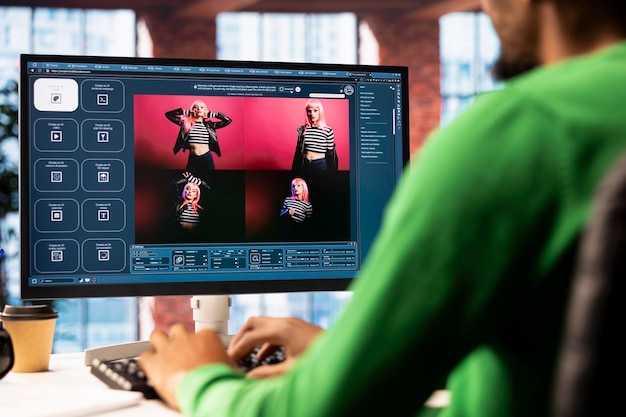
Beginnen Sie mit dem Testen eines 3-sekündigen, KI-generierten Hooks, der zur Hintergrundbotschaft passt und den Kernwert definiert. Dieses sofortige Signal hilft Ihnen, das Publikum anzusprechen und den Story-Bogen festzulegen. Als Entwickler können Sie In-Prompt-Befehle verwenden, um Tonfall, Tempo und visuelle Elemente anzupassen, und dann die Resonanz auf Facebook und anderen Plattformen für echtes Feedback messen.
Ein weiterer wichtiger Aspekt ist die Ausrichtung von Szenen auf eine prägnante Erzählung. Definieren Sie den Rahmen um eine einzelne Botschaft und passen Sie dann Überschriften und Bilder an verschiedene Hintergrundtexturen an, während Sie die Kernemotion beibehalten. Wenn Sie bereit sind, zu iterieren, können Sie A/B-Tests über kreative Variationen hinweg durchführen und sehen, welche Variante mehr Aufmerksamkeit erregt.
Um die Chancen auf Resonanz zu erhöhen, erstellen Sie ein Repository mit alternativen Versionen für jedes Asset. Fügen Sie einige Hintergründe, eine Handvoll Botschaften und mehrere Bilder hinzu, damit Sie verfolgen können, wie das Publikum reagiert. Halten Sie den letzten Frame einfach: eine klare Handlungsaufforderung (CTA), die zu Aktionen auf Facebook und anderen Netzwerken einlädt.
Definieren Sie frühzeitig klare Metriken Um die Wirkung zu bewerten, legen Sie eine Hintergrundmetrik für Engagement-Rate, durchschnittliche Wiedergabezeit und Shares fest. Analysieren Sie, was Kommentare ausgelöst hat. Behandeln Sie die Daten als Kompass; verlassen Sie sich niemals auf ein einzelnes Signal. Die letzte Erkenntnis ist, dass der Kontext wichtig ist – passen Sie den Inhalt an die Plattform an, auf der er veröffentlicht wird, insbesondere an Facebook, wo die Belohnungssignale unterschiedlich sind.
Innerhalb des Workflows hilft eine kleine, aber hartnäckige Gewohnheit von Entwicklern: Dokumentieren Sie, was funktioniert, was fehlschlägt und was in anderen Projekten wiederverwendet werden könnte. Der Hintergrund jedes Clips ist genauso wichtig wie die visuellen Elemente: Er trägt eine Botschaft, verbindet sich mit den Werten des Publikums und erhöht die Wahrscheinlichkeit, dass er gespeichert und geteilt wird. Bilder, die die Kernidee veranschaulichen, verstärken die Erinnerung und beeinflussen das Teilen in Feeds.
Überprüfen Sie Ihre vorhandenen Videos, um Verbesserungsmöglichkeiten mit KI-basierten Blaupausen zu identifizieren
Konkrete Empfehlung: Ziehen Sie Daten aus den letzten acht Wochen auf YouTube, trennen Sie Top-Performer nach Retention-Steigerung und ordnen Sie jedes Video drei KI-gesteuerten Verbesserungsoptionen zu, die zu seiner Hauptstimmung passen. Implementieren Sie dann drei Varianten pro Kandidaten-Video mit Filmora und messen Sie die Auswirkungen in der nächsten Woche.
- Baseline-Datenabruf
- Exportieren Sie die Metriken aus YouTube Studio für die letzten acht Wochen: durchschnittliche Wiedergabedauer, Retention-Kurve nach Sekunden, CTR, Likes, Shares, Kommentare und Speicherungsrate.
- Erstellen Sie eine Scorecard: Notieren Sie für jedes Video Abbrüche, stärkste Segmente und Momente, die die meisten Kommentare oder Shares erzielt haben.
- Identifizieren Sie 3–5 Kandidaten mit dem höchsten Potenzial für Verbesserungssteigerungen (selbst eine geringe Steigerung der Retention oder Shares summiert sich über viele Wochen).
- Verbesserungsoptionen pro Video
- Hook-Optimierung: Verkürzen Sie das Intro auf unter 5 Sekunden, liefern Sie klaren Mehrwert in der ersten Zeile, testen Sie drei Varianten mit unterschiedlichen Sounds und prägnantem Text auf dem Bildschirm.
- Audio und Sounds: Wenden Sie Rauschunterdrückung an, entzerren Sie die Stimme, fügen Sie subtile Hintergrundgeräusche hinzu, um die Stimmung zu verstärken; zielen Sie auf eine klarere, ansprechendere Klangsignatur für jedes Hauptthema ab.
- Visuelle Optimierung: Straffen Sie Schnitte, verbessern Sie die Farbkorrektur, um zur Hauptstimmung zu passen, und schneiden Sie Frames so zu, dass das Motiv im Mittelpunkt bleibt; streben Sie einen sauberen, kreativen Look an, der Platz für Text auf dem Bildschirm lässt, ohne zu überladen.
- Untertitel und Lokalisierung: Fügen Sie genaue Untertitel in Chinesisch und Russisch hinzu; stellen Sie sicher, dass das Timing der Sprache entspricht und die Lesbarkeit für die YouTube-Barrierefreiheit gegeben ist.
- Thumbnails und Titel: Generieren Sie 3 prägnante Thumbnail-Konzepte pro Video mit KI-inspirierten Blaupausen, um Kontrast, Gesichter und fette Schrift zu testen; gleichen Sie sie mit den Top-Shares der Woche ab.
- Struktur und Tempo: Fügen Sie schnelle Schnitte oder clevere Overlays ein, um tote Luft zu reduzieren; testen Sie 3 Varianten, die verschiedene Momente der Geschichte betonen, und vergleichen Sie dann die Auswirkungen auf die Wiedergabezeit.
- Varianten-Designplan
- Wählen Sie 3 Varianten für jedes Kandidaten-Video aus und konzentrieren Sie sich auf verschiedene Blickwinkel: Hook-zuerst, Problem-Lösung und Payoff-Endkarte.
- Verwenden Sie KI-gestützte Blaupausen, um Intros, Mid-Rolls und Outros zu erstellen; halten Sie die Kernbotschaft konsistent, während Sie Formulierungen und visuelle Elemente testen.
- Stellen Sie sicher, dass jede Variante greifbare Hinweise verwendet: prägnanter Text, passende Sounds und eine kohärente Stimmung über den Filmora-Workflow hinweg.
- Produktions-Workflow
- Nehmen Sie das Original-Asset in Filmora auf; wenden Sie die ausgewählten Blaupausen an; generieren Sie 2–3 Minuten zusätzliche, vom Editor erstellte Schnitte zum Testen.
- Automatisieren Sie Farbkorrektur und Audio-Wiederherstellung; exportieren Sie drei Varianten pro Video; fügen Sie mehrsprachige Untertitel als separate Spuren hinzu.
- Beschriften Sie Assets mit Übereinstimmungen zu den Hauptbotschaften, damit zukünftige Iterationen schnell die richtigen Assets abrufen können.
- Lokalisierung und Barrierefreiheit
- Veröffentlichen Sie eine Variante mit chinesischen Untertiteln und eine weitere mit russischen Untertiteln; passen Sie Wörter an gängige Suchbegriffe in mehreren Sprachen an.
- Inklusive Barrierefreiheit erhöht das Verkaufspotenzial und die Teilbarkeit; verfolgen Sie jegliche Zunahme der Wiedergabezeit bei mehrsprachigen Zielgruppen.
- Katalogisieren Sie Erfahrungen über Sprachen hinweg, um zu identifizieren, welches Sprachpaar das beste Engagement auf YouTube erzielt.
- Messung und Iteration
- Führen Sie die drei Varianten eine Woche lang aus; vergleichen Sie die Retention nach 5, 15 und 60 Sekunden, CTR und Shares.
- Zielen Sie auf inkrementelle Gewinne ab: +6–12 % bei der durchschnittlichen Wiedergabedauer, +2–5 % bei der CTR, +3–7 % bei den Shares; wenn eine Variante unterperformt, ziehen Sie sie zurück und verwenden Sie die erfolgreiche Blaupause für neue Inhalte wieder.
- Dokumentieren Sie, welche Verbesserungsmaßnahmen bei vielen Zielgruppen Anklang finden, damit Sie den gleichen Ansatz bei ähnlichen Themen wiederholen können (erstaunliche Ergebnisse skalieren mit der Zeit).
Tipps für schnelle Erfolge: Priorisieren Sie kürzere Intros, starken Text auf dem Bildschirm und ein prägnantes Outro mit einer einzigen, umsetzbaren CTA; setzen Sie auf ständige kleine Anpassungen statt auf grundlegende Änderungen; halten Sie die Erlebnisse konsistent mit der Hauptstimmung Ihres Kanals und den wöchentlich verfolgten Verkaufszielen.
Hinweise: Verwenden Sie Filmora für schnelle Iterationen, führen Sie ein Journal über die wichtigsten Momente während der Bearbeitung und teilen Sie Erkenntnisse mit dem Team, um den Erfolg auf mehrere Videos auszuweiten. Bauen Sie einen wiederholbaren Prozess auf, damit Ihre Verbesserungsoptionen Teil Ihres wöchentlichen Workflows werden und keine einmalige Anstrengung darstellen. Für mich und das Team liefert dieser Ansatz konsistente Gewinne über viele Videos hinweg und hilft Ihnen, kreativ zu bleiben und dann die Auswirkungen Woche für Woche zu messen.
Wählen Sie KI-Formate, die zu Ihrer Nische und Ihrem Videoformat passen
Wählen Sie zwei KI-Formate, die zu Ihrer Nische und Ihrem Hauptformat passen. Sperren Sie Assets: Avatare für Moderatoren auf dem Bildschirm, Stimmen, die auf Ihre Marke abgestimmt sind, und Szenen, die jeden Punkt veranschaulichen. Text-to-Video-Pipelines liefern die schnellste Bearbeitungszeit, Klarheit und einen konsistenten Stil. Behalten Sie eine einzige Positionierungsaussage für jedes Format bei, um Skript, visuelle Elemente und Tempo zu steuern. Verwenden Sie Analyse-Tools , um Abschlussraten zu vergleichen und Assets am schnellsten anzupassen.
Nischen-Archetypen und ideale Kombinationen
Gesundheit/Fitness: Kombinieren Sie einen 15–30s Erklärer mit 3–5 Szenen und einem 40–60s Demo-Clip. Technologie: Kombinieren Sie einen 45–90s Problem-Lösungs-Clip mit einem 20–40s Schnipp-Tipp-Clip. Beauty/Lifestyle: Verwenden Sie eine 20–40s Vorher/Nachher-Montage plus einen 30–50s sprachgesteuerten Walkthrough. Sammeln Sie Erkenntnisse aus Suchbegriffen und Reddit-Diskussionen, um herauszufinden, welche Hooks am stärksten aussahen, und richten Sie dann Skripte, Szenen und Avatare an diesen Winkeln aus. Verwenden Sie Avatare und Stimmen, die zum Tonfall jedes Formats passen, um die Erkennung und Professionalität zu verbessern.
Praktische Einrichtung und Optimierung
Wiederverwenden Sie Assets über Clips hinweg, um die Effizienz zu steigern; behalten Sie ein konsistentes Erscheinungsbild (Stil) bei und passen Sie das Tempo nach Format an. Aktivieren Sie Retargeting, um Zuschauer mit Folge-Clips zurückzugewinnen. Verfolgen Sie Metriken wie Abschlussrate und End-Watching; passen Sie Text, Untertitel und Szenenreihenfolge innerhalb von 24–48 Stunden an, um auf dem neuesten Stand zu bleiben. Für Vermarkter: Richten Sie den Ansatz an der Suchintention und der langfristigen Positionierung aus; dies hilft, wenn Sie feststecken, und verbessert die Ergebnisse. Experimentieren Sie auch mit spielerischen Hooks, um das Wiedererkennen und Engagement zu steigern.
Skripte umschreiben und Untertitel mit KI-Vorlagen generieren
Empfehlung: Schreiben Sie jedes Skript in drei Varianten um – Hook, Mittelteil und Abschluss –, um den Kernpunkt schnell hervorzuheben. Speisen Sie die Varianten in einen KI-gesteuerten Generator, um drei Untertitel-Sets zu erstellen, und testen Sie sie dann auf einem kurzen Reel auf Engagement und Post-Timing. Dieser Ansatz spart Zeit, verbessert die Genauigkeit und beschleunigt die Optimierung von Inhalten für YouTube, wo die ersten Sekunden die wahrscheinliche Retention und Klickrate bestimmen.
Verwenden Sie Voiceovers in 2-3 Varianten; jede hat einen eigenen Ton: klar, energisch und neutral. Pausieren Sie, um das Tempo zu überprüfen; passen Sie die Dauer des Voiceovers an die Bildschirmdauer an; stellen Sie sicher, dass die Worte mit dem gesprochenen Inhalt übereinstimmen und auf dem Bildschirm gut lesbar sind.
Skript-Umschreibungsansatz
Analysiere die Publikumsabsicht, extrahiere 1-2 konkrete Wertpunkte, formuliere den Nutzen in den ersten 4 Sekunden neu; führe drei Varianten durch; stelle Klarheit und einen einzigen Call-to-Action sicher. Diese Grundregel hilft Kunden und Mitgliedern, die Botschaften prägnant und handlungsorientiert zu halten. Vermeide Fachjargon, der das Ende verlangsamt und den Inhalt für den Zielmarkt auf Kurs hält.
Untertitel und Optimierung

Erstelle gut lesbare Untertitel für Mobilgeräte; halte die erste Zeile bei YouTube genau zwischen 100 und 140 Zeichen für die Hauptzeilen und sorge für gute Lesbarkeit auf dem Bildschirm. Teste drei Untertitel-Längen und wähle die am besten performende Version basierend auf Lesbarkeit und Engagement. Dieser intelligente Ansatz unterstützt eine intelligentere Optimierung und verbessert die Ergebnisse für Kunden, die Inhalte auf kleineren Bildschirmen konsumieren.
Prozessablauf: Ein klarer Grundplan reduziert das Risiko für Kunden und Mitgliederprofile; wenn die Endbearbeitung nicht in einem Durchgang abgeschlossen werden kann, führe einen zweiten Durchgang durch. Weise Finanzmittel zu, um drei Varianten zu testen; das Ergebnis ist eine gute Optimierung und schnellere Iteration, was die Wahrscheinlichkeit eines erfolgreichen Post-Zyklus erhöht und einen zuverlässigen Workflow für zukünftige Posts etabliert.
| Plattform | Ideale Länge | Strategie für Untertitel | Zu überwachende Metrik |
|---|---|---|---|
| Reels | 15-30s | Hook in 2s, 1 Vorteil, 1 CTA | CTR und Speicherungen |
| Shorts | 20-40s | 3 Untertitel-Varianten; auf dem Bildschirm angezeigte Wörter abstimmen | Verweildauer |
| Langform | 6-12min | Klare Kapitel in der Beschreibung; Tempo unterstützt die Fertigstellung | Durchschnittliche Wiedergabedauer |
Visuelles, Tempo und Branding durch KI-gesteuerte Bearbeitungen verfeinern
Beginne mit der Konfiguration eines 3-minütigen Setups: Gib im KI-Editor eine Markenpalette, Typografie und Logo-Platzierung an, wende dann automatisierte Bearbeitungen an, um Farbe, Kontrast und Bewegung über Tausende von Frames hinweg zu straffen und visuell konsistente Posts in Minuten zu liefern.
Einheitliches Branding über alle Formate hinweg
Die KI analysiert Tausende von Signalen, um Farbabgleich, Schriftstärken, Logo-Rahmung und Bewegungsstil zu harmonisieren. Erstelle eine einzige Regelgruppe, die der Editor für jeden Clip erzwingt, und stelle sicher, dass Posts, Stories, Karussells und Langform-Kapitel dieselbe Sprache sprechen. Diese Konsistenz erhöht die Verkaufsleistung; Untertitel stimmen mit Overlays überein und das Aussehen bleibt plattformübergreifend kohärent. Gib dem Team Ratschläge: Erläutere die Begründung für jede Entscheidung und pflege einen lebenden Styleguide. Ein Praktikant kann Farb-Token und Schriftstärken verwalten, während ein Vermarkter die endgültige Genehmigung überwacht. Die Tools ermöglichen es Ihnen, Zeit zu sparen, mehr Inhalte zu produzieren und Angebote für Produkte mit schnelleren Zyklen zu skalieren.
Geschwindigkeit, Tempo und Lokalisierung
Nutze KI, um das Tempo pro Format einzustellen: Spitzen unter 2 Sekunden für schnelle Feeds, Minuten für Langform, mit klaren Übergängen zwischen den Beats. Die schnellsten Bearbeitungen basieren auf Daten aus Tausenden von Posts, um Szenenlängen, Text-Overlays und Schärfepunkte vorzuschlagen. Für Bahasa-Märkte passe Overlays und Untertitel automatisch an; behalte lokale Relevanz bei, während die Markeneinheit erhalten bleibt. Stories, Posts und Anzeigen profitieren alle von einer konsistenten visuellen Sprache, und Manager können die Ergebnisse überwachen, um das Aussehen und Gefühl über Kampagnen hinweg zu verfeinern, wodurch mehr Zeit gespart und die Marke kohärent gehalten wird, wenn die Zielgruppen wachsen. Dieser Ansatz wurde in den letzten Kampagnen umgesetzt: Das Engagement stieg, die Konversation nahm zu und die Angebote konvertierten effizienter. Der Aufbau eines skalierbaren Playbooks hilft Teams, Kreativität mit Analysen in Einklang zu bringen und die Leistung über Tausende von Posts hinweg zu beschleunigen.
Teste Hooks, Thumbnails und Distribution, um anfängliche Traktion zu erzielen
Empfehlung: teste in den ersten Tagen drei Hook-Varianten: Neugier wecken, emotionalen Payoff liefern und einen praktischen Payoff (einschließlich eines kurzen romantischen Winkels). Halte die Eröffnung 2–3 Sekunden schnell, enthülle das Schlüsselobjekt sofort, dann zeige den Nutzen bis Sekunde 3–4. Beende mit einem klar formulierten Call-to-Action, wie z. B. „jetzt ansehen“ oder „hier zum Ergebnis“. Verwende ein Thumbnail, das den Payoff vorwegnimmt: Nahaufnahme des Objekts, fette Dreiwort-Texte, kontrastreiche Farben und ein menschliches Gesicht, wenn möglich. Dieses Setup erhöht die Wiedergabezeit und die Chance auf Shares. Miss zum Beispiel die Verweildauer von 1–3 Sekunden, und wenn Tag 1 einen Abfall unter 60 % zeigt, tausche Hooks und Thumbnails. Sobald du einen Gewinner hast, wiederverwende den Top-Clip für längere Schnitte und bezahlte Platzierungen in den folgenden Tagen.
Hook-Testrahmen
Harrop stellt fest, dass schnelles, iteratives Testen gewinnt. Dieser Ansatz erfordert eine enge Feedbackschleife: Erfasse, warum Zuschauer weiterschauen und wo sie abbrechen; nutze einen Prompt, um die Aufmerksamkeit zu lenken; füge innerhalb von 24 Stunden eine neue Outro-Variante hinzu; was danach geschah, zeigt, dass der beste Hook oft Neugier mit einer kleinen visuellen Überraschung kombiniert. Plane Monate des Testens, indem du die Ergebnisse Tag für Tag aufzeichnest, um ein zuverlässiges Muster zu erstellen.
Thumbnail und Distributionsplan
Thumbnails sollten in 2 Sekunden Aufmerksamkeit erregen: Zeige das Objekt im Bild, beschränke Text auf drei Wörter, wähle fette serifenlose Schriftarten und verwende kontrastreiche Farben. Füge bei Möglichkeit ein menschliches Gesicht und einen subtilen Markenhinweis hinzu, um die Erinnerung zu verbessern; stelle die Lesbarkeit auf 9:16-Vorschauen für Mobilgeräte sicher; füge ein kleines Abzeichen mit den Initialen des Payoffs hinzu. Distributionsplan: Heute während der Spitzenzeiten auf TikTok veröffentlichen; auf YouTube Shorts und Instagram Reels cross-posten; einen bezahlten Boost für 24–72 Stunden schalten, um die anfängliche Traktion zu starten; überwachen, wo Zuschauer abbrechen, besonders in den letzten Sekunden; Prompts verwenden, um Kommentare einzuladen; den Top-Clip in Teaser-Assets für bezahlte Platzierungen wiederverwenden; Ergebnisse über Tage und Monate verfolgen; Budgets anpassen, je nachdem, wo die Verweildauer am stärksten ist.