
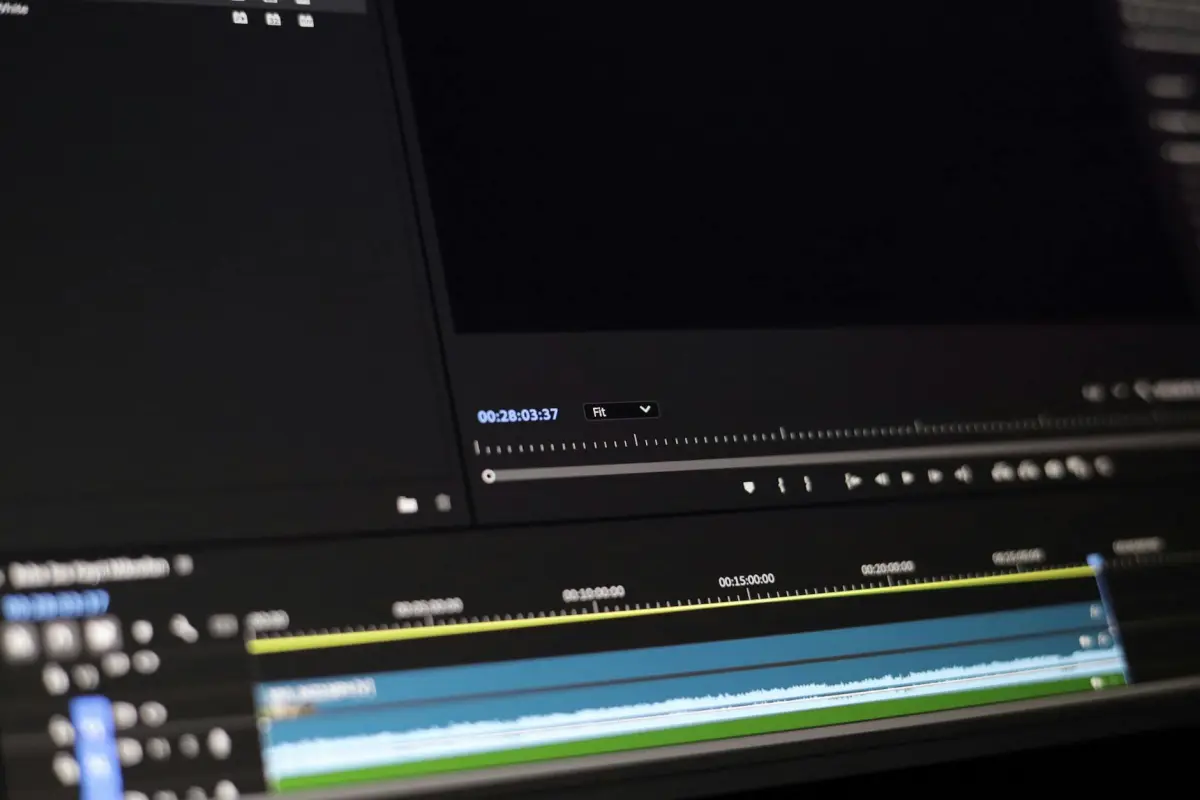

Empfehlung: Führen Sie hochmoderne, KI-gestützte Workflows ein, um die Geschwindigkeit zu erhöhen, manuelle Schritte zu reduzieren und mit zeitsparenden Bearbeitungen sofort konsistente Ergebnisse zu erzielen.
KI-gestützte Übersetzer vereinfachen die Lokalisierung für Marken und ermöglichen schnellere internationale Markteinführungen unter Beibehaltung des Tons. Übergänge zwischen Clips werden fließend, was die wahrgenommene Qualität erhöht. Ein klarer Projektumfang sowie ein Erfolgsmaßstab leiten Budget und Zeitplan.
In Content-Pipelines beschleunigt KI die Erstellung von Langformat-Erzählungen aus Briefings und verwandelt Rohfassungen in veröffentlichte, publikationsreife Schnitte. Editoren nutzen KI, um Dialoge, Sounddesign und Pacing zu optimieren, wodurch manuelle Arbeit reduziert und gleichzeitig die kreative Kontrolle gestärkt wird.
Für Teams erhöht die Einführung von Automatisierung die Fähigkeiten und hilft den Mitarbeitern, sich an schnelle Veränderungen anzupassen. Plattformen bieten Dashboards, die die Auswirkungen quantifizieren und es Marken ermöglichen, Verschiebungen über Kampagnen hinweg zu verfolgen und Ergebnisse zu messen. Gleichzeitig wird die Moral gesteigert, da die Workflows berechenbarer werden.
Governance in Bezug auf Datenschutz, Voreingenommenheit und kreative Autonomie; Leitplanken sorgen jedoch für eine verantwortungsvolle Nutzung. Wenn Teams sich an neue Muster anpassen, können sie einen Wettbewerbsvorteil wahren und gleichzeitig authentische Erzählungen bewahren, die beim Publikum Anklang finden. Das Ergebnis ist ein kohärentes, zeitsparendes Ökosystem, das Marken hilft, relevant zu bleiben, und veröffentlichte Inhalte, die in allen Märkten präsent sind.
Vorproduktion mit KI: schnelle Skriptideen, Entwürfe und Storyboard-Frames, die auf die Ziele des Kunden abgestimmt sind
Empfehlung: Beginnen Sie mit einem kompakten KI-gesteuerten Ideation-Sprint, der drei bis fünf veröffentlichte Skriptideen, einen Beat-by-Beat-Entwurf und ein Set von Storyboard-Frames liefert, die auf die Ziele des Kunden abgestimmt sind. Dieser Ansatz erhöht die Geschwindigkeit und hat die Planung in eine strukturierte, zugängliche Lösung verwandelt. Die Ergebnisse sind so konzipiert, dass sie direkt in verschiedenen Sprachen und Medienformaten verwendet und als Kernreferenz für das Team veröffentlicht werden können.
- Zielsetzung und Zielgruppen-Mapping: Erfassen Sie das primäre Ziel, identifizieren Sie die Zielgruppe und definieren Sie die Hauptfiguren. Verwenden Sie drei Tonoptionen (prägnant, emotional, autoritativ) und drei Sprachvarianten für die Lokalisierung. Exportieren Sie einen Bericht mit Entscheidungsflags und einer klaren Ausrichtung auf die Kundenbedürfnisse.
- Ideation-Ergebnisse: Erstellen Sie drei bis fünf Skriptideen mit Loglines, Tonhinweisen und Moment-by-Moment-Arcs. Fügen Sie Charaktere, potenzielle Sprecher für die Erzählung und visuelle Anker hinzu. Verwenden Sie Generatoren, um Variationen vorzuschlagen; kennzeichnen Sie jede Option als beste, wenn sie eindeutig zum Briefing passt. Fügen Sie Unsplash-Bildanker für Schlüsselszenen hinzu und stellen Sie sicher, dass Assets in mehreren Videos wiederverwendet werden können.
- Entwürfe: Liefern Sie einen Beat-by-Beat-Entwurf mit 8–12 Momenten, der jeden Beat den Kundenzielen zuordnet und die требуемые Media-Typen identifiziert. Fügen Sie Übergänge zwischen den Momenten und eine schnelle Rubrik hinzu, um Pacing, Emotionen und Klarheit zu vergleichen.
- Storyboard-Frames: Erzeugen Sie 5–8 Frames mit grundlegenden Kompositionshinweisen, Kameranweisungen und Platzhalter-Media-Links. Verwenden Sie Unsplash-Referenzen für Umgebungen; Kommentieren Sie Frames zur Barrierefreiheit (Kontrast, Lesbarkeit des Textes), um professionell aussehende Ergebnisse vor der Asset-Sammlung zu gewährleisten.
- Assets und Medienplan: Skizzieren Sie bevorzugte Medienquellen, Stockpools und Lizenzierungsüberlegungen. Fügen Sie Modellvorgaben für Farbpalette, Lichtrichtung und Aufnahmeart hinzu; Kennzeichnen Sie, wie diese Assets mit dem Bedarf an einheitlichem Branding in verschiedenen Sprachen und Formaten übereinstimmen.
- Lokalisierung und Barrierefreiheit: Planen Sie Untertitel und Skripte in mehreren Sprachen; definieren Sie KI-Stimmen und stellen Sie sicher, dass Transkripte, Untertitel und Sprachoptionen zugänglich sind. Liefern Sie ein veröffentlichtes Paket mit Untertiteldateien und einem Transkript, um die Verteilung zu vereinfachen.
- Überprüfung und Auswahl: Führen Sie einen Vergleich zwischen den Optionen anhand einer einfachen Rubrik durch (Auswirkungen, Kosten, Zeit). Der Bericht sollte die Gründe für den gewählten Weg aufzeigen, Momente hervorheben, die beim Publikum Anklang finden, und Iterationen direkt für die Stakeholder dokumentieren.
- Lieferung und Übergabe: Stellen Sie ein kompaktes Asset-Paket (Skripte, Entwürfe, Frames und Metadaten) bereit, das Teams in zukünftigen Kampagnen wiederverwenden können. Integrieren Sie es in den Content-Workflow des Kunden, um eine zugängliche Historie von Entscheidungen und Revisionen zu pflegen und den kontinuierlichen Bedarf an Ideenfindung zu unterstützen.
Zu den Vorteilen gehören schnellere Ideation-Zyklen, Konsistenz der Markenstimme und die Möglichkeit, schnell einen professionell aussehenden Ausgangspunkt zu veröffentlichen. Der Workflow ist über Sprachen hinweg skalierbar, ermöglicht eine effizientere Zusammenarbeit zwischen Teams und steigert den Wert von Medien-Assets über verschiedene Kampagnen hinweg. Für bedarfsgerechte Planung bietet dieser Ansatz auch einen starken Integrationspfad mit Reporting, das direkt die nächsten Schritte aufzeigt und die Stakeholder einbezieht.
KI-gestützte Bearbeitungs-Workflows: automatisiertes Schneiden, Farbabgleich, Audio-Bereinigung und Versionierung für kundenfertige Schnitte
Beginnend mit automatisiertem Schneiden und vereinfachtem Storytelling
Empfehlung: Beginnen Sie mit dem automatisierten Schneiden, um mühsame Bearbeitungsstunden zu reduzieren; KI scannt stundenlanges Filmmaterial, identifiziert die stärksten Takes und stellt automatisch einen Rohschnitt zusammen, der auf das Kundenbriefing und den Storyboarding-Plan abgestimmt ist. Dieser Ansatz trägt dazu bei, die Anzahl der Revisionen um 40-60 % zu reduzieren, Teams in die Lage zu versetzen, kundenfertige Schnitte für mehr Projekte zu liefern und die Wirkung von Kampagnen zu maximieren; er reduziert auch die Anzahl der manuellen Schritte. Das Fahren von Dokument-zu-Video-Pipelines, die Briefings zu Bearbeitungen zuordnen, stellt sicher, dass Meilensteine schneller veröffentlicht werden können, während Nick-Artefakte und Edge-Case-Fehler verhindert werden. Die Methode basiert auf Innovationen im Bereich des maschinellen Lernens, verbessert die Talent-Workstreams und ist kosteneffizient für die zukünftige Lebensdauer von Assets. Sie erhöht die Fähigkeiten in Teams und Marketing-Workflows und stellt sicher, dass die Arbeit reibungslos voranschreitet und die Bedürfnisse erfüllt werden. Ergebnisse aus Pilotprojekten zeigen den Bedarf an integrierten Systemen in Teams und demonstrieren erhebliche Zeitersparnisse und reibungslosere Übergaben, wobei die erstellten Assets für die Veröffentlichung in Kampagnen bereit sind.
Farbe, Audio-Bereinigung und Multi-Variant-Versionierung für kundenfertige Narrative
Der Farbabgleich gleicht Frames szenenübergreifend an, um mit minimalem manuellem Eingriff ein möglichst stimmiges Aussehen zu erzielen und die Konsistenz über Bearbeitungen hinweg zu stärken; er integriert sich in bestehende Pipelines, reduziert Nachbearbeitungen und beschleunigt Freigaben. Die Audio-Bereinigung verwendet Denoise, De-Essing, Pegelabgleiche und Leckageentfernung, um einen saubereren Klang zu erzeugen, manuelle Bearbeitungen um 60-75 % zu reduzieren und bewährte Verbesserungen der Klarheit auf allen Plattformen zu erzielen. Versionierungs-Engines erstellen automatisch mehrere Formate (16:9, 9:16, 1:1), Untertitel und mehrsprachige Varianten, wodurch die Reichweite für Kampagnen und Marketingmaßnahmen erhöht wird. Die Integration unterstützt einen Dokument-zu-Video-Narrativ-Workflow und ermöglicht die Generierung veröffentlichter Schnitte für jeden Kanal, wodurch schnellere Marketing-Übergaben und geringere Kosten pro Asset gewährleistet werden. Dieser Ansatz stärkt den Asset-Lebenszykluswert, die erstellten Narrative und gibt Teams die zuverlässigsten Daten für Kundenfreigaben.
Synthetische Stimmen, Untertitel und mehrsprachige Lokalisierung: Steigerung der Barrierefreiheit und Reichweite

Nutzen Sie einen skalierbaren Dokument-zu-Video-Workflow, der modernste Voiceovers, genaue Untertitel und eine starke Lokalisierung verwendet, um Barrierefreiheit und Reichweite zu maximieren. Dieser Ansatz verbessert die Kommunikation mit verschiedenen Zielgruppen, liefert messbare Ergebnisse und kann die Barrierefreiheit in allen Märkten verbessern und gleichzeitig die Bearbeitungszeiten verkürzen.
Führen Sie drei bis fünf Voice-Presets pro Sprache ein, die auf die Markenpersönlichkeit abgestimmt sind, einschließlich einer neutralen Option für generische Inhalte. Kombinieren Sie Untertitel mit präzisem Timing und stellen Sie sicher, dass Beleuchtung und Layout die Lesbarkeit optimieren. Diese Einrichtung reduziert die Diskrepanz zwischen Audio und Text, fördert das Engagement und bietet ein Gleichgewicht zwischen Geschwindigkeit und Genauigkeit mit weniger manueller Bearbeitung. Eine Reduzierung der Nachbearbeitungszeit ist über Titel und Lokalisierungsspuren messbar, und die Pipeline bleibt skalierbar für mehrere Märkte. Die Pipeline, die konsistente Ergebnisse in allen Sprachen bietet, reduziert das Risiko und gewährleistet ein schnelleres Onboarding.
Lokalisierung geht über die Sprache hinaus: Passen Sie Datumsformate, kulturelle Hinweise und Fachbegriffe an; diese Anpassungen verbessern die Relevanz und reduzieren Reibungsverluste, was die Akzeptanz in allen Anwendungen erhöht. Im Vergleich zur reinen Übersetzung erreichen diese Maßnahmen eine höhere Lokalisierungseffektivität als zuvor. Der Ansatz verbessert die Barrierefreiheit und das Vertrauen in allen Märkten.
Um den Fortschritt zu überwachen, verfolgt ein vierteljährlicher Bericht Zugänglichkeitskennzahlen, die Genauigkeit der Untertitel und den Erfolg der Lokalisierung mit Zielen wie der Verbesserung der Abschlussraten und der Senkung der Lokalisierungskosten. Diese Fortschritte geben Marken einen klareren Weg zu einer größeren Reichweite und einer stärkeren Kommunikation mit verschiedenen Zielgruppen.
Implementierung und Messung
Zu den nächsten Schritten gehören die Einrichtung einer einzigen Quelle der Wahrheit für Begriffe, eines Dokument-zu-Video-Styleguides und einer QA-Checkliste, die Untertitel anhand von Audio in allen Gebietsschemas testet. Verwenden Sie die Berichtsausgaben, um Voice-Presets, Untertitelregeln und Lokalisierungspipelines zu verfeinern und die Ergebnisse in einem Dashboard zu verfolgen. Diese Maßnahmen sind skalierbar und tragen dazu bei, für Marken eine breitere Reichweite in allen Märkten zu demonstrieren.
Brand safety and compliance checks: AI flags content and aligns with coaching standards
Implement a centralized real-time screening routine across all assets and tracks, automating compliance checks and eliminating manual review bottlenecks. Adopt a unified platform that supports automating flagging and provides a clear table of risk categories, enabling fast remediation. Apply a strategy rooted in coaching standards to ensure consistency across teams. Real-time insights enable actions that improves trust with audiences. This platform improves safety posture. Real-time alerts help you turn findings into action.
Flag categories cover misinformation, harassment, hate content, sexual content, and unsafe instructions, with thresholds per role. This integration across applications tracks whats acceptable, what is not, and what needs escalation. In real-time processing, the system discriminates noise from signals and flags weak copywriting, scripts, or images that breach guidelines. It supports adjusting needs and standards to align with teachers coaching guidelines. Automation enables editors to be able to tune rules quickly to local policies.
Operational guidance: automated flags trigger a workflow: auto-flag, manual review if score threshold is reached, and assignment to editors for remediation. All outcomes feed back to the system via a table to improve accuracy and reduce tedious cycles. The integration across the platform ensures smooth adoption by teams, from creators to compliance leads. youve built a process that levitate confidence in outputs.
Metrics and governance: track flag precision, remediation time, and rate of overreach; avoid unnecessary edits. Governance provides a living policy table: whats allowed, whats restricted, and what requires escalation. Advanced innovations let teams tune detection and shrink tedious editing loops. The need for ongoing refinements is clear; use feedback from teachers and editors to adjust thresholds. With automated reporting, teams can quantify impact and levitate training quality.
Impact measurement and client reporting: dashboards for time savings, quality, and value delivered

Recommendation: launch a single executive dashboard that consolidates data from project-management, asset creation, editing queues, QA, and client feedback; automating daily updates so stakeholders see results without manual effort. Target time savings of 20–30% per project within 12 weeks and reductions in revisions and rework. This approach is easy to scale across campaigns and ensures impact is consistently visible to partners and presenters.
Data sources include: project-management logs, asset library with stock imagery and media, licensing data, hiring costs, and client feedback forms. Dashboards should show where time is saved and where quality improves: trends in revisions per asset, average editing time, storyboarding steps completed, and QA pass rates. Use visuals and images to highlight gains, and link each metric to a business outcome such as faster go-lives or higher client satisfaction.
Design guidelines: prefer visuals over dense tables; use trend lines, heat maps, and simple stacked bars to communicate progress. Track thousands of assets and the characters involved in scripts to gauge narrative complexity and workload. The impact panel highlights how creation workflows accelerate output while maintaining consistency across brands. Incorporate easy-to-understand visuals that tell a story at a glance for every presenter and client.
Reporting cadence for clients: weekly snapshots that show time savings, quality improvements, and cost impact; monthly executive summaries with a one-page narrative for presenters; include a free template that can be shared with partners. Whether presenting to executives or creative leads, the dashboard should communicate priorities in a few visuals and a concise narrative. youve consistently seen faster buy-in.
Automation and governance: set up automatic data feeds (APIs and flat files) and a data dictionary; ensure data quality and privacy; establish role-based access so thousands of stakeholders see relevant slices; this supports a smooth flow from drafting to publication.
Implementation plan: Step 1 define value KPIs; Step 2 map data sources; Step 3 build baseline dashboards; Step 4 test with a pilot; Step 5 roll out; Step 6 optimize. Start with a pilot per program to learn what matters most to clients and to avoid overload.
Future-ready strategy: dashboards adapt to changing needs and balance speed with quality, scaling with more assets; use stock media, licensed images, and thousands of variants to reflect different channels. This approach links reductions in time and editing to future value and ROI, showing impact for both internal teams and clients.




