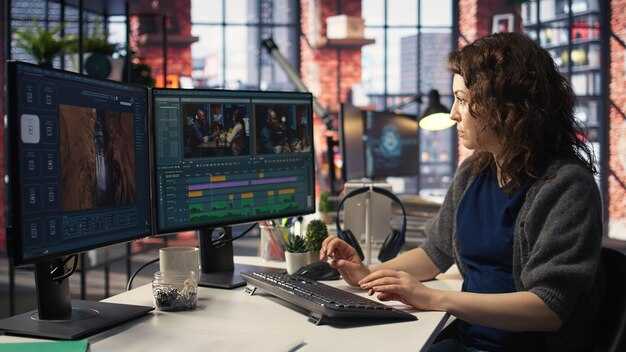
Doporučení: Implementujte modulární, AI asistovaný řetězec nástrojů, který se připojí k vašemu editoru a knihovně aktiv. Automatizuje opakující se úpravy, generuje téměř okamžité náhledy a sladí aktiva s cíli zadání. Zaměřte se na tři hmatatelné přínosy: rychlejší hrubé sestřihy, snadnější titulkování a metadata a konzistentnější barevná rozhodnutí napříč záběry. Jakmile jste tuto iniciativu zahájili, příležitosti na všech platformách neustále rostou a cesta ke škálování je ve středu plánování.
Data o dopadu: V současných pracovních postupech týmy hlásí 40-60% snížení manuálních úprav a 1,5-2x rychlejší náhledy při aktivaci AI nápověd a automatického ladění. Automatické titulkování, redukce šumu a porovnání záběrů zrychlují průchodnost při zachování kvality. Tento posun umožňuje editorům rychle přejít od hrubého sestřihu k vyleštěným renderům bez obětování přesnosti.
Technické zázemí: Na straně backendu mohou služby řízené technologií nestjs orchestrovat příjem aktiv, práva a metadata napříč platformami, udržovat týmy sladěné a pracovní postupy inteligentně koordinované. Skromný start pomáhá zkušeným inženýrům objevit škálovatelné vzory, poté se rozšířit na širší publikum; to udržuje dveře otevřené novým nástrojům a dláždí cestu k širšímu přijetí.
Fáze implementace: Fáze 1 se zaměřuje na inventuru aktiv, tagování a výkonnostní benchmarky. Fáze 2 automatizuje úpravy, hrubé sestřihy a sestavování pomocí AI návrhů. Fáze 3 zavádí proces QA a tvůrčího přezkumu s lidským dohledem k ochraně narativního hlasu. Definujte klíčové ukazatele výkonnosti (KPI) pro průchodnost, zachování stylu a dopad na publikum, a poté začněte s malou sadou projektů před širokým rozšířením, abyste i nadále dodávali hodnotu.
Výhled pro týmy: Na špici pracovních postupů pro video obsah mohou studia a značky využívat příležitosti k oslovení širšího publika prostřednictvím adaptabilních šablon, cloudových pipeline a kolaborativních nástrojů. Pokud vaše týmy začaly s malým pilotním projektem, sdílejte výsledky na linkedin a vyzvěte k zpětné vazbě; nabídněte ke stažení sadu startovacích aktiv a osvědčených postupů k zrychlení úprav. Tento přístup vám umožní objevit optimalizační vzory, udržet rychlé tempo a šířit výhody stále šířeji napříč platformami a odděleními.
Praktický AI řízený produkční proces pro tvorbu videa
Přijměte modulární frontu, která automaticky shromažďuje zdroje, přiřazuje úkoly a posouvá videa přes jednotlivé fáze. Nastavte automatizační prahové hodnoty pro posouvání položek vpřed, jakmile projdou kontrolou kvality, čímž se minimalizuje předávání úkolů.
Tento přístup využívá inteligentní moduly k analýze vizuálů, scénářů a soundtracků, což vede k hmatatelným aktivům a sdíleným, pro platformu připraveným reportům.
Pracovní postup řízený frontou snižuje čekací dobu, zvyšuje efektivitu a pomáhá v konkurenci rychlejším dodáváním prvních návrhů.
Širší síť studií připojuje rozmanité vstupy; dříve použitá aktiva mohou být znovu použita, čímž se nahrazují zdlouhavé cykly bezprecedentní rychlostí.
Návrhy motivují tvůrce: jednoduchá možnost vyměnit soundtrack, upravit osvětlení nebo přeformátovat scénu bez nutnosti opakovat celý záběr.
Report prostřednictvím dashboardů zobrazuje hmatatelné metriky: míru zhlédnutí, čas do publikování a opětovné použití aktiv napříč různými žánry.
Podívejte se do budoucna: širší distribuce na špici, umožňující tvůrcům konkurovat větším hráčům na platformách.
Převratné využití automatizace formuje šablony, které mohou nahradit zakázkové pracovní postupy a podporovat výstupy napříč studii.
V praxi zůstává v souladu s agilní frontou, podporuje různé formáty, titulky a hodnocení pro sdílení napříč kanály.
Tato cesta je na špici oboru, zvyšuje efektivitu a dosah.
AI asistované psaní scénářů: Od zadání k finálnímu dialogu
Začněte s ostrým zadáním, sladěním publika, tónu a cíle; zadejte parametry do automatického, AI asistovaného writeru, který vygeneruje prvotní návrh dialogu.
Přijměte modulární pracovní postup: rytmus založený na křivce, podněty k modulům a minmax ochrana, která vyvažuje novost proti riziku.
Do podnětů musí být zapracovány etické pojistky: omezit škodlivá témata, zajistit zastoupení a poskytnout jasné uvedení autora, pokud se na tvorbě podílí AI.
Strategicky kombinujte výstupy AI s lidskými úpravami; tyto úpravy odlišují kampaně prostřednictvím hlasu, rytmu a kulturního kontextu.
Požadavky od marketingových týmů: řídit očekávání, zachovat značkový hlas, dodržovat regulační limity a zajistit, aby finální dialog byl přístupný na všech zařízeních; začněte s jednostránkovým zadáním, generujte možnosti, poté kurátujte.
Měřte dopad konkrétními metrikami: výrazně vyšší zapojení, delší doba sledování, zvýšený podíl hlasu a zlepšené konverzní poměry pro kampaně.
Přístupnost a infrastruktura: zpřístupněte enginy rostoucím týmům; edge doručování Cloudflare zrychluje iterace a udržuje aktiva synchronizovaná.
Řízení životního cyklu a investice: začněte s malými pilotními projekty, zaznamenávejte zpětnou vazbu, poté škálujte; udržujte seznam změn a knihovnu modulů pro zrychlení počátečních projektů.
Kybernetická bezpečnost a rizika: implementujte automatické kontroly, omezení rychlosti a maskování citlivých dat, abyste týmům pomohli vyhnout se únikům; uveďte jasná prohlášení o zásadách ve finálních skriptech.
Přinášení AI do psaní scénářů roste; pomáhá podnikům získat konkurenční výhodu v kampaních a zároveň zůstat etickými a zodpovědnými.
Automatizované storyboardy: Přeměna konceptů na seznamy záběrů
Začněte se základním 5sekundovým storyboardem namapovaným na klíčové koncepty; propojte s Veed šablonami pro připravené seznamy záběrů, které umožňují aktualizace v reálném čase.
Fáze 1: extrakce konceptů z briefů; Fáze 2: automatizace rozložení pomocí nejčastěji používaných algoritmů; Fáze 3: oddělení bloků záběrů s titulky, rozhovory a B-rollem; Fáze 4: export připravených seznamů záběrů s pokyny pro tempo.
Použijte živé plátno k udržení souladu s cíli fáze; zpětná vazba od editorů v reálném čase zlepšuje pohyby, úhly kamery a vyvážení osvětlení. Dostupné napříč odděleními, zvyšuje schopnosti.
Použijte algoritmy k udržení souladu s tržními realitami: oddělte segmenty, poznejte tržní poptávku, škálujte pracovní postupy, poskytněte základ pro obsahové pipeline.
Výsledná aktiva umožňují podnikům rychleji postupovat: připravené seznamy záběrů, sladěné napříč formáty, synchronizované titulky, zachycené rozhovory, namapované pohyby. Poskytuje rovnováhu mezi rychlostí a hloubkou při zachování kvality; optimalizace časových plánů dále podporuje škálování a snižování nutnosti opakovat záběry, což pomáhá podnikům dosáhnout stále rychlejších iterací.
Generativní tvorba aktiv: Rychlé vizuály, textury a pozadí
Vybudujte knihovnu krátkých, vysoce kvalitních textur a pozadí, které odpovídají pokynům pro nastavení napříč scénami. Použijte generátory k vytváření variant vzhledu, což umožňuje rychlé testování narativů. Tato aktiva by měla zachovávat transparentnost ohledně zdrojových dat a licencí, čímž pomáhá týmům sledovat původ během postprodukce.
Navázte nepřetržitou smyčku zpětné vazby: definujte směry, generujte krátké varianty, experimentujte se změnami vzhledu, vyhodnoťte vzhled a ukládejte metadata pro sdílení znalostí a opětovné použití. Inženýrské kontroly upřednostňují nedestruktivní úpravy, což umožňuje rychlé iterace napříč scénami. Zajišťují konzistenci napříč aktivy.
Udržujte znalostní bázi propojující textury s nastavením, osvětlením a poznámkami k materiálům; sdílení poznatků urychluje budoucí práci. Výstupy nabízejí pozoruhodně konzistentní vzhled v každé scéně, aby odpovídaly narativům a nastavení, a zároveň zůstávají syntetické. Testy na realitu potvrzují důvěryhodnost a řídí následná vylepšení.
AI řízené úpravy: Automatické střihy, přechody a tempo scén
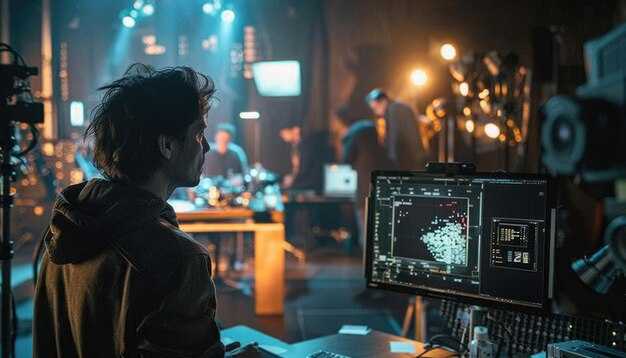
Použijte škálovatelný, dávkově řízený pracovní postup: povolte automatické střihy na základě pohybových podnětů, udržujte délku střihu 2–3 sekundy pro dialog, 0,8–1,5 sekundy pro B-roll a aplikujte jemné cross-dissolve přechody pro plynulejší přechody. To přináší spolehlivé výsledky napříč více klipy produkovanými uživateli a týmy.
- správa zdrojů: shromažďování materiálu ze zdrojů; označování podle typu, zamýšlené nálady a hudebních podnětů; vytváření dávek obsahujících obrázky, krátká videa a filmy pro aktuální projekt.
- Strategie automatického střihu: generativní engine skenuje klipy na pohyb, gesta a zvukové špičky, produkuje návrhy střihu; výchozí délky: 2–3 sekundy pro dialog, 0,6–1,5 sekundy pro B-roll; dávkové zpracování 5–15 klipů v jednom běhu.
- Přechody a tempo: výběr z crossfade, slide, morph; zajištění zamýšleného tempa, omezení přechodů na kompaktní rozsah; vyhýbání se prudkým změnám, které narušují pohlcení; to je výhoda pro zapojení a udržení publika, se střihy, které působí přirozeně.
- Změna velikosti a rozvržení: automatické přizpůsobení poměrům stran používaným napříč formáty (obrázky, krátká videa, filmy); zachování bezpečných okrajů; umožnění manuálního doladění asistentem pro udržení konzistence; kontrola velikosti úložiště.
- Organizace aktiv: ukládání vyprodukovaných střihů s metadaty; zahrnutí informací o životním cyklu, názvu projektu a ID dávky; umožnění rychlého návratu nebo opětovného střihu, pokud se zdrojové záběry aktualizují.
- Metriky kvality: sledování úspěchu podle shody s storyboardem, zapojení u krátkých videí a udržení doby sledování; použití těchto čísel k doladění zamýšlených pravidel; to je měřitelné vylepšení pro další dávku.
- Praktický pracovní postup: udržování stručných pokynů pro editory; použití asistenta k aplikaci výchozích šablon; to snižuje námahu a zrychluje spolupráci mezi uživateli napříč více projekty; užitečné pro agentury a týmy pracující s omezeným personálem.
Tento přístup přináší škálovatelné vylepšení napříč celým životním cyklem, používá širokou škálu aktiv a hudby k produkci obsahu, který odpovídá zamýšleným preferencím publika. Úložiště zůstává v rámci limitů a slouží jako užitečný zdroj pro budoucí projekty, s spolehlivým potrubím pro krátká videa, obrázky a filmy.
Vylepšení zvuku a syntéza hlasu: Čistý dialog a realistické zvukové krajiny
Začínáme s adaptivním potlačením šumu, spektrálním tvarováním a automatizovaným čištěním dialogů napříč scénami, což přináší efektivitu, minimalizuje klikání a zrychluje pracovní postupy.
Syntéza hlasu poháněná umělou inteligencí dokáže generovat čisté varianty dialogů a nahrazovat problematické řádky syntetickými alternativami, čímž rozšiřuje výchozí body pro globální vyprávění.
Jednotná potrubí a transparentnost napříč celosvětovými spolupracovníky pomáhají sladit výstupy a sledovat postup.
Navíc fúze skutečných nahrávek se syntetickými texturami vytváří bohatší zvukové krajiny.
Otevření nových možností pro lokalizaci se stává proveditelným prostřednictvím modulárních hlasů. Týmy začínají od modulárních aktiv a rychle iterují.
Je pozoruhodné, že tento přístup podporuje vyprávění napříč příběhy po celém světě s transparentními výstupy a konzistentním tónem dialogů. Popište možnosti adaptace a škálování.
| Technika | Přínos | Tip pro implementaci |
|---|---|---|
| Adaptivní potlačení šumu | Čistší dialog s redukovaným okolním hlukem | Aplikujte na stopu; upravte prahovou hodnotu podle kontextu |
| Syntéza hlasu poháněná umělou inteligencí | Konzistentní tón; snadná náhrada řádků | Udržujte hlasové profily; sledujte artefakty |
| Generování ambientních textur | Realistické zvukové krajiny kombinující reálné a syntetické vrstvy | Kombinujte vrstvy; nastavte úrovně pomocí měřičů hlasitosti |
| Normalizace dialogů | Jednotná hlasitost napříč scénami | Cilte na LUFS; ověřte pomocí měřičů |
| Transparentní výstupy | Jasné přiřazení pro generované části | Označte výstupy; udržujte auditní stopu |