
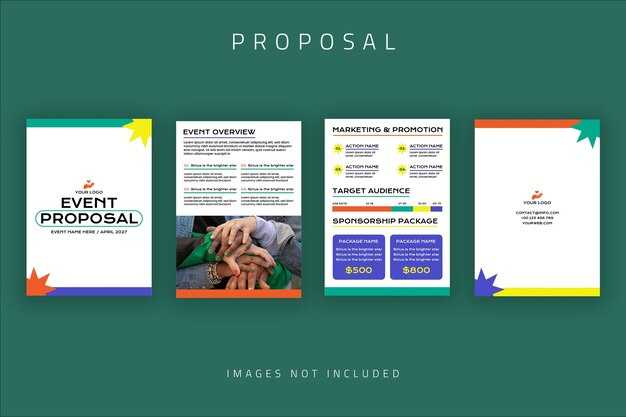
Začněte jedno-stránkovým shrnutím, které objasňuje vaše cíle, publikum a metriky úspěchu. Tato stránka se stane vaší oporou, kterou můžete přizpůsobovat za pochodu, a bude sloužit jako kotva pro inspiraci vašeho týmu v rámci vašich vlastních standardů, přičemž bude řídit každý krok od průzkumu po realizaci.
Části k zahrnutí: publikum, primární cíle, omezení, klíčová sdělení, podklady, časování a schvalování. Pro každou sekci definujte tón a odkazujte na podklady; zahrňte podrobné specifikace pro formáty, kanály, CTA (výzvy k akci) v prostém jazyce a množství potřebného kontextu. Tato jasnost je skvělá pro značky i ostatní a pomáhá předcházet nedorozuměním.
Zde je praktický postup: začněte obecnými standardy, poté vyplňte kroky a nakonec uzamkněte taktické podklady. Budujte systémový přístup zavedením kontrol, schvalování, verzování a odsouhlasení pro udržení konzistence napříč kanály. Tento přístup udržuje týmy sladěné v rámci termínů a zajišťuje kvalitu před zveřejněním podkladů.
Namísto vágních formulací specifikujte měřitelné výsledky, signály úspěchu a kritéria schválení. Při začleňování zpětné vazby od zúčastněných stran sledujte změny a udržujte hlavní verzi. To pomáhá zajistit, že všichni jsou na stejné vlně, a snižuje zbytečné cykly při rozhodování.
Pro posílení akce umístěte jasné CTA na relevantní kontaktní body. Použijte skvělou strukturu: stručné prohlášení o problému, konkrétní akce a bezprostřední další krok. Zde můžete znovu použít stejné jádro, přizpůsobovat části pro značky i ostatní napříč digitálními kanály, zachovat standardy a zvýšit míru jasnosti a rychlosti.
Akční rámec pro kreativní briefy
Začněte jedním cílovým prohlášením, které zahrnuje publikum, požadovanou akci a měřitelné výsledky. Zahrňte KPI, jako je CTR, míra zapojení a nárůst konverzí, a stanovte jasný termín. To udržuje tým soustředěný a snižuje neřízené rozšiřování rozsahu práce při zpracování sady podkladů. Tento cíl je vytvořen tak, aby odrážel budoucí dopad.
Dodržujte pevnou strukturu: identifikujte specifické cílové publikum, tón a mantinely značky a klíčové sdělení. Brief se řídí těmito body, aby byla zajištěna konzistence napříč typy obsahu a kanály.
Identifikujte části publika: primární, sekundární a mikro publikum. Popište demografii, potřeby, problémy a požadované výsledky týkající se jejich motivace. To pomáhá vytvářet jedinečná sdělení pro každý typ a každou část sady příspěvků pro ně.
Definujte rozsah obsahu: specifikujte část kampaně, kterou každý podklad pokrývá, velikost sady, formáty a typy příspěvků. Pro každý typ podkladu zajistěte soulad s potřebami kanálu a očekáváním publika. Uveďte výstupy, jako jsou videa, statické příspěvky, příběhy a textové bloky. Zajistěte, aby každý podklad zůstal pro publikum poutavý. Tento přístup je prospěšný pro plánování výroby a zkracuje cykly revizí.
Dokumentujte omezení značky a tón: specifikujte hlas, slovník, gramatická pravidla a případné povinné prvky. Zajistěte přístupnost a čitelnost; přesto udržujte konzistentní tón napříč kanály. Tato konzistence zajišťuje, že každý příspěvek nese stejnou identitu.
Pracovní postup a systémy: osvojte si jednoduchý systém pro ukládání, verzování a schvalování s jasným pojmenováním a sdíleným úložištěm. Vytvořte kontrolní seznam, kterým se týmy mohou řídit, čímž se proces zjednoduší a zajistí se kvalita. Zahrňte plánování dávek, schvalování příspěvků a kroky publikování. Pracovní proces by měl být škálovatelný a odolný vůči budoucnosti.
Přehledová kadence a FAQ: vložte krátký přehled po spuštění: co se udělalo, co se naučilo, jaké změny se implementují příště. Zahrňte sadu FAQ, které odpovídají na běžné otázky týkající se publika, tónu, časových os a schvalování. To šetří čas a udržuje zúčastněné strany synchronizované a často aktualizované.
Metriky a iterace: definujte, jak měřit dopad a kdy se k briefu vrátit. Zahrňte nápady na testování, jako jsou A/B testy a recenze výkonu příspěvků. Tento rámec udržuje tým soustředěný a snadno ho lze přizpůsobit pro budoucí kampaně.
Definujte rozsah projektu a cíle pomocí konkrétních otázek

Začít stručným prohlášením o rozsahu slouží jako výchozí bod projektu, objasňující problém, publikum a kritéria úspěchu. Vložte jej do prvního návrhu a sdílejte jej s klientem k uzamčení shody, poté jej použijte jako referenční bod pro všechna rozhodnutí.
Identifikujte definovaný problém, kontext značky a celkový cíl klienta; specifikujte cílové publikum, kanály a metriky úspěchu; rozhodněte o kontaktní osobě a požadovaných dokumentech k sdílení. To zajišťuje, že každý zúčastněný mluví od samého začátku stejným jazykem a udržuje proces soustředěný.
Specifické cíle kampaně by měly být konkrétní a měřitelné. Definujte, jak vypadá zapojení, konverze nebo povědomí v číslech, přiřaďte realistický časový rámec a určete tón, který odpovídá zážitku ze značky. Zahrňte ukazatele hloubky dopadu napříč klíčovými segmenty, aby mohl tým sledovat pokrok během práce.
Detailně popište výstupy, termíny, požadované podklady a kroky schvalování. Vyjmenujte typy obsahu, formáty a kanály, plus případná interní omezení nebo zásady. Detail by měl pokrývat obsah, interní schvalování a dokumenty, které si váš tým ponechává jako reference, čímž zajistíte, že každý návrh je v souladu s pokyny značky a očekáváními ohledně zážitku.
Popište kolaborativní pracovní postup: kdy jsou návrhy splatné, kde se nachází zpětná vazba, kdo schvaluje a jak kontaktovat klienta pro rychlá rozhodnutí. Použijte transparentní kadenci a sdílený záznam poznámek, rozhodnutí a aktualizací. To udržuje proces hladký a snižuje výměnu názorů, což zlepšuje celkovou efektivitu.
Zahrňte FAQ k řešení běžných otázek týkajících se rozsahu, časového rámce, schvalování a změn. Stručná sada FAQ snižuje zpoždění a udržuje tým v pohybu, když vyvstanou otázky, takže jsou řešeny dříve, než zpomalí práci. Zajistěte, aby FAQ odkazovaly na značku, tón a omezení kampaně, aby zůstaly v souladu se sdělením.
Specifikujte nástroje a podklady pro návrh a revizi. Uveďte quillbot pro počáteční návrh, váš preferovaný editor pro doladění a metodu kontaktu pro rychlé úpravy. Objasněte, jak bude obsah zůstat poutavý, jak hluboký by měl být návrh a jak se interní poznámky promítají do konečného obsahu, který rezonuje s publikem a podporuje zážitek ze značky.
Stanovte, jak bude měřena a vykazována efektivita. Definujte klíčové metriky, zdroje dat a kadenci aktualizací, aby tým mohl v reálném čase upravovat taktiku. Vyžadujte konečný návrh, který demonstruje soulad s rozsahem, spouští schválení klientem a ponechává prostor pro iteraci tónu a obsahu před spuštěním.
Mapování publika, hlasu značky a klíčových sdělení
Uspořádejte 90minutový workshop s účastníky, aby se zmapovaly segmenty publika, hlas značky a klíčová sdělení; zachyťte výsledky ve strukturovaném briefu, včetně poznámek, očekávání a sekce FAQ, která se může vyvíjet; tato shoda pohání konzistentní příspěvky napříč kanály.
Definujte 4 persony publika na základě demografie, cílů a mediálních návyků. Pro každou personu zahrňte: co si myslí při setkání s naším obsahem, co hledají a jaké formáty preferují (vizuální, dlouhé příspěvky, rychlé tipy). Spojte každou personu se značkovou hodnotou, nákupními spouštěči a nejrelevantnějšími přínosy. Vyjasněte, co je pro ně nejvíce přitažlivé.
Stanovte hlas značky jako konkrétní soubor pravidel: rozsahy tónu (autoritativní, přátelský), omezení slovníku, délka vět a formátovací pokyny. Poskytněte 3–5 příkladných vět na personu a uveďte 2–3 pravidla "dělej/nedělej" pro vedení autorů. Použijte gpt-4 k vytvoření 5–10 nápadů na příspěvky na personu a poté vyberte vhodné fráze k publikování.
Klíčová sdělení: vytvořte primární nabídku pro každou personu plus 2–3 podpůrná prohlášení. Zajistěte, aby každé sdělení bylo jasné, testovatelné a spojené s metrikou v analytice. Zahrňte větu připravenou k citaci pro externí důkazy, kde je to relevantní; zahrňte, co říci proti běžným námitkám a čemu se vyhnout.
Výstupy a správa: jeden strukturovaný brief soubor, matice sdělení, příručka tónu a dokument FAQ. P přiřaďte vlastníky mezi zúčastněné strany a stanovte kadenci pro aktualizace a schvalování. Zajistěte, aby každý nápad na příspěvek byl mapován na segment publika a očekávanou akci (správné CTA).
Optimalizace a měření: stanovte očekávání pro optimalizaci, definujte KPI cíle (míra zapojení, uložení, sdílení, CTR) a vytvořte lehký analytický dashboard. Zachyťte průběžné poznámky a nápady pro další cyklus, včetně dlouhodobých postřehů o tom, co fungovalo a co ne.
Přechod do praxe začíná vypracováním jasného plánu otázek, co zahrnout a jak iterovat. Tento přístup začíná dokumentací poznámek z výzkumu, poté se nápad přemění na soubor konkrétních příspěvků a ty se sladí se stakeholdery pro zpětnou vazbu. Tímto způsobem zůstává myšlení soustředěné a vzniká správný rámec pro rozhodování.Specifikujte výstupy, formáty, časové osy a schvalovací kroky
Zaveďte na začátku pevný seznam výstupů a ujistěte se, že mu všichni stakeholdeři rozumí: kompletní sada aktiv, formátů a schvalovací proces. Zadání by mělo specifikovat přesné výstupy, aby značky mohly pokračovat bez zbytečných dotazů tam a zpět. Nenechává to prostor pro nejednoznačnost a udržuje projekt aktuální, soustředěný a měřitelný. Výstupy a formáty: Definujte kompletní sadu výstupů s konkrétními typy souborů. Aby značky zůstaly ve shodě, vyžadujte připravený soubor textů (DOCX nebo Google Docs) a vizuální balíček (PDF plus upravitelné zdroje jako AI/PSD). Připojte poznámky popisující téma, nápad a použití. Zahrňte stručné shrnutí v jednom výstupu pro rychlou orientaci. Sekce by měly být jasně označeny: Přehled, Aktiva, Texty, Vizuály, Metadata a Použití. Tato struktura pomáhá editorům a nástrojům rychle najít, co potřebují, a udržuje konzistentní hloubku napříč kanály. Časové osy: Stanovte kompletní harmonogram s konkrétními milníky. Návrh je splatný do 2 pracovních dnů, interní revize do 1 dne a konečné schválení do 2 dnů. Připojte kalendář s přesnými daty a jediným zdrojem pravdy pro změny. Pro značky s více trhy přidejte okno pro lokalizaci a ujistěte se, že jsou všechny poznámky zahrnuty. Schvalovací kroky: Určete oprávněného vlastníka a bránu pro schválení. Použijte jednu bránu pro každý výstup, abyste se vyhnuli zbytečným dotazům tam a zpět. Zachyťte zpětnou vazbu v jedné konsolidované poznámce, označte změny podle sekcí a vyžadujte aktualizované dokumenty, které nahradí dřívější verze. Ujistěte se, že všichni rozumí kritériím schvalování a dodržují harmonogram. Správa, nástroje a výstupní formáty: Pojmenujte soubory podle standardní konvence, např. projekt_téma_verze.ext; ukládejte výstupy do sdílené složky; specifikujte výstup pro použití připravené pro analytiku (UTM, tagy). Zahrňte hloubku analytiky: kontrolní seznam pro ověření souladu s tématem a pokyny značky, plus poznámky k licencování. Pro malé týmy omezte na 4–6 základních položek a pro větší značky rozšiřte přidáním sekcí. Tento přístup zlepšuje výstup a usnadňuje jeho opětovné použití napříč kanály. Generátor a editoři by měli spolupracovat s využitím jediného zdroje pravdy a poznámky by měly být začleněny do každého výstupu. Poznámky pro spolupráci: Začlenění poznámek stakeholderů urychluje sladění. Poskytněte editorům jasné zadání a jediný zdroj pravdy. Výstup by měl být připraven k exportu, s obsaženými metadaty a vloženými analytickými tagy, aby týmy mohly měřit efektivitu napříč kanály. Kvalita a hloubka: Tvořte s citem; poskytněte sadu připravenou pro generátor, kterou značky mohou znovu použít; zahrňte sekce pokrývající nejčastější případy použití; uchovávejte malý, soustředěný balíček pro malé projekty a plnější balíček pro větší kampaně. Tím je zajištěna autorita a pomáhá značkám udržovat konzistentní hlas napříč tématy.Použijte bezplatnou šablonu: stáhněte, přizpůsobte a znovu použijte
Vezměte si ke stažení startovací balíček, přizpůsobte jej pro každého klienta a spojte základní bloky napříč kampaněmi, abyste ušetřili čas a zároveň zachovali konzistenci jazyka. Uložte jej do Google Dokumentů nebo pracovního prostoru vašeho týmu; zajistěte správu verzí a jasná přístupová práva. Struktura je vytvořena modulárně, takže můžete části vyměnit, aniž byste museli přepracovávat celý návrh.- Stáhněte a umístěte master na sdílenou složku; označte jej podle typu projektu nebo značky, aby byl dobře dohledatelný; ujistěte se, že klient má přístup k upraveným kopiím podle potřeby.
- Přizpůsobte bloky: aktualizujte cíl, cílové publikum, tón, výstupy, kanály, časovou osu a rozpočet. Aplikujte jazykové pokyny pro zachování hlasu značky; strukturu úprav tak, aby bylo možné části mezi kampaněmi zaměňovat.
- Strategie opětovného použití: zkopírujte master pro každý projekt, přejmenujte soubory a vložte text řízený pokyny. Zahrňte jazyk z předchozích kampaní, kde je to relevantní, a zároveň zachovejte jedinečný hlas pro klienta.
- Kontroly kvality: proveďte lidskou kontrolu k odhalení jakýchkoli nesrovnalostí nebo neobratných formulací; ověřte rozpočty a časové osy; potvrďte, že jsou metriky a kritéria úspěchu jasně definovány.
- Pokyn pro návrh cíle: „Vytvořte stručný cíl pro kampaň zaměřenou na X, s měřitelnými výsledky.“
- Pokyn pro publikum a jazyk: „Popište cílové publikum a preferovaný jazykový styl pro kampaň v regionu Y.“
- Obsahové pokyny: „Poskytněte 2větný poutavý nadpis a 3bodový seznam hodnot pro každý výstup.“
- Pokyn pro časovou osu a rozpočet: „Nastínte termíny milníků a rozpočtové mantinely pro 6týdenní cyklus.“