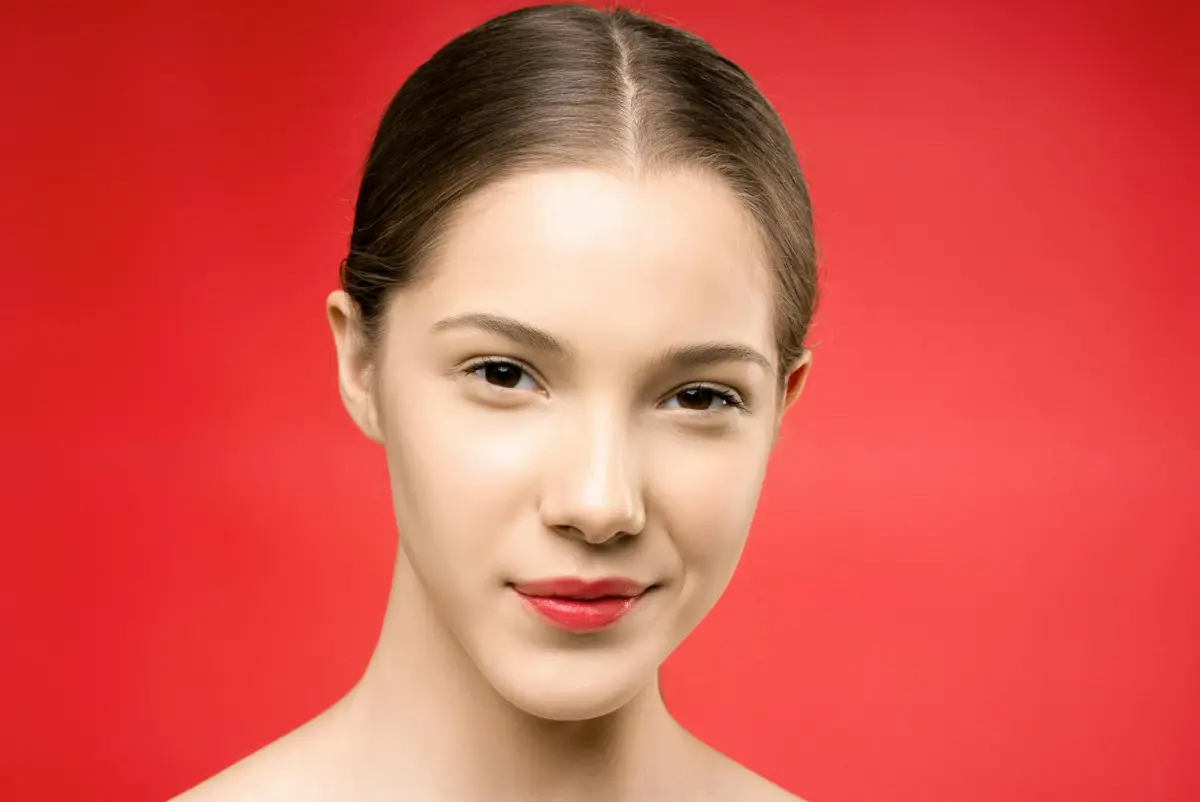
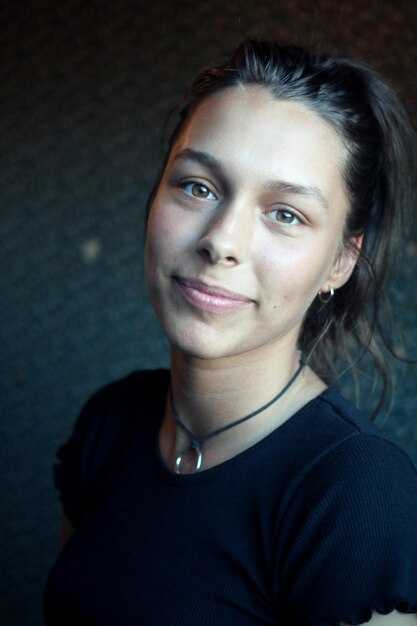
Doporučení: Začněte dvoufázovým pracovním postupem: nejprve upravte globální tóny, abyste zachovali přesnost osvětlení a barev, poté aplikujte selektivní úpravy textury pouze tam, kde je to nutné. Tímto způsobem se zachová pleť přirozeně, zatímco dosáhnete pop-up detailů a půvabu.
První fáze: nastavte vyvážení bílé na 5200–5600 K pro scény za denního světla, nebo 3200–3600 K pro vnitřní osvětlení, a expozici udržujte v rozmezí ±0,25 EV od referenční hodnoty. Omezení zesvětlení stínů na -1,0 EV a udržování světlých míst pod 95 % zabrání přepalům. Tento základ úprav zajišťuje krásu a přesnost v různých světelných podmínkách.
Druhá fáze: provádějte lokální úpravy na samostatné vrstvě pomocí štětce. Pro jemnou texturu aplikujte lehký průchod vysokými frekvencemi s poloměrem 1–2 px; pro tonální rovnoměrnost smíchejte vrstvu s nízkými frekvencemi s rozostřením 2–4 px. Použijte krytí 8–12 % a zjemněte okraje pro vytvoření přirozeného okraje mezi ošetřenými zónami a zbytkem snímku, abyste zachovali detaily a zabránili plastickému vzhledu.
Při natáčení na mobil nebo selfie povolte chytré úpravy, které rozjasní klíčové zóny, aniž by došlo k přehnanému kontrastu. Zaměřte se na světlé zóny a jemným dotekem omezte viditelnou povrchovou texturu, přičemž zachovejte celkový autentický vzhled. Tento přístup rozšiřuje možnosti sdílení na LinkedIn a dalších platformách.
Finální kontrola kvality: porovnejte před a po při 100% zvětšení, ujistěte se, že výsledek zůstává přirozený a pozadí zůstává jasné, poté exportujte v rozlišení 2K nebo 4K pro tisk nebo obrazovku. Konzistentní pracovní postup založený na odborných znalostech a počítačových nástrojích přináší spolehlivé výsledky napříč zařízeními a scénami, zachovává krásu, udržuje detaily a posiluje dopad vaší práce.
Praktický pracovní postup pro bezchybnou pleť a rychlá prohlídka funkcí Aperty
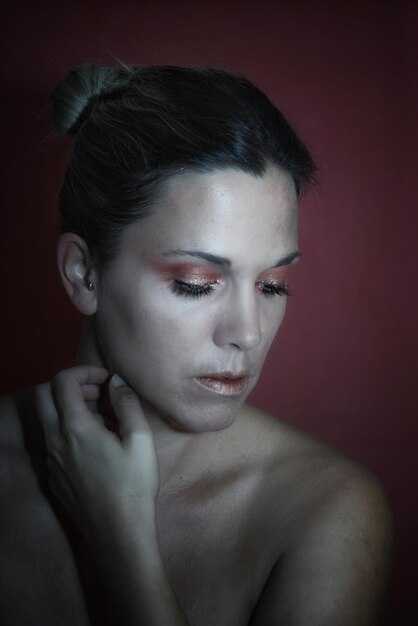
Začněte s vaším staženým originálním souborem, vytvořte adaptivní masky obličejových oblastí a aplikujte cílené úpravy jasu a textury pomocí automatizovaných vylepšení; uložte nedestruktivní verzi a uchovávejte úpravy v přístupných souborech pro rychlé zopakování.
Vstup a příprava: zachovejte barevnou přesnost pomocí barevného prostoru sRGB, archivujte originál a všechny úpravy jako samostatné soubory a zajistěte, abyste mohli nastavení znovu otevřít na různých zařízeních.
Strategie maskování: vygenerujte masky obličejových oblastí a zmenšete je pro zrychlení zpracování; tyto masky řídí, kde se úpravy aplikují, a minimalizují změny v jiných oblastech; to pomáhá zachovat přirozeně vypadající výsledek a zároveň zachovat texturu.
Úpravy: aplikujte úpravy jasu a barev v cílených zónách; zvyšte jas kolem očí a tváří, přičemž zachovejte ostrost duhovky; upravte saturaci, abyste zabránili přesycení, a spoléhejte na adaptivní masky k omezení úprav.
Ruční úprava: jakmile jsou automatizované kroky hotovy, zkontrolujte výsledek při 100% zvětšení a na mobilních zařízeních; ručně upravte okraje nebo nekonzistence textury, abyste zajistili realistický vzhled.
Rychlá prohlídka funkcí Aperty: adaptivní masky, automatické tonální korekce, návrhy make-upu v pracovním postupu, snadná správa vstupů a možnosti nedestruktivního exportu; rozhraní provede každého, včetně tvůrců, kteří zveřejní selfie na LinkedIn nebo jiných kanálech, prostřednictvím tvorby obsahu a publikování.
Výstup a sdílení: exportujte varianty optimalizované pro sociální kanály, včetně LinkedIn, vhodné pro svět tvůrců obsahu, spolu s vysoce kvalitními mistry; uchovejte původní soubor nedotčený a ukládejte lehké verze pro rychlé online doručení.
Tipy pro konzistenci: udržujte jasný archiv vstupů, stažených originálů a úprav; jedna složka projektu pomáhá sledovat změny; dávejte pozor na přesycení podobné make-upu a zajistěte, aby celkový výsledek zůstal přirozený, což zrychluje následné úpravy pro mladé tvůrce a ty, kteří produkují obsah pro širokou veřejnost.
| Fáze | Akce | Poznámky |
|---|---|---|
| Vstup a zálohování | Ponechte originální a stažené soubory; uložte nedestruktivní projektový soubor | Verze jasně označte; ukládejte do přístupných složek |
| Maskování | Vytvořte adaptivní masky obličejových oblastí; zmenšené masky zrychlují zpracování | Upravte okraje, abyste zabránili světelným kruhům |
| Tonální úpravy | Aplikujte zesvětlení, úpravy barev; zaměřte se na oblast duhovky | Vyhněte se přesycení; ověřte na světlých a tmavých pozadích |
| Detail a textura | Zachovejte přirozenou texturu; ručně upravte tam, kde je to nutné | Vzhled podobný make-upu ponechte jemný |
| Kontrola a export | Zkontrolujte při různých zvětšeních; exportujte pro LinkedIn a další kanály | Ponechte vysoce kvalitní master a lehčí verze |
Cílené odstranění nedokonalostí bez obětování textury
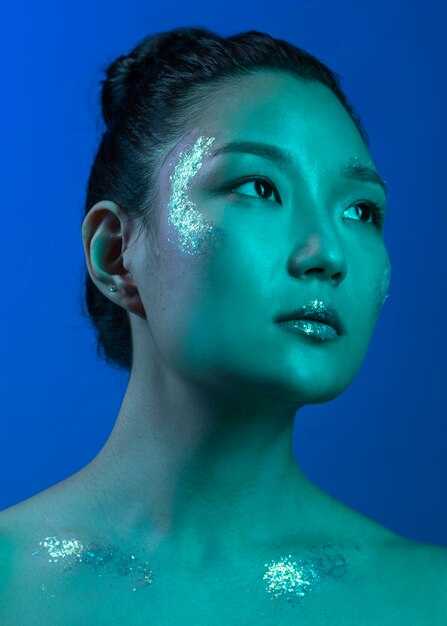
Začněte s malým, malým štětcem na nedokonalosti, odeberte vzorek z nedaleké skutečné textury na povrchu a malujte pouze na vadu. Krytí udržujte kolem 20–25 % a měkkost okrajů; tento přístup zachovává mikro detaily a zároveň odstraňuje vadu. V Lightroom Classic na macOS zůstávají úpravy nedestruktivní a plně nastavitelné.
Přibližte na 100 % a omezte změny na vysoce frekvenční data: v Lightroomu použijte posuvník Textura k zachování popisných mikro detailů kolem opravené oblasti a vyhněte se nadměrnému zjemnění, které by vyhladilo póry nebo jemné zrno. Tato rovnováha zabraňuje plochému vzhledu a zachovává skutečný vzhled. Tento přístup nezhoršuje texturu.
V blízkosti úst sledujte tonální přechody: pokud stínování vypadá špatně, odeberte vzorek barvy z přilehlých oblastí, abyste obnovili teplo, a poté na opravenou oblast aplikujte jemné zesvětlení nebo barevný nárůst místo bělení; zachovejte tóny tvářenky a make-upu konzistentní s okolním povrchem. Tyto kroky pomáhají, aby výsledek působil skutečně.
Refinementy pracovního postupu: ukládejte postup, stáhněte si malou předvolbu a udržujte záznam úprav; tyto kroky fungují jak v klasických pracovních postupech Lightroomu, tak v novějším Lightroomu na macOS. Metodu může reprodukovat kdokoli; rané testy s měkkým osvětlením bývají shovívavější a cílem je zvýšit realismus bez zničení textury, vyvážit výsledek a hotovo. zahrňte jednoduchou dohodu: aplikujte omezení na jednu nedokonalost najednou a vyvažte korekce tak, abyste se vyhnuli zjevným stopám.
Vyhlazení zachovávající texturu, aby se zabránilo plastové pleti
Začněte jemným vyhlazením citlivým na okraje přes oblast obličeje: poloměr 2–3 px při síle asi 10–12 %, následované vyhlazením zachovávajícím texturu pro zachování pórů a mikrostruktury. Toto skutečně zachovává přirozený vzhled pleti a zabraňuje plastickému dojmu.
Inovace v maskování a ovládání pro vyhlazování umožňují Aperty a nastavení Apertys pro jednotlivé regiony. Cílem je zachovat ostrost textury obočí a zároveň vyhladit tváře a čelo tam, kde je to nutné. Masky řídí, kde se výsledky aplikují, a sladí pracovní postup pro selfie nebo sadu fotografií.
- Tvorba masek: generujte cílené masky pro hlavní zóny – tváře, čelo, krk a čelist; vylučte oční víčka, rty a oblasti okrajů vlasů. Použijte speciální masku pro obočí, abyste tam chránili texturu.
- První průchod vyhlazováním: aplikujte vyhlazení citlivé na okraje s poloměrem 2–3 px při nízké síle (8–12 %), ujistěte se, že operace ovlivňuje pouze maskované zóny, abyste zachovali ostré hrany kolem obočí a podél linií vlasů.
- Průchod vylepšením textury: spusťte vylepšení zachovávající texturu, které znovu zavádí mikro detaily a zároveň udržuje hladké barevné přechody; zužte okraj u hranic masek, abyste zabránili světelným kruhům.
- Tón a vybělení: po vyhlazení upravte vyvážení bílé a omezte bělení, abyste zachovali přirozený vzhled pleti; vyhněte se nadměrnému zesvětlení světlých míst a udržujte konzistenci napříč fotografiemi, včetně selfie.
Optimalizace a efektivita pracovního postupu: uložte toto nastavení jako master předvolbu a aplikujte jej na sérii snímků z jednoho focení, pomocí stejných hodnot Aperty/Apertys a sad masek pro zachování konzistence napříč obrázky pořízenými za různých světelných podmínek. Tento přístup podporuje automatizaci opakujících se úprav při zachování umělecké kontroly.
- Zachovejte texturu obočí; vyhněte se nadměrnému vyhlazení kolem obočí.
- Omezte bílou barvu, abyste předešli umělému odlesku a udrželi pleť uvěřitelnou napříč tóny.
- Zkontrolujte při 100% zvětšení a hledejte artefakty; upravte masky k opravě jakékoli nerovnoměrnosti.
- Použijte selfie a další snímky jako referenční body k nastavení procesu pro různé tóny pleti.
Adaptivní korekce barev pro různé světelné podmínky
Nastavte jediný základní vyvážení bílé pomocí neutrální šedé karty (asi 5500 K); uzamkněte jej po celou dobu relace a použijte existující metadata k řízení následných korekcí. Tento základ již stabilizuje barevnou teplotu, takže pozdější úpravy zůstanou sladěné, zejména když se během focení mění osvětlení.
Ve smíšeném osvětlení aplikujte adaptivní korekci barev pomocí dvoustupňového přístupu: globální náklon pro neutralizaci dominantního nádechu a ruční úpravy pro každý snímek pro lokalizované posuny. Použijte bílý bod a jemné ovládání červenání k udržení přirozených tónů obličeje, přičemž se vyhněte našedlému nádechu; udržujte správnou rovnováhu omezením zisků na jednotlivých kanálech (např. 1,1x–1,2x) a synchronizací těchto změn napříč sadou stylů.
Tento pracovní postup zahrnuje synchronizované zpracování, které umožňuje fotografům aplikovat jediný základ a ruční úpravy pro každý snímek. Používá existující metadata k opakování stejného vylepšení za podobných světelných podmínek, čímž zvyšuje přesnost a realismus. Uživatel může upravovat hodnoty přímo, aby zachoval ostrost, zatímco automatické odstranění barevných nádechů probíhá na pozadí. Budete mít možnost sdílet metodu na LinkedInu a demonstrovat, jak toto vylepšení stylu podporuje konzistentní vizuální prvky napříč snímky. To přináší zvýšení konzistence.
Praktické kroky: kalibrujte bílou pomocí neutrální karty, uzamkněte ji a označte snímky typem osvětlení v metadatech. Vytvořte dva přednastavené sady – teplé a studené –, které jsou synchronizovány po celou dobu relace a omezeny maximálním ziskem 1,2x na kanál. Pokud potřebujete přesnější kontrolu, přidejte třetí, ručně vyladěnou fázi pro zacílení konkrétních snímků. Při kontrole se zaměřte na tóny obličeje a ostrost; proveďte odstranění jakéhokoli dominantního barevného nádechu. Tento pracovní postup, již ověřený na stávajících snímcích, jsme ukázali, že se škáluje a lze jej sdílet na LinkedInu k ilustraci konzistentních vizuálních prvků napříč snímky.
Nedestruktivní úpravy: ukládání historie, vrácení změn a porovnání náhledů
Přijměte nedestruktivní pracovní postup tím, že budete udržovat historii, která obsahuje milníky a poznámky, a použijete vrstvy úprav nebo chytré masky; vždy odkazujte na původní soubor a provádějte změny na samostatných vrstvách, aby se editoři mohli okamžitě vrátit k vybranému stavu. Spodní panel historie udržuje kontext a umožňuje vám porovnávat stavy bez zploštění vrstev, zatímco tento přístup podporuje pracovní postupy napříč editory a značkami.
Vaše rutina by měla obsahovat silnou stopu, která ukládá milníky a poznámky, pomáhá značkám a týmům během revizí. Stopa často zahrnuje úpravy make-upu, korekce barev, detaily textur, včetně úprav make-upu, zatímco původní obrázek zůstává na disku nedotčen. Udržte kontrolu nad aktivy tím, že spojíte úpravy s vaší rodinou projektů a ukládáním stažených náhledů pro rychlé sdílení ve formátech jako TIFF, PNG nebo JPEG.
Náhledy pro porovnání umožňují kontroly vedle sebe nebo s rozdělenou obrazovkou: vyhněte se náhodným změnám, jedna polovina zobrazuje váš vybraný stav, druhá zobrazuje nezměněný zdroj. Použijte spodní ovládací prvky pro přepínání viditelnosti úprav, prohlížení výsledků při více úrovních zvětšení a ověřování rozdílů v tónu a textuře. Exportujte náhledy jako stažená aktiva ve formátech, které zachovávají přesnost, abyste zajistili konzistenci napříč zařízeními a značkami.
Osvědčené postupy zahrnují organizaci stylů pro různé vzhledy, seskupování úprav do složek a uchovávání praktických poznámek, které vysvětlují každou změnu. Vždy si ponechte alespoň jednu kopii originálu a navrhněte svůj pracovní postup tak, aby editoři mohli opakovat kroky bez rizika. Po dokončení uložte finální verzi, která obsahuje nedestruktivní data a odkaz na originál.
Zpracování make-upu řízené umělou inteligencí a maskování respektující okraje pro čisté spoje
Doporučení: začněte s přístupem k maskování, které respektuje okraje a využívá kontrast mezi pletí a make-upem k definování čistého spoje podél hran. Měli by implementovat dvoufázový proces: hrubou masku k zachycení hlavního přechodu, následovanou fází doladění okraje s měkkostí 4–6 px a lehkým vyhlazením citlivým na barvy k zachování textury kolem vlasových linií, očních víček a hran čelisti.
Tipy pro implementaci: oddělte nedestruktivní vrstvy pro základní úpravy, úpravy make-upu a korekce tónů pleti. Použijte správný režim prolnutí pro make-up, poté stažení řízené maskami k zachování přirozeného kontrastu. Algoritmy by měly být hodnoceny individuálně, aby se předešlo obecným výsledkům; stažené modely mohou poskytnout rychlost, ale musíte je ověřit na svých vlastních subjektech. Doporučený pracovní postup používá masku okraje, která chrání hranici mezi pletí a make-upem, čímž zabraňuje vzniku světelných kruhů a zároveň sleduje přirozený obrys kolem tváří a brady.
Práce s detaily: pro skvrny vytvořte mikromasku a upravené úpravy, které pouze ztmaví nebo zesvětlí cílovou oblast; použijte podobné okolní pixely k navedení barvy a jasu, při zachování celkového přirozeného kontrastu. Pokud na okraji uvidíte zatoulaną skvrnku, upravte masku, dokud nebude přechod hladký; tento přístup pomáhá každému, kdo kontroluje úpravu, pochopit záměr bez zaznamenání spoje.
Boj s mýty a zohlednění značek: mýtus, že masky musí být složité, aby přinesly prémiové výsledky, se rozplyne, protože týmy strávily nespočet hodin zdokonalováním přechodů okrajů a strategií pro hraniční oblasti. Vaše mysl by se měla soustředit na kontext – sociální vizuály, lookbooky nebo focení celebrit – a vaše předvolby by se měly přizpůsobit individuálnímu osvětlení, tónům pleti a intenzitě make-upu. Značky často publikují pokyny pro bezpečné úpravy; řiďte se jimi, abyste zachovali konzistenci a zároveň dodali subjektu kouzlo. Pracovní postup by měl být praktický, rychlý a opakovatelný, takže jej můžete aplikovat na různá focení bez nutnosti opakovat základní kroky. Skutečný přínos se projeví, když editoři vědí, jak vyvážit zachování detailů s jemným vyhlazením, spíše než honit se za dokonalou pletí, což je mýtus.