ابدأ بنشر نظام سرد بالذكاء الاصطناعي لاستبدال كتل التعليقات الصوتية الطويلة والعامة في دقائق؛ يمكن لهذا التحول أن يحقق نتائج سريعة. الجهد المبذول عند إعادة استخدام النصوص عبر المشاهد. التكنولوجيا يمكنها تسريع التجارب.
صمم مشاهد موجزة تعكس الموضوع المختار؛ قم بمواءمة التعليق الصوتي مع إيقاع يشبه الأخبار والمحتوى الموجود للحفاظ على الوضوح. ابنِ قصصاً ذات إمكانات فيروسية من خلال ربطها بالأحداث الجارية. تتبع بيانات الاستخدام من قنوات التواصل الاجتماعي لتوجيه التحسينات؛ حافظ على كفاءة سير عمل رقمي عبر الدقائق والتكرارات.
استخدم أصوات ذكاء اصطناعي قابلة للتخصيص لتكييف النبرة لكل جزء؛ حافظ على الجلسات قصيرة، وأعد استخدام النصوص عبر المشاهد، وقلل الجهد مع تحقيق نتائج سريعة. حدد 10-15 دقيقة للاختبار لكل دورة للحفاظ على حلقة تغذية راجعة محكمة.
قم بإقران خطة ترويجية مع حضور رقمي؛ راقب المشاهدات، والمشاركات، والتعليقات لضمان بقاء الشعور أصيلاً في خلاصات التواصل الاجتماعي ومواءمته مع الأخبار الحالية.
أخيراً، قم بإجراء تجارب سريعة: اختبر أصواتاً مختلفة، وتنوع في الوتيرة عبر المشاهد، وقِس التأثير على استجابة المشاهدين، وحسّن أنماط الاستخدام للحفاظ على سرعة وقيمة التكرارات. استهدف 3 تكرارات في الأسبوع للحفاظ على الزخم.
استراتيجيات عملية للتعليقات الصوتية بالذكاء الاصطناعي لزيادة معدل الاحتفاظ بالمشاهدين
استخدم التعليقات الصوتية المعيارية بشكل متعمد: قم بتنظيم المقاطع في كتل مدتها 15-20 ثانية مع خطاف واضح في الثواني الثلاث الأولى، ثم قسم أوسط موجز ودعوة للعمل ختامية. فضّل التعليقات الصوتية المخصصة التي تتناسب مع الجمهور وحافظ على ثبات الصوت عبر المشاهد، مما يقلل من التخلي عبر الأجزاء.
كتابة النصوص: المواضيع المعقدة تتطلب كتابة نصوص محكمة. لأي شخص ينشئ محتوى، استهدف 12-18 كلمة في الجملة؛ قم بتضمين جزء تجريبي لكل ميزة؛ تأكد من أن النسخة تتناسب مع الموضوع؛ خطط لصوت واضح يتمحور حول الشخص. تقلل كتابة النصوص الواضحة من الحاجة إلى تعديلات لاحقاً، مما يساعد الفرق على البقاء في المسار الصحيح.
التخصيص والاختيار: قدم 2-3 خيارات صوت مخصصة عبر التعليقات الصوتية؛ يتيح التخصيص عبر المشاهد زيادة الاحتفاظ؛ حافظ على الصوت المُنشأ بنمط واقعي؛ اسمح بالاختيار عبر الأجهزة لتناسب الجمهور.
الصوت والإيقاع: قم بإقران التعليقات الصوتية بصوت خلفية خفيف ومؤثرات صوتية؛ تأكد من بقاء الصوت واضحاً؛ استخدم صوتاً مُنشأً عالي الجودة ويبدو واقعياً؛ اضبط التوقفات والتركيز في كل مشهد؛ يحافظ هذا النهج على فهم المعلومات.
اختبار العروض التوضيحية: قم بإجراء عرض تجريبي داخلي سريع يقارن بين نسختين صوتيتين؛ قِس معدل الإكمال ووقت إعادة المشاهدة عبر قنوات التواصل الاجتماعي؛ اختر الخيار الذي يوفر تجربة استماع أكثر ثباتاً.
كفاءة سير العمل: قم ببناء مكتبة كتل نصوص ومجموعة أدوات للتعليقات الصوتية مع كتل معيارية؛ أعد استخدامها عبر المشاهد للحفاظ على الاستمرارية؛ هذا يقلل من المهام المستهلكة للوقت، مما يسمح لأي شخص في الفريق بإنتاج مخرجات عالية الجودة.
مراقبة الجودة: قم بتطبيق دليل أسلوب بسيط - حدود درجة الصوت، معايير الإيقاع، قواعد النطق - وقائمة تحقق سريعة للمراجعة؛ يمكنهم استخدام فحوصات آلية لاكتشاف الأخطاء في النطق؛ حافظ على ثبات الصوت.
خطة التنفيذ: قم بتشغيل تجربة أولية بصوتين، واجمع المقاييس، وكرر؛ استخدم بيانات التخصيص لضبط النغمة للموضوع؛ حافظ على العملية مرنة وقابلة للتوسع عبر الحلقات.
اختر الصوت الصحيح للذكاء الاصطناعي: النبرة، والإيقاع، والشخصية لعلامتك التجارية
توصية ملموسة: اختر صوتاً أساسياً للذكاء الاصطناعي متوافقاً مع نبرة العلامة التجارية، والإيقاع، والشخصية؛ سترى اختلافات في الاستجابة عبر شرائح الجمهور. ركز على نبرة تتناسب مع هدفك التسويقي. سلط الضوء على المخاوف فقط عندما ترتبط بالنتائج للحفاظ على تركيز الجهود والعمل الإبداعي.
نظم جلسات اختبار عبر حملات إنستغرام؛ سلط الضوء على المخاوف والغرض؛ قارن النبرة الفعلية بالأصول الصوتية الحالية من المولد ومن المؤدين؛ تساعدك النتائج على أن تصبح معياراً مصقولاً.
أنشئ قائمة مختصرة بثلاثة تنويعات صوتية: تحفيزية، ذات طابع إبداعي، ومصقولة. سجل تسجيلاً قصيراً لكل تنويع؛ تأكد من مخرجات عالية الجودة متوافقة مع الموضوع والغرض؛ سيكون لديك مرجع قوي للجلسات المستقبلية.
تجنب الشرح المطول؛ حافظ على النصوص موجزة وعملية.
حافظ على التوافق باستخدام إرشادات المصدر لترسيخ قرارات النبرة عبر الحملات والفرق.
| الجانب | الإعداد الموصى به | خطوات الإجراء |
|---|---|---|
| النبرة | دافئة، موثوقة، متوافقة مع إرشادات العلامة التجارية | اختر الأساس؛ قم بتشغيل ثلاثة نصوص؛ تحقق مرة أخرى من النبرة الفعلية؛ ارجع إلى إرشادات المصدر |
| الإيقاع | محسوب، مرن لطول المنصة | عيّن علامات الإيقاع لمقاطع مدتها 15-30 ثانية؛ قم بتشغيل ثلاث عينات؛ اجمع ملاحظات |
| الشخصية | شخصية مميزة متوافقة مع الموضوع والجمهور | جرّب شخصيات؛ اطلب مدخلات التسويق؛ اختر الأنسب للجلسات القادمة |
بعد ذلك، قم بدمج الصوت المختار في سير عمل النشر عبر الحملات القادمة لضمان مخرجات مصقولة وعالية الجودة على نطاق واسع.
مسودات سريعة للنصوص: حوّل الأفكار إلى تعليقات صوتية مؤثرة في دقائق

ابدأ بـ 3 دقائق من العصف الذهني باستخدام قالب موجه ثابت: لخص الفكرة الأساسية، وحدد العميل المستهدف، وثبت الرسالة الأساسية التي توجه السرد. أدرج 5-7 كلمات رئيسية تشكل الأصوات، والمزاج، والصوت العام للتعليق الصوتي.
حوّل هذا الملخص إلى مسودة أولى في دقائق عن طريق تغذية مخطط معياري إلى مولدات ذكاء اصطناعي مخصصة لكتابة نصوص الوسائط. حدد الطول المستهدف (90-120 ثانية)، والنبرة المرغوبة، والنقاط الرئيسية. ارجع إلى العناصر المرئية الموجودة لمواءمة النص مع العناصر المرئية، دون فرض نص جامد. سواء كنت تستهدف مقاطع قصيرة أو سرديات طويلة، فإن هذا النهج يتكيف.
اعتمد نهجاً معيارياً: قم بإنشاء كتل قصيرة للمقدمة، والفكرة الأساسية، والفوائد، والدعوة إلى اتخاذ إجراء. كل كتلة هي وحدة قابلة لإعادة الاستخدام يمكن إعادة ترتيبها، مما يساعدك على البقاء متوافقاً مع العلامة التجارية عبر تنسيقات التواصل الاجتماعي والمواضيع الرائجة مع تعزيز توافق العلامة التجارية.
استخدم خيارات الضبط التلقائي لضبط الإيقاع، والنبرة، والتنوع الصوتي. قم بتبديل الأصوات لاختبار الواقعية، التنقل بين الشخصيات، ضبط نسيج الصوت، وتخصيصها لسياقات وسائط مختلفة. قم بتعديل الإيقاع والتحولات النغمية فوراً لتقليل دورات الإنتاج وزيادة الإنتاجية عبر المشاريع لفريقك.
اجعل الرسائل والأفكار موجزة بمجموعة صغيرة من الأسطر؛ سجل الأفكار بنهج معياري. إذا افتقر الناتج إلى الواقعية، فاضبط الموجهات وقم بتشغيلها عبر المولدات مرة أخرى. هذا يساعدك على الشعور بالحرية في التجربة، واختبار المزاج، والتحسين حتى تتطابق النتيجة مع إرشادات العلامة التجارية الحالية دون إعادة تشكيل العناصر المرئية.
ضوابط الجودة: تحقق من أن النص يحافظ على الأفكار الأساسية، ويحافظ على نبرة واقعية، ويتناسب مع المزاج المختار. استخدم قراءة سريعة للتأكد من تدفق الصوت، وقارنه بأفضل الوسائط أداءً للحفاظ على وضوح و إيجاز الرسائل. إذا لزم الأمر، قم بإنشاء مسودة ثانية تركز على شريحة صغيرة من الجمهور لتحسينها لصدى العملاء. بالنسبة للوكالات وفرق التوظيف، تضمن القوالب مخرجات متسقة.
المقاييس والإنتاجية: تتبع طول النص، مدة التعليق الصوتي، ودرجة استجابة الجمهور. انخفاض بنسبة 60-80٪ في وقت الصياغة أمر واقعي للقوالب المنظمة والصياغة بمساعدة المولد. من خلال الحفاظ على توافق العناصر المرئية واستخدام الضبط التلقائي، يمكن للفرق البقاء في الطليعة لاتجاهات التواصل الاجتماعي والحفاظ على الزخم.
صياغة قوالب الخطاف، والبناء، والدعوة إلى اتخاذ إجراء بمساعدة الذكاء الاصطناعي
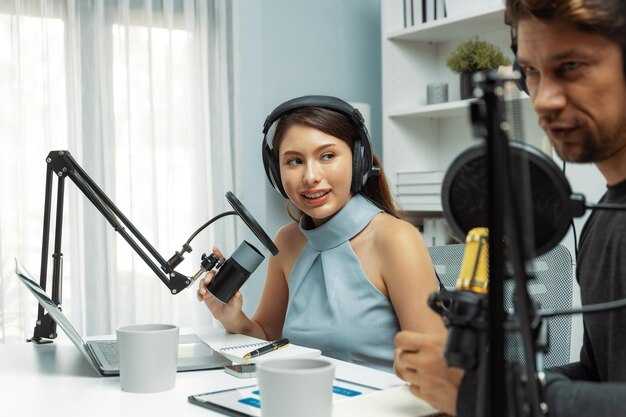
توصية: قم بنشر ثلاثية من قوالب الخطاف، والبناء، والدعوة إلى اتخاذ إجراء وقم بتشغيلها عبر مساعد ذكاء اصطناعي لتخصيص اللغة، والإيقاع، والعناصر المرئية لتلك الجماهير. حافظ على الخطافات قصيرة (6-12 ثانية)، وقدم 2-3 لحظات حية توضح المكافأة، واختتم بدعوة موجزة لاتخاذ إجراء متوافقة مع الهدف.
- قوالب الخطاف
- القالب أ - رؤية رائجة: "رائج: [الموضوع]. [الفائدة] في [الوقت]." مثال: "رائج: 3 اختصارات تقلل وقت التحرير بنسبة 40٪."
- القالب ب - مشكلة وحل: "هل تعلم [نقطة الألم]؟ [حل سريع] في أقل من 10 ثوانٍ."
- القالب ج - إحصائية إلى نتيجة: "إحصائية واحدة: [الإحصائية]. [النتيجة] في [الإطار الزمني]." مثال: "إحصائية واحدة: 62٪ تحرير أسرع بتعديل واحد."
- مواءمة لوحة القصة: قم بإقران كل خطاف بلحظة سريعة في لوحة القصة لترسيخ الانتباه في الإطار الأول، ثم انتقل إلى لحظة تعليمية.
- بناء القوالب
- النمط أ – قوس من 3 مشاهد: مشهد الخطاف (1-2 ثانية)، السياق (2-3 ثوانٍ)، الإثبات/الغوص (2-3 ثوانٍ)، ثم لحظة عرض توضيحي مصغر تستعرض النتيجة.
- النمط ب – إثبات سريع: عرض قبل/بعد، يليه شرح موجز (شرح) يربط بالمنفعة بعبارات واضحة.
- النمط ج – إيقاعات تتصدر الجمهور: تناول القيمة الموعودة في لحظات تناسب تلك الجماهير، ثم قم بتضمين إشارة ثقة (بيانات أو شهادة).
- تحسينات: تقليم الكلمات الزائدة، توحيد الإيقاع، ضمان توافق المرئيات مع النص الذي تم إنشاؤه بواسطة الذكاء الاصطناعي، وتجنب التحيز من خلال تقديم نتائج متوازنة.
- نصائح لسير العمل: قم بالعصف الذهني لـ 3 بدائل، قم بتحسين الأقوى، واستخدم لوحات القصة للحفاظ على تسلسل متماسك قبل التصوير.
- قوالب الدعوة لاتخاذ إجراء (CTA)
- الدعوة أ – حث على اتخاذ إجراء: "علّق بهدفك أدناه" أو "احصل على الدليل".
- الدعوة ب – إجراء مباشر: "اضغط لتجربة الإطار في مجال تخصصك" أو "قم بتنزيل حزمة القوالب".
- الدعوة ج – قائمة تسجيل: "انضم إلى قائمة الجمهور للوصول المبكر إلى الإطارات الجديدة".
- ملاحظات حول النية: حافظ على إيجاز الدعوة لاتخاذ إجراء، واربطها بالنتيجة، وقم بتضمين إشارة ثقة (عرض توضيحي أو إحصائيات) لتقليل التحيز الترويجي.
- مؤشرات الأداء: اختبر 3 بدائل للدعوة لاتخاذ إجراء، وتتبع معدل النقر والإجراءات اللاحقة، وقم بالتكيف بناءً على اللحظات التي تحافظ على الانتباه وتدفع الاستجابات.
- نهج تغيير اللعبة: تعامل مع الدعوة لاتخاذ إجراء كمعلم بارز في تسلسل أكبر – يمكن أن تفتح لحظة عرض توضيحي قصيرة الآن لجلسة تفاعلية أطول لاحقًا.
تحسين الوضوح: جودة الصوت، تقليل الضوضاء، واتساق الصوت
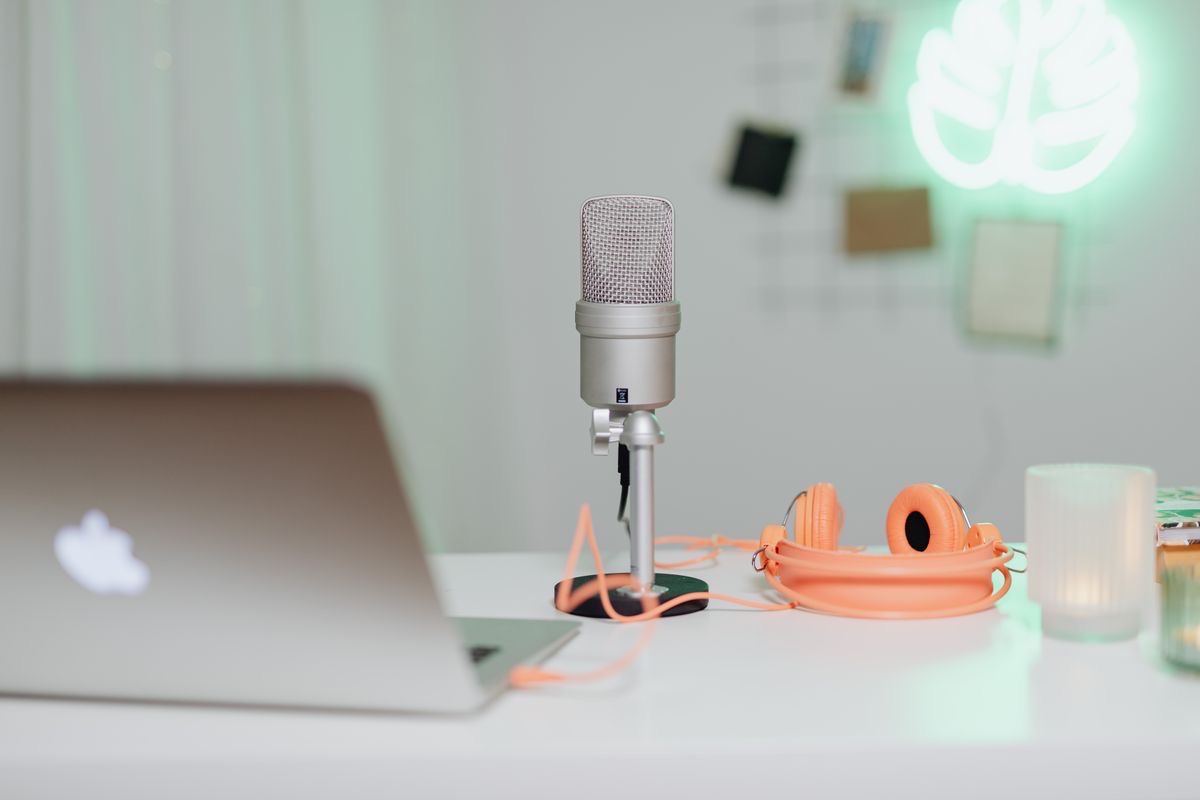
اضبط السلسلة على 48 كيلو هرتز/24 بت لمسارات السرد. ضع ميكروفونًا اتجاهيًا (cardioid) على بعد حوالي 15 سم من الشفاه وقم بتركيب مرشح انفجار (pop filter) لتخفيف الأصوات الانفجارية. قم بتطبيق مرشح تمرير عالي (high-pass filter) حول 80 هرتز لـ إزالة الطنين، ثم قم بتشغيل ضاغط خفيف (2:1، العتبة حوالي -20 ديسيبل؛ الهجوم 5 مللي ثانية، الإطلاق 50 مللي ثانية) للحفاظ على ثبات مستوى الصوت. راقب في مساحة معالجة؛ استهدف مستوى LUFS متكامل حول -18. يضمن هذا الأساس مستوى صوت ثابتًا عبر التسجيلات ويقلل من الحاجة إلى معالجة رئيسية ثقيلة لاحقًا، مما يساعد في الحفاظ على نبرة العلامة التجارية والفروق الدقيقة العاطفية في السرد. يوفر هذا الأساس لونًا للصوت حيث توجد الفروق الدقيقة العاطفية، وهو يعزز القراءة وجودة الصوت الفعلية.
تقليل الضوضاء: التقط صوت الغرفة (5-10 ثوانٍ) في صمت، ثم قم بإنشاء بصمة ضوضاء؛ طبق تقليل الضوضاء باعتدال (تقليل 6-12 ديسيبل) لإزالة الهسهسة دون محو جسم الصوت الفعلي. استخدم بوابة ضوضاء لطيفة عند -40 ديسيبل لكتم الأنفاس العالقة أثناء فترات الصمت؛ اضبط مزيل الأصوات الصفيرية (de-esser) حول 5-8 كيلو هرتز للتحكم في الأصوات الصفيرية مع الحفاظ على الإشراق الطبيعي. سواء كان النص يتطلب حوارًا سريعًا أو سردًا أبطأ، تأكد من أن النتيجة تحافظ على الطاقة العاطفية والقدرة على القراءة.
اتساق الصوت عبر الجلسات: حافظ على نفس مسافة الميكروفون ووضعية الجسم؛ استخدم قالبًا عامًا لسلسلة الصوت للحفاظ على لون موحد عبر التسجيلات؛ اضبط الضاغط على 3:1 مع ركبة ناعمة (soft knee)؛ العتبة حوالي -24 ديسيبل؛ الهجوم 6 مللي ثانية، الإطلاق 60 مللي ثانية؛ مزيل الأصوات الصفيرية 5-8 كيلو هرتز؛ المحدد عند -1 ديسيبل لتجنب التشويش في التصدير النهائي. سواء تغير الإيقاع أو تضمن النص فترات توقف، تحافظ السلسلة على الوضوح والنبرة الفعلية. تجنب الانقطاعات في مستوى الصوت؛ هذا يمنع التشوهات النغمة العرضية ويدعم الثقة.
مواءمة العلامة التجارية: خطوط الصوت الواضحة تلون تصور الجمهور وتتوافق مع العنوان والعلامة التجارية؛ حافظ على قوس عاطفي متسق مع الكتابة؛ هذا يبني الثقة ويغذي نمو العلامة التجارية. الميزات مثل النغمة المستقرة، والنطق الواضح، والإيقاع المتسق تثبت التجربة، والتعلم من الملاحظات يغذي الأفكار والتنقيح.
من الفكرة إلى التنفيذ: هذا الجزء يعتمد على التعلم من النتائج الفعلية؛ حدد الميزات التي تعدل السلسلة؛ اشرح القرارات في النص وملاحظات التسجيل؛ تتبع عينات السرد التي تم إنشاؤها؛ قم باتخاذ القرارات بناءً على توقعات النمو؛ استخدم حلقة تعلم لتنقيح العملية، مع شرح الأساس المنطقي وراء كل تغيير.
الاختبار والمقارنة والتكرار: اختبار الأصوات (Voiceovers) A/B لتحسين المشاركة
توصية: ابدأ بصوت أساسي ونبرتين متغايرتين، قم بإجراء الاختبار لمدة 10-14 يومًا، ثم اختر الفائز بناءً على معدل الإكمال وإجراءات الجمهور؛ قم بتطبيق الفائز وخطط لدورة جديدة للاستمرار في التحسين بسهولة.
- خطوات الإعداد: حدد هدفًا واضحًا، واختر مجموعة مقاييس، ووضع استراتيجية يمكن توسيعها عبر المنشورات. حافظ على مستوى الدقة مرتفعًا بما يكفي لاكتشاف الاختلافات الهامة، ولكن مرنة بما يكفي للتكرار بسرعة.
- المقاييس التي يجب تتبعها: معدل الاكتمال، عمق التمرير، حفظ المنشورات، والمشاركات. قم بتضمين تلك المقاييس التي تعكس استجابة الجماهير للصوت والإيقاع؛ سجل المخاوف والشذوذات للمراجعة لاحقًا.
- إنشاء البدائل: استخدم المولدات لإنشاء بديلين من نفس النص. يؤكد أحد البدائل على الإلحاح، والآخر على الدفء. استخدم عرضًا توضيحيًا لمعاينة كيف يبدو كل إصدار عمليًا.
- إعداد التجربة: استضف الاختبارات على منصات تدعم مقارنات A/B، مثل Wistia للتحليلات الأصلية أو videogpt لتوليد أزواج النصوص بسرعة. تأكد من أن الاختبارات تستند إلى نفس المواضيع والاتجاهات لعزل تأثيرات الصوت.
- التشغيل والمراقبة: حافظ على خفة التجارب وسهولة الوصول إليها؛ تجنب تغييرات الإنتاج الكبيرة في منتصف الاختبار. تتبع التقدم يوميًا وكن مستعدًا للإيقاف إذا كان أحد البدائل أداؤه ضعيفًا لثلاثة أيام متتالية.
- المراجعة الإحصائية: قم بتقييم الأهمية بفحص ثقة بسيط وراقب الانجراف. إذا كانت النتائج غير حاسمة، قم بإجراء متابعة موجزة بتعديلات طفيفة بدلاً من البدء من جديد.
- خطة التنفيذ: قم بتطبيق البديل الفائز على مجموعة أوسع من المنشورات، ثم قم بالعصف الذهني لأفكار جديدة للموجة التالية بناءً على ملاحظات الجمهور والاتجاهات. قم بإنشاء عرض توضيحي قصير يوضح التأثير لأصحاب المصلحة والمسؤولين عن إنتاج المحتوى.
ماذا تختبر (أفكار) وكيفية العصف الذهني لها: قم بإنشاء قائمة مواضيع متوافقة مع الاتجاهات، ثم قم بإجراء تكرارات سريعة. استخدم نهجًا شخصيًا لأولئك الجماهير الذين يريدون معرفة أعمق، وحافظ على نسخة أخف للقراء العاديين. أولئك الذين يعتمدون على الملخصات الموجزة يستجيبون بشكل أفضل للإيقاع الأسرع، بينما يفضل الآخرون أسلوبًا حواريًا مع سرد القصص - اختبر كليهما لترى ما يتردد صداه.
- المواضيع: دروس المنتج، دراسات الحالة، نصائح سريعة، وراء الكواليس. يمكن لكل موضوع دعم نغمات وأطوال متعددة.
- النغمة والإيقاع: نشط مقابل متزن؛ توقفات قصيرة مقابل تدفق مستمر؛ التركيز على الفوائد مقابل الخطوات.
- متغيرات الطول: 15 ثانية، 30 ثانية، 60 ثانية؛ تقصير للمنشورات ذات فترات الانتباه الضيقة وتمديد للغوصات الأعمق.
- اللغة والأسلوب: عناوين مباشرة (أنت) مقابل سرد بصيغة الغائب؛ تسجيل رسمي مقابل عادي.
- التركيز على الدعوة لاتخاذ إجراء: دعوة أقوى في وقت مبكر مقابل متأخر؛ اختبار وجود خط تحفيزي، مليء بالحيوية في النهاية.
- إمكانية الوصول: قم بتضمين محاذاة الشرح الاختياري وفحوصات وضوح الصوت للوصول إلى جماهير أوسع.
نصائح التنفيذ وملاحظات عملية: اكتب نصوصًا ذات استراتيجية واضحة، ثم أعد استخدام النصوص الأساسية عبر التجارب لتجنب الاختلاف من المحتوى. استخدم جلسات العصف الذهني لاستخلاص الأفكار من الفرق والجماهير؛ حدد مستوى من الدقة يكون كبيرًا بما يكفي للكشف عن الاختلافات الحقيقية، ولكنه خفيف بما يكفي للحفاظ على تقدم التجارب. استخدم تلك الأفكار لتعزيز تأثير كل منشور مع الحفاظ على إنتاج سلس.
اعتبارات تشغيلية: يجب معالجة المخاوف بشأن الاتساق، ومواءمة الصوت مع العلامة التجارية، وتصور الأصالة في سير العمل المصدر (المصدر: ملاحظات ضمان الجودة الداخلية وملاحظات أصحاب المصلحة). بالنسبة للشركات التي تستكشف التكرار السريع، فإن نهج تغيير اللعبة هو الجمع بين مولدات الصوت بالذكاء الاصطناعي واللمسة البشرية الحقيقية للصقل النهائي، ثم التحقق من صحتها بعرض توضيحي سريع قبل طرحها بالكامل.
أدوات وعينات: استخدم عروضًا توضيحية من منصات المحتوى الشائعة مثل Wistia و Videogpt لإنشاء نماذج أولية للبدائل بسرعة. تتبع النتائج عبر الجماهير لتحديد التفضيلات الشخصية، ثم قم ببناء الدورات المستقبلية على تلك النتائج. أولئك الذين يرغبون في تحسين الأداء طويل الأجل يمكنهم بناء وتيرة ثابتة من التجارب، باستخدام البيانات لتوجيه المجموعة التالية من المواضيع والأفكار.