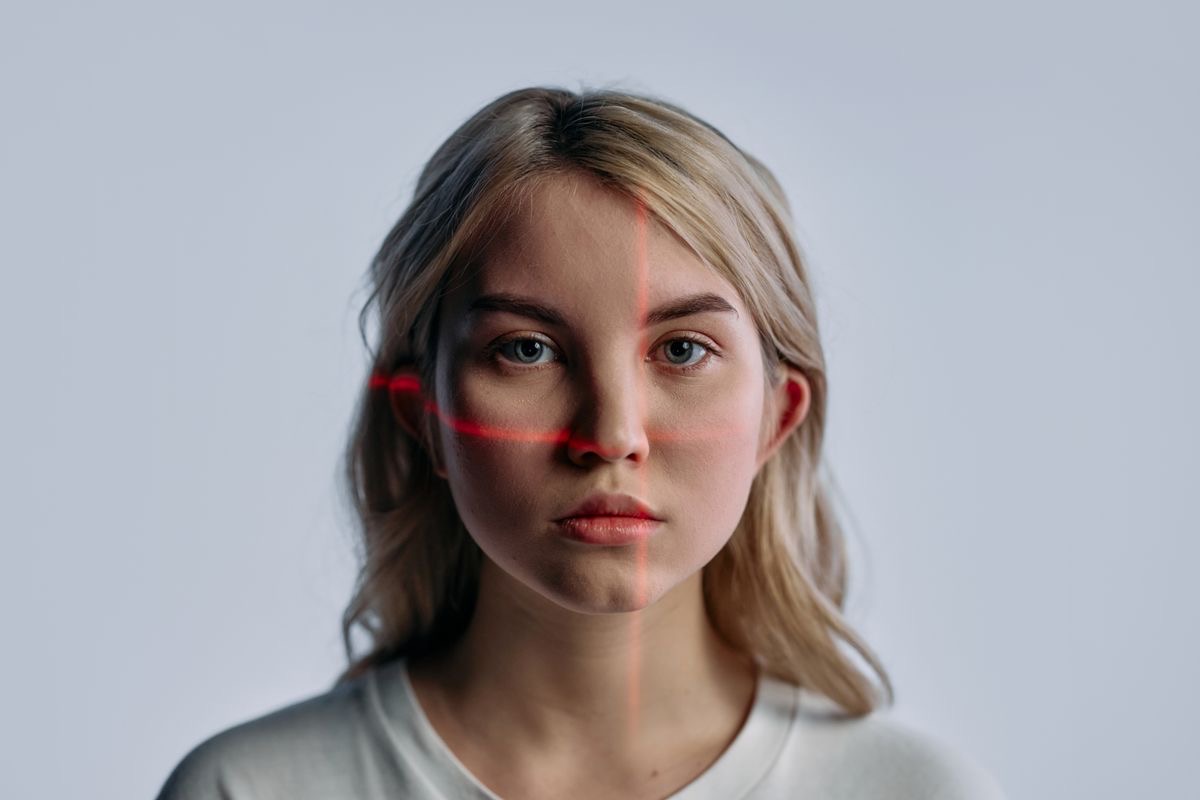

استخدم مقاطع تتراوح مدتها من 5 إلى 15 ثانية وحدد نمطًا مستهدفًا: خطوط خارجية نظيفة، تظليل مسطح، ولوحة ألوان حيوية ولكنها مضبوطة. تأكد من أن الانتقال بين الإطارات يبقى سلسًا، بحيث تبدو الحركة طبيعية بدلاً من أن تكون متقطعة. اعتمد على نموذج مدمج تم ضبطه لتنوع الوسائط لتقديم نتائج متسقة بدقة 1080 بكسل وما بعدها.
لتنفيذ ذلك بسرعة، اجمع الأدوات المناسبة: نموذج مدمج تم تدريبه على وسائط متنوعة، مستخرج إطارات، محرر للتوقيت، ومدير ألوان. ستحتاج إلى وسائط حية كمدخلات؛ إذا كنت تفتقر إلى البيانات المقترنة، فاستخدم التعلم الذاتي لاستكشاف المحاذاة عبر الإطارات. يتيح لك هذا النهج التكرار حتى ترى حوافًا متسقة ونمط تحويل إلى رسوم متحركة، مما يوفر مظهرًا متماسكًا يدعم إشارات الموسيقى بسهولة.
في مرحلة التحرير، راقب التشوهات: وميض زمني، انجراف لوني، وتنعيم مفرط للحواف. قم بضبط الأوزان جيدًا لتبقى درجات لون البشرة واقعية وتبقى الأنسجة قابلة للقراءة. سيبدو هذا متماسكًا عند التوسع من مقطع واحد إلى مشروع كامل، مما يمنح المحررين مساحة لتحديد التفاصيل دون التضحية بأجواء الرسوم المتحركة. تساعدك العملية على بناء المهارات بينما تتعامل مع الجزء الأكبر من العمل.
بالنظر إلى المستقبل، اتبع نهجًا معياريًا: احتفظ بالمرور الأساسي منفصلاً عن تعديلات النسيج والإضاءة. يمكنك اكتشاف أشكال جديدة بمجرد تبديل أوزان الأنماط وإعادة تشغيل خط الأنابيب. ستكون النتائج سلسة ومنمقة عبر تنسيقات الوسائط، من مقاطع التواصل الاجتماعي إلى التعديلات الأطول؛ بالنسبة للفرق التي تبحث عن جمالية متسقة، سيمكّن هذا من النشر الأسرع والتجريب المستمر.
فيديو إلى فيديو بالذكاء الاصطناعي: مشاهد حقيقية إلى رسوم متحركة - مراجعة مولد عملي
التوصية: اختر مولدًا مدعومًا بوحدة معالجة الرسومات مع معاينات سريعة، ومجموعة واسعة من نماذج التنميق، وإعدادات تصدير بنقرة واحدة تتماشى مع التسليم النهائي. قم بتشغيل عدة مقاطع قصيرة من خلال الأداة وقارن دقة الحركة، ومعالجة الحواف، والتعامل مع النسيج عبر الأنماط. تستند هذه الخطوة الأساسية إلى خط الأنابيب الذي ستقوم بتوسيعه للإنتاج دون تكرارات هدراً، ويمكنك بسهولة تحسين المظهر ليتناسب مع الجمهور المستهدف.
ما يجب اختباره أولاً: الحفاظ على الحركة، ووضوح الحواف، وواقعية النسيج عبر الخيارات. استخدم عروض توضيحية متعددة مقدمة من المنصة، وقارن المخرجات بالإطارات المصدر، واحكم على ما إذا كان التنميق صامدًا في اللقطات الأطول. تحقق من استقرار التصدير لتجنب الاهتزاز، وارجع إلى القوالب من renderforests والأدوات الموثوقة الأخرى لضمان مظاهر متسقة.
نصائح سير عمل الإنتاج: قم بتعيين معدل إطارات ثابت (24-30 إطارًا في الثانية)، وطبق نهجًا من تمريرين (تنميق أساسي، ثم ضبط الألوان والحواف)، وقم بمعالجة المقاطع دفعة واحدة للحفاظ على اتساق التوقيت. يحافظ هذا النهج على إشارات الحركة وينتج تيارًا نهائيًا متماسكًا عبر التسلسل، مع سهولة التوسع من فيديو واحد إلى مكتبة حلقات.
إرشادات جاهزة للمبدعين: لمقاطع الفلوج أو التسويق، استهدف مظهرًا جذابًا وسهل القراءة على شاشات الجوال. ابدأ بثلاثة إعدادات مسبقة، وأنتج شريطًا تجريبيًا مدته 30-60 ثانية، وقارن على أجهزة مختلفة. قم بالتصدير بدقة 1080 بكسل أو 4K، واختر برامج الترميز (H.264 أو H.265) بناءً على احتياجات المنصة. يمكن لسير عمل مبسط من النقر إلى المظهر تقليل وقت الإنتاج بشكل كبير مع الحفاظ على مظهرك المميز الشبيه بالحياة.
إدارة التشوهات والمخاطر: توقع تشوهات عرضية مع الحركة السريعة أو الأنسجة الكثيفة؛ قم بتقليل قوة التنميق أو ضبط تعويض الحركة لتقليل الوميض. إذا انجرفت الألوان عبر المشاهد، فقم بتطبيق تمريرة مطابقة للألوان عالمية قبل عرض القطع النهائي. قم بتوثيق الإعدادات المستخدمة لكل مشروع لتبسيط العمل المستقبلي والحفاظ على الاتساق البصري.
التكلفة والترخيص وسير العمل: تقدم العديد من الخيارات فئة مجانية بدقة محدودة أو علامات مائية؛ للمشاريع التجارية، استثمر في ترخيص يغطي استخدام الإنتاج. فضل النماذج التي يتم تحديثها بانتظام وتوفر أنماطًا متنوعة. تأكد من أن التصدير يتضمن دقة معدل البت ومساحة الألوان المفضلة لديك. استخدم العروض التوضيحية لمعايرة المظهر قبل الالتزام بجولة إنتاج وتتبع التأثير التسويقي بمقاطع قصيرة ومقاسة.
كيفية تجهيز لقطات المصدر للتحويل إلى رسوم متحركة
قم ببناء لقطاتك إلى مقاطع موجزة وموجهة نحو الحركة: مدة كل منها 6-12 ثانية، تعرض مواضيع واضحة وحركة يمكن التنبؤ بها لدعم التنميق النظيف. التقط المواد الحية بمعدل 24-30 إطارًا في الثانية للحفاظ على التوقيت الطبيعي، ثم قم بمواءمة التعديلات مع سرعة الإيقاع المستهدفة للحصول على نتيجة سينمائية. حافظ على ثبات الكاميرا باستخدام حامل ثلاثي القوائم أو مثبت جيمبال لتقليل الاهتزاز، مما يعقد التحكم أثناء التنميق اللاحق.
التثبيت والتأطير: تأكد من سرعة الغالق والتعرض الثابتين، وتجنب ضبابية الحركة الشديدة، وقم بقفل توازن اللون الأبيض للحفاظ على استمرارية الألوان. يجب أن يقلل التأطير من الاقتصاص المفاجئ عبر الانتقالات، مما يتيح التطبيق السهل للقوالب والنماذج.
الإضاءة والألوان: قم بالتصوير في إضاءة مضبوطة أو استخدم ملء منتشر لتحقيق إضاءة متساوية. قم بتعيين ملف تعريف ألوان ثابت أو توازن أبيض محايد؛ قم بالتدرج باستخدام لوحة ألوان محدودة لدعم الاتساق الجمالي للتنميق. يساعد هذا الخوارزمية على تطبيق مظهر متماسك عبر اللقطات التي تم إنشاؤها، لجعل النتيجة النهائية أقرب إلى المظهر المستهدف.
الصوت وإشارات الحركة: قم بعزل الحوار عند الحاجة وجهز إشارات التوقيت لمزامنة الشفاه إذا كان ذلك ممكنًا. حافظ على حركة الكاميرا قابلة للتنبؤ بحيث تترجم الرسوم المتحركة ومراجع الحركة بوضوح إلى النمط النهائي.
الدقة والتنسيق والنيابات: قم بالتصدير بدقة 1080 بكسل أو 4K ونسبة عرض إلى ارتفاع 16:9؛ قم بتعيين معدل بت مرتفع، واحتفظ بعمق الألوان، واحتفظ بالصوت منفصلاً لإعادة الارتباط. أنشئ إصدارات وكيلة للتكرار السريع؛ عند الانتهاء، أعد الارتباط بالدقة العالية للعرض النهائي، مما يضمن سير عمل قابل للتطوير وقابل للتكرار يدعم الاختبار التكراري.
الأصول وسير العمل: قم ببناء هيكل من العناصر القابلة لإعادة الاستخدام - قوالب الخلفية، أشكال الصورة الظلية، مراجع الحركة. اجمع القوالب والنماذج ولوحات الجماليات من renderforests أو مصادر مجانية أخرى لتسريع الإعداد. خطط لأفكار التنميق واختبر بالرسوم المتحركة القصيرة للتحقق من مدى جودة ترجمة النماذج المختارة إلى المظهر المستهدف.
التكرار وضمان الجودة: قم بإجراء اختبارات سريعة على مقطع قصير لتقييم التوقيت والتحكم؛ أثناء التنقيح، اضبط الوتيرة، ومزامنة الشفاه، وتفاصيل الحواف حتى تصل إلى إحساس سينمائي. احتفظ بسجل تحكم مع ملاحظات حول الإعدادات التي أسفرت عن أقوى النتائج لكل نموذج، مما يتيح دورات قابلة للتكرار بسهولة أثناء الإنتاج.
أفضل تنسيقات الإدخال والدقة للحصول على نتائج عالية الجودة

ابدأ بتنسيق 4K60 MP4 (H.265) أو ProRes 422 HQ للحصول على أقصى جودة؛ عمق ألوان 10 بت إذا سمح المصدر بذلك. وهذا يحافظ على التفاصيل الدقيقة والتوقيت لنقل الأنماط المدعومة بالذكاء الاصطناعي. إذا كانت هناك قيود على الميزانية أو الأجهزة، فإن 1080p60 MP4 (H.264) يظل مقبولًا، على الرغم من أن التفاصيل ودقة الحركة قد تكون منخفضة.
تنسيقات الإدخال التي تتجنب التشوهات: MP4 بتنسيق H.265/HEVC بدقة 4K60 (أو 1080p60) وApple ProRes 422 HQ أو ProRes 4444 لسير عمل ما بعد الإنتاج على Mac؛ احتفظ بمعدل بت مرتفع في كلتا الحالتين؛ تجنب مصادر 480p المضغوطة بشدة لأنها تقلل من التفاصيل في الرسوم المتحركة والتنميق.
الدقة ونسب العرض إلى الارتفاع: فضل 16:9 الأصلية؛ لمحتوى الجوال العمودي، 9:16؛ حافظ على 3840 × 2160 أو 4096 × 2160 كمدخلات عند الإمكان؛ 1920 × 1080 كحل بديل. حافظ على معدلات الإطارات ثابتة عند 24 أو 30 أو 60 إطارًا في الثانية؛ 60 إطارًا في الثانية للحركة، 24 إطارًا في الثانية للحصول على شعور سينمائي. إذا لم تكن متأكدًا، فانظر إلى بيانات التعريف المصدر وتأكد من مطابقة الكم المستهدف بجهاز الإخراج الخاص بك؛ ثم قم بالتوحيد عبر المقاطع لمنع الانتقالات المزعجة. يساعدك هذا النهج على مطابقة المظهر عبر اللقطات.
عمق الألوان: يوصى بـ 10 بت؛ 8 بت شائع؛ قم بتعيين مساحة الألوان إلى Rec.709؛ لمشاريع HDR، Rec.2020؛ تجنب التدرج الثقيل عند الإدخال؛ حافظ على التشبع والتباين لدعم التحولات الجمالية اللاحقة. قم بالتصدير بما لا يقل عن 8 بت لكل قناة بتنسيق MP4 أو MOV، ولكن 10 بت يحافظ على التدرجات بسهولة أكبر؛ استخدم جاما لوغاريتمية فقط إذا كانت سلسلتك تدعمها.
الحاوية والصوت: حاويات الملفات: MP4، MOV؛ تجنب خلط عدة تدفقات تربك سير العمل. حافظ على الصوت عند 48 كيلوهرتز، 16 بت أو 24 بت؛ افصل الصوت عن الفيديو عند التصدير لتبسيط معالجة الجدول الزمني. في المحرر، انقر فوق تصدير لتطبيق الإعداد المسبق المحدد. بالنسبة لفرق الإنتاج، قم بتصدير ملف رئيسي عالي الجودة وملف وكيل خفيف الوزن لتوفير الوقت أثناء التحرير والمراجعة؛ هذا يساعد سير عمل المدونين المرئيين لديك على البقاء في الموعد المحدد، مما يوفر الوقت.
عمليات التحقق من الجودة وإعادة الاستخدام: قم بإجراء عروض اختبار على مقطع نموذجي، وتحقق من التوقيت والألوان والحركة؛ إذا كنت تتطلع إلى التوسع، فقم بإنشاء إعدادات مسبقة حتى يتمكن فريقك من تكرار النتائج بسهولة. عند التصدير، احفظ الملف الرئيسي بتنسيقات غير مضغوطة أو بتنسيقات ذات معدل بت عالٍ، ثم قم بإنشاء ملفات تسليم لخطوط إنتاج العمل. إذا كنت تستخدم حزم أصول من Renderforests، فتحقق من توافق 4K واتساق الألوان. سواء كنت منشئًا منفردًا أو جزءًا من فريق صغير، فإن المدخلات النظيفة تقلل من إعادة العمل وتسرع من دورة حياة المشروع. الإعدادات المسبقة التي تم إنشاؤها للأنواع الشائعة تسرع عملية الإعداد.
عملية خطوة بخطوة لـ تحويل مشهد إلى نمط كرتوني
الخطوة 1 – تقييم المصدر وتحديد المفهوم المستهدف: اختر إطارًا حيويًا، وسجل إيقاعات الحركة، وحدد الأسلوب المطلوب. هذا يخلق هيكلًا لسير العمل ويوفر حماية ضد المعالجة المفرطة.
الخطوة 2 – تحليل الحركة والوضعيات: تتبع متجهات الحركة، وقم بتضخيم الوضعيات الرئيسية، ورسمها بأشكال مبسطة. هذا يساعد على مطابقة الشكل النهائي عبر الإطارات والحفاظ على الإيقاع.
الخطوة 3 – تصميم الشخصيات والدعائم: ارسم أشكالًا واضحة، وحدد السمات المميزة، وقم بإنشاء مجموعة صغيرة من الأشكال المتكررة للشخصية الرئيسية والشخصيات الداعمة. هذا يعزز الاتساق في المفهوم ويجعل عملية الإنشاء فعالة.
الخطوة 4 – تطبيق طبقات الأسلوب: اختر أجواء مستوحاة من الأنمي أو نمط حبر جريء. أنشئ هيكل طبقة: اللون الأساسي، الظلال، الإبرازات، ورسم الخطوط الواضحة لتحقيق مظهر رائع ومتناسق.
الخطوة 5 – المعالجة اللونية والحواف: اختر لوحة ألوان مقيدة تدعم المفهوم. استخدم كتل الألوان المسطحة، ثم أضف تظليلًا لطيفًا للإيحاء بالعمق دون كسر الشعور الكرتوني. هذه الخطوة تحافظ على حواف نظيفة وتجعل النتيجة قابلة للتصدير على الفور.
الخطوة 6 – المراجعة والتعديل والتصدير: قم بإنشاء فيديو قصير أو تسلسل للمراجعة السريعة. تحقق من اتساق الحركة، ودقة الحواف، والتوازن اللوني. إذا لزم الأمر، قم بضبط سمك الخط أو التشبع وقم بالتصدير مرة أخرى للحفاظ على الجودة.
الخطوة 7 – حفظ قالب قابل لإعادة الاستخدام للتعليم والمشاريع المستقبلية: قم بتخزين الهيكل والقواعد كمورد مجاني لمجتمع المبدعين. يوفر القالب المخزن مسارًا مباشرًا لإنشاء أصول فيديو مصممة من مواد جديدة على الفور.
كيفية مقارنة مولدات الذكاء الاصطناعي للرسوم المتحركة: الميزات المهمة
التوصية: اختر مولدًا بسير عمل يعتمد على النص، وحماية قوية للأصول، وحلقة معاينة سريعة لتوفير الوقت مع إبقائك متحكمًا في المظهر. فضل الأدوات المصممة للمبدعين لتقديم مخرجات مصقولة بسرعة وموثوقية، ودعم عملك في كل مرحلة.
دعم الإدخال مهم: تحقق من توافق المصدر الواسع، بما في ذلك الفيديو الحي، وتسلسلات الصور، وأوامر النص. فضل المنتجات التي تدعم الاستيراد بالسحب والإفلات، والمعالجة المجمعة، ومعالجة الألوان المتسقة لتقليل التعديلات اليدوية داخل خط إنتاج العمل الحالي لديك.
الجودة مقابل السرعة: قم بتقييم الدقة، وواقعية الحركة، وسلوك الإضاءة. ابحث عن إعدادات مسبقة سينمائية، وإضاءة قابلة للتعديل، وتفاصيل الملمس، والقدرة على تعيين الدقة ومعدل الإطارات دون زعزعة استقرار المخرجات. خيار قوي يوفر سير عمل تحويلي يظل رائعًا تحت الضغط.
التخصيص والتحرير: افحص كيفية تنظيم الهيكل وما إذا كانت الإعدادات المسبقة معيارية. تحقق من عناصر التحكم الدقيقة للخطوط، والتظليل، ومنحنيات الحركة، بالإضافة إلى نظام برمجة نصية أو وحدات ماكرو متاح يتيح لك أتمتة التعديلات المتكررة بأقل جهد.
التحكم والأتمتة: تأكد من واجهة مستخدم نظيفة مع تحكم مرئي في المعلمات، والقدرة على حفظ الإعدادات المسبقة وإعادة استخدامها، وخيارات تراجع موثوقة. ابحث عن خطافات الأتمتة التي تتيح التكامل داخل سير عملك النصي، ما يكفي فقط من الأتمتة لتسريع الإنتاج.
الحماية والترخيص: تحقق من خيارات العلامات المائية، وشروط الترخيص، وحقوق إعادة الاستخدام لخطوط إنتاج المنتجات التجارية. يجب أن تتضمن العروض المستندة إلى وحدة معالجة الرسومات أو السحابة شروطًا واضحة حتى تتمكن من تخطيط التسويق والتوزيع دون مفاجآت.
التعاون لعمل المدونين المرئيين والتسويق: قم بتقييم التحرير متعدد المستخدمين، ومشاركة المشاريع، وميزات المعاينة الحية التي تدعم ردود الفعل في الوقت المناسب. تساعد هذه القدرات في تحويل الأوامر إلى محتوى جاهز للنشر والحفاظ على مظهر متسق عبر الحلقات.
الأجهزة والأداء: قارن متطلبات الحوسبة، وخيارات السحابة مقابل الأجهزة المحلية، وما إذا كان الحل يعتمد على وحدة معالجة الرسومات. تأكد من أن إعدادك يلبي متطلبات ذاكرة الوصول العشوائي وقدرات وحدة معالجة الرسومات اللازمة لتجنب عنق الزجاجة أثناء الإنتاج.
التسعير وعائد الاستثمار: قم بمطابقة المستويات مع حجم الإنتاج المتوقع، وجودة التصدير، والدعم المستمر. فضل المنتجات ذات التكاليف المتوقعة، وحدود التجربة السخية، والترخيص الواضح حتى يتمكن فريقك من التوسع دون مفاجآت، خاصة للحملات التسويقية.
قائمة مرجعية للتقييم السريع: تنسيقات الإدخال، وضوابط الدقة، والهيكل، وعمق التخصيص، وأدوات التحرير، ودعم النصوص البرمجية، وخيارات الحماية، وتنسيقات التصدير، وخطافات التكامل لسير عملك. استخدم هذه القائمة لاختيار منتج يناسب احتياجاتك.
نصائح لتجنب العيوب والحفاظ على اتساق الحركة
ابدأ بمسار عدم اتصال بالإنترنت لمدة 2-4 ثوانٍ في لقطة بسيطة باستخدام مجموعة أدوات الفيديو إلى الفيديو المدعومة بالذكاء الاصطناعي. قم بالعرض بالدقة المستهدفة بعد فحص سريع للجودة، واضبط حقول الحركة، وتحقق من العيوب في مقطع متكرر. احتفظ بهذه العينة الاختبارية ممثلة لمفهومك النهائي حتى تتمكن من ضبط المعلمات قبل الإنتاج النهائي.
- الانجراف في الحركة ومحاذاة الإطارات: استهدف ≤1.5 بكسل ترجمة لكل إطار و ≤0.2 درجة دوران. استخدم محاذاة التدفق البصري ومرور تسلسلي لمدة 3 إطارات (0.65-0.8) للحفاظ على الاتساق عبر الثواني.
- ثبات الحواف والخطوط الخارجية: طبق ضوضاء خفيفة تحافظ على الحواف؛ قم بضبط الحدة لتجنب الهالات؛ حافظ على الخطوط الخارجية للشخصيات نظيفة لمنع الوميض أثناء انتقالات الحركة.
- إرشادات القالب للحفاظ على الأسلوب: اختر مجموعة صغيرة من القوالب لأسلوب الحركة وتأكد من أن التحويلات تحافظ على سلامة الشكل. أعد استخدام الإعدادات المسبقة لتجنب الانجراف وتبسيط الإنتاج، مما يساعدك على تحويل الأفكار دون فقدان هوية الشخصية.
- اتساق الألوان والإضاءة: قم بتثبيت توازن اللون الأبيض على مرجع ثابت؛ وفر لوحة ألوان مستقرة. راقب دلتا إي (DeltaE) بين الإطارات (استهدف ≤3) للحفاظ على مظهر موحد عبر التسلسل.
- الدقة وعمق اللون: اعمل بالألوان 10 بت حيثما أمكن؛ اختر معدل بت مرتفعًا بما يكفي لمنع التدرج اللوني؛ حافظ على أخذ عينات الألوان كروماتشار (chroma sampling) متوافقة مع خط إنتاج العمل الخاص بك (4:2:2 أو 4:2:0) للتدرجات السلسة أثناء الحركة.
- الخصوصية وسير العمل غير المتصل بالإنترنت: قم بالمعالجة محليًا أثناء خطوات التعليم والإنتاج المبكر؛ تجنب الصادرات السحابية حتى تمرير التصدير النهائي للحفاظ على خصوصية المواد المصدر.
- عمليات التحقق من الجودة والمقاييس: قم بتشغيل معايير SSIM و PSNR على 3-5 فترات قصيرة لكل مقطع؛ استهدف SSIM ≥ 0.92 و PSNR ≥ 28 ديسيبل؛ علم الإطارات ذات الفروق الزمنية الكبيرة لإجراء إصلاحات مستهدفة.
- حلقة المراجعة التكرارية: احتفظ بسجل للتغييرات في المعلمات والنتائج؛ قم بتحويل الإعدادات الناجحة إلى قوالب قابلة لإعادة الاستخدام حتى يتمكن أي شخص من تكرار النتيجة على الفور.
- الكشف عن العيوب أثناء المراجعة: قم بتمكين كاشف عيوب بسيط لتحديد الوميض، وتغييرات الألوان، وعيوب الحواف؛ عالج الإطارات المعلمة قبل الانتقال إلى الإنتاج النهائي.
- محاذاة دورة الحياة وسرد القصص: تأكد من أن التعديلات تحافظ على مفهوم صانع المحتوى واتساق الشخصية، بحيث يظل السرد جذابًا بينما تظل المرئيات سلسة عبر اللقطات.